

The landscape of Azeroth is in a state of flux. For two decades, World of Warcraft (WoW) has served as the gold standard for the MMORPG genre, yet the current climate surrounding the game is one of complex duality. While the latest expansion, Midnight, has successfully introduced long-requested features—most notably the implementation of customizable player housing—it has simultaneously grappled with a wave of post-launch instability. Persistent, game-breaking bugs and a growing unease regarding the game’s narrative trajectory have created a "woelist" of concerns for the community.
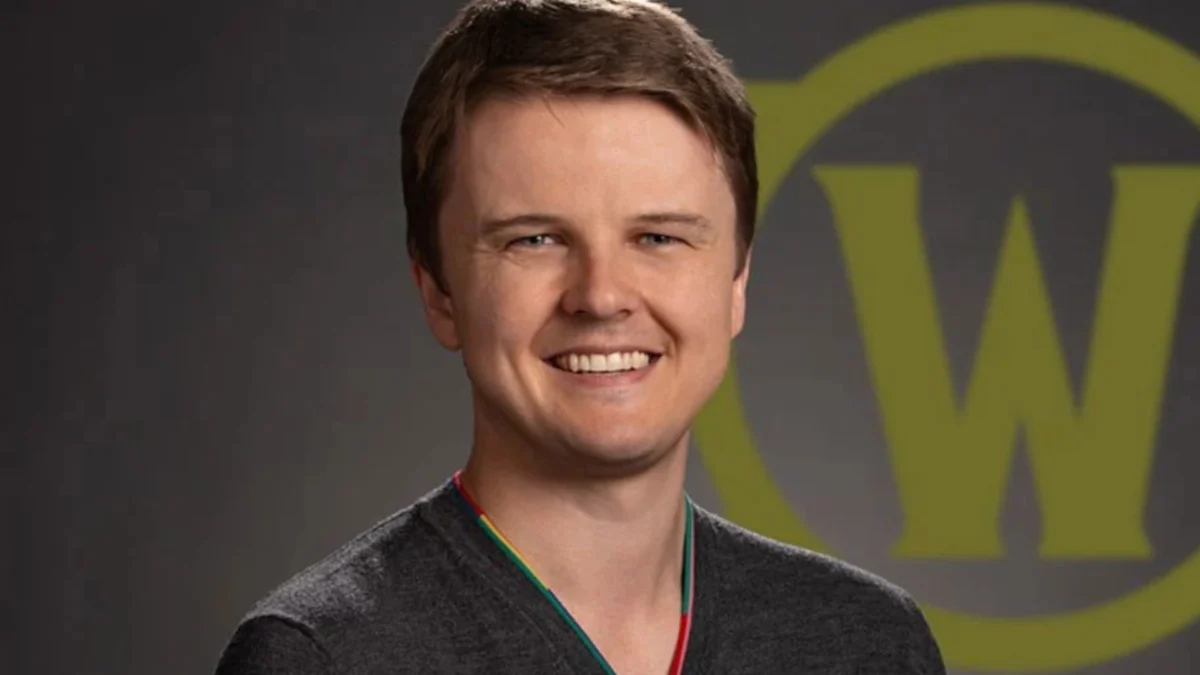
Amidst this tension, a familiar name has returned to the halls of Blizzard Entertainment. Johnny Cash, a veteran designer whose fingerprints are on some of the most celebrated systems in the game’s history, has officially rejoined the World of Warcraft team as a Principal Designer II. His return has been met with a mixture of nostalgia and cautious optimism, as players hope his influence might steer the narrative back toward the grit and faction-driven conflict that defined the franchise’s golden era.
The Chronology of a Veteran: Johnny Cash’s WoW Legacy
To understand why the community is buzzing about Cash’s return, one must look at the historical impact of his design work. Cash is not merely a returning employee; he is an architect of the systems that defined the middle era of World of Warcraft.
The Formative Years: Systems and Innovation
Cash’s career with Blizzard began in earnest during the Cataclysm era, a period defined by a massive world overhaul. He was instrumental in designing the prototype for the Pet Battle system, a feature that added a significant layer of depth and collection-based gameplay to the MMO. He later moved on to the Legion expansion, contributing heavily to the Artifact weapon system and the class-specific Class Halls, which remain fan-favorite examples of player-focused narrative immersion.
The Garrison Era: A Polarizing Masterpiece
Perhaps his most significant contribution remains the Garrison Outposts system introduced in Warlords of Draenor. While the expansion itself was met with criticism for its lack of content, the Garrison remains one of the most mechanically robust and ambitious features Blizzard ever attempted. It bridged the gap between personal agency and world-building, a concept that paved the way for the current excitement surrounding player housing.
Narrative Milestones
Beyond systems design, Cash has been a primary contributor to some of the game’s most iconic zones and questlines. His work on Battle for Azeroth’s Stormsong Valley and Shadowlands’ Bastion showcased his ability to craft atmospheric, lore-heavy environments. Crucially, he was the designer behind "Tyrande’s Vengeance," the emotionally charged questline that served as the primary response to the burning of Teldrassil. This specific quest is often cited as a high-water mark for character-driven storytelling in the game.

Official Statements and New Horizons
On May 19, Cash took to social media to confirm his return to the studio, utilizing the iconic language of the franchise. "Four years have passed since I stood united with the World of Warcraft team to help craft Azeroth. The drums of war thunder once again," he wrote.
According to his updated LinkedIn profile, his role as Principal Designer II carries significant weight. His primary objectives include:
- Narrative Expression: Utilizing exploration, gameplay, and active storytelling to deepen the player’s connection to the world.
- Team Leadership: Mentoring junior designers to maintain the high standard of production quality expected of the Warcraft brand.
- Systems Refinement: Acting as a cross-departmental liaison to ensure that new mechanics are thoroughly tested and balanced before they reach the live servers.
Blizzard’s decision to bring back a designer of Cash’s pedigree during the development of the Worldsoul Saga is a calculated move. As the studio attempts to pivot away from the cosmic, multiversal themes of Shadowlands toward a more grounded, Azeroth-centric story, having a designer who understands the "bones" of the game’s factional history is an asset of immeasurable value.
The "Kumbaya" Crisis: A Narrative at a Crossroads
The most pressing issue facing the development team today is the perceived erosion of the faction barrier. For years, the fundamental identity of World of Warcraft was built upon the tension between the Alliance and the Horde. It was a narrative framework that justified everything from battlegrounds to world PvP.
However, recent expansions have seen a consistent move toward cooperation. While cross-faction play is a boon for queue times and accessibility, many long-time players argue that it has come at the expense of the game’s identity. The narrative of Midnight has been criticized for being "too Kumbaya"—a diplomatic, harmonious tone that stands in stark contrast to the visceral, emotionally heavy storytelling found in Legion or Battle for Azeroth.
Why the "War" in "Warcraft" Matters
The core complaint among the player base is that the game has lost its "grit." The existential stakes of a faction war provided a clear, understandable conflict that grounded the high-fantasy elements. Without that friction, the world feels less like a theater of war and more like a tourist attraction.

There is a growing fear that in the attempt to make the game more inclusive and accessible, Blizzard has stripped away the necessary conflict that drives character development. When the stakes are always global or cosmic, the individual experience of the player—their pride in their faction, their loyalty to their Warchief or High King—becomes diluted.
Implications: Can Cash Restore the Balance?
The return of Johnny Cash serves as a litmus test for the future of the franchise. His track record suggests he understands how to balance systemic depth with narrative emotionality. The challenge, however, will be whether he is given the creative autonomy to reintroduce "the war" into Warcraft without alienating the modern, broader audience that has grown accustomed to the recent cooperative direction.
A Pivot Back to Roots
The Worldsoul Saga is currently in a critical phase. If the developers intend to maintain the momentum of the Midnight expansion, they must address the lack of tension. Cash’s involvement in designing the Warlords of Draenor Garrisons proves he understands how to make players feel like they are building something worth fighting for. Applying that same philosophy to the current narrative could result in a more compelling, high-stakes environment.
The Risk of Stagnation
If the status quo remains, the game risks becoming a purely service-based experience, losing the soul of its RPG roots. The community has made it clear that they do not want another Shadowlands—a narrative so disconnected from the core identity of the game that it felt like an entirely different title. The return of veterans like Cash suggests that Blizzard is at least cognizant of this feedback.
Conclusion: The Path Ahead
The sentiment among the player base is one of cautious hope. Johnny Cash’s return is a signal that Blizzard is looking to reconcile its past successes with its future ambitions. The task before him is immense: he must help weave a story that acknowledges the progression of the last few years while finding a way to reignite the factional fire that made World of Warcraft a global phenomenon.
Whether or not the "drums of war" will truly thunder once again remains to be seen. However, for a community that has spent years yearning for a return to the classic grit of Azeroth, the inclusion of a veteran designer who helped build those very foundations is a step in the right direction. As the Worldsoul Saga continues to unfold, all eyes will be on the quest design, the world-building, and the subtle, systemic changes that will define the next chapter of this twenty-year-old epic. The game is not just a collection of features and patches; it is a living history, and it appears the developers are finally ready to reach back into that history to secure the future.










No comments yet. Be the first to join the conversation!