

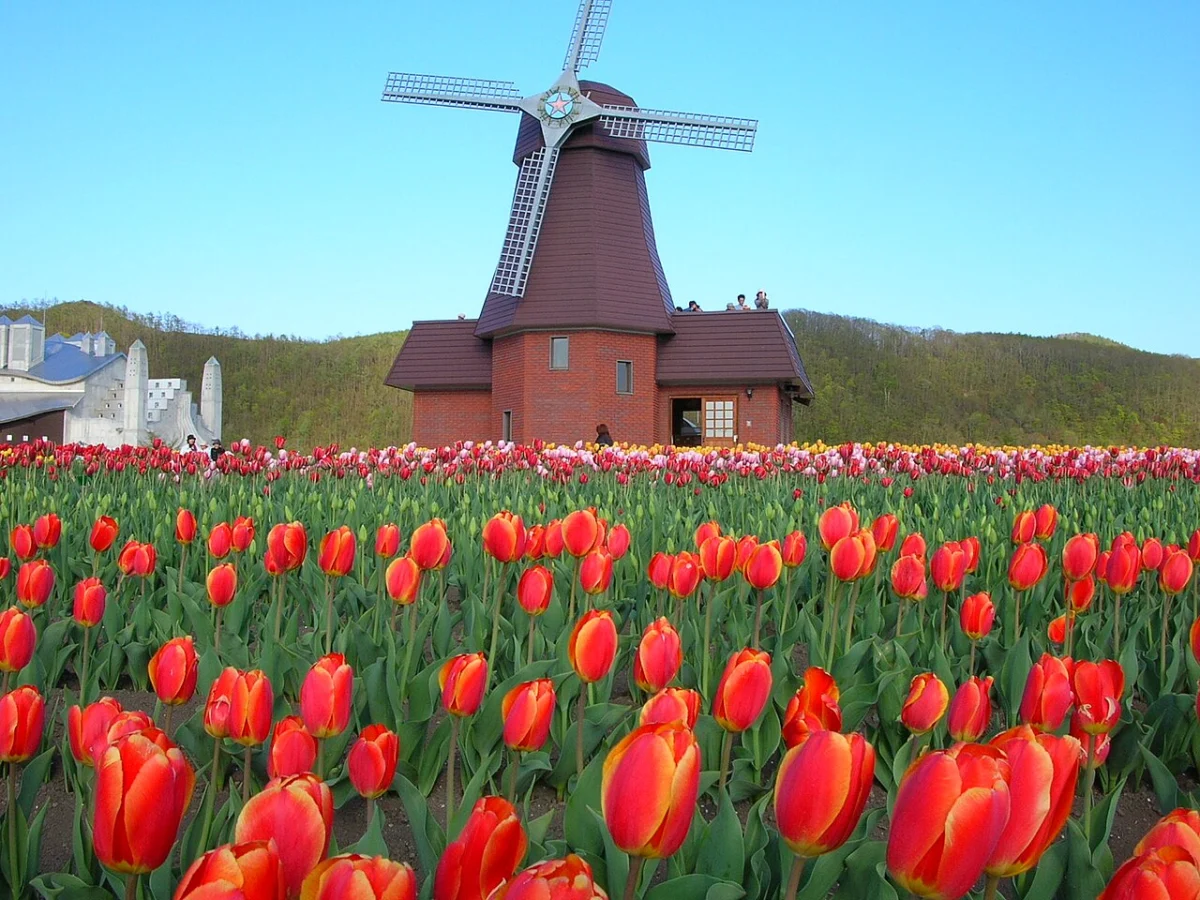
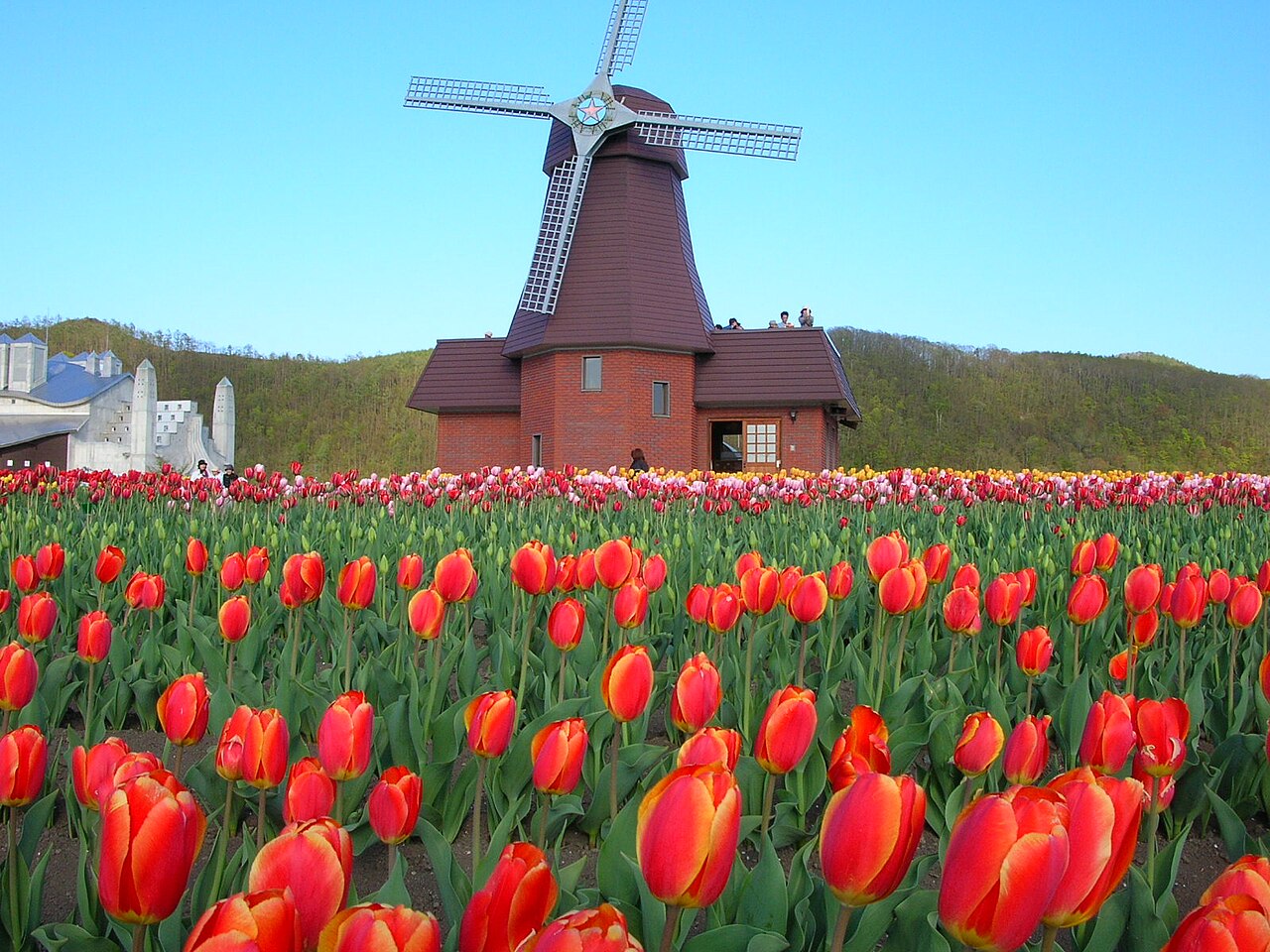
Deep in the heart of Hokkaido’s Okhotsk region, where the cool northern winds whisper of the coming summer, a transformation occurs every May that defies the rugged reputation of the landscape. The Kamiyubetsu Tulip Park (Kamiyubetsu Chūrippu Kōen)—Hokkaido’s premier floral sanctuary—awakens, casting a vibrant, chromatic spell over seven hectares of rolling farmland. With 700,000 bulbs representing 200 distinct varieties, the park stands as a testament to both agricultural resilience and the artistic marriage of Dutch tradition and Japanese precision.
For the international traveler and the domestic enthusiast alike, the park is more than a mere photo opportunity; it is a pilgrimage into one of the most sophisticated tulip displays in the northern hemisphere.
The Core Facts: A Masterpiece in Bloom
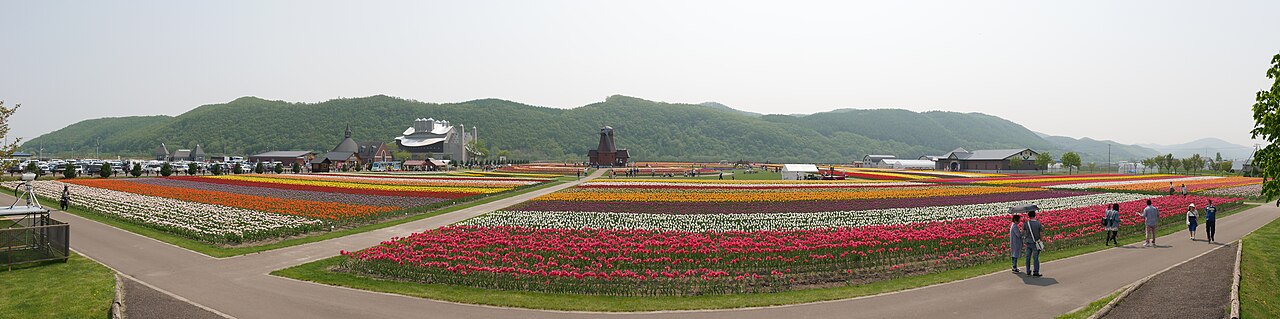
The Kamiyubetsu Tulip Park is an expansive 12.5-hectare site situated on the eastern edge of Yubetsu town. While the entire facility encompasses visitor amenities, playgrounds, and Dutch-inspired architectural markers, the heart of the experience is the seven-hectare display of tulips. These flowers are not randomly scattered; they are meticulously curated into geometric, flowing ribbons of color—deep crimsons, sunshine yellows, ethereal whites, and regal purples—that follow the natural contours of the east-facing slope.
Essential Visitor Statistics
- Scale: 7 hectares of cultivated flower beds.
- Diversity: Over 200 varieties, including rare Dutch imports.
- Peak Season: Typically mid-to-late May (May 15–25 is the statistical sweet spot).
- Annual Attendance: Approximately 100,000 visitors during the month-long festival.
- Access: Located in north-central Hokkaido, roughly 30 minutes by car from Okhotsk-Monbetsu Airport.
The park’s design is a living, breathing work of art. The head gardener employs a sophisticated three-year rotational palette, ensuring that returning visitors are greeted by a fresh visual composition each season. By varying planting depths, the horticultural team creates a "bloom wave" that cascades down the slope, extending the peak viewing period and ensuring that early-blooming simple tulips give way to exotic, late-season fringed and parrot cultivars.
A Historical Chronology: From Beet Fields to Petal Power
To understand the soul of Kamiyubetsu, one must look back to the post-war era of the 1950s. At the time, Yubetsu was a town defined by its agricultural output, specifically sugar beets and potatoes. Seeking to diversify the local economy and improve the quality of life for farmers, the local JA (Japan Agricultural Cooperative) took a bold step: they looked toward the Netherlands.
The Evolution of the Park
- 1950s: Initial tulip bulb imports began as an experimental agricultural project. Local farmers were trained in bulb cultivation as a secondary crop.
- 1957: The first public tulip festival was held, marking the genesis of the park as a cultural event.
- 1989: Recognizing the tourism potential of the floral display, the town of Yubetsu formalised the site, expanding the grounds and investing in the "Dutch-themed" aesthetic that persists today.
- Modern Era: Today, the park is managed by the Yubetsu municipal tourism board, acting as a critical pillar of the local economy and a flagship destination for the Okhotsk region.
Unlike theme parks that use flowers as a backdrop, Kamiyubetsu remains deeply rooted in the agricultural history of its region. It is a working landscape that honors the farmers who once traded the shovel for the trowel to bring a piece of Holland to the northern reaches of Japan.
Supporting Data: Understanding the Cultivars
The park’s credibility among horticulturalists rests on its curation. The 200 varieties are categorized into groups, each offering a distinct aesthetic:
- Triumph Tulips: Known for their sturdy stems and classic goblet shapes, these provide the backbone of the park’s color bands.
- Darwin Hybrids: These large, long-stemmed flowers offer the most saturated, vibrant colors and serve as the main attraction during the early-to-mid festival window.
- Fringed and Parrot Tulips: Found in the upper terraces, these display complex, ruffled, and exotic textures. They are the "prized" specimens for photography enthusiasts.
- Lily-Flowered Varieties: Characterized by their elegant, reflexed petals, these add a sense of movement to the garden beds.
For those looking to engage with the flora beyond observation, the "Dig-Your-Own" initiative—typically held in the final ten days of the festival—allows visitors to purchase live, freshly unearthed bulbs. Unlike mass-market garden center bulbs, these represent genuine Dutch heritage, providing a tangible connection to the park’s rigorous standards.
Official Perspectives and Operational Philosophy
The management of the Kamiyubetsu Tulip Park operates under a philosophy of "Seasonal Excellence." The Yubetsu tourism board emphasizes that the park is not a permanent exhibition; it is a fleeting, ephemeral event.
"We are managing a living cycle," says a spokesperson from the local tourism bureau. "Because the park is closed for 11 months of the year, we must ensure that the month of May is perfect. We coordinate with local meteorologists to track bloom percentages, and we provide that data transparently on our website so that international travelers can plan their arrival to match the peak."
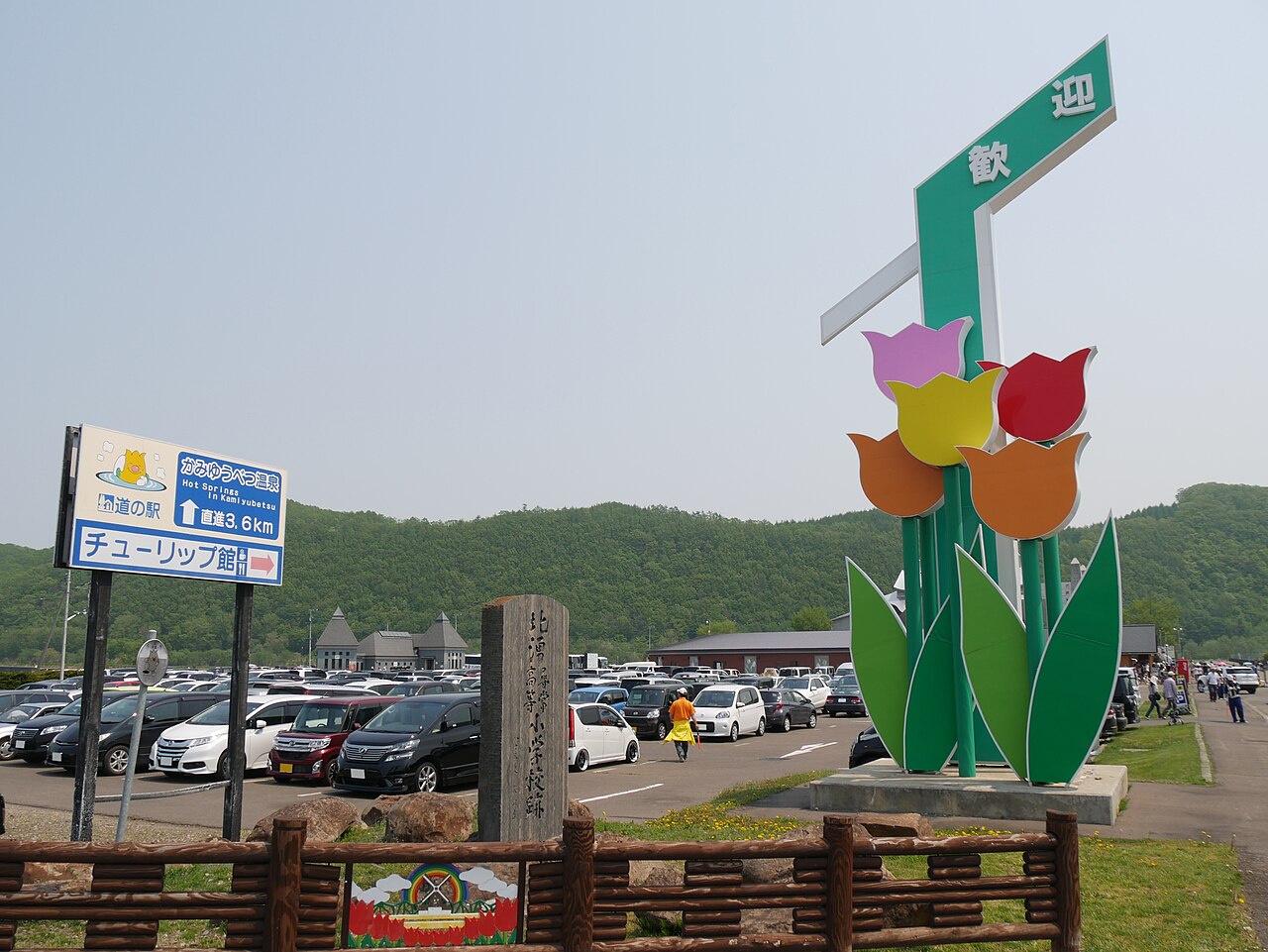
The integration of the Tulip no Yu onsen (a roadside station/hot-spring complex) is a strategic administrative decision designed to bolster the local economy. By providing a "base camp" that is open year-round, the town ensures that tourists have access to amenities—authentic local food, hot baths, and fresh produce—even when the tulips are dormant. This synergy between the seasonal festival and the year-round roadside station model is a blueprint for rural Japanese tourism development.
Implications: The Broader Impact of the Tulip Circuit
The success of the Kamiyubetsu Tulip Park has significant implications for the broader Hokkaido tourism circuit. It does not exist in a vacuum; it acts as an anchor for the Okhotsk region.
The Regional Synergy
- The Flower Circuit: The park is frequently paired with the Takinoue Shibazakura (Moss Pink) Park. Because the two parks coordinate their festival dates, a visitor can experience two of Japan’s most impressive floral displays within a single weekend.
- The Economic Ripple Effect: By encouraging overnight stays in Monbetsu or Engaru, the park sustains the regional hotel industry, which might otherwise struggle with low occupancy rates during the shoulder seasons.
- Cultural Exchange: The Dutch-themed infrastructure, while clearly a Japanese interpretation, serves as a bridge for cultural appreciation. It encourages visitors to explore the history of Dutch-Japanese trade relations, which have spanned centuries.
Logistics for the Discerning Traveler
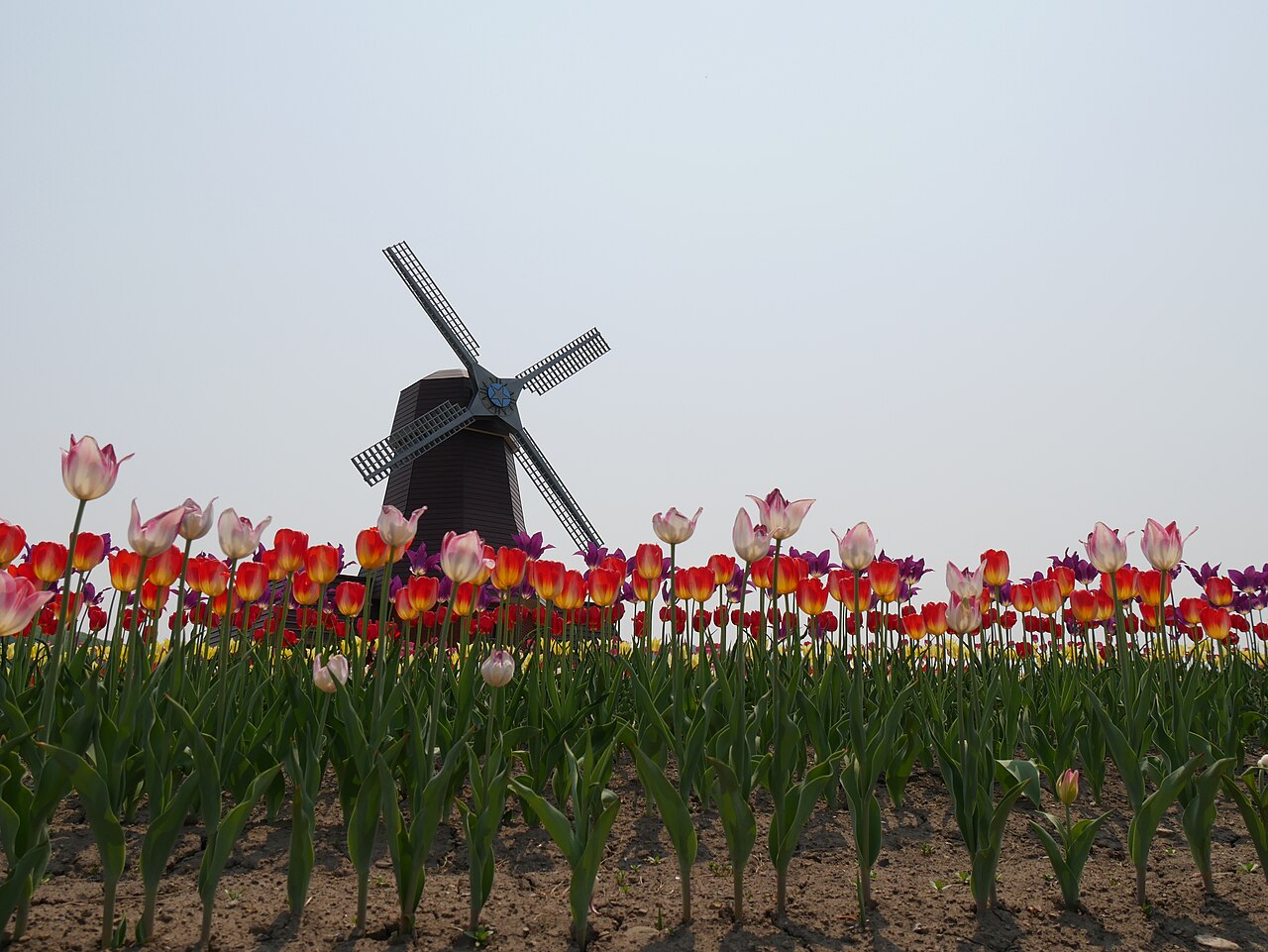
For the modern traveler, the "remote" nature of the park is both a challenge and a reward. While a rental car is highly recommended for the 4-to-5-hour drive from Sapporo or Asahikawa, the reward is an escape from the "tourist trap" atmosphere found in Tokyo or Kyoto. The infrastructure—including the windmill observation deck and the hana densha (electric flower tram)—ensures that the park remains accessible to all demographics, from young children to seniors.
Conclusion: Is it Worth the Journey?
The question of whether Kamiyubetsu is "worth it" depends entirely on the traveler’s intent. For the casual tourist looking for a quick day trip from a major city, the distance is prohibitive. However, for the photographer, the gardener, or the traveler seeking the "authentic" face of rural Hokkaido, the park is an unparalleled destination.
The experience of standing at the top of the Dutch-style windmill, looking down over a sea of 700,000 tulips, with the vast, quiet plains of Yubetsu stretching toward the horizon, is a uniquely meditative experience. It is a testament to what a community can achieve when it chooses to cultivate beauty in the face of isolation. When the petaled ribbons finally begin to fade in early June, they leave behind not just a memory, but a promise: that in the harsh, cold soil of the north, beauty will return, and the colors will dance once again.












No comments yet. Be the first to join the conversation!