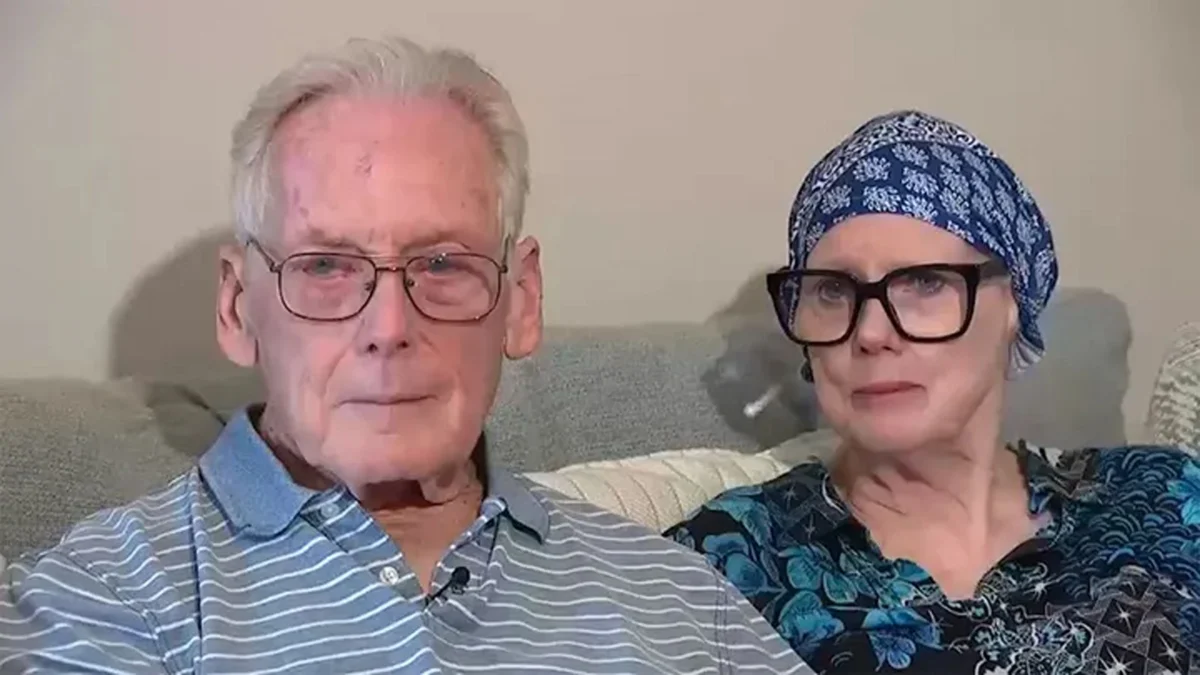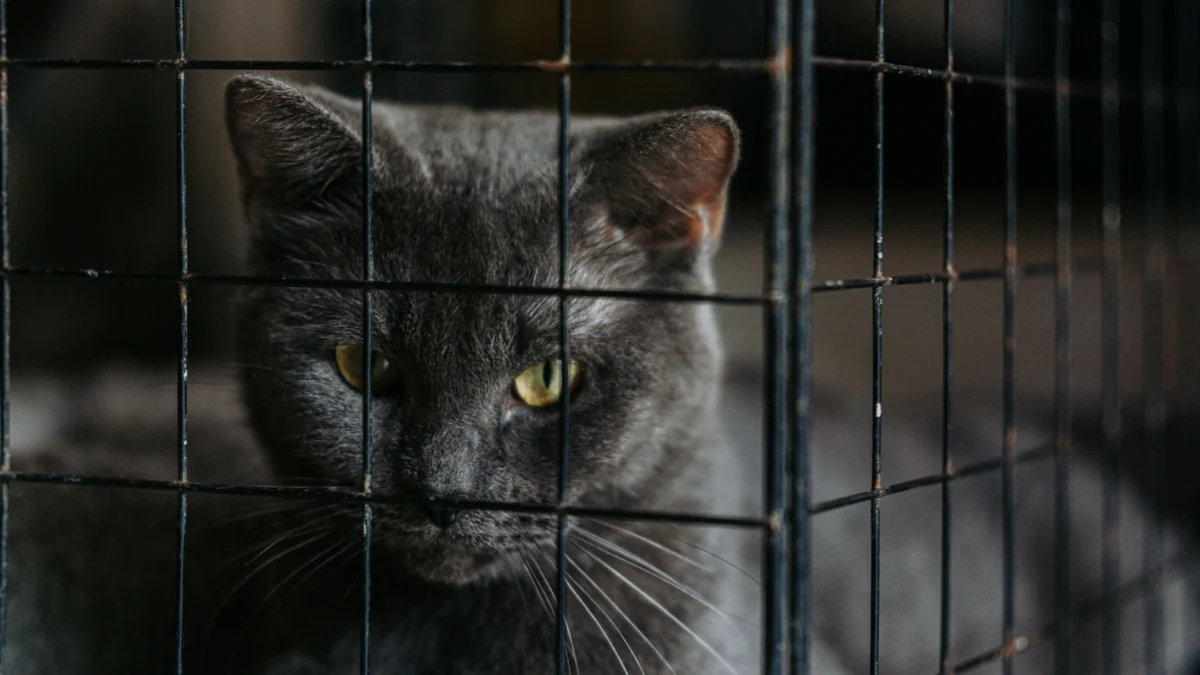
The quiet residential landscape of Martin County, Florida, was recently shattered by the discovery of one of the most harrowing cases of animal neglect in the region’s history. Local authorities, acting on reports of an overwhelming stench emanating from a single-family home, uncovered a sprawling, clandestine operation of extreme animal hoarding. Inside, 77-year-old Gail Giustino was found to be living among 92 neglected animals, an act that has prompted an intense debate regarding the intersection of mental health, animal welfare, and the limitations of local law enforcement.
The Discovery: A House of Horrors
The investigation began not with a formal complaint of abuse, but with the sheer sensory impossibility of the property. Neighbors and passersby had long noted the pungent odor, but the reality inside the home far exceeded the expectations of responding deputies.
Upon entering the residence, law enforcement officers were met with conditions that Sheriff John Budensiek described as "the worst animal hoarding case" he has ever encountered in his tenure in Martin County. The interior was characterized by a total lack of air circulation and a floor buried under a layer of waste that, in some areas, measured up to a foot deep. The air quality was so hazardous that the Martin County Fire Rescue’s Hazardous Materials (HazMat) Team had to be deployed to ventilate the home before personnel could safely enter to begin the delicate process of rescuing the animals.
A Chronology of Accumulation
Investigators believe that Giustino’s descent into hoarding was not a sudden act, but a slow, decades-long progression. As a carrier for the U.S. Postal Service, Giustino’s daily route provided her with a unique, if unintended, opportunity to encounter stray and feral animals.
It is believed that over the years, Giustino began picking up these animals—primarily cats—while on her delivery route. Rather than taking them to local shelters or rescue organizations, she brought them into her home. Over time, the number of animals swelled to 80 cats and 12 dogs. Authorities have noted that there is no evidence suggesting Giustino was stealing pets from other residents; instead, her behavior appears to be a classic, albeit extreme, manifestation of "animal hoarding syndrome," where a well-intentioned desire to "save" animals spirals into a situation where the individual loses the ability to provide even the most basic standard of care.
The Toll on the Animals: A Medical Crisis
When the animals were finally removed from the residence, the extent of the neglect became painfully clear. Animal control officers and shelter workers described a scene of absolute physiological depletion. The 12 dogs rescued from the home were suffering from significant dental issues, likely caused by poor nutrition and a lack of veterinary care.
The cats, meanwhile, showed signs of chronic neglect. Many were severely dehydrated, with shelter staff reporting that some of the rescued felines drank water continuously for 15 minutes upon their arrival. Furthermore, the animals displayed visible patches of missing fur, which veterinarians attributed to "stress-induced overgrooming"—a psychological response to the overcrowded and unsanitary environment they had been forced to inhabit.
The conditions of the transport crates were described as "caked" in feces, providing a grim insight into the daily existence of these animals. Despite the severity of their condition, the resilience of the animals has been noted by rescue staff, who are currently working to rehabilitate them physically and socially.
Official Responses and Legal Implications
Following the rescue operation, Gail Giustino was arrested and charged with two misdemeanor counts related to animal cruelty. The legal response has been nuanced, reflecting the complexities of cases involving elderly individuals and mental health concerns.
Sheriff Budensiek was clear in his assessment of the suspect’s intent. "If we believe she was truly an animal abuser, we would try to bury her under the jail," the Sheriff stated during a press briefing. "We truly believe that Gail thinks she’s doing the right thing, but she’s doing it the wrong way."

This distinction between malicious abuse and the compulsive behavior associated with hoarding is a critical point in the legal process. In cases of "animal hoarding," the perpetrator often perceives themselves as a savior, blinded by their own pathology to the squalor and suffering they are inadvertently creating. The Sheriff’s office has emphasized that their primary focus remains on the welfare of the animals and ensuring that such a scenario does not repeat itself, rather than pursuing punitive measures that might ignore the underlying psychological issues.
Understanding Animal Hoarding as a Public Health Issue
The Giustino case brings to light a broader, often hidden public health issue: the "hoarder’s paradox." Psychological research into hoarding disorders suggests that individuals like Giustino often suffer from a distorted perception of reality. They believe they are providing a refuge for animals that would otherwise perish on the streets.
In many of these cases, the hoarder’s own health and safety are equally at risk. Living in a home with a foot of animal waste creates a toxic environment that poses severe risks to human respiratory and immune systems. Furthermore, the social isolation often associated with elderly hoarders makes it difficult for family or neighbors to intervene before the situation reaches a critical, life-threatening level.
Community Response and Future Outlook
The aftermath of the rescue has seen an outpouring of support from the Martin County community. Since the story broke, the local animal shelter has been inundated with calls from concerned citizens offering to foster or adopt the rescued cats and dogs. This influx of support serves as a reminder of the community’s commitment to animal welfare, even in the wake of such a disturbing incident.
However, the legal path forward remains complex. Giustino will face the court system, and the primary goal for prosecutors will likely be to ensure that she is prohibited from owning animals in the future, while potentially connecting her with the mental health services she clearly requires.
The case of the 92 animals in Martin County is a stark reminder of the thin line between care and cruelty. It highlights the necessity of community vigilance—not just to report suspected abuse, but to recognize the signs of a neighbor in decline. As the animals continue their slow recovery in the care of the shelter, the case remains a subject of ongoing discussion regarding how societies can better support vulnerable populations and protect those—both human and animal—who cannot speak for themselves.
A Broader Pattern of Animal Welfare Concerns
The Martin County incident is not an isolated event but rather part of a larger trend of animal-related stories that have captured national attention. Recently, reports of serial dog-nappers and cases of pets being discovered hundreds of miles from their original homes have heightened public awareness regarding the vulnerability of domestic animals.
Whether it is a dog stolen from a driveway or a hoard of feral cats trapped in a cycle of neglect, these stories underscore the critical importance of microchipping, vigilant supervision, and robust local animal control policies. The Giustino case, while unique in its scale, is a cautionary tale that the systems designed to protect animals are only as effective as the community’s willingness to report, investigate, and rehabilitate.
As the legal proceedings against Giustino move forward, the focus must shift to long-term prevention. This involves not only stricter enforcement of animal welfare laws but also a more compassionate, multidisciplinary approach to the elderly citizens who may fall into these tragic patterns. Through a combination of social work, psychiatric intervention, and community-based monitoring, authorities hope to prevent the next "worst case" from ever occurring, ensuring that both the elderly and the animals in their care live with the dignity and health they deserve.