In the high-octane world of international sports marketing, the finish line is no longer just about the chequered flag. For Doritos, the iconic snack brand under the PepsiCo umbrella, the focus has shifted toward capturing the imagination of the armchair enthusiast. As screens globally remain fixated on major sporting events, Doritos is aggressively leaning into a multi-year, multi-market partnership with Formula 1 (F1), signaling a strategic pivot toward experiential, fan-centric marketing that transcends the traditional boundaries of television advertising.
This collaboration, slated to run through 2030, represents one of the most ambitious global marketing maneuvers for the brand to date. By bridging the gap between the high-speed intensity of the track and the comfort of the living room, Doritos is attempting to solve a modern marketing conundrum: how to remain relevant to a global audience that experiences the vast majority of its sports consumption through a digital lens.
The Strategy: Bridging the "Crunch Prix" Experience
The cornerstone of this partnership is "The Crunch Prix," a high-energy campaign developed by the creative agency Goodby Silverstein & Partners and directed by Antoine Bardou-Jacquet. The 60-second hero video serves as a visceral metaphor for the fan experience. In the spot, a single bite of a Doritos chip acts as a catalyst, propelling the consumer from their sedentary position into the heart of a race. Whether they are perched on a gaming chair, a recliner, or even a bathtub, the viewer is suddenly thrust onto the track, blurring the line between the spectator and the driver.
This campaign is part of the broader "Taste the Thrill" platform, a global initiative designed to roll out across social media and out-of-home platforms. The creative direction, bolstered by the high-end visual effects provided by Untold Studios, aims to capture the adrenaline that F1 fans crave while positioning Doritos as the quintessential companion for race day.
Chronology of a Global Partnership
The timeline of this partnership reflects a methodical expansion of PepsiCo’s footprint in the sports entertainment sector:
- Pre-2024: PepsiCo cements its status as a major player in sports, building on decades of experience with the NFL and, more recently, Lay’s extensive efforts during the World Cup.
- Early 2024: Official announcement of PepsiCo’s long-term partnership with Formula 1, establishing an official snack and beverage pipeline until 2030.
- Mid-2024: Launch of the "Taste the Thrill" platform and the "Crunch Prix" campaign.
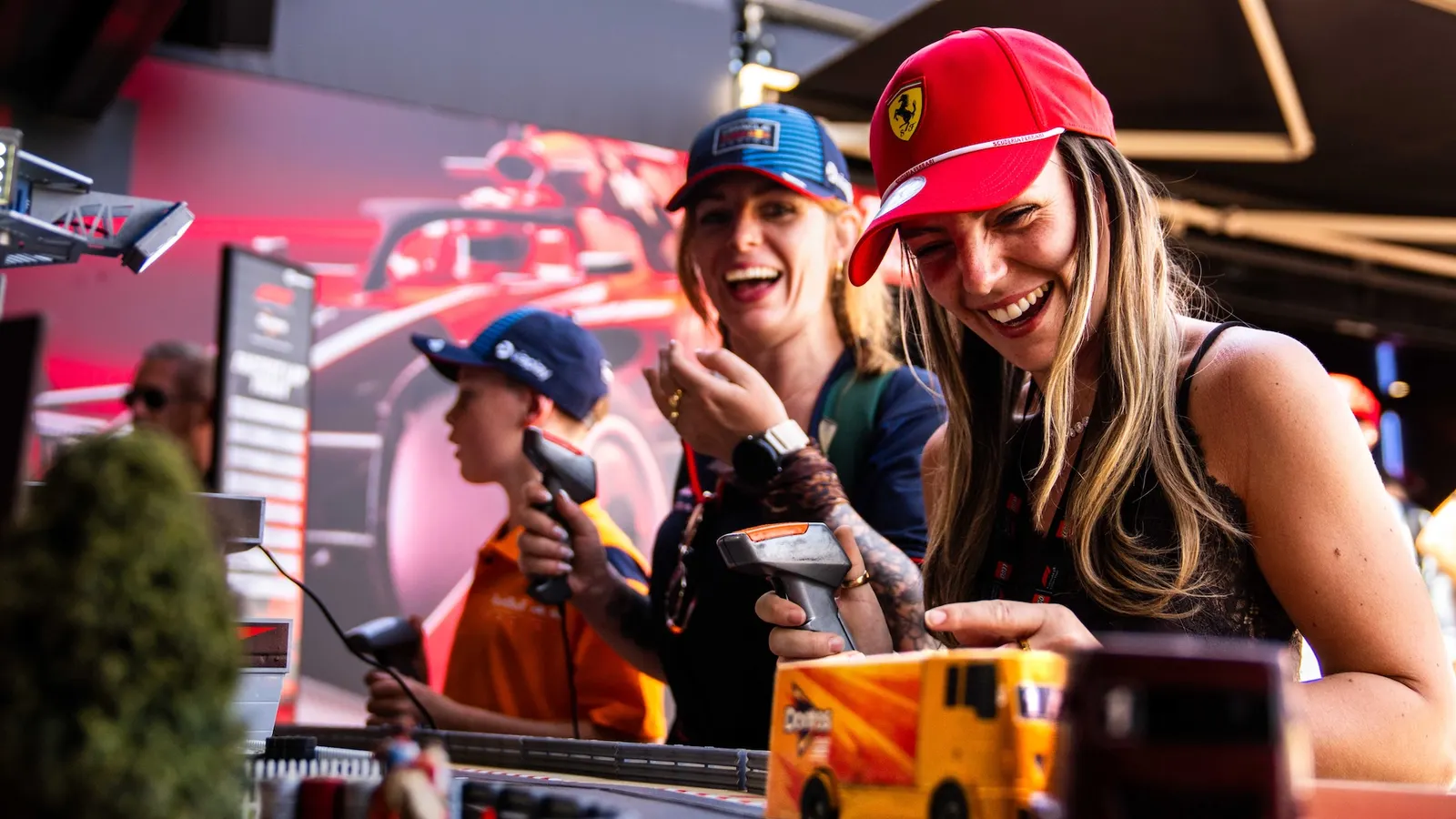
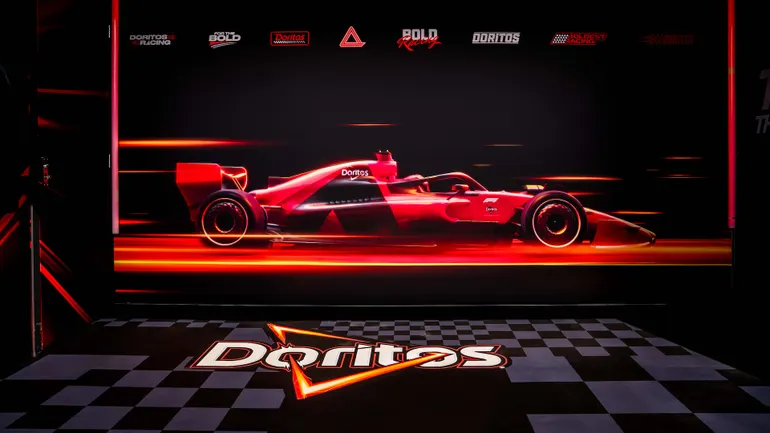
- July 2024: The British Grand Prix at Silverstone serves as the inaugural testing ground for the "Doritos Thrill Zone," an experiential physical activation.
- Ongoing: Global rollout of Doritos Loaded food trucks and localized digital content strategies aimed at regional markets spanning from Australia to Brazil.
Supporting Data: Why F1?
For Doritos and PepsiCo, the allure of Formula 1 is rooted in its unique demographic and logistical advantages. According to Kyle Gore, vice president of global marketing for Doritos, the sport offers three distinct competitive edges:
- Global Scalability: Unlike sports that are tethered to a specific region or season, F1 provides a 10-month, year-round calendar of events that touch almost every continent.
- A Maturing, Digital-Native Fan Base: The explosion of the Netflix docuseries Formula 1: Drive to Survive has fundamentally altered the sport’s audience. It has attracted a significantly higher percentage of women and younger, digitally fluent viewers—the exact demographic segments that represent the future growth for the snack food category.
- Experiential Versatility: With 22 races per season, the brand has 22 distinct opportunities to create physical activations, test dining innovations, and engage directly with consumers in high-traffic environments.
The data suggests that the "festivalization" of F1 is a key factor. Attendees often spend upwards of 12 to 14 hours at a circuit. Recognizing this, Doritos has transformed the trackside experience into a sanctuary, offering food and entertainment through its "Doritos Loaded" food trucks—which feature recipes developed in collaboration with culinary icon Gordon Ramsay—and immersive fan zones.
Official Perspectives: The "Orchestration Act"
Kyle Gore has been instrumental in navigating the complexities of this partnership. During recent press discussions, he admitted that the level of cooperation from the F1 organization was a pleasant surprise.
"F1 has been pushing us to bring more fun, excitement, and access to fans—which is not, honestly, what we expected," Gore remarked. "We’ve been pleasantly surprised by the partnership they provided."
However, balancing the brand’s identity with the sport’s prestige is an ongoing "orchestration act." The challenge for Doritos is twofold: developing content that resonates universally while simultaneously protecting the integrity of individual brand sub-entities, such as their collaboration with the Mercedes-AMG Petronas team and drivers like George Russell and Kimi Antonelli.
"A lot of the activity is making sure that we have room and space for all of this to live," Gore explained. "We’re working to determine our role in the content ecosystem as we seek to find the most relevant, customized content for consumers—whether they are fans of Doritos, F1, Ramsay, or specific team members."
Implications: The New Era of Sports Marketing
The shift in marketing tactics signaled by this partnership has profound implications for how global brands will approach sports in the future.
The Death of the "One-Off" Campaign
Doritos is moving away from the isolated "big-game" marketing model—a relic of the traditional Super Bowl ad era. Gore notes that the internal mindset has shifted toward a constant, global "war room" mentality. Just as brands used to obsess over a single 30-second spot during a championship game, they must now manage a 10-month, multi-platform narrative that stays relevant in real-time.
Localized Globalism
A significant takeaway from the Doritos strategy is the empowerment of local markets. The brand has discovered that an F1 race in Australia is just as engaging to a fan in Brazil as it is to a local spectator. By publishing content across a unified social ecosystem, Doritos allows regional teams to tap into the global fervor, regardless of the physical location of the race. This "scaled intimacy" allows for a consistent brand voice while enabling regional teams to tailor their activations to local cultural preferences.
The Future of Fan Engagement
The "Doritos Thrill Zone" at Silverstone serves as a blueprint for future brand activations. By treating race weekends like music festivals, Doritos is acknowledging that the race is only one part of the consumer journey. By providing virtual racing games, live interviews with content creators, and chef-led culinary experiences, they are creating a value proposition that justifies the time and money fans spend at the track.
As the partnership with Formula 1 continues to evolve, the focus will likely remain on integrating the digital and physical realms. The "Crunch Prix" campaign is merely the opening lap. As Doritos continues to refine its "Taste the Thrill" platform, the brand is positioning itself not just as a snack provider, but as a central component of the modern sporting lifestyle. For PepsiCo and Doritos, the finish line remains a moving target, one that requires constant innovation, global coordination, and a deep understanding of what makes the modern fan click—and crunch.