

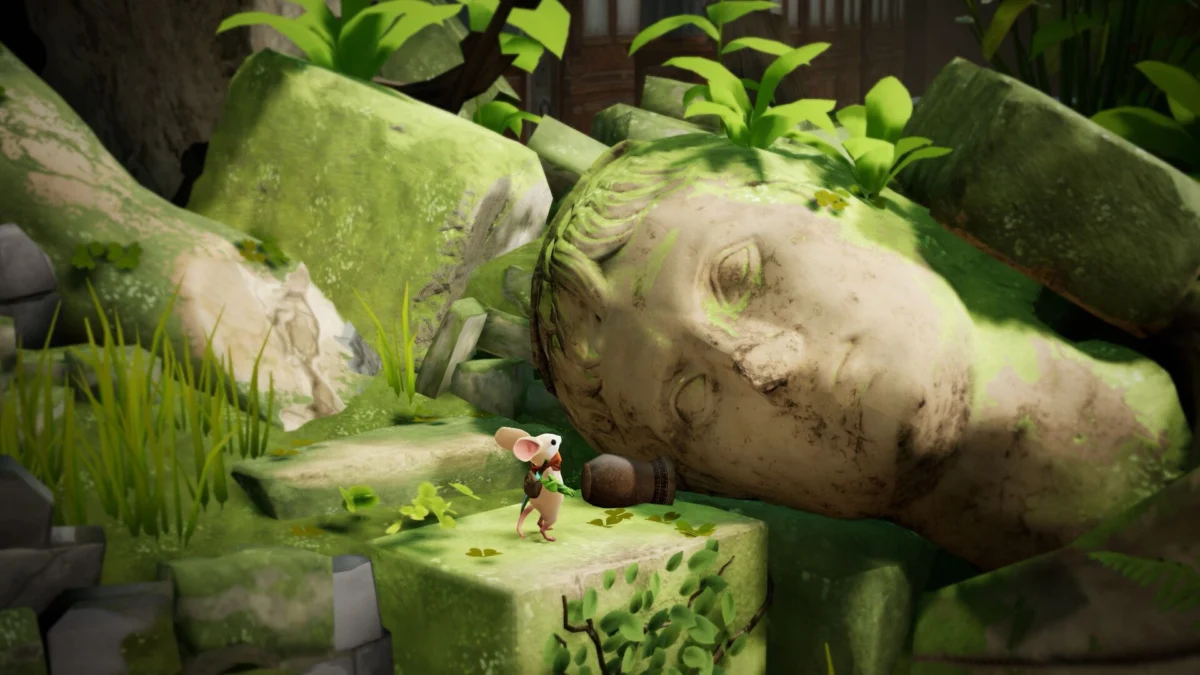
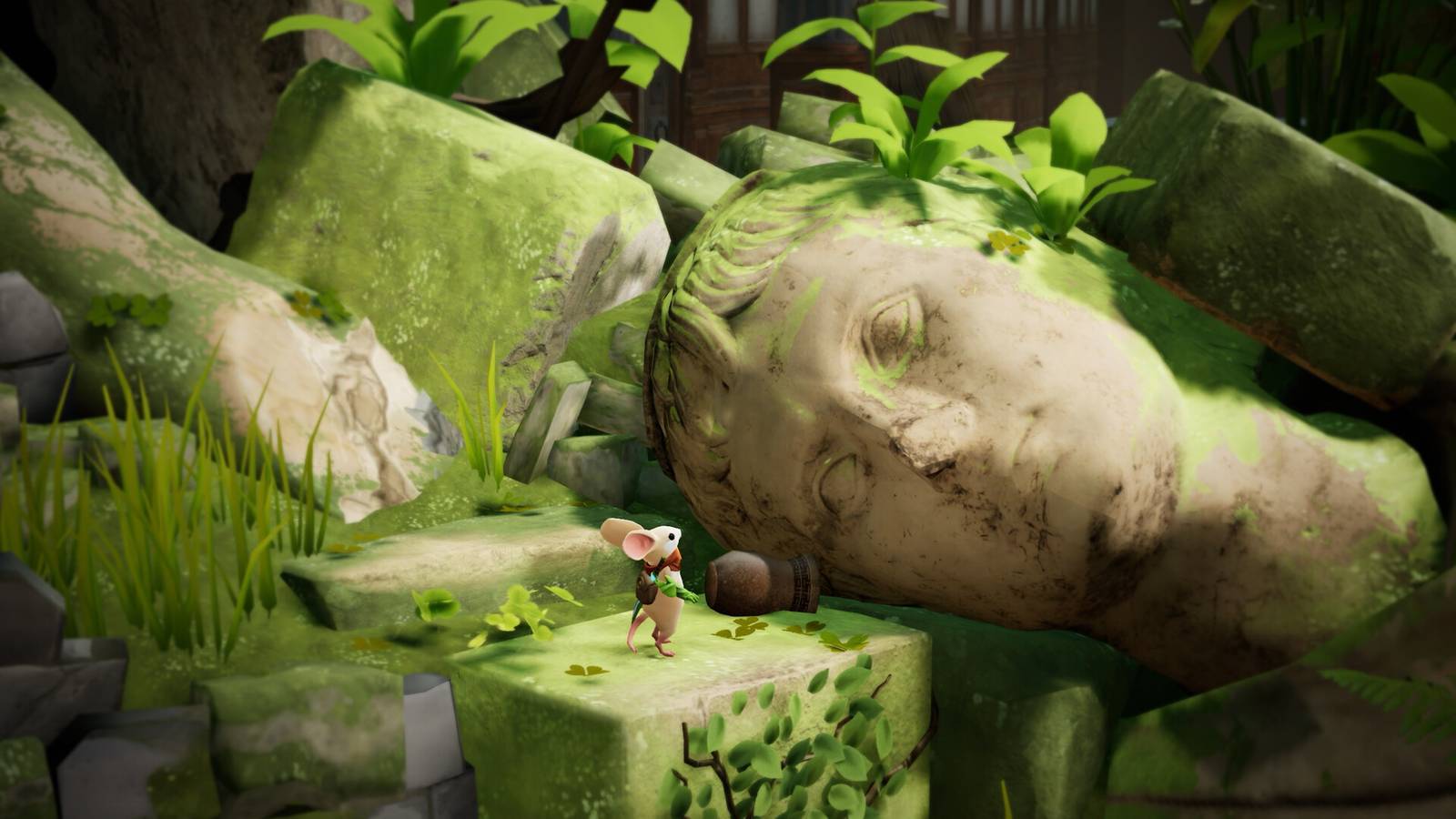
Los Angeles, CA – May 14, 2026 – In a significant move poised to redefine accessibility for one of virtual reality’s most beloved franchises, Polyarc, the developer behind the critically acclaimed Moss series, has announced the upcoming release of Moss: The Forgotten Relic. This comprehensive new package will bring the enchanting adventures of Quill, the heroic mouse, to traditional flat screens for the very first time, combining both Moss and Moss: Book 2 into a unified experience optimized for a wider audience. Set to launch this summer, Moss: The Forgotten Relic will be available on Nintendo Switch, PlayStation 5, Windows PC, and Xbox Series X, marking a pivotal moment not only for the franchise but also for the evolving landscape of the VR gaming industry.
For years, the charming world of Moss has been exclusively enjoyed by players donning VR headsets, praised for its innovative storytelling, ingenious puzzle-platforming, and the unique sense of presence it offered. The transition to consoles represents a strategic pivot for Polyarc, allowing millions of new players to embark on Quill’s epic journey without the barrier of specialized VR hardware. This announcement comes at a crucial juncture for the studio, following a period of significant staff reduction, and reflects a broader trend within the VR development community towards diversifying distribution channels and embracing a hybrid approach to game releases.
Main Facts: A New Chapter for Quill
Moss: The Forgotten Relic is not merely a straightforward port; it’s a meticulously re-engineered collection designed to deliver the same captivating experience that earned the series numerous accolades, but tailored for traditional display formats. The package integrates the original Moss, its critically praised sequel Moss: Book 2, and the additional content from Moss‘s Twilight Garden DLC, presenting a complete narrative arc for players.
Key enhancements for this console iteration include optimized visuals and performance, ensuring a smooth and visually stunning adventure across all target platforms. A significant development is the "reworked Smart Follow Camera," an essential adaptation to translate the intuitive head-tracking of VR into a seamless third-person perspective on a flat screen. Furthermore, new cutscenes have been incorporated to enrich the narrative, and an accessibility feature allowing players to skip combat segments will cater to a broader range of playstyles, focusing on the series’ celebrated puzzles and story.
The decision to bring Moss to traditional consoles signifies a strategic expansion of its reach, making the award-winning gameplay and heartwarming story of Quill accessible to an exponentially larger player base. This move is particularly noteworthy given the recent economic pressures faced by many VR development studios, including Polyarc, suggesting a proactive approach to financial stability and brand longevity.
Chronology: The Journey of Quill from VR Sensation to Multi-Platform Endeavor
The Moss series began its life as a groundbreaking title exclusively for virtual reality platforms, quickly establishing itself as a benchmark for narrative-driven VR experiences.
The Genesis of a VR Masterpiece (Moss, 2018)
The original Moss launched in 2018 to widespread critical acclaim, immediately captivating audiences with its enchanting world, innovative gameplay mechanics, and deeply emotional story. Players took on the role of "The Reader," a benevolent spirit guiding a brave young mouse named Quill through a magical realm. This unique dual-perspective gameplay, where players physically interacted with the environment and simultaneously controlled Quill, was revolutionary in VR. The ability to peer around corners, manipulate objects, and directly assist Quill fostered an unprecedented sense of connection and immersion.
Moss garnered significant recognition, earning nominations at prestigious industry events such as The Game Awards, The Golden Joystick Awards, and the D.I.C.E. Awards. Reviewers lauded its charming art style, ingenious environmental puzzles, satisfying combat, and a heartwarming narrative that resonated deeply with players. It became a flagship title, often cited as an essential experience for anyone exploring the potential of VR gaming.
Continuing the Adventure (Moss: Book 2, 2022)
Building upon the solid foundation of its predecessor, Moss: Book 2 launched in 2022, continuing Quill’s perilous journey with expanded mechanics, new enemy types, and a more intricate narrative. The sequel was met with similar enthusiasm, praised for evolving the core gameplay while retaining the beloved charm and emotional depth that defined the first installment. Moss: Book 2 further refined the "Reader" mechanic, offering new ways for players to interact with the world and assist Quill, deepening the sense of partnership.
The sequel’s critical success culminated in it winning the coveted award for Best VR/AR Game at The Game Awards in 2022, solidifying the Moss series’ status as a premier IP within the virtual reality space. Both games demonstrated Polyarc’s mastery of VR storytelling and gameplay, proving that immersive technology could deliver deeply personal and engaging adventures.
The Strategic Shift (The Forgotten Relic, 2026)
The announcement of Moss: The Forgotten Relic in May 2026 marks a pivotal strategic shift for Polyarc. While the series has achieved immense success within the VR niche, the decision to port the entire saga to traditional consoles and PC signals a clear intent to broaden its appeal and reach. This unified package, combining both award-winning titles and the Twilight Garden DLC, represents the culmination of Polyarc’s efforts to adapt a fundamentally VR-centric experience for flat screens. The summer 2026 release across multiple mainstream platforms underscores a commitment to making Quill’s story accessible to anyone who loves compelling games, regardless of their access to VR hardware. This move is not just about a new game release; it’s a statement about the evolving business models and sustainability challenges within the VR industry.
Supporting Data: Unpacking the ‘Forgotten Relic’ and the VR Landscape
The transformation of Moss from a VR-exclusive title to a multi-platform release involves significant technical and design considerations, reflecting both the unique strengths of the original games and the current realities of the VR market.
Reimagining a VR Classic for Flat Screens
Translating a VR experience to a traditional screen presents a unique set of challenges, particularly for a game like Moss, where the player’s "Reader" presence is integral to the gameplay. The original article highlights several key adaptations for The Forgotten Relic:
- Reworked Smart Follow Camera: In VR, players physically move their heads to look around the environment, discover secrets, and guide Quill. On a flat screen, this natural head tracking must be replaced by an intelligent camera system. The "Smart Follow Camera" will likely dynamically adjust angles and zoom levels to maintain optimal visibility for Quill and the environment, ensuring players can navigate puzzles and combat without feeling disoriented or losing track of the action. This involves sophisticated algorithms to anticipate player needs and mimic the intuitive control of VR.
- Enhanced Visuals and Performance: Freed from the demanding real-time rendering constraints for two separate eye views and high refresh rates inherent to VR, Polyarc can leverage the full power of modern consoles and PCs. This could translate to higher resolution textures, more detailed environments, improved lighting effects, smoother frame rates, and potentially even new graphical flourishes that were not feasible in the original VR versions. This enhancement aims to make the charming world of Moss look even more vibrant and appealing on larger displays.
- New Cutscenes: While the VR versions often integrated storytelling directly into the gameplay with the player as an active participant, new cutscenes could serve several purposes for a flat-screen audience. They might bridge narrative gaps that were previously understood through subtle VR interactions, enhance emotional beats, or simply provide more traditional cinematic storytelling that console players are accustomed to, ensuring the story remains coherent and impactful.
- Accessibility Feature: Skip Combat: This addition speaks to a broader design philosophy focused on inclusivity. While combat is a part of Moss, its core appeal often lies in its narrative, atmosphere, and environmental puzzles. Allowing players to bypass combat segments ensures that those who prefer a purely exploratory or puzzle-solving experience, or who may struggle with action sequences, can still fully enjoy Quill’s adventure. This thoughtful feature opens the game to an even wider demographic.
The Critical Acclaim and Unique Appeal of Moss
The enduring legacy of Moss within the VR community stems from its masterful execution of several key elements:
- Innovative Dual-Perspective Gameplay: The "Reader" mechanic wasn’t just a gimmick; it was foundational to the game’s immersion. Players felt like an active, benevolent deity, directly interacting with the world to clear paths, solve puzzles, and even heal Quill. This created a profound emotional bond with the tiny protagonist.
- Charming Storybook Aesthetic: The game’s visual design, reminiscent of an intricately crafted pop-up book, was universally praised. The sense of scale, with Quill as a small hero in a vast, detailed world, was enhanced by VR’s depth perception.
- Engaging Puzzle-Platforming: Moss seamlessly blended classic platforming challenges with clever environmental puzzles that often required the "Reader’s" direct intervention. These puzzles felt organic and satisfying, rewarding observation and strategic thinking.
- Heartwarming Narrative: At its core, Moss tells a tale of courage, friendship, and adventure. Quill’s expressive animations and the unfolding story captivated players, making them genuinely care for her plight.
These qualities collectively made Moss not just a good VR game, but a truly special one, demonstrating the unique potential of the medium for intimate, emotionally resonant experiences.
A Shifting Tide in the VR Industry
The announcement of Moss: The Forgotten Relic cannot be viewed in isolation; it reflects significant challenges and evolving strategies within the broader virtual reality gaming industry. Despite the technological advancements and passionate communities, VR has struggled with widespread consumer adoption. Factors contributing to this include:
- High Hardware Costs: Entry barriers remain significant, with high-end headsets often costing as much as, or more than, a traditional gaming console.
- Limited Install Base: Compared to the hundreds of millions of console and PC gamers, the active VR user base, while growing, is still relatively small, making it difficult for VR-exclusive titles to achieve blockbuster sales.
- Funding Volatility: Developing for VR is often expensive and risky, with a smaller potential return on investment. This has led to unstable funding environments for many studios.
The provided article mentions that Polyarc itself underwent a "significant staff reduction," cutting "two-thirds of its staff" after an "in-development project lost its funding in 2025." This stark reality underscores the precarious nature of relying solely on the VR market. Polyarc is not alone; other prominent VR studios have faced similar fates, with some, like Twisted Pixel and Sanzaru Games, experiencing layoffs or even being shuttered entirely as part of broader industry restructuring, particularly by major platform holders like Meta.
This trend is not one of abandonment but rather adaptation. Vertigo Games, another established VR developer, recently revealed it is adapting its VR-exclusive remake of The 7th Guest into a PC and console game, slated for a June 4 release. These examples suggest a growing understanding that while VR offers unique experiences, a hybrid development model—where games are either developed simultaneously for VR and flat screens, or ported to traditional platforms after an initial VR run—may be essential for long-term sustainability and reaching a broader audience. This strategic diversification allows developers to leverage their existing IPs and creative talent across multiple markets, mitigating the risks associated with the still-nascent VR ecosystem.
Official Responses: Navigating the Hybrid Future
While specific direct quotes from Polyarc were not provided in the original announcement, the implications of Moss: The Forgotten Relic offer a clear insight into the studio’s strategic thinking and resonate with broader industry analysis.
Polyarc’s Strategic Vision and Resilience
Polyarc’s decision to bring Moss to traditional consoles can be interpreted as a pragmatic and forward-thinking response to market realities. Following significant layoffs, the studio is clearly prioritizing financial stability and the longevity of its acclaimed IP. A plausible "official response" from Polyarc might emphasize:
"Our mission at Polyarc has always been to craft deeply immersive and emotionally resonant stories. While VR has been an incredible canvas for Quill’s adventures, we believe the magic of Moss deserves to be experienced by as many players as possible. Moss: The Forgotten Relic represents our commitment to that vision, carefully re-engineering the game to ensure its core charm and innovative gameplay translate beautifully to flat screens. This allows us to share Quill’s story with a wider audience, ensuring the future sustainability of our studio and the beloved Moss franchise, while continuing to innovate in interactive storytelling."
Such a statement would highlight the balance between artistic integrity and commercial viability, acknowledging the challenges while framing the move as an opportunity for growth and broader impact. It demonstrates resilience in the face of adversity and a dedication to their creative output.

Industry Voices on VR’s Evolution
Industry analysts and market observers are likely to view Polyarc’s move as a significant indicator of the VR industry’s maturation and the ongoing search for sustainable business models. Experts might offer perspectives such as:
"The shift of a beloved VR franchise like Moss to traditional consoles is not a sign of VR’s failure, but rather its evolution," states Dr. Evelyn Reed, a leading analyst in interactive entertainment. "It demonstrates that the unique experiences born in VR have immense value and appeal that transcend the hardware. Developers are learning to leverage their IPs more effectively, understanding that a multi-platform strategy can provide the necessary financial bedrock to continue experimenting and innovating within VR itself. This hybrid approach allows VR-first studios to tap into the massive mainstream market, ensuring their survival and potentially even fueling further VR development down the line."
Another perspective might come from game design veterans: "When you design a game primarily for VR, you’re forced to think about immersion, interaction, and player presence in novel ways," comments game director Marcus Thorne. "Bringing those lessons to a flat screen, as Polyarc is doing, can result in incredibly fresh and engaging experiences for console players. It’s not just a port; it’s a re-interpretation that could inspire new design paradigms for traditional games, infused with VR’s unique sensibilities."
These hypothetical responses underscore a narrative of adaptation and diversification, rather than retreat, suggesting that the "VR-first, then multi-platform" model might become increasingly common for studios seeking to maximize their reach and mitigate financial risks in a still-developing market.
Implications: A New Horizon for Moss and the VR Landscape
The launch of Moss: The Forgotten Relic carries significant implications, not just for Polyarc and its beloved franchise, but for the entire gaming industry and the future trajectory of virtual reality.
For Polyarc and the Moss Franchise
For Polyarc, this move is nothing short of transformative. Firstly, it offers a crucial pathway to financial recovery and stability following recent layoffs. By accessing the vast console and PC markets, the studio can generate significantly higher sales volumes than possible within the current VR install base, providing the necessary revenue to sustain operations and fund future projects.
Secondly, it will introduce Quill to millions of new players. Many gamers who have admired Moss from afar, but lacked a VR headset, will now have the opportunity to experience its magic. This massive expansion of the player base could rejuvenate interest in the franchise, potentially leading to new merchandising opportunities, community growth, and increased brand recognition.
Looking forward, this pivot could also inform the development strategy for future Moss titles. Polyarc might now consider developing new installments simultaneously for both VR and flat screens, or even primarily for traditional platforms, while retaining the unique design sensibilities honed in VR. This would allow them to maintain their creative identity while securing broader commercial success. Ultimately, it reaffirms Polyarc’s commitment to quality storytelling and engaging gameplay, demonstrating that their creative vision can thrive across different mediums.
For the Broader Gaming Industry
The implications extend far beyond a single studio:
- Validation of VR Game Design: The successful translation of Moss to flat screens could serve as a powerful validation of VR game design principles. It demonstrates that the innovative mechanics and immersive storytelling developed for virtual reality can resonate deeply with a wider audience, proving the inherent quality of many VR-exclusive titles.
- The Rise of the Hybrid Development Model: Moss: The Forgotten Relic and Vertigo Games’ The 7th Guest Remake are strong examples of what could become a prevalent "hybrid development model." Studios might increasingly consider VR as a launch platform for a passionate early adopter audience, followed by a strategic port to traditional consoles and PC to maximize market penetration. This model could become a blueprint for other VR developers struggling with funding or audience reach.
- Increased Content for Traditional Platforms: For console and PC players, this trend means access to a wealth of high-quality, often unique, experiences that were previously inaccessible. It enriches the overall gaming ecosystem by bringing fresh perspectives and innovative gameplay ideas to mainstream platforms.
- The Evolving Future of VR: This trend raises important questions about the long-term trajectory of VR. Is it destined to remain a niche, albeit innovative, platform, with its best content eventually migrating elsewhere? Or is this diversification a necessary step for VR to mature, allowing its unique experiences to gain broader recognition and potentially drive more mainstream adoption of the hardware in the long run? The visibility gained from console ports might actually create new interest in the original VR versions, encouraging players to eventually invest in headsets.
In conclusion, Moss: The Forgotten Relic is more than just a game release; it is a significant event that highlights the adaptability and resilience of game developers in a rapidly evolving industry. It offers a new lease on life for a beloved series and provides a compelling case study for the strategic diversification that may well define the future of virtual reality gaming. As summer 2026 approaches, the gaming world eagerly anticipates the opportunity to finally join Quill on her unforgettable adventure, now more accessible than ever before.









No comments yet. Be the first to join the conversation!