Nana
Nana
As Instagram marks its 16th anniversary, the platform finds itself at a defining crossroads within the United Kingdom. While it remains a digital titan, boasting an influence that permeates nearly every facet of British culture, the landscape is undergoing its most significant structural shift to date. The era of unrestricted access is drawing to a close, replaced by a climate of increased government oversight, shifting user demographics, and a demand for higher-trust marketing strategies.
For brands, creators, and marketers, 2026 is not merely another year of algorithmic fine-tuning; it is a year of fundamental recalibration. With major regulatory pivots on the horizon, understanding the nuances of the UK’s Instagram ecosystem is no longer a competitive advantage—it is a survival necessity.
The Regulatory Pivot: A New Era for Youth Access
The most significant development for the platform’s future in Britain is the UK government’s impending legislative crackdown. Scheduled for implementation in the Spring of 2027, new regulations will effectively ban under-16s from major social media platforms, including Instagram.

Beyond this age floor, the government is mandating that 16- and 17-year-olds be protected by default settings that disable livestreaming and communication with strangers. This policy shift acknowledges the growing public and political consensus that the current "wild west" of social media exposure is incompatible with the developmental needs of adolescents. For businesses, this means the "Gen Z youth" segment will soon shrink, forcing a pivot toward older, more mature demographics.
Chronology of an Evolving Giant
To understand where Instagram is heading, one must look at its trajectory in the UK:
- 2010–2015 (The Rise): Instagram launches, rapidly becoming the premier destination for visual lifestyle content.
- 2016–2020 (The Expansion): The introduction of Stories and Reels shifts the platform from a static photo-sharing app to a dynamic, video-first entertainment hub.
- 2021–2024 (The Saturation): UK adoption rates plateau, signaling that the platform has become a household staple.
- 2025–2026 (The Regulation Era): Public concern over youth safety leads to the "Spring 2027" legislative roadmap, forcing Meta to alter its default privacy settings and age-verification protocols.
Supporting Data: The State of Instagram in 2026
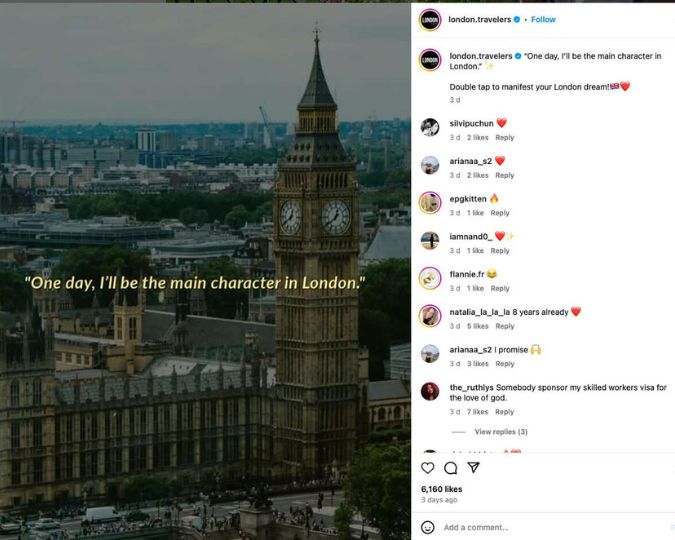
Despite regulatory headwinds, Instagram’s footprint in the UK remains staggering. With approximately 35 million monthly active users, nearly 60% of the UK population aged 13 and older engages with the platform.
Usage Patterns and Saturation
Globally, Instagram’s growth remains robust at 10%, but in the UK, year-over-year growth has slowed to 2.7%. This is not an indicator of decline, but rather a sign of market saturation. UK users remain some of the most dedicated in the world, spending an average of 53 minutes per day on the app—dramatically higher than the global average of 33 minutes. While the rest of the world is just catching up to the "Reels" phenomenon, the British audience has already integrated these immersive formats into their daily digital routines.
Demographic Shifts
The UK user base is increasingly skewing toward a mature, high-purchasing-power audience. While Millennials and Gen Z still dominate, the "25-34" age bracket has solidified its position as the largest single segment. Furthermore, the gender split in the UK stands at 55% female to 45% male, a distinct contrast to the near-parity seen in global statistics. This gender skew continues to make the UK a primary market for beauty, fashion, and wellness brands.
Regional Penetration
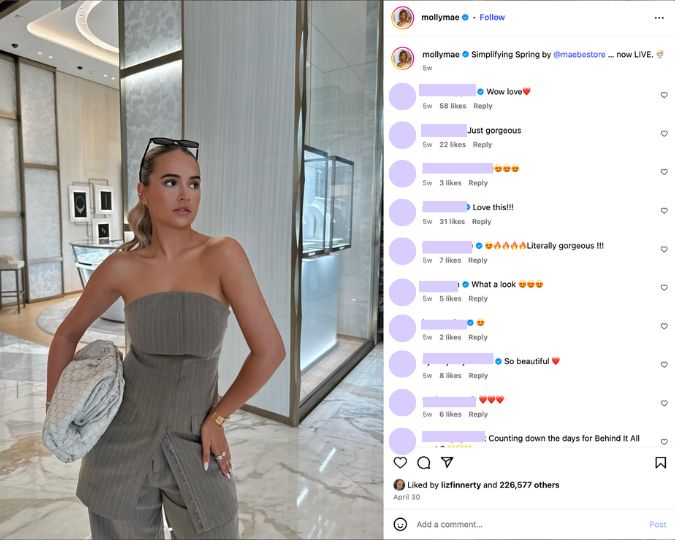
Geography remains a key factor in usage. London continues to lead the country in penetration, with over 50% of the population engaging with the platform monthly. Conversely, regions like the North East (29.6%) and Wales (30.9%) show lower usage, largely correlated with a higher median age. Brands looking to localize their campaigns should note that Instagram success in the UK is heavily tied to the youthfulness and urban density of the target region.
Official Responses and Industry Outlook
Meta has responded to these regulatory pressures with a proactive—if cautious—approach. Through its "Family Centre" and enhanced verification tools, the platform is attempting to demonstrate that it can self-regulate, though the government remains firm on its 2027 deadline.
Marketing leaders have expressed mixed sentiments. While some fear the loss of the under-16 audience, many view the shift toward a "mature" user base as a positive. "The focus is moving from vanity metrics to conversion," says one industry analyst. "Brands that were chasing viral trends for teens are now forced to build real, high-trust relationships with 25-45-year-olds who have actual purchasing power."
Implications for Marketing Strategy
The shift toward an older, more discerning audience requires a complete overhaul of traditional social strategies.
1. From Entertainment to Trust
Because the user base is maturing, the "top-of-funnel" entertainment strategy is no longer enough. Brands must pivot toward high-trust, value-driven storytelling. The goal is no longer just to "get eyes" on a video, but to build an ecosystem of credibility that drives long-term conversion.
2. The Influencer Economy: Beyond Vanity Metrics
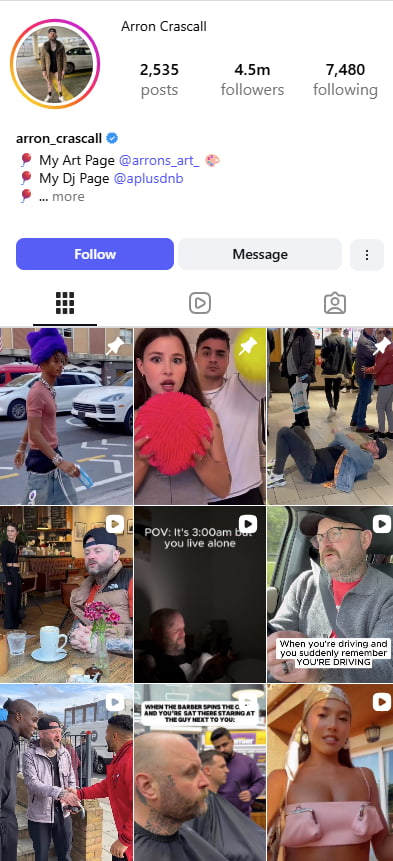
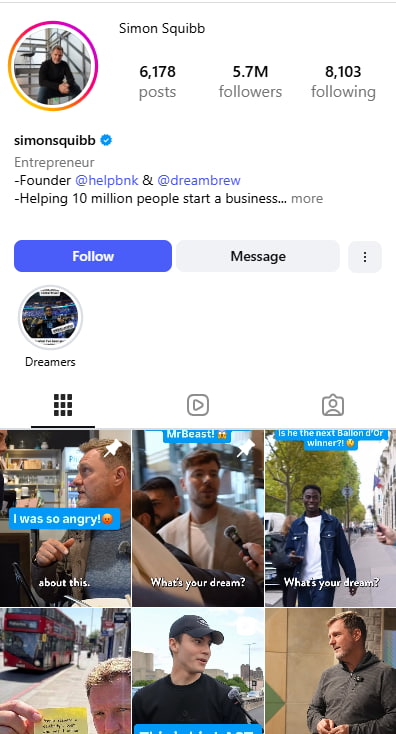
The UK influencer market is undergoing a structural correction. The reliance on follower counts—so-called "vanity metrics"—is being replaced by a focus on Earned Media Value (EMV) and measurable ROI. Creators like Molly-Mae Hague (fashion/lifestyle) and Simon Squibb (entrepreneurship/B2B) highlight the need for alignment between the creator’s authentic voice and the brand’s business objectives. Marketers are encouraged to utilize tools like Sprout Social to pull data directly from official APIs, ensuring that campaign performance is measured by revenue impact rather than likes.
3. Content Format Efficacy
Data suggests a multi-format approach is essential:
- Reels (2.08% Engagement): Essential for discovery and reaching new audiences. Small accounts, in particular, are seeing massive view-rate spikes by leveraging the algorithm’s bias toward vertical video.
- Stories (5–10% Engagement): The gold standard for retention. Because Stories are ephemeral and restricted to followers, they function as a "loyalty loop" for existing customers.
- Carousel Posts (1.7% Engagement): Often overlooked, carousels are critical for increasing the "time spent" on a post, which boosts long-term discoverability.
- Static Images: Despite the video hype, static image ads remain the primary driver for direct revenue growth in the UK.
4. The Perils of Overposting
In the race to stay relevant, many brands fall into the trap of overposting. Data indicates that beyond a certain threshold—typically 3–5 posts per week—the law of diminishing returns kicks in. Overposting risks "content fatigue," where the audience begins to tune out or, worse, unfollow. The solution is experimentation: using tools like Sprout’s ViralPost® to find the precise moment of maximum impact rather than defaulting to a "more is better" philosophy.
Navigating the Future
The UK’s Instagram landscape is not dying; it is growing up. The upcoming 2027 regulations are a signal that the platform has transitioned from a new-media novelty to a foundational pillar of the British digital economy.
For brands, the path forward is clear: move away from the high-volume, low-trust tactics of the past. Embrace data-driven influencer partnerships, prioritize content that builds genuine community trust, and lean into the metrics that directly impact the bottom line. As Instagram enters its 17th year and beyond, the brands that thrive will be those that view the platform not as a place to shout, but as a place to engage with a mature, discerning, and highly valuable British audience.


 Neng Nana
 Nana Wu