

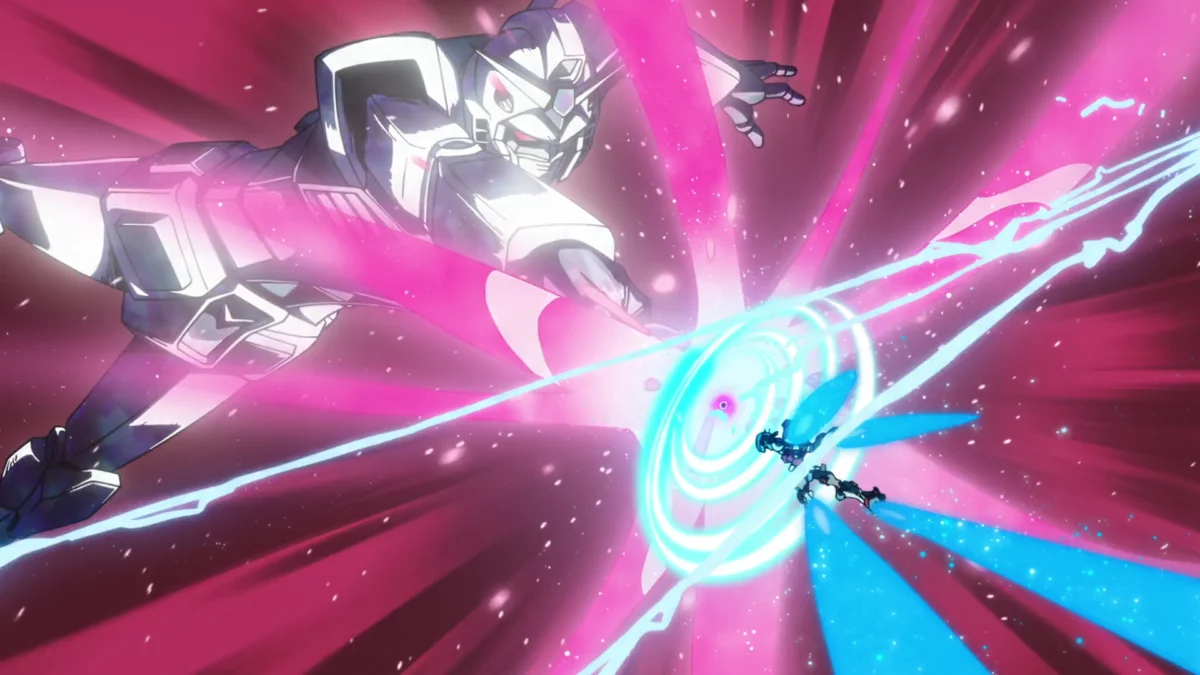
In an era where the global appetite for Japanese animation has transitioned from a niche subculture to a cornerstone of mainstream entertainment, the competition among streaming giants has reached a fever pitch. While Netflix, Sony’s Crunchyroll, and Disney+ have long been viewed as the primary titans in the space, Amazon Prime Video has officially declared its intent to move beyond being a mere participant. During a high-profile international showcase, the company signaled a massive strategic pivot, aiming not just to compete, but to become the "global hub" for anime and related content by 2026.
The Proclamation: Amazon’s Ambition for Global Leadership
The bold declaration of Amazon’s future trajectory was delivered by Gaurav Gandhi, Prime Video’s Vice President for the Oceania region, during the Prime Video Presents: International Originals online showcase held on February 12th. Gandhi’s address served as a manifesto for the company’s vision, positioning anime as the spearhead of their broader international content strategy.
Addressing a global audience of viewers and industry stakeholders, Gandhi characterized the anime medium as one that is "truly experiencing explosive growth." He did not mince words regarding Amazon’s ultimate goal: "Given that we are the home for the best anime in Japan, we want to become the preferred destination for anime content globally too."

This statement marks a significant departure from Amazon’s previous, more conservative approach to anime licensing. For years, Prime Video was perceived as a secondary player compared to the dedicated library of Crunchyroll or the massive original production budget of Netflix. However, the 2026 roadmap suggests that Amazon is now willing to leverage its massive infrastructure and deep pockets to secure exclusive, high-impact intellectual properties (IP) that can drive subscriptions on a global scale.
Chronology of a Growing Library: From "Anime Strike" to Global Powerhouse
To understand Amazon’s current trajectory, one must look at the evolution of its relationship with the medium. In the mid-2010s, Amazon attempted to enter the market with "Anime Strike," a paid add-on channel that was met with mixed reviews and eventual dissolution. Following that experiment, the company shifted toward a more integrated model, slowly acquiring high-profile exclusives such as Vinland Saga, Dororo, and the Evangelion: 3.0+1.0 Thrice Upon a Time film.
The current strategy, as outlined in the February showcase, represents the third and most aggressive phase of this evolution. Amazon has moved from passive licensing to active co-production and "tentpole" exclusive distribution.
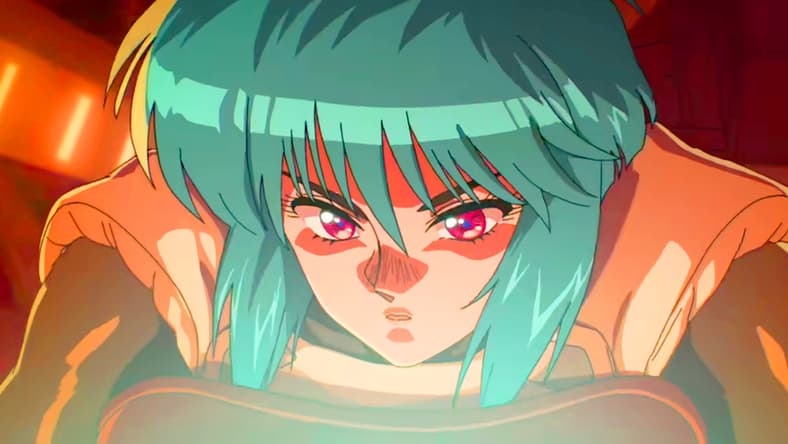
The foundation of this new era is built upon several key titles currently available or recently concluded on the platform, including:
- City the Animation: A quirky, high-energy adaptation that appealed to the "slice-of-life" demographic.
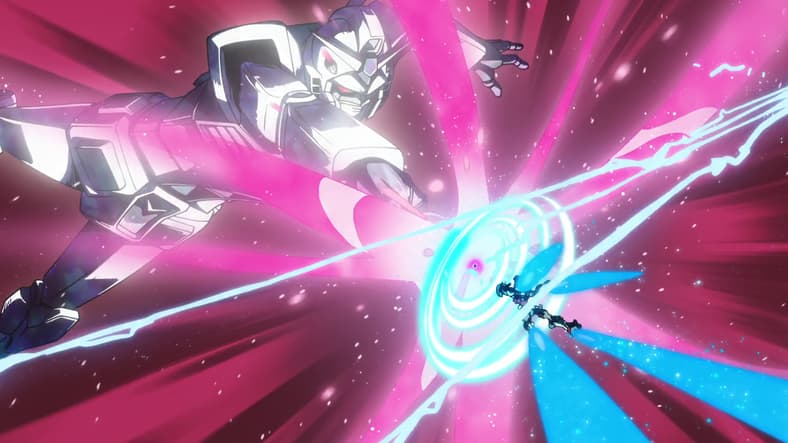
- Mobile Suit Gundam GQuuuuuuX: A 2025 standout from Studio Khara that modernized the mecha genre while maintaining the political gravity the Gundam franchise is known for.
- New Panty & Stocking with Garterbelt: A cult-classic revival that demonstrated Amazon’s willingness to host more "edgy" and experimental content.
By securing these titles, Amazon has tested the waters of the "otaku" demographic, proving it can handle simultaneous global releases and high-quality localization.
Supporting Data: The 2026 Tentpole Releases
The success of Amazon’s bid for dominance rests on three major upcoming productions scheduled for 2026. These titles represent a diverse cross-section of the anime market, targeting nostalgic older viewers, sci-fi enthusiasts, and the "isekai" or fantasy-loving younger demographic.
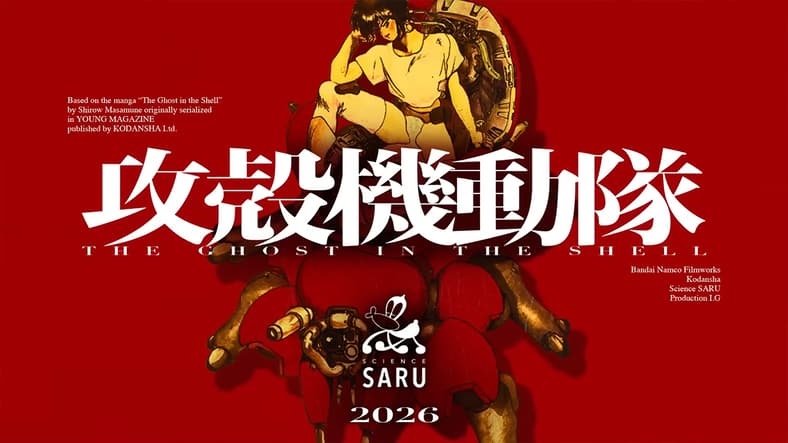
1. The Ghost in the Shell (2026) – Science Saru
Perhaps the most significant jewel in Amazon’s 2026 crown is the new adaptation of The Ghost in the Shell. Gandhi described the IP as "the most influential Japanese sci-fi work of all time."
This project is a collaborative powerhouse, featuring a production committee that includes Bandai Namco Filmworks, Kodansha, and the legendary Production I.G. The animation itself will be handled by Science Saru, the studio known for its fluid, avant-garde style in works like Devilman Crybaby and Keep Your Hands Off Eizouken!. Set to premiere in July 2026, this series is expected to be a visual and philosophical tour de force, aiming to reclaim the franchise’s prestige on the global stage.
2. Fist of the North Star: Hokuto No Ken – TMS Entertainment
To celebrate the 40th anniversary of the original anime, Amazon has secured the reboot of Fist of the North Star. Gandhi noted that "few properties can match the cultural impact" of Kenshiro’s journey. By partnering with TMS Entertainment, Amazon is tapping into the "retro-revival" trend, bringing a 1980s icon to a generation of viewers who grew up on modern shonen but crave the grit of the classics. This title is slated for a late 2026 release.
3. From Old Country Bumpkin to Master Swordsman (Season 2)
Proving that they are also focused on data-driven hits, Amazon confirmed the return of this fantasy series. According to industry data shared during the showcase, the first season ranked among Prime Video’s top ten titles in 45 different countries. The renewal of this series highlights Amazon’s commitment to the "swords and sorcery" genre, which remains a consistent viewership driver across Europe and North America.
Official Responses and Regional Strategy
The "Oceania" focus of Gandhi’s presentation was no coincidence. Amazon’s strategy is heavily rooted in the Asia-Pacific (APAC) region, which serves as both the primary producer of this content and a massive, burgeoning consumer market.
Gandhi emphasized the "extraordinary opportunity" to bridge the gap between regional entertainment ecosystems and the global audience. "There’s tremendous appetite for content from this region outside its home countries—whether it’s Japanese anime, Korean dramas, or Indian films and series," he stated.

By positioning Prime Video as a "uniquely positioned" champion of Asian content, Amazon is attempting to create a "one-stop-shop" for Eastern media. This is a direct challenge to Netflix’s heavy investment in K-dramas and Crunchyroll’s singular focus on anime. Amazon’s value proposition is its breadth; a single Prime subscription offers access to a diversified portfolio of Asian media that few other platforms can match in a unified interface.
Implications: The Rise of "Anime Content" and Live-Action Frontiers
A subtle but critical detail in Gandhi’s presentation was his specific use of the phrase "anime content" rather than simply "anime." In the world of corporate semantics, this often hints at a broader scope of entertainment that extends beyond traditional 2D animation.
The Live-Action and Tokusatsu Potential
Industry analysts suggest that Amazon may be looking to emulate the success of Netflix’s One Piece or YuYu Hakusho live-action adaptations. By securing the rights to "anime content," Amazon could be paving the way for high-budget, live-action versions of their animated hits.

Furthermore, there is significant speculation regarding a return to tokusatsu (special effects-heavy live-action). Amazon has a history with this genre, having previously collaborated with Toei for mature reimaginings like Kamen Rider Amazons and Kamen Rider Black Sun. While these projects eventually "petered out," the new 2026 strategy suggests a renewed interest in "otaku-adjacent" content. If Amazon can successfully produce a global live-action hit based on an anime IP, it would solidify its position as a creative powerhouse, not just a distributor.
Market Fragmentation and the Consumer Experience
For the average consumer, Amazon’s aggressive move into anime signifies a further fragmentation of the streaming landscape. As more high-profile titles become "platform exclusives"—such as Ghost in the Shell moving to Prime—fans may find themselves needing multiple subscriptions to keep up with the seasonal slate.
However, Amazon’s entry also brings the benefit of "Big Tech" resources. This includes potential improvements in streaming bitrates, more robust global server support for simultaneous launches, and the integration of X-Ray features (Amazon’s proprietary tech that provides actor and trivia info) into the anime viewing experience.

The Creative Impact
By funding studios like Science Saru and TMS Entertainment, Amazon is providing a financial lifeline to an industry often criticized for low wages and grueling schedules. If Amazon moves toward a model of higher-budget, prestige "Originals," it may force a shift in the production committee system, potentially leading to better-funded projects with longer production cycles—a win for both creators and fans.
Conclusion: A New Era for Prime Video
As 2026 approaches, the "Anime Wars" are entering a decisive phase. Amazon Prime Video is no longer content with being the "other" streaming service on a fan’s phone. By securing legendary franchises like The Ghost in the Shell and Fist of the North Star, and by leaning into the broader Asian entertainment ecosystem, Amazon is making a play for the very heart of the global fandom.
Whether they can truly unseat established giants like Crunchyroll remains to be seen, but one thing is clear: the "preferred destination" for anime is a title Amazon is now willing to fight for with unprecedented vigor. The upcoming July 2026 premieres will be the first true test of whether this "explosive growth" strategy will result in a total market takeover.










No comments yet. Be the first to join the conversation!