By Matthew Wilson | Tech News & Gaming Analysis
The era of the physical game disc, once the bedrock of the home console experience, is rapidly drawing to a close. For years, the gaming community has debated the inevitability of an all-digital future, weighing the convenience of instant downloads against the permanence and collectibility of physical media. Now, those debates have reached a definitive conclusion. Sony Interactive Entertainment’s long-gestating plan to phase out physical PlayStation game media is no longer a speculative roadmap—it is an operational reality.
Recent reports confirm that the infrastructure supporting the manufacture of PlayStation Blu-ray discs is being actively dismantled and repurposed. This move signals that Sony’s 2028 deadline for the total cessation of physical disc production is not merely a goal, but a firm commitment that even intense fan outcry is unlikely to derail.
The Evidence: From Blu-rays to Micro-optics
The primary indicator of this shift comes from the heart of Sony’s supply chain in Austria. DADC, the manufacturing powerhouse responsible for producing physical game discs for the PlayStation ecosystem, is currently undergoing a radical transformation. According to a report from ORF.at, the facility that once hummed with the production of millions of game discs is being retooled to manufacture micro-optical lenses.
This pivot is not a minor adjustment; it represents a fundamental change in the facility’s purpose. DADC’s leadership has confirmed that they have seen a dramatic, precipitous decline in order volumes for physical media. Previously, PlayStation disc production accounted for approximately 50% of the factory’s total output. By 2028—the year Sony intends to exit the physical market entirely—that figure is projected to plummet to a mere 10%.
To facilitate this transition, Sony has reportedly invested €30 million to modernize the factory and equip it for the production of advanced micro-optical technology. While the pivot marks the end of an era for game collectors, DADC has assured its workforce that the retooling process will not result in job losses, aiming to transition existing staff to the new production lines.
A Chronology of the Shift
The transition to an all-digital ecosystem has been a gradual, calculated process rather than a sudden pivot. To understand how we arrived at this juncture, one must look at the incremental steps Sony has taken over the last decade:

- 2013–2016: The introduction of the PlayStation 4 saw the rise of the PlayStation Store as a primary storefront. While physical media remained dominant, the groundwork for digital library management was solidified.
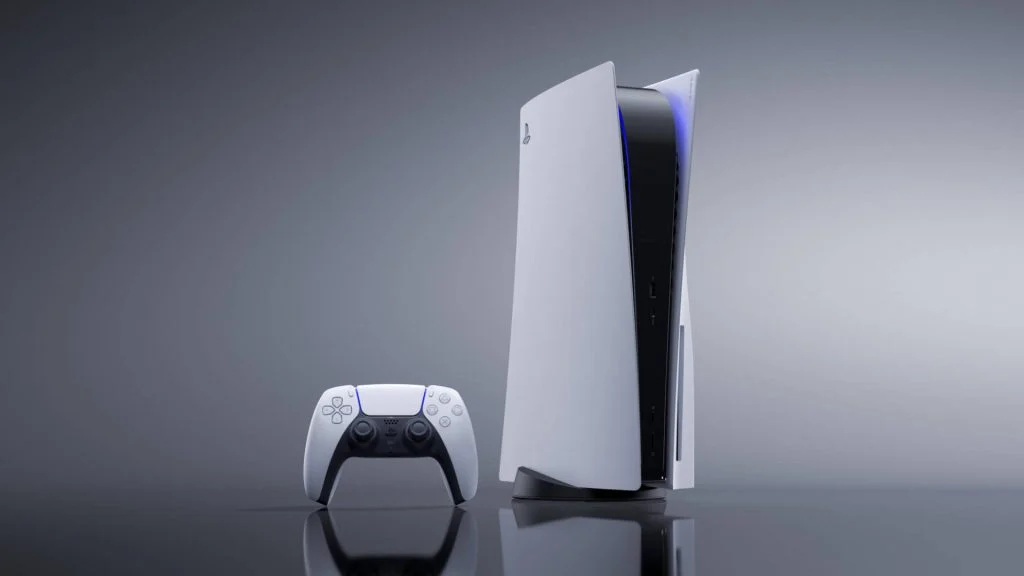
- 2020: The launch of the PlayStation 5 brought the first "Digital Edition" console. This was a watershed moment, as it introduced a hardware SKU that lacked an optical drive entirely, normalizing the idea that a high-end console could exist without physical support.
- 2023–2024: The introduction of the PS5 "Slim" and the removable disc drive accessory further signaled that Sony viewed the optical drive as an optional, rather than integral, component of the gaming experience.
- 2025: Current reports indicate the formalization of the 2028 "sunset" date for physical production, with factories beginning the transition to non-gaming hardware.
This timeline demonstrates that Sony has been systematically decoupling its software ecosystem from its hardware manufacturing requirements, effectively conditioning the consumer base to accept digital-first distribution.
Supporting Data: The Decline of the Disc
The shift away from physical media is not a decision made in a vacuum; it is driven by undeniable market data. The gaming industry has seen a massive surge in digital revenue over the past five years. According to industry analysts, digital sales now account for over 80% to 90% of total game revenue for major publishers, including Sony.
The economics are simple: digital distribution eliminates the costs associated with manufacturing, shipping, warehousing, and retail distribution. For a company like Sony, the profit margins on digital sales are significantly higher. Furthermore, the digital model grants Sony absolute control over the consumer experience. They can dictate pricing, manage digital rights (DRM), and effectively kill the second-hand market—a move that ensures all revenue from a title flows directly back to the publisher and developer, rather than to third-party resellers.
The "death of the disc" is also tied to the changing nature of modern gaming. Games are rarely "finished" upon release; they require day-one patches, live-service updates, and constant connectivity. A physical disc, in many cases, is now little more than a "license key" that triggers a massive download. Given this, the consumer value proposition of the disc—the ability to own and play a complete game offline—has been eroding for years.
Official Responses and Strategic Silence
Sony has remained characteristically guarded regarding its long-term manufacturing strategy. While the company has not issued a global press release announcing the "death of physical media," its actions speak louder than any corporate statement.
Industry analysts suggest that Sony is intentionally avoiding a "hard announcement" to prevent a backlash from its most loyal, collector-focused customers. By allowing the transition to happen organically through supply chain shifts and by offering digital-only consoles, Sony is attempting to "boil the frog"—gradually increasing the temperature until the shift to an all-digital future feels inevitable rather than forced.
When asked for comment on the DADC factory repurposing, Sony representatives generally point to the company’s "commitment to providing the best gaming experience across all formats," while failing to explicitly deny the long-term phase-out of physical media. This strategic silence is designed to keep the focus on current hardware sales while the logistical reality of the 2028 deadline is finalized behind closed doors.
Implications for the Future of Gaming
The implications of this transition are profound, touching on issues of ownership, preservation, and accessibility.
1. The Death of Ownership
When a user buys a physical disc, they own a tangible copy of the software. When they buy a digital game, they are purchasing a revocable license to access that software. If a publisher decides to delist a game, or if a platform holder shuts down its servers, the digital consumer has no recourse. The move to digital-only gaming places the power of "digital permanence" entirely in the hands of the corporations.
2. The Preservation Crisis
Video game preservationists have long warned that digital-only distribution is a disaster for history. Physical discs allow games to be archived and played on original hardware decades later. In a digital-only world, games are tethered to the lifespan of the platform’s servers. Once those servers go offline, the software effectively ceases to exist, leaving a permanent hole in the cultural record of interactive media.
3. The Second-Hand Market
The physical disc market is the only way for players to trade, sell, or lend games. By eliminating the disc, Sony effectively eliminates the secondary market. This ensures that every new player must pay full price (or wait for a digital sale) for every title, maximizing the publisher’s cut but stripping the consumer of the agency they previously enjoyed.
4. Accessibility and Infrastructure
While digital distribution is convenient for those with high-speed, reliable internet, it marginalizes players in rural areas or regions with poor connectivity. For these users, a 100GB game download is a significant hurdle, if not an impossibility. Sony’s move effectively forces a "one-size-fits-all" digital requirement on a global audience with vastly different infrastructure realities.
Conclusion: An Irreversible Tide
As the factory floors of DADC are repurposed to build micro-optics rather than PlayStation discs, the writing is on the wall. The transition away from physical media is no longer a matter of "if," but "when." While fans may hold out hope for a reversal, the scale of the investment—the millions of euros being spent to pivot these facilities—suggests that Sony has passed the point of no return.
The industry is entering a new chapter, one defined by subscription services, cloud streaming, and digital storefronts. For the collector and the advocate of digital ownership, this is a somber turning point. By 2028, the physical game disc will likely be a relic, a nostalgic artifact of a time when the software you bought was something you could hold in your hand. The digital sunset is upon us, and it seems there is no turning back the clock.