

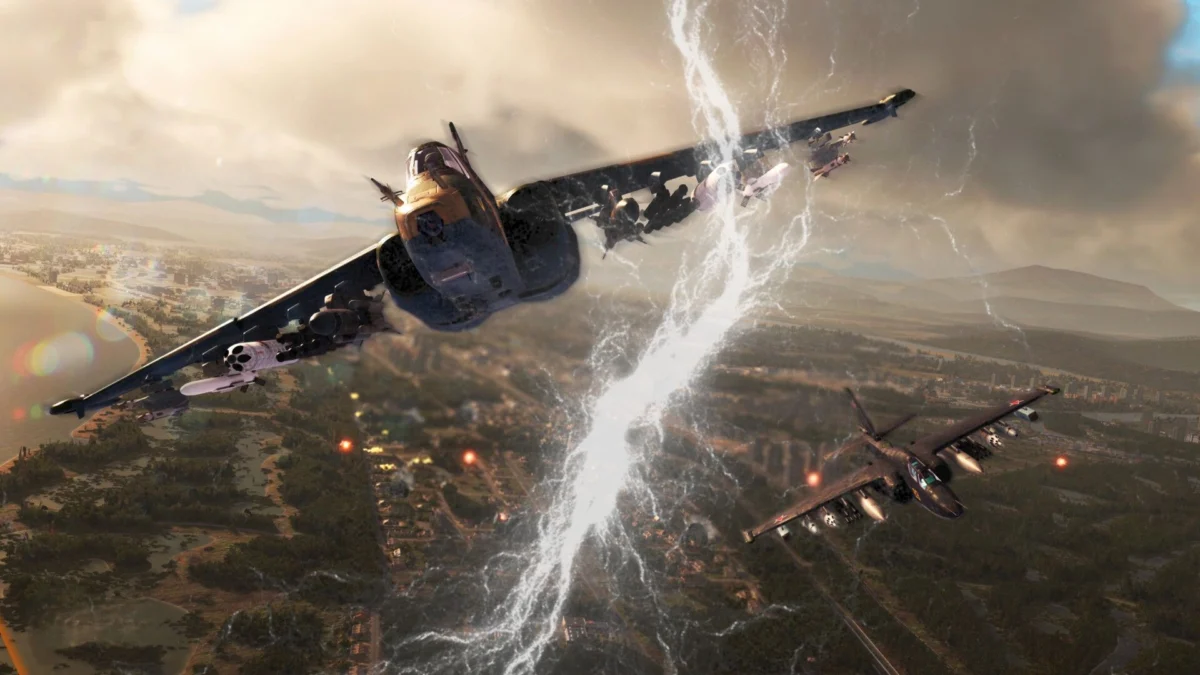
When the Public Test Environment (PTE) for the acclaimed military real-time strategy (RTS) title Broken Arrow launched in early May 2026, the community’s expectations were remarkably humble. Players and developers alike viewed the branch as a necessary, surgical tool—a way to tweak tank armor values and refine unit lethality to address long-standing complaints about the game’s meta. It was, in theory, a routine balancing act.
However, thirty days later, the atmosphere surrounding the game has shifted from optimism to alarm. The proposed changes emanating from this playtest have sparked a firestorm, leading the developer, Steel Balalaika, to propose a radical shift in how the game is delivered: maintaining two completely separate, bifurcated branches. For a game that has already weathered severe storms of controversy, this latest development feels less like a balancing patch and more like an existential threat to its competitive future.
The Chronology of a Crisis
Broken Arrow has been a volatile success story since its June 19, 2025, launch. Developed by Steel Balalaika and published by Slitherine Ltd., the title was hailed for its hyper-realistic approach to modern tactical warfare. Yet, the road to success was paved with friction.
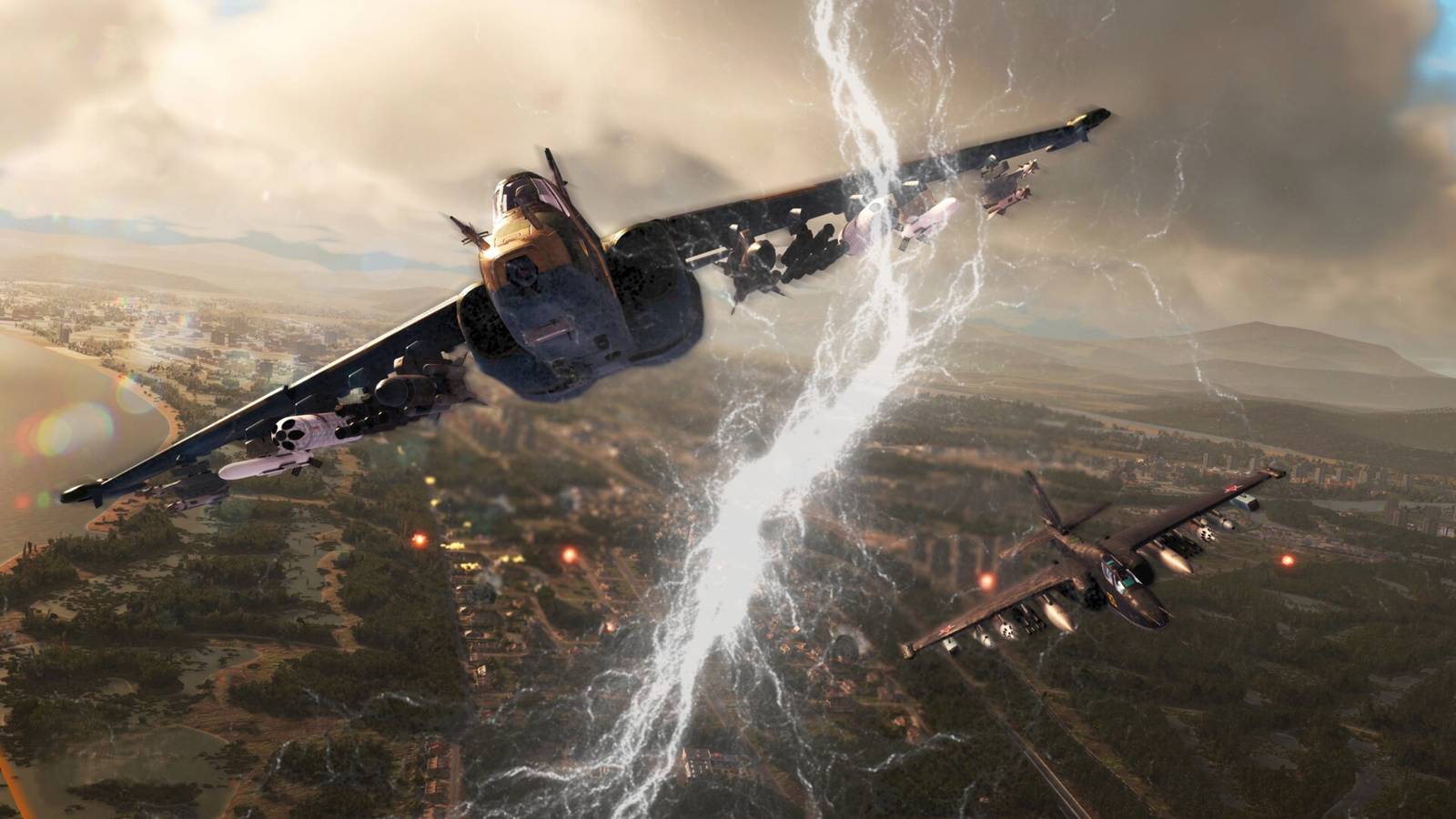
Early in its lifecycle, the game faced intense backlash regarding its forced multiplayer-centric design, which initially locked players out of solo AI skirmishes. This was followed by a highly publicized, racially charged cheating scandal involving segments of the international player base, which led to review-bombing campaigns and a fractured community identity.
Throughout late 2025 and early 2026, the developers fought an uphill battle to restore trust, implementing sophisticated anti-cheat measures and attempting to standardize the user experience. By May 2026, the game had reached a state of "fragile equilibrium." The announcement of the PTE was intended to be the final step in refining the core experience. Instead, the feedback loop between the "hardcore" enthusiast sector and the broader casual player base revealed a fundamental ideological divide within the community regarding what Broken Arrow should be.
The Bifurcation: A Tale of Two Games
The current controversy centers on a recent communiqué from Steel Balalaika. Faced with conflicting demands—one group clamoring for a more accessible, "arcade-style" experience and another demanding deep, unforgiving, and lethal tactical realism—the developers have signaled an intent to split the game’s future.

Under this proposed roadmap, the "Vanilla" (or Arcade) version of Broken Arrow will serve as the baseline for the wider audience, prioritizing balance, pacing, and approachability. Simultaneously, a "Hardcore" branch will exist, functioning as a dedicated testing ground where lethality is dialed to the maximum, and tactical mechanics are stripped of "safety nets."
While the developer insists this move is designed to avoid "creating a Frankenstein" of a game that tries to please everyone and satisfies no one, the optics are disastrous. By formalizing this split, Steel Balalaika risks diluting the very identity of the game. A strategy title, particularly one of this complexity, relies on a unified community to sustain its competitive scene, its meta-game discussions, and its long-term development sustainability.
Supporting Data and the Player Base Dilemma
The timing of this pivot is particularly precarious. According to Steam and third-party tracking metrics, the player count for Broken Arrow has been on a slow, consistent decline over the last two months. While the game remains a significant player in the RTS space, the downward trend is undeniable.
The decision to split the development pipeline is a high-stakes gamble that requires resources the studio may not have in abundance. Maintaining two distinct versions of the game means doubling the QA testing requirements, bifurcating the bug-fix pipeline, and complicating the deployment of new content. If the team struggles to balance one version of the game effectively, the logistical nightmare of balancing two separate versions could lead to a rapid degradation of quality across the board.
Furthermore, the "Hardcore" branch risks becoming an echo chamber for the most vocal, but perhaps not the most representative, portion of the player base. History in the RTS genre—from Company of Heroes to Steel Division—suggests that games that rely on community-driven balancing often suffer when the developers cede too much control to the "pro" meta-gamers, who often prioritize niche mechanics over broad, accessible fun.
Official Responses and Developer Intent
In their communication, Steel Balalaika has framed this decision as a "noble compromise." They have stated that their goal is to keep the community intact by giving everyone the experience they desire. However, industry veterans are viewing this with skepticism.
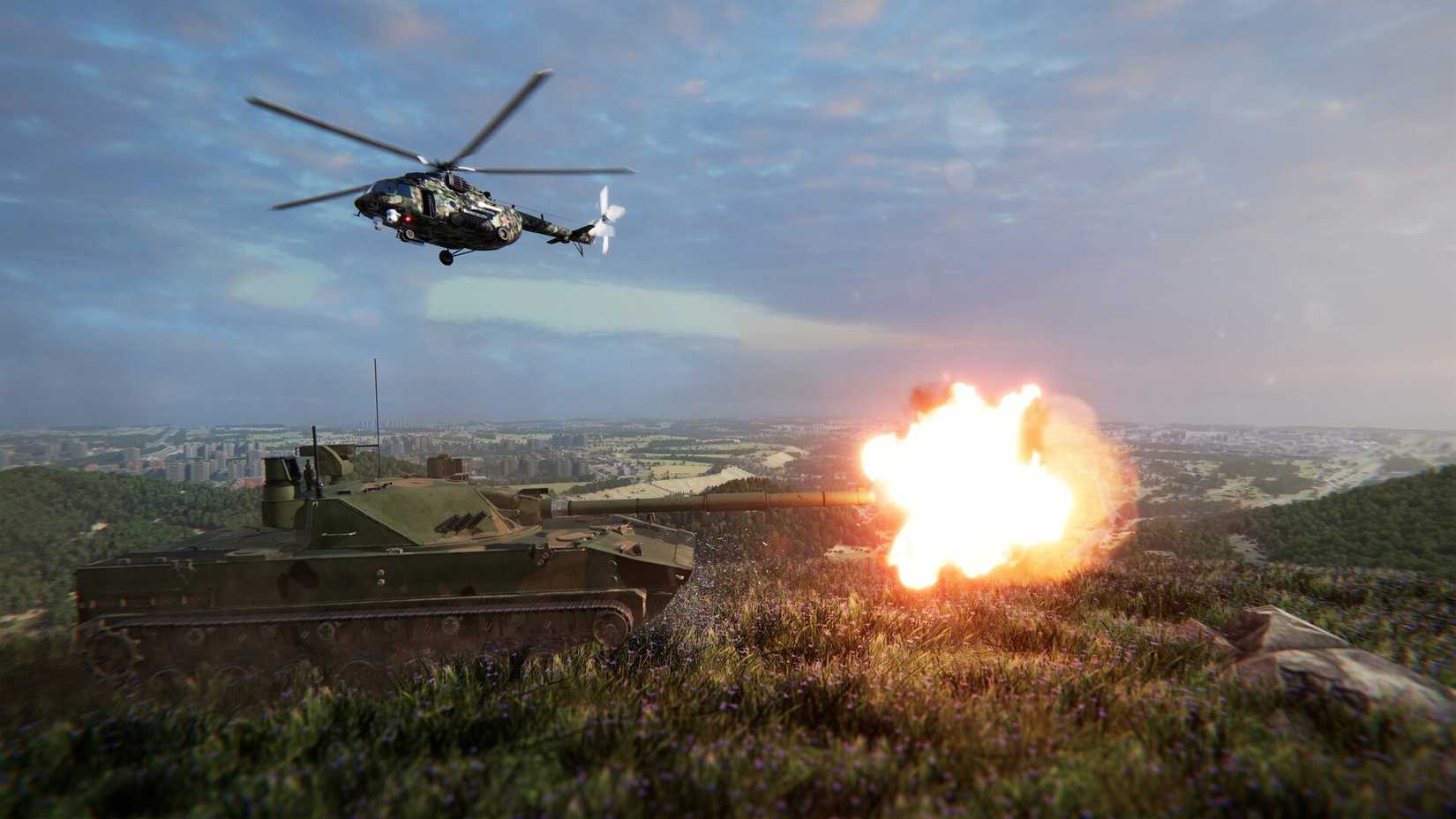
The developers have noted that they are aware of the risks of "tearing the audience apart," yet they maintain that the current conflict between playstyles is fundamentally unresolvable within a single build. Their argument is that the "lethality" desired by the hardcore crowd creates a frustrating experience for new players, while the "safety" desired by the casual crowd bores the tactical enthusiasts.
The developer response highlights an unfortunate reality: the studio may feel that the only way to silence the constant, toxic infighting on their forums is to physically separate the combatants. While this solves the immediate PR issue of constant player conflict, it abandons the traditional role of a developer as the ultimate arbiter of the game’s vision.
The Implications: What This Means for 2025’s Best Strategy Game
The implications of this strategy are profound, particularly for the game’s competitive integrity. In a standard, unified competitive game, Elo ratings and seasonal rankings serve as the bedrock of the community. If Broken Arrow shifts to two builds, the ranking system becomes effectively meaningless.
How does one compare the tactical prowess of a player in the "Vanilla" league against one in the "Hardcore" league? How can the community maintain a singular, authoritative meta when the game rules vary depending on which branch you launch? The dilution of the player base will inevitably lead to longer queue times, less variety in match-ups, and a fractured tournament scene.
Moreover, the precedent this sets is dangerous. If developers decide that the answer to balancing disagreements is to simply provide a different version of the game, we may see the end of the "definitive" competitive RTS experience. Balancing is an art form that requires making difficult, sometimes unpopular decisions. By abdicating this responsibility, Steel Balalaika is inadvertently telling its players that they aren’t confident in their ability to design a game that works for everyone.
The Road Ahead
As of late May 2026, the community remains divided. On one side, hardcore enthusiasts celebrate the opportunity for a more punishing, "realistic" experience. On the other, more casual players fear that their game is being abandoned or, worse, that they will be left with a watered-down, "safe" version that lacks the intensity that made Broken Arrow a breakout hit in the first place.
The lessons from other modern titles, such as Helldivers 2, are clear: while the community will always complain about balance, the worst thing a developer can do is lose focus. A clear, singular vision—even a controversial one—is what keeps a community invested. By attempting to be everything to everyone, Broken Arrow risks becoming nothing to anyone.
The next few months will be a crucible for Steel Balalaika. If they proceed with this bifurcation, they must find a way to keep both communities feeling valued, or they risk the very collapse they are trying to prevent. For a game that promised to bring "balance" to the genre, the irony is not lost on the community: in their pursuit of perfect balance, the developers might just end up destroying the game entirely. The "darkness" that Obi-Wan warned of is not a lack of features or a lack of realism; it is a lack of unity. Whether the studio can pull back from this precipice remains the single most important question in the world of strategy gaming this year.









No comments yet. Be the first to join the conversation!