In the ever-crowded landscape of modern streaming, few creators have managed to capture the frantic, messy, and deeply relatable essence of youth quite like Mindy Kaling. From the academic pressures of Never Have I Ever to the collegiate chaos of The Sex Lives of College Girls, Kaling has established herself as the preeminent architect of the "coming-of-age" genre. However, her latest venture into the professional sphere, Hulu’s Not Suitable for Work, has met a premature and perplexing end.
Despite critical praise for its sharp dialogue and its authentic, grounded portrayal of entry-level professional life in New York City, the series has been canceled after just one nine-episode season. The sudden shuttering of the project leaves a narrative void and a slew of unanswered questions for its devoted, albeit small, audience.
The Premise: A Reality Check for the NYC Dream
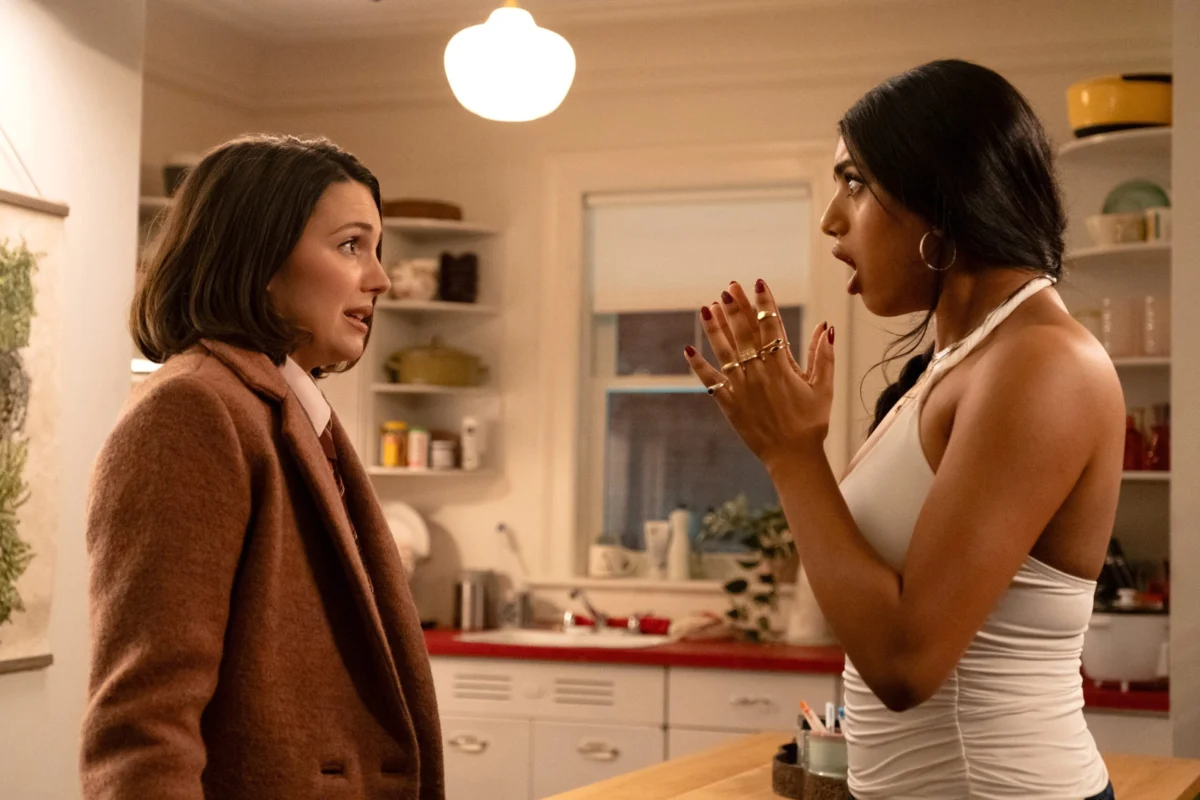
Not Suitable for Work arrived on Hulu in early June 2026, positioning itself as a successor to the Kaling empire of teen-to-young-adult dramedies. The show followed a quintet of twenty-somethings attempting to secure a foothold in the notoriously unforgiving NYC job market: two high-strung investment bankers, an aspiring thespian, a "nepo-baby" navigating a prestigious newsroom, and a fashion stylist fighting for creative autonomy.

Unlike many of its predecessors, the show eschewed the hyper-stylized melodrama often found in "city-living" shows. Instead, it focused on the granular, often mundane struggles of early adulthood: the awkwardness of office politics, the crushing reality of rent-stabilized apartment living, and the identity crisis that occurs when your career doesn’t provide the fulfillment you were promised in your early twenties.
Chronology of a Short-Lived Series
The trajectory of Not Suitable for Work was brief, marked by a rapid rise in critical interest followed by a sudden stagnation in viewership numbers.
- Early June 2026: The series premieres on Hulu to moderate fanfare. Early reviews praise the chemistry between leads Ella Hunt and Avantika, noting the show’s "refreshingly cynical" take on the gig economy.
- Late June 2026: Mid-season, social media discourse begins to bubble. While critics laud the show’s realism, some viewers express frustration that the show lacks the "escapist" qualities of Kaling’s previous projects.
- July 2026: The series finale airs, delivering a series of high-stakes cliffhangers that set the stage for a sophomore season—a season that, in retrospect, was already in jeopardy.
- August 2026: Following a review of performance metrics and internal cost-benefit analyses, Hulu confirms that Not Suitable for Work will not return for a second season.
Supporting Data: The "Oversaturation" Crisis
Industry analysts point to a "perfect storm" of factors that contributed to the show’s cancellation. The market is currently saturated with shows attempting to capitalize on the "urban professional" aesthetic. Titles like Adults and I Love L.A. have effectively claimed the lion’s share of the demographic that Not Suitable for Work was targeting.

Streaming data suggests a growing fatigue among viewers regarding "realistic" portrayals of city life. In a post-pandemic media landscape, audiences appear to be gravitating toward the high-octane absurdities of genre fiction—love triangles, high-stakes mystery, and supernatural elements—rather than the slow-burn anxiety of entry-level career advancement.
Furthermore, the "nepo-baby" trope, which the show utilized as a key character arc, has seen diminishing returns in public interest. While the writing was praised for its cleverness, the narrative device failed to hook the casual viewer who may have been scrolling through Netflix or Disney+ in search of more "event-style" television.
Official Responses and Industry Sentiment
Neither Mindy Kaling’s production banner, Kaling International, nor Hulu/Disney has provided a detailed post-mortem on the decision. However, in a brief statement, a representative for the platform cited "a shifting strategy regarding original scripted content and a focus on high-retention genre programming."

Industry insiders suggest that this is part of a broader industry trend toward "frugal streaming." With production costs for NYC-based location shoots rising, platforms are increasingly hesitant to renew series that do not demonstrate an immediate, massive viral reach. Not Suitable for Work was a "slow burn" show in a "fast-click" economy.
The Five Unresolved Mysteries
The most painful aspect of the cancellation for fans is the lingering nature of the season one finale. Now that the series has been unceremoniously shelved, these five questions will likely never see a resolution:
- The Investment Banking Betrayal: The finale teased a massive moral compromise by the show’s banking duo. We will never know if the truth about their "creative" accounting was leaked to HR or if they managed to ascend the corporate ladder on a foundation of lies.
- The Thespian’s Big Break: After a season of rejection, the show’s aspiring actor finally landed a call-back for a major commercial. Will the audition prove to be the start of a career, or just another industry scam?
- The Newsroom Hierarchy: The tension between the newsroom "nepo-baby" and their direct supervisor reached a boiling point in the finale. The power dynamic was primed for a total collapse, but the audience is left hanging on the precipice of that fallout.
- The Stylist’s Artistic Compromise: In the final scene, the fashion stylist was offered a job that required them to sacrifice their personal ethics for a high-profile client. The decision was meant to be the core of the second season’s character arc.
- The Apartment Lease: The show’s grounding element was their shared living space. With the threat of a building buyout looming, the future of their home—and their domestic stability—remains in limbo.
Implications for the Future of Dramedy
The cancellation of Not Suitable for Work carries significant implications for the future of the dramedy genre. It signals that even high-profile creators like Kaling are not immune to the harsh realities of the current streaming climate.

If a show that is "realistic," "believable," and "sharp" cannot survive, what does that say about the future of mid-budget television? It suggests a move toward binary extremes: either high-budget spectacles (like House of the Dragon or Stranger Things) or incredibly low-cost, unscripted reality television.
The middle-class, character-driven dramedy—the kind that defined television in the 2010s—is fighting for its life. Not Suitable for Work might have been an accurate mirror of the modern professional experience, but as it turns out, audiences may be looking for a window into another world, rather than a mirror reflecting their own daily grind.
As we bid farewell to this group of young dreamers, we are left to wonder if the "golden age" of teen and twentysomething TV has finally shifted gears. Not Suitable for Work was a show that understood the exhaustion of the modern age; unfortunately, it was a victim of the very market forces it sought to critique. For now, the files are closed, the offices are empty, and the unanswered questions remain exactly that: unanswered.