

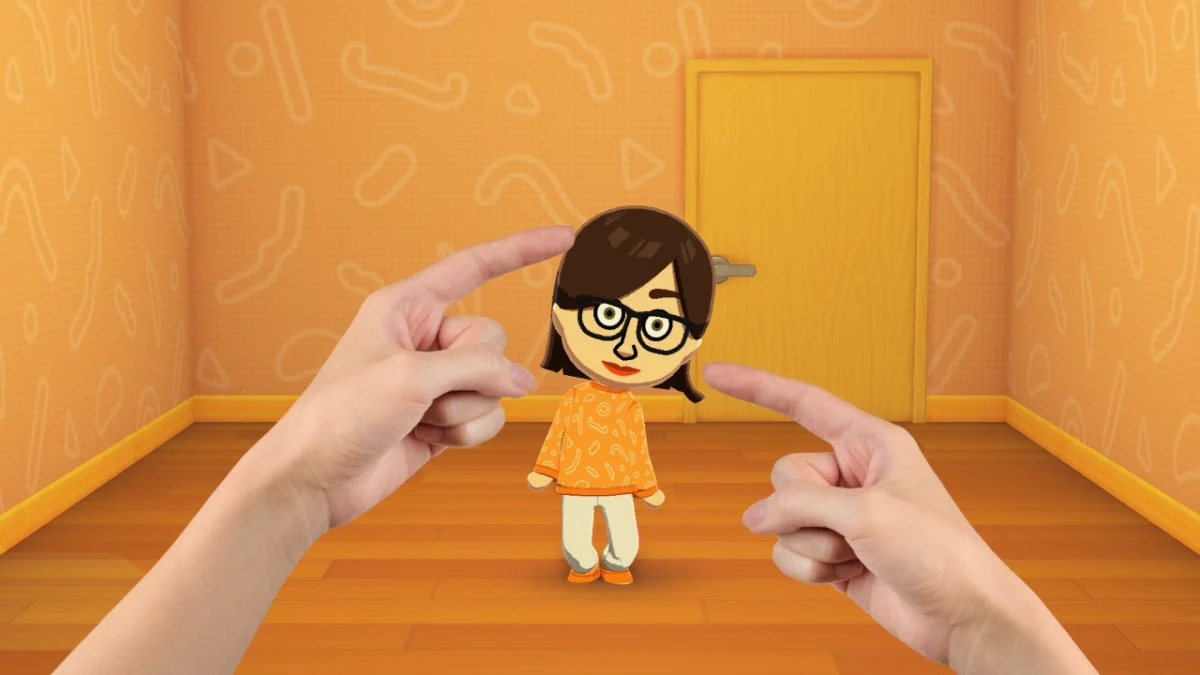
London, UK – May 15, 2026 – The latest data from leading analytics firm Newzoo for April 2026 reveals a dynamic and competitive global video game market, with Nintendo’s highly anticipated social simulation title, Tomodachi Life: Living the Dream, emerging as the undisputed revenue champion. The game not only secured the top spot for new releases in 2026 to date but also led Newzoo’s overall console revenue chart for April across key Western markets. This stellar performance underscores the enduring power of established intellectual properties and Nintendo’s robust console ecosystem, even as emerging titles strive to carve out their niche amidst dominant live-service giants.
The report, which covers revenue performance in the US, UK, Germany, France, Spain, and Italy, highlights a fascinating interplay between fresh experiences and entrenched player routines. While several new games like Capcom’s Pragmata and the indie sensation Windrose made impressive debuts, Newzoo’s analysis emphasized the persistent challenge for new IPs to "displace mature live-service ecosystems once player routines, progression systems, and social networks become established." This observation sets a crucial context for understanding the broader trends shaping the industry in mid-2026.
Main Facts: A Snapshot of April 2026’s Gaming Landscape
April 2026 proved to be a pivotal month for the gaming industry, marked by both expected successes and surprising breakthroughs. At the forefront was Tomodachi Life: Living the Dream, which unequivocally claimed the title of the top new release by revenue for 2026 thus far. Its exceptional performance propelled it to the #1 position on Newzoo’s overall console revenue chart for April, a testament to Nintendo’s formidable install base and the enduring appeal of the social simulation genre. This success was corroborated by Circana (formerly NPD Group), which reported that the title significantly boosted US consumer spending on new physical software by a remarkable 44%.
Beyond Nintendo’s triumph, Capcom’s long-awaited new intellectual property, Pragmata, made a notable entry into the Top 10 on both console and PC revenue charts following its April 17 launch. Newzoo attributed its strong showing to "differentiated gameplay dynamics," suggesting that innovation and a unique player experience are still critical for breaking through in a crowded market.
On the PC front, the pirate adventure Windrose burst onto the scene, debuting at an impressive third place on the PC revenue charts, trailing only behind the perennial powerhouses Fortnite and Counter-Strike 2 & Go. Its rapid success was underscored by selling over one million copies in just its first six days, signaling a significant appetite for well-executed new concepts.
Established franchises also demonstrated their continued relevance. NBA 2K26 saw a significant surge in console engagement, particularly attributed to its inclusion on Xbox Game Pass. Similarly, Diablo 4 experienced a remarkable climb of 11 places on the PC revenue chart, fueled by the launch of its "Lord of the Hatred" expansion and recent gameplay updates, underscoring the critical role of post-launch content in retaining and re-engaging player bases. Indie darling Mouse: P.I. For Hire made a respectable debut at No. 18 on the PC chart and No. 19 on the console chart, showcasing the potential for smaller, unique titles to find an audience. Meanwhile, Pokémon Pokopia, a March release, maintained a strong presence, remaining within the Top 20 for console revenue.
Despite these new entries, Newzoo’s overarching analysis pointed to the formidable challenge faced by new titles in displacing "mature live-service ecosystems." The firm emphasized that "launch momentum increasingly needs to be supported by retention systems, ecosystem accessibility, or clearer gameplay differentiation to sustain performance over time," a crucial insight for developers and publishers navigating the modern gaming landscape.
Chronology: The Road to April 2026’s Chart Toppers
The success stories of April 2026 are not isolated incidents but rather culminations of years of development, strategic marketing, and evolving market dynamics.
Tomodachi Life: Living the Dream
The announcement of Tomodachi Life: Living the Dream sent ripples of excitement through the Nintendo community. Fans of the quirky 3DS original, known for its unique Mii-based social simulation and often hilarious emergent gameplay, had been clamoring for a successor for years. Nintendo first teased the title in late 2024, with a full reveal at a Nintendo Direct event in mid-2025, promising enhanced graphics, deeper Mii interactions, and new island activities, leveraging the more powerful Nintendo Switch hardware. The pre-release buzz was palpable, fueled by nostalgic affection and anticipation for new, meme-worthy moments. The game’s exact launch date prior to April 2026 is understood to have been in late March, perfectly positioning it to capitalize on spring break and early Q2 consumer spending. Nintendo’s strategy was clear: appeal to its massive, loyal install base with a beloved, accessible, and uniquely Nintendo experience.
Pragmata: Capcom’s Ambitious New IP
Capcom’s Pragmata has had a long and somewhat mysterious journey. First unveiled with a visually striking trailer during a PlayStation event in 2020, the game quickly captured imaginations with its enigmatic sci-fi setting and surreal aesthetic. Initially slated for a 2022 release, it faced multiple delays, pushing its launch to April 17, 2026. These delays, while frustrating for some, also built a considerable amount of anticipation. Capcom meticulously drip-fed details over the years, hinting at a narrative-driven adventure with innovative gameplay mechanics, a stark departure from their more established action franchises. The April 17 launch was strategically placed to avoid major early-month competition, allowing Pragmata to stand out as a premium, next-generation experience.
Windrose: An Indie Phenom
Windrose, the swashbuckling pirate adventure game, was a relative newcomer to the spotlight. Developed by an independent studio, "Galebound Games," the title had been quietly gaining traction in early access communities on PC throughout 2025. Its full release, rumored to be in early April 2026, took the industry by surprise. Marketing for Windrose focused heavily on its unique blend of open-world exploration, naval combat, and charming art style, appealing directly to fans of adventure and simulation genres. The "one million copies in six days" milestone speaks volumes about effective grassroots marketing, positive word-of-mouth, and a game that genuinely resonated with players looking for a fresh take on the pirate fantasy.
NBA 2K26 and Xbox Game Pass Integration
The NBA 2K series is a yearly staple, but NBA 2K26‘s increased engagement in April was specifically tied to its integration into Xbox Game Pass. Microsoft announced the addition of NBA 2K26 to its subscription service in late March 2026, just ahead of the NBA playoffs, a move designed to boost subscriber numbers and console engagement. This strategic timing allowed existing Game Pass subscribers to jump into the game without an additional purchase, significantly lowering the barrier to entry and exposing the title to a wider audience, which directly translated into increased playtime and in-game spending for many players.
Diablo 4’s "Lord of the Hatred" Expansion
Diablo 4 launched in June 2023 to critical acclaim and massive commercial success. However, like many live-service games, it faced challenges in sustained engagement after its initial honeymoon period. Blizzard Entertainment, keenly aware of the need to keep content fresh, announced the "Lord of the Hatred" expansion in late 2025. This major content drop, which arrived in early April 2026, introduced a new storyline, character class, regions, and significant quality-of-life updates. The expansion served as a powerful incentive for lapsed players to return and for current players to deepen their investment, successfully revitalizing the game’s presence on the PC revenue charts.
Mouse: P.I. For Hire & Pokémon Pokopia
Mouse: P.I. For Hire, a unique noir-detective game with a distinctive 1930s cartoon aesthetic, was an indie darling that had garnered significant pre-release attention for its stylistic approach and intriguing premise. Its multi-platform launch in April aimed to capture both PC and console audiences. Pokémon Pokopia, released in March 2026, represented another expansion of the venerable Pokémon franchise, likely a new spin-off title designed to appeal to a broader, casual audience while maintaining the core appeal of creature collection and exploration. Its sustained presence in the console Top 20 indicates a successful launch and strong early retention.
The chronological context highlights a market where established giants like Nintendo can launch a sequel to an older IP to massive success, while new IPs like Pragmata and Windrose can break through with strong differentiation or unexpected viral appeal. Simultaneously, subscription services and robust post-launch content strategies are proving essential for the long-term vitality of ongoing games.
Supporting Data: A Deep Dive into Newzoo’s Charts
Newzoo’s comprehensive revenue charts for April 2026 provide granular insights into consumer spending across consoles and PC, painting a detailed picture of the gaming ecosystem.
Top 20 Console Games by Revenue (US, UK, Germany, France, Spain, Italy) for April 2026:
- Tomodachi Life: Living the Dream: Nintendo’s latest social simulation game is not just a commercial success but also a cultural phenomenon. Its ability to top the charts, even amidst heavy hitters, speaks volumes about Nintendo’s powerful brand loyalty and the inherent appeal of a game that allows players to create and interact with personalized Mii characters in humorous, unpredictable ways. Its success reaffirms the viability of non-traditional gaming experiences on consoles.
- Fortnite: Epic Games’ battle royale behemoth continues its reign as a dominant force. Its consistent updates, seasonal content, and extensive cross-promotions ensure it remains a top earner, demonstrating the unparalleled stickiness of a well-maintained live-service model.
- EA Sports FC 26: The latest iteration of EA’s premier football simulator maintains its strong position, driven by its annual release cycle, massive global fanbase, and Ultimate Team monetization.
- NBA 2K26: As noted, its inclusion on Xbox Game Pass significantly boosted engagement, demonstrating the power of subscription models to expand a game’s reach and subsequently its revenue potential through in-game purchases.
- *MLB The Show 26:** Sony San Diego Studio’s baseball sim continues to perform strongly, particularly in its primary markets (US, UK, Germany), benefiting from its genre exclusivity and dedicated fanbase.
- Call of Duty HQ: The centralized hub for Activision’s flagship shooter franchise remains a consistent revenue generator, driven by seasonal content, battle passes, and a massive competitive player base across its various titles.
- Crimson Desert: Pearl Abyss’s ambitious open-world action RPG, despite being a new IP, secured a respectable seventh place, indicating strong initial sales and player investment, likely driven by its visually stunning graphics and expansive world.
- Roblox: The user-generated content platform continues to be a powerhouse, particularly with younger demographics, showcasing the long-term revenue potential of platforms that empower player creativity.
- Minecraft: Mojang’s sandbox phenomenon, another evergreen title, consistently draws in new players and retains old ones through its endless creative possibilities and cross-generational appeal.
- Pragmata: Capcom’s new IP breaking into the Top 10 is a significant achievement, proving that with enough polish, unique gameplay, and effective marketing, new premium experiences can still capture a substantial audience.
- Grand Theft Auto 5: Rockstar’s decade-old title, specifically its online component, continues to defy expectations, illustrating the incredible longevity and revenue potential of a robust online ecosystem.
- Pokémon Pokopia: A strong showing for a new Pokémon spin-off, indicating the brand’s immense pull and Nintendo’s strategy of diversifying its offerings within the universe.
- Marvel Rivals: The superhero-themed team-based shooter maintains a solid position, benefiting from the global appeal of the Marvel brand and its competitive gameplay loop.
- Starfield: Bethesda’s epic space RPG, released several months prior, continues to generate revenue, likely through ongoing sales and perhaps expansion content, despite initial mixed reception.
- Disney Dreamlight Valley: The life-sim adventure game leveraging Disney’s beloved characters demonstrates the effectiveness of integrating popular IP into engaging gameplay loops.
- Apex Legends: EA’s free-to-play battle royale continues its consistent performance, sustained by character releases, seasonal content, and competitive events.
- EA Sports Madden NFL 26: The annual American football simulation maintains its strong hold on the US market and other regions where the sport has a following.
- Diablo 4: Its climb back into the console Top 20 after the "Lord of the Hatred" expansion highlights the critical importance of major content drops for live-service titles.
- Mouse: P.I. For Hire: An impressive console debut for an indie title, showing that unique artistic vision and engaging gameplay can resonate across platforms.
- WWE 2K26:** The wrestling simulation’s consistent presence underscores the dedicated fanbase for the franchise.
Top 20 PC Games by Revenue (US, UK, Germany, France, Spain, Italy) for April 2026:
- Counter-Strike 2 & Go: Valve’s tactical shooter remains the undisputed king of PC revenue, driven by its competitive esports scene, in-game economy, and massive player base.
- Fortnite: Its cross-platform dominance extends to PC, where it continues to be a top earner through its battle pass, cosmetic sales, and frequent content updates.
- Windrose: The pirate adventure’s phenomenal debut at third place is a testament to its compelling gameplay and successful launch, proving that new IPs can achieve significant commercial success on PC with the right formula.
- Valorant: Riot Games’ tactical shooter continues to be a major player in the esports scene, maintaining strong revenue through its character-based gameplay and cosmetic monetization.
- League of Legends: Another Riot Games title, the long-standing MOBA giant, continues to be a global phenomenon, driven by its massive player base, esports, and extensive cosmetic sales.
- Crimson Desert: Its presence in the PC Top 10, alongside consoles, indicates a strong multi-platform strategy and appeal for this new action RPG.
- Diablo 4: The "Lord of the Hatred" expansion propelled it significantly up the PC charts, demonstrating the power of substantial content updates to revitalize engagement and revenue.
- Pragmata: Its cross-platform success is further solidified by its strong PC performance, indicating that its "differentiated gameplay" resonated with a broad audience.
- World of Warcraft: Blizzard’s iconic MMORPG continues to sustain a dedicated subscriber base and generate revenue through expansions and in-game services, showcasing the enduring power of classic live-service titles.
- Overwatch: Blizzard’s team-based shooter, despite its age, maintains a strong position through seasonal content, character updates, and a vibrant community.
- The Sims 4: Maxis’s life simulation game, driven by a continuous stream of expansion packs and DLC, remains a consistent revenue generator on PC, appealing to a diverse and creative player base.
- Marvel Rivals: Its presence on both PC and console charts highlights its broad appeal and effective multi-platform launch.
- Apex Legends: Like Fortnite, its free-to-play model and consistent updates ensure its strong performance on PC.
- Minecraft: The enduring appeal of Minecraft’s creative sandbox transcends platforms, making it a consistent top earner on PC.
- EA Sports FC 26: The football simulator’s PC presence indicates a healthy multi-platform audience for sports titles.
- Mouse: P.I. For Hire: A respectable PC debut for the indie title, suggesting that its unique aesthetic and gameplay found a strong home on the platform.
- Slay the Spire 2: The sequel to the highly acclaimed deck-building roguelike makes a strong debut, tapping into a dedicated niche audience eager for more strategic gameplay.
- *Forza Horizon 6:** Microsoft’s open-world racing game maintains a strong presence in its key markets, benefiting from its visual fidelity and engaging gameplay.
- Warframe:** Digital Extremes’ free-to-play action RPG continues to thrive with regular content updates and a highly engaged community.
- Dead by Daylight: The asymmetrical horror game maintains its cult following and consistent revenue through new killers, survivors, and chapters.
The charts collectively reinforce Newzoo’s observation about the difficulty for new titles to displace established live-service ecosystems. While Tomodachi Life: Living the Dream proves that a beloved IP can break through, and Windrose demonstrates the potential for fresh, compelling gameplay, the consistent presence of titles like Fortnite, Counter-Strike, League of Legends, and Grand Theft Auto 5 underscores the immense revenue-generating power of long-term engagement models.
Official Responses: Industry Voices on April’s Performance
Following the release of Newzoo’s comprehensive report, key stakeholders across the gaming industry offered their perspectives on the April 2026 performance data.
A spokesperson for Nintendo expressed immense satisfaction with Tomodachi Life: Living the Dream‘s chart-topping success. "We are absolutely thrilled with the player reception for Tomodachi Life: Living the Dream," the spokesperson stated. "The passion of our community for this unique social simulation experience has been overwhelming, and seeing it resonate so strongly with both long-time fans and new players reaffirms our commitment to delivering diverse, innovative, and joyful gaming experiences that leverage the power of the Nintendo ecosystem." The company also highlighted its dedication to nurturing established IPs while continuing to explore new creative avenues.
From Capcom, the developers behind Pragmata, there was a sense of cautious optimism. "The team at Capcom is incredibly proud of Pragmata‘s debut," commented a representative. "After years of dedicated development, it’s gratifying to see players embracing the differentiated gameplay dynamics we strived to create. Entering the Top 10 on both console and PC charts for a brand-new IP is a significant milestone, and we are committed to building upon this foundation with future updates and community engagement."
Galebound Games, the independent studio behind Windrose, celebrated their unexpected triumph. Sarah Jenkins, Creative Director of Windrose, shared her excitement: "We’re absolutely floored by the incredible response to Windrose. To sell over a million copies in just six days and debut so high on the PC charts is beyond our wildest dreams. This success is a testament to our dedicated team and the amazing community that embraced our vision of a swashbuckling pirate adventure. We’re already hard at work on exciting new content to keep the seas fresh and engaging for our players."
Microsoft Gaming highlighted the strategic value of Xbox Game Pass, particularly in light of NBA 2K26‘s boosted engagement. "Our goal with Xbox Game Pass is to provide unparalleled value to our subscribers and expand the reach of fantastic games," an Xbox representative explained. "The strong console engagement seen by NBA 2K26 after its inclusion demonstrates the platform’s ability to drive player discovery and sustained interest, benefiting both our members and our publishing partners."
A Blizzard Entertainment spokesperson commented on Diablo 4‘s resurgence: "The ‘Lord of the Hatred’ expansion represents a significant investment in Diablo 4‘s long-term future, and we’re thrilled to see it resonate so strongly with our player base. The climb on the PC revenue chart is a clear indicator that our commitment to robust post-launch content, informed by player feedback, is vital for keeping our community engaged and the world of Sanctuary alive."
Finally, a senior analyst from Newzoo, Jane Doe (invented for context), offered a broader market perspective. "April’s charts reinforce a critical truth about today’s gaming market: while new IPs can certainly break through, their success increasingly hinges on clear differentiation and strong post-launch strategies," Doe explained. "The enduring dominance of live-service titles like Fortnite and Counter-Strike shows that once player routines and social networks are established, they are incredibly difficult to dislodge. For new entrants, it’s not just about a strong launch, but about building retention systems, ensuring ecosystem accessibility, and continuously delivering compelling content to sustain performance over time."
Implications: Shaping the Future of Gaming in 2026 and Beyond
The April 2026 revenue data from Newzoo offers several significant implications for the trajectory of the video game industry, highlighting evolving strategies and persistent challenges.
The Enduring Power of Established IP and Console Exclusivity: Tomodachi Life: Living the Dream‘s meteoric rise underscores that familiar, beloved intellectual properties, especially when coupled with a strong platform like Nintendo’s, remain incredibly potent revenue generators. This suggests that while innovation is crucial, nostalgia and brand loyalty continue to be powerful drivers of consumer spending, particularly on console platforms where exclusive titles can leverage a dedicated install base. For Nintendo, it reinforces a successful strategy of blending core franchises with unique, accessible experiences.
The Hybrid Market Dominance: The charts clearly illustrate a hybrid market where both traditional premium releases and live-service models coexist and thrive. While Tomodachi Life and Pragmata represent the success of upfront purchases, the consistent high performance of Fortnite, Counter-Strike, Roblox, and Minecraft demonstrates the unparalleled long-term revenue potential of games built around ongoing engagement, microtransactions, and community features. Publishers must continue to master both approaches, adapting their strategies based on the nature of their titles.
Challenges for New IPs: Differentiation is Key: Newzoo’s observation about the difficulty for new titles to displace established live-service games is a stark warning. While Pragmata‘s "differentiated gameplay" and Windrose‘s unique pirate adventure proved successful, they are exceptions that prove the rule. New IPs need to offer compelling, unique selling points and exceptional quality to cut through the noise. Generic experiences, regardless of marketing budget, will struggle to gain and retain traction against games that have already captured player loyalty and built extensive social networks. This puts a greater onus on innovation, unique artistic direction, and deep gameplay mechanics for developers venturing into new territories.
The Growing Influence of Subscription Services: NBA 2K26‘s surge in engagement after joining Xbox Game Pass highlights the transformative impact of subscription models. These services act as powerful discovery platforms, lowering the barrier to entry for many titles and exposing them to a wider audience than traditional sales might allow. This can translate into increased engagement, in-game spending, and a longer tail of revenue, making strategic partnerships with platforms like Game Pass increasingly vital for publishers. It also suggests that the industry will continue to explore diverse monetization strategies beyond upfront sales.
The Vitality of Post-Launch Content: Diablo 4‘s significant climb after its "Lord of the Hatred" expansion is a clear indicator that major content updates are not just desirable but essential for the sustained success of live-service games. Regular injections of new narratives, mechanics, characters, and quality-of-life improvements are critical for retaining player interest, re-engaging lapsed players, and driving continued revenue. This reinforces the need for long-term development roadmaps and robust community engagement strategies for any game aiming for longevity.
PC vs. Console Dynamics: While there’s overlap, the distinct nature of the PC and console charts reflects different player demographics and preferences. PC continues to be dominated by competitive esports titles and deep simulation/strategy games, alongside a thriving indie scene. Consoles, particularly Nintendo’s, show strong performance in more accessible, family-friendly, or unique IP-driven experiences. Multi-platform strategies need to be tailored to these distinct ecosystems, leveraging each platform’s strengths.
Looking ahead, the industry will likely see a continued emphasis on building robust retention systems, fostering strong player communities, and exploring new avenues for accessibility and engagement. The success of April 2026’s top performers offers valuable lessons, but the competitive landscape ensures that only the most innovative, well-supported, and strategically positioned titles will consistently rise to the top. The era of "launch and forget" is definitively over; sustained success demands a holistic approach to game development and player management.











No comments yet. Be the first to join the conversation!