Suro Senen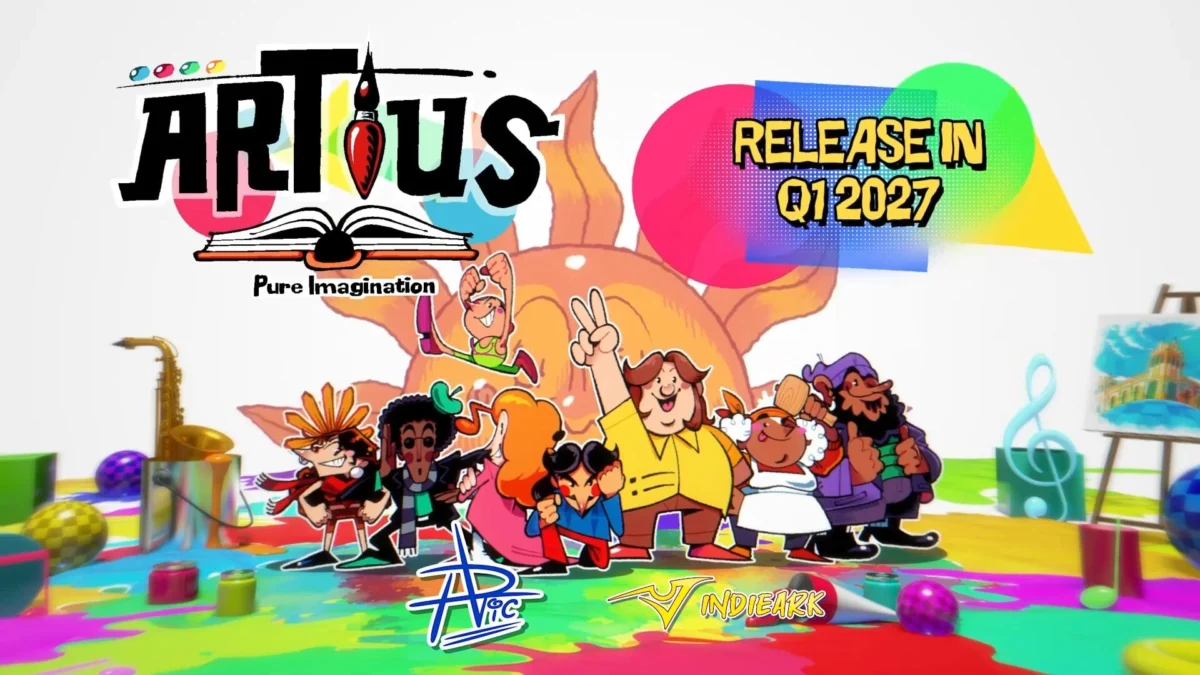
FOR IMMEDIATE RELEASE
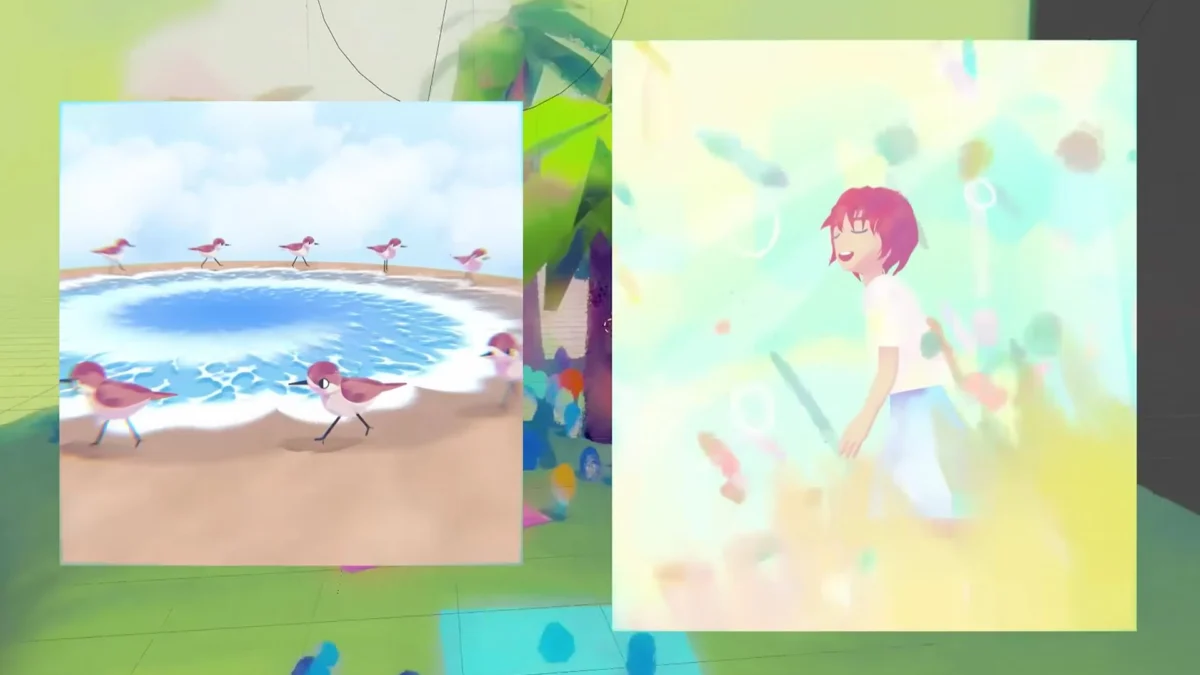
In a vibrant announcement that has captivated the indie gaming sphere, PVic Games, in collaboration with publisher IndieArk, has officially unveiled a Q1 2027 release window for their highly anticipated 2D action platformer, ARTIUS: Pure Imagination. Slated to launch exclusively on PC via Steam, this title promises a unique blend of high-octane platforming, expressive combat, and a deeply resonant narrative that champions the enduring power of creativity against a backdrop of encroaching artistic suppression. The reveal was accompanied by a compelling new trailer, offering a tantalizing glimpse into the hand-drawn world and the imaginative struggles that await players.
Main Facts
ARTIUS: Pure Imagination is not merely another entry in the crowded 2D platformer genre; it is a bold artistic statement. Developed by the ambitious team at PVic Games and brought to market by the discerning publisher IndieArk, the game is poised to deliver a distinctive experience when it arrives on PC through Steam in the first quarter of 2027. At its core, ARTIUS is a fast-paced, momentum-based platformer where players assume the roles of distinct artists, each endowed with unique abilities that are intrinsically linked to their creative discipline. Their collective mission: to defend and restore creativity in a world teetering on the precipice of artistic extinction.
The game distinguishes itself with its vibrant, hand-drawn aesthetic, which serves as a direct reflection of its central theme. Players will navigate dynamic levels, dashing, swinging, and smashing through environments inspired by various art forms. The developers emphasize that in ARTIUS, "style is your strongest weapon," suggesting a gameplay loop that rewards not just efficiency but also flair and creative expression in combat and traversal. The narrative centers around the once-thriving artistic city of Rupestrine, now under the oppressive rule of PIVOLO, a jealous student who has seized control of the mystical ARTIUS book to impose an anti-art regime. It falls to four distinct heroes – Pierre the Painter, Walter the Photographer, René The Musician, and Guga The Dancer – to wield their unique talents and challenge this bleak reality, rekindling the spark of imagination, liberty, and pure fun.
Chronology: The Genesis and Evolution of ARTIUS
The journey of ARTIUS: Pure Imagination from a nascent concept to a eagerly awaited release is a testament to the dedication of PVic Games and the strategic vision of IndieArk. While specific dates prior to the recent announcement remain part of the studio’s internal development records, a plausible timeline can be constructed based on industry standards and the scope of the project.
Conceptualization and Early Development (Early 2020s – 2022):
The seeds of ARTIUS were likely sown in the early 2020s, a period marked by a surge in innovative indie game development. PVic Games, perhaps a newly formed studio or a collective of experienced developers, would have begun with the core idea of marrying art and action in a 2D platforming context. Initial brainstorming sessions would have explored the philosophical underpinnings of creativity, the suppression of artistic expression, and how these abstract concepts could be translated into tangible gameplay mechanics. The unique premise of "style as a weapon" and the diverse cast of artist-heroes—a painter, photographer, musician, and dancer—would have been conceived during this foundational phase, ensuring a rich thematic core from the outset. Early prototypes would have focused on establishing the momentum-based movement system and rudimentary character abilities, testing the fundamental "feel" of the game.
Pre-Production and World-Building (2022 – 2023):
Following successful prototyping, the project would have moved into a more intensive pre-production phase. This period would have seen the refinement of the game’s distinctive hand-drawn art style, solidifying the visual language of Rupestrine and its transformation under PIVOLO’s tyranny. Character designs for Pierre, Walter, René, and Guga would have been finalized, ensuring each hero not only looked unique but also conveyed their artistic discipline through their visual identity. Concurrently, the narrative backbone was fleshed out: the rich history of Rupestrine, the motivations of the antagonist PIVOLO, and the overarching quest to reclaim imagination. This stage would also have involved significant technical groundwork, choosing a game engine suitable for 2D development (such as Unity or Unreal Engine) and building the initial tools and pipelines for level design and animation.
First Public Glimpse and Partnership (Late 2023 – Mid-2024):
As the project matured, PVic Games would have begun to seek external validation and, crucially, a publishing partner. A hypothetical "reveal trailer" or participation in a smaller, curated indie game showcase (like the Day of the Devs or a niche digital event) might have provided the initial public glimpse. It was likely during this period that IndieArk, known for its commitment to supporting innovative and artistically driven independent titles, recognized the immense potential of ARTIUS: Pure Imagination. The partnership would have been formally announced, providing PVic Games with the necessary resources, marketing expertise, and strategic guidance to elevate the project. IndieArk’s involvement signaled a significant vote of confidence in the game’s vision and execution.
Active Development and Community Engagement (Mid-2024 – 2026):
With IndieArk on board, the project would have entered its most intensive development phase. This period would involve the creation of numerous levels, implementation of complex enemy AI, refinement of boss encounters, and the meticulous tuning of each character’s unique abilities. PVic Games would have also started engaging with the burgeoning gaming community. This could have included:
- Developer Diaries: Regular blog posts or video updates offering insights into the art direction, level design challenges, the creative process behind the soundtrack, and the evolution of gameplay mechanics.
- Gaming Events Participation: Showcasing early builds or polished demos at major industry events such as Gamescom, PAX, or smaller indie-focused festivals like IndieCade, gathering crucial feedback from players and press.
- Community Building: Establishing official Discord servers and social media channels (Twitter, YouTube, etc.) to foster a direct line of communication with fans, answer questions, and build anticipation.
- Demo Releases: Potentially offering limited-time public demos, perhaps during a Steam Next Fest event, allowing a wider audience to experience the game’s core loop and provide valuable feedback for further refinement.
The Q1 2027 Release Window Announcement (Current):
The recent announcement of the Q1 2027 release window marks a pivotal moment in ARTIUS‘s development journey. It signifies that the game has reached a state where the development team and publisher are confident in its trajectory and have a clear roadmap to completion. The accompanying "Release Window Trailer" serves as a culmination of their efforts, providing a polished and representative look at the game’s current state, reigniting excitement, and setting a definitive target for players eager to embark on this imaginative adventure. This announcement positions ARTIUS: Pure Imagination as one of the most intriguing indie titles to anticipate in the coming years.
Supporting Data: Unpacking the Artistic and Mechanical Canvas
ARTIUS: Pure Imagination stands out not just for its premise but for the depth of its execution, intertwining artistic themes with sophisticated gameplay mechanics.
Gameplay Mechanics in Detail
The core of ARTIUS lies in its "fast-paced, momentum-based 2D platforming." This design choice implies a strong emphasis on fluid movement, precise controls, and the ability to chain together actions seamlessly. Players are encouraged to maintain speed and rhythm, utilizing environmental elements and character abilities to traverse levels with grace and efficiency. Unlike more deliberate platformers, ARTIUS likely rewards continuous motion, intricate aerial maneuvers, and quick reflexes, creating a high skill ceiling for mastery. Comparisons might be drawn to the acrobatic freedom of games like Celeste or the fluid combat of Hollow Knight, but with a unique artistic spin.
The distinct artist protagonists are the heart of the gameplay:
- Pierre the Painter: Pierre’s abilities will likely revolve around manipulating the environment through color. This could translate into gameplay mechanics such as creating temporary platforms with strokes of paint, launching colorful projectiles that apply status effects to enemies, or altering the properties of surfaces (e.g., making them slippery, sticky, or bouncy). His "painting" could also reveal hidden pathways or weaken enemy defenses by splashing them with specific hues.
- Walter the Photographer: Walter’s unique talent with a camera offers intriguing possibilities. His camera flash could stun enemies, leaving them vulnerable to attacks. He might be able to "capture" environmental elements or enemy weaknesses, applying them strategically in combat or puzzle-solving. Perhaps he can "freeze" segments of time within a photo frame, allowing him to bypass fast-moving obstacles or land precise hits. His lens could also reveal invisible platforms or hidden narrative clues, emphasizing observation and perspective.
- René The Musician: René’s musical prowess suggests a rhythm-based or sound-wave-manipulating gameplay style. His attacks might manifest as sonic bursts that push enemies back or shatter obstacles. He could compose melodies that provide temporary buffs to the team (e.g., increased speed, damage resistance) or debuffs to enemies (e.g., reduced attack, confusion). Certain environmental puzzles might require playing specific tunes or manipulating soundscapes to progress, highlighting the harmony and discord within the game’s world.
- Guga The Dancer: Guga’s abilities are expected to focus on agility, grace, and rhythmic combat. Her movements could include elaborate dodges that render her temporarily invincible, acrobatic leaps that grant extra height or distance, or area-of-effect attacks performed through spins and pirouettes. Her dance could also be a form of communication or persuasion, influencing certain characters or environmental elements. Her gameplay would emphasize fluid transitions between movement and attack, making her a highly mobile and expressive character.
The mantra "style is your strongest weapon" hints at a deeper system. This could involve combo meters that build up with varied attacks and stylish maneuvers, granting damage bonuses or unlocking special abilities. Perhaps performing actions with artistic flair, such as chaining together a long sequence of dashes and attacks without touching the ground, directly contributes to a "creativity meter" that unleashes devastating, visually spectacular ultimate moves. This encourages players not just to survive, but to express themselves through their gameplay.
Narrative and Thematic Depth
The world of ARTIUS: Pure Imagination is rich with lore, centered around the city of Rupestrine. Its name, derived from "rupestrian art" (cave paintings), immediately grounds the city in a deep, ancient artistic heritage. This historical foundation explains its transformation into a vibrant cultural hub, attracting a diverse array of artists. The heroes – Pierre, Walter, René, and Guga – are products of this environment, educated at Rupestrine’s EdAN Art University, representing different facets of modern art, yet united by a shared passion.
The antagonist, PIVOLO, embodies the destructive force of jealousy and creative stagnation. His seizure of the mystical ARTIUS book and imposition of an anti-art regime is a powerful metaphor for censorship, conformity, and the suppression of individual expression. In a world where society is made to "question the value of art itself," the narrative delves into the profound importance of art not just as aesthetics, but as a fundamental human need—a source of inspiration, healing, and unity. The ARTIUS book itself is likely more than just a plot device; it could symbolize the collective consciousness of creativity, a powerful artifact that, when wielded by the wrong hands, can drain the world of its vibrancy.
The four thematic pillars – "Pure Imagination," "Pure Liberty," "Pure Creativity," and "Pure Fun" – are not just marketing slogans but encapsulate the game’s core message. The heroes’ quest is a fight for these very ideals, a battle to restore the colors, sounds, and movements that make life meaningful. This thematic depth elevates ARTIUS beyond a mere platformer, positioning it as a commentary on the enduring human spirit and the timeless struggle against forces that seek to homogenize and control.
Technical Aspects
While specifics are yet to be fully disclosed, the "vibrant, hand-drawn world" points to a meticulous art direction. This aesthetic choice often requires significant manual effort from artists, creating a timeless visual appeal that stands apart from more realistic or pixel-art styles. The choice of engine, likely a robust 2D-friendly platform like Unity, would enable the smooth implementation of complex physics for momentum-based movement and efficient rendering of detailed animations. The game’s soundtrack, especially given René’s character, will undoubtedly play a crucial role, potentially featuring dynamic music that responds to gameplay, shifting from subdued tones in oppressive zones to soaring, energetic compositions during intense action sequences, mirroring the struggle between artistic suppression and freedom.
Official Responses: Voices from PVic Games and IndieArk
The announcement of ARTIUS: Pure Imagination‘s Q1 2027 release window has been met with enthusiasm, and the development and publishing teams have shared their insights into the project’s vision and trajectory.
PVic Games’ Vision:
"From the very beginning, our goal with ARTIUS: Pure Imagination was to create something truly special – a game that not only challenges players with exhilarating platforming but also resonates deeply with the human experience of creativity," stated Elena Petrova, Lead Game Designer at PVic Games. "We’ve poured our hearts into crafting a world that feels alive with artistic energy, even as it battles against forces that seek to extinguish it. Integrating each artist’s unique discipline into distinct, expressive gameplay mechanics has been a fascinating journey, and we believe players will find genuine joy in discovering how Pierre paints, Walter photographs, René composes, and Guga dances their way through PIVOLO’s oppressive regime. The Q1 2027 release gives us the time we need to polish every brushstroke, every note, every movement, ensuring that the final experience is as pure and imaginative as the title suggests. We can’t wait for players to join us in Rupestrine and rediscover the power of their own imagination."
IndieArk’s Perspective:
"When we first saw the early concepts and prototypes for ARTIUS: Pure Imagination, we were immediately captivated by PVic Games’ bold vision," commented Marcus Chen, Head of Publishing at IndieArk. "This isn’t just a game; it’s a celebration of art, individuality, and the relentless human spirit. IndieArk is dedicated to championing titles that push creative boundaries and offer unique narrative experiences, and ARTIUS perfectly embodies that ethos. The team at PVic Games has demonstrated an incredible commitment to their craft, and we are confident that their meticulous attention to detail, combined with the game’s innovative mechanics and poignant storyline, will make ARTIUS: Pure Imagination a standout title in the 2D platformer landscape. The Q1 2027 launch on PC via Steam provides the ideal platform to reach a global audience eager for meaningful and engaging independent games, and we are incredibly proud to support them on this journey."
Community Engagement:
Both PVic Games and IndieArk have emphasized their commitment to fostering a strong community around ARTIUS. "We believe that feedback from our players is invaluable," added Petrova. "Leading up to launch, we plan to engage extensively through our Discord server, social media channels, and potentially through future demo opportunities. We want players to feel like they are part of this creative process, helping us refine the game and ensure it delivers an unforgettable experience." This proactive approach aims to build anticipation and integrate player insights into the final stages of development.
Implications: The Future of Artistic Action Platforming
The announcement of ARTIUS: Pure Imagination‘s Q1 2027 release carries significant implications, not only for PVic Games and IndieArk but also for the broader landscape of 2D action platformers and thematic storytelling in video games.
Impact on the 2D Platformer Genre
ARTIUS has the potential to carve out a unique niche within the highly competitive 2D platformer genre. Its explicit thematic integration of art into gameplay mechanics—where "style is your strongest weapon"—offers a fresh perspective. Rather than just relying on tight controls and challenging level design, ARTIUS promises a layer of expressive combat and traversal that could inspire other developers to explore deeper thematic connections in their mechanics. The momentum-based movement, combined with diverse character abilities, suggests a game that rewards skill, creativity, and player expression, potentially setting new benchmarks for how narrative and mechanics can synergize in the genre. Its focus on a hand-drawn aesthetic also reinforces the artistic identity, differentiating it visually from pixel art or more generic vectorized styles common in indie platformers.
Cultural and Thematic Resonance
Beyond its gameplay, ARTIUS: Pure Imagination is poised to deliver a powerful cultural message. In an increasingly homogenized world, where critical thinking and artistic expression can sometimes feel undervalued or even suppressed, the game’s narrative about fighting an "anti-art regime" is remarkably timely and relevant. It champions the universal values of imagination, liberty, and creativity, appealing to players who seek more than just entertainment from their games. This thematic depth could attract a broader audience beyond traditional platformer enthusiasts, including those interested in art, philosophy, and stories with strong moral underpinnings. The game serves as a digital ode to the importance of individuality and the transformative power of art, making its release a potentially significant cultural event within the gaming community.
Market Position and Expectations
Scheduled for Q1 2027, ARTIUS: Pure Imagination will enter a dynamic and ever-evolving gaming market. While 2027 is still some time away, allowing for ample development and marketing, it also means the game will face competition from both established franchises and other innovative indie titles. Its exclusive launch on PC via Steam is a strategic move, leveraging the platform’s massive user base and its strong reputation as a hub for indie innovation. Success will likely hinge on strong pre-release marketing, positive critical reception, and effective community engagement. If ARTIUS delivers on its ambitious promises, it could become a breakout indie hit, demonstrating the viability of thematically rich, artistically driven platformers. Its potential for post-launch content, such as new characters, levels, or even narrative expansions, would further solidify its position and provide sustained engagement.
Long-term Vision for PVic Games
For PVic Games, ARTIUS: Pure Imagination represents an opportunity to establish itself as a prominent and innovative indie developer. A successful launch would not only provide financial stability but also build a strong reputation for creative vision, technical prowess, and a commitment to meaningful game design. This could pave the way for future projects, allowing the studio to continue exploring unique themes and pushing the boundaries of interactive storytelling. The legacy of ARTIUS could be one of a game that proved art can be both profound and profoundly fun, inspiring a new generation of game developers and players alike to embrace the pure imagination within.
The countdown to Q1 2027 has officially begun, and the gaming world watches with bated breath to witness the unfolding of ARTIUS: Pure Imagination, a game poised to be a vibrant testament to the power of art in action.
Release Window Trailer
(Original YouTube embed would be here)


 Lina Irawan
 Sagoh
Sagoh