Laily UPN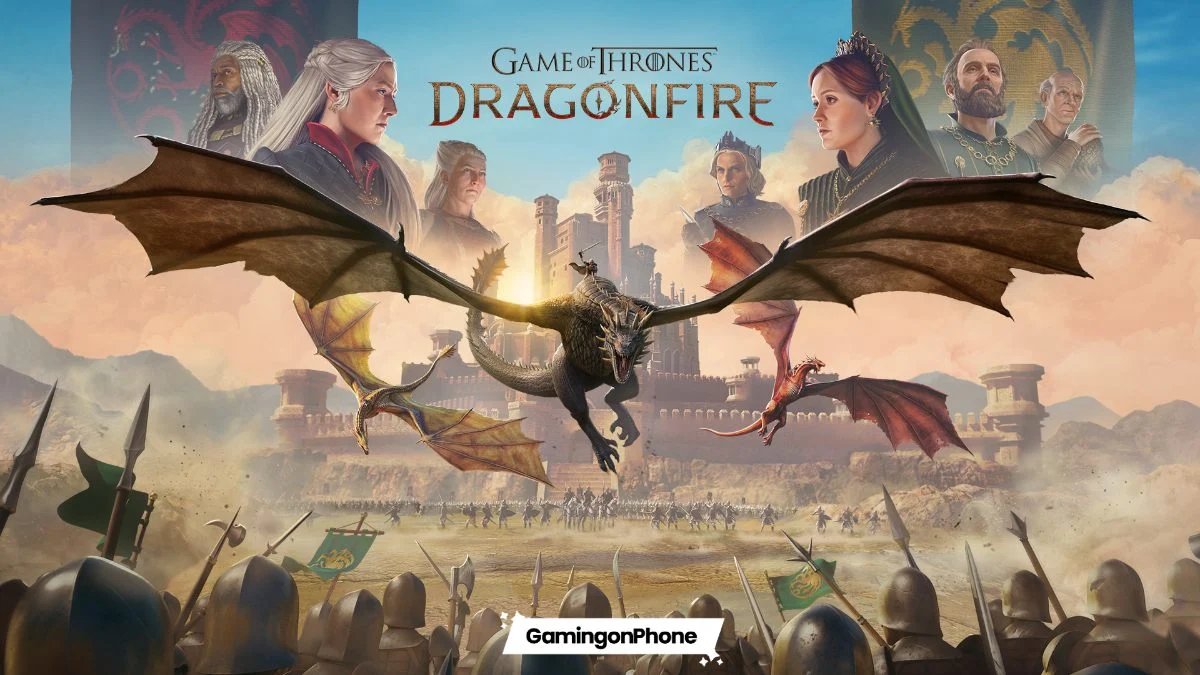
The struggle for the Iron Throne has officially migrated to the palms of mobile gamers worldwide. Warner Bros. Games has announced the global launch of Game of Thrones: Dragonfire, a high-stakes strategy title that invites players to step into the boots of a Valyrian dragonrider. Developed by Warner Bros. Games Boston, the title marks a significant pivot in the publisher’s mobile strategy, focusing on immersive, free-to-play experiences set within the expansive lore of George R.R. Martin’s universe.
Main Facts: The Conquest Begins
Game of Thrones: Dragonfire is not merely a strategy game; it is an interactive expansion of the House of the Dragon narrative. Set 172 years before the reign of Daenerys Targaryen, the game places the player at the center of a volatile Westeros. As a descendant of Valyria who has forged a mystical bond with a dragon, the player’s primary objective is to cultivate power, master the skies, and ultimately lay claim to King’s Landing.
The game is now available for download on both the Google Play Store for Android devices and the Apple App Store for iOS users. By blending deep strategic management with the tactical precision of aerial dragon combat, the developers have crafted an experience that caters to both casual fans of the HBO series and hardcore enthusiasts of the mobile strategy genre.
Chronology of Development
The road to the global launch of Dragonfire was deliberate and methodical, designed to ensure a polished experience for the masses.
- Initial Conception: Following the massive cultural footprint of the House of the Dragon television series, Warner Bros. Games sought to capitalize on the franchise’s momentum by commissioning a mobile-first strategy experience that leaned into the "dragonrider" fantasy.
- The Soft Launch (2025): The game underwent a period of rigorous testing in select Southeast Asian regions. This phase was critical for gathering telemetry data on player engagement, balancing the complex troop synergy systems, and ensuring the technical stability of the tiled map architecture.
- Global Pre-Registration (April 2026): After fine-tuning the mechanics based on regional feedback, Warner Bros. opened global pre-registration. The campaign saw significant interest, with millions of fans signing up to secure early-bird rewards and prepare for the inevitable territorial wars.
- Global Launch (Present): With the servers now live across the globe, the developers have shifted focus to live-service operations, including the rollout of seasonal "Reigns" and ongoing community-driven narrative events.
Supporting Data: Deep-Dive into Gameplay Mechanics
Dragonfire distinguishes itself from the saturated market of mobile strategy games through its focus on depth and customization.
The Dragon Arsenal
The core of the experience lies in the collection and management of dragons. Players have access to 28 unique, breedable, and upgradeable dragons. This includes iconic beasts from the lore, such as Caraxes and Syrax, alongside a roster of original dragons designed to complement specific strategic playstyles. Each dragon is categorized by:
- Command Skills: Active abilities that can turn the tide of a mid-battle skirmish.
- Passive Habit Abilities: Innate traits that provide bonuses to exploration or resource gathering.
- Troop Affinities: Strategic modifiers that change how the dragon interacts with infantry, cavalry, or archer units on the battlefield.
Tactical Combat and Map Control
The game utilizes a tiled map system that rewards players for coordinated movement. Players can field up to five dragon-led armies simultaneously. This allows for sophisticated maneuvers, such as baiting enemy forces into a pincer movement or executing rapid strikes on vulnerable outposts. The inclusion of a "Dragon Strike" minigame adds a layer of arcade-style engagement, breaking up the macro-management of the campaign map.
Campaigns and Narrative Agency
Unlike static strategy titles, Dragonfire employs a "living world" narrative structure. Through Campaign stages, players experience branching storylines where their decisions—such as choosing which house to support or which fortress to siege—collectively influence the overarching history of the server. This creates a shared, community-driven experience where the state of the map at the end of a season is a direct reflection of the players’ collective actions.
Official Responses and Strategic Pivot
The launch of Dragonfire is indicative of a broader shift within Warner Bros. Discovery. Recent corporate directives have emphasized a move away from console-exclusive blockbusters toward a robust portfolio of mobile and free-to-play titles.
By leveraging the immense brand equity of the Game of Thrones IP, Warner Bros. Games aims to create a "sticky" ecosystem. The strategy is clear: provide high-quality production values that rival console strategy games while utilizing the accessibility of mobile platforms. Early statements from the development team at WB Games Boston highlight their commitment to "scenario-driven conflicts," ensuring that the game feels like an ongoing season of a television show rather than a static piece of software.
Implications for the Mobile Strategy Market
The release of Game of Thrones: Dragonfire serves as a benchmark for how established entertainment IPs should approach mobile development.
Seasonal Longevity
One of the most innovative features of Dragonfire is the implementation of "seasonal Reigns." By resetting territory control while allowing dragon growth and player progress to remain intact, the developers solve the "stale map" problem that often plagues long-term strategy games. This keeps the competitive landscape fresh for new players while honoring the time investment of veterans.
The Power of Collaborative Play
The emphasis on Alliances is more than just a social feature; it is the engine of the game’s economy and warfare. By encouraging players to coordinate attacks on major landmarks, the developers are fostering a high-retention environment. When players feel responsible for the success of their collective Alliance, they are statistically more likely to maintain long-term engagement.
A Living, Reactive Universe
The integration of special scenes and reactive campaign objectives suggests a future where mobile games are treated as "services" rather than "products." By constantly feeding the player base with new narrative content that responds to their tactical choices, Warner Bros. is setting a high bar for competitor titles in the strategy space.
Conclusion: Is the Iron Throne Within Reach?
Game of Thrones: Dragonfire is a testament to the evolution of the mobile strategy genre. It succeeds not just by leaning on the fame of its source material, but by providing a mechanical depth that rewards patience, coordination, and tactical ingenuity. Whether you are a casual fan of the series or a veteran of grand-scale strategy, the game offers a compelling, ever-changing landscape that demands your attention.
As the seasonal Reigns progress and the battles for King’s Landing intensify, one thing is certain: the sky is no longer the limit—it is the battlefield. Players are encouraged to download the title from the Google Play Store or the App Store to begin their ascent to power. With the game now globally available, the era of the dragonrider has officially arrived, and the fate of Westeros is once again in the hands of the players.


 Asro
Asro
 Nana Wu