Asus has officially pulled back the curtain on its most ambitious handheld project to date: the ROG Xbox Ally X20. Celebrating two decades of the Republic of Gamers (ROG) brand, this latest iteration is not merely a iterative hardware update but a high-end celebration of enthusiast-grade engineering. Featuring a stunning OLED display, a sophisticated translucent aesthetic, and tactile hardware refinements, the X20 represents the pinnacle of the company’s current mobile gaming philosophy.
Starting October 15, enthusiasts will be able to secure their units through the official Asus Store and Best Buy. With a standalone price point of $1,299.99 and a comprehensive, limited-edition collector’s bundle retailing for $2,499.99, Asus is positioning the X20 as a luxury device for the most dedicated handheld power users.
The Core Specifications: Familiar Power, Elevated Visuals
While the internal architecture of the X20 remains consistent with the previous generation—relying on the highly capable AMD Ryzen AI Z2 Extreme processor—the user experience has been radically transformed through its external and display-side upgrades.
The most significant pain point of the original ROG Ally—the lack of an OLED panel—has finally been addressed. The inclusion of an OLED screen provides the infinite contrast, deeper blacks, and vibrant color reproduction that have become the gold standard for portable gaming, effectively closing the gap between the Ally and competitors like the Steam Deck OLED.
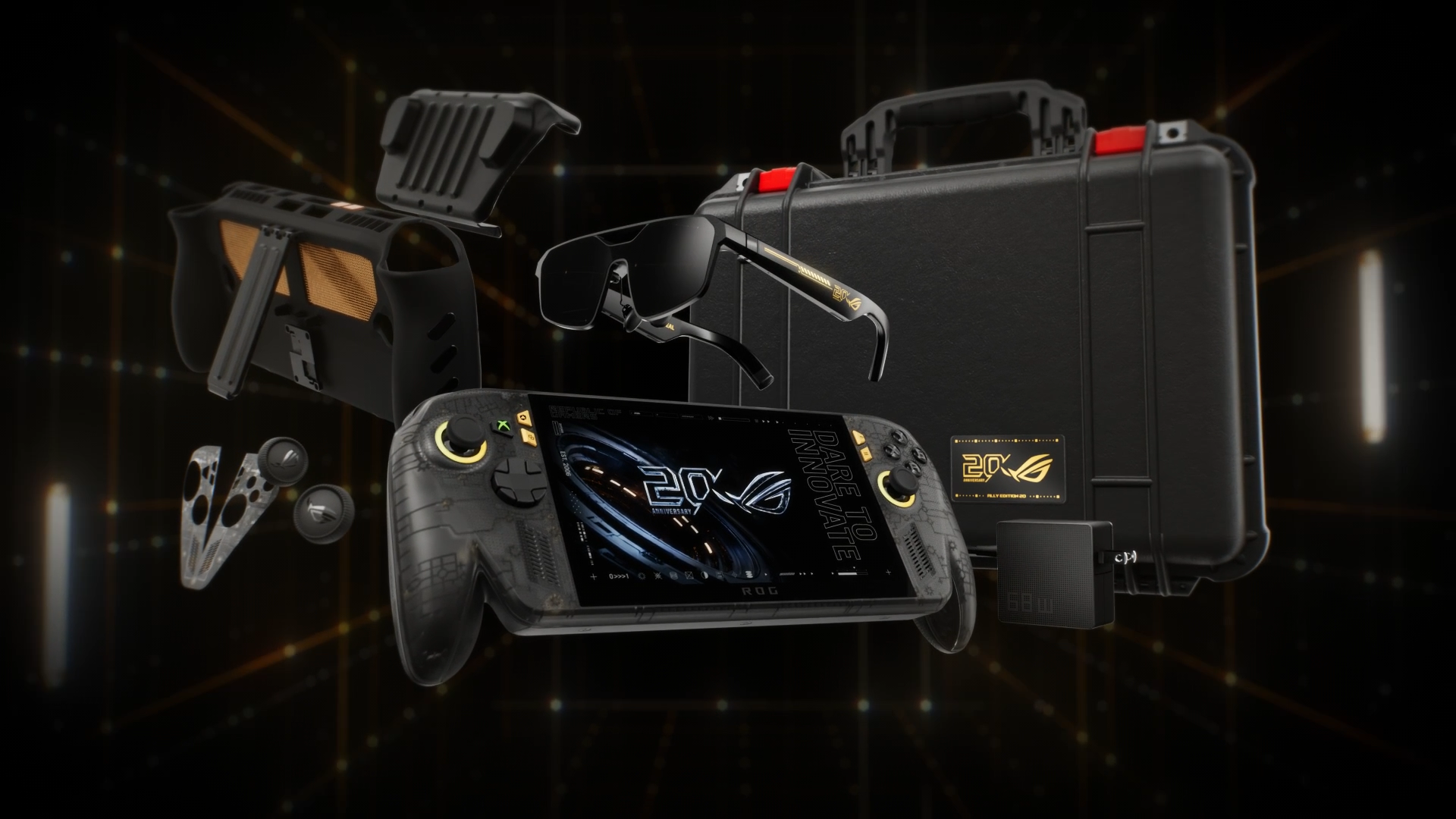
Beyond the screen, Asus has refined the physical inputs. The X20 introduces a "transforming" D-pad that allows users to toggle between a standard 4-way layout and an 8-way configuration, catering to the needs of both retro enthusiasts and modern fighting game players. Coupled with TMR (Tunneling Magnetoresistive) joysticks, which offer superior durability and precision compared to standard hall-effect sensors, the device feels engineered to survive the rigors of competitive play. Further enhancing the ergonomics are new rubberized grips, which provide a more secure hold during extended gaming sessions.
A Two-Tiered Release Strategy
Initially, market speculation suggested that the X20 would be available exclusively as part of an expensive, all-encompassing bundle. Following constructive feedback from the gaming community, Asus pivoted to offer the console as a standalone purchase. This decision recognizes the reality that many users desire the upgraded screen and input tech without the necessity of AR glasses or specialized transport equipment.
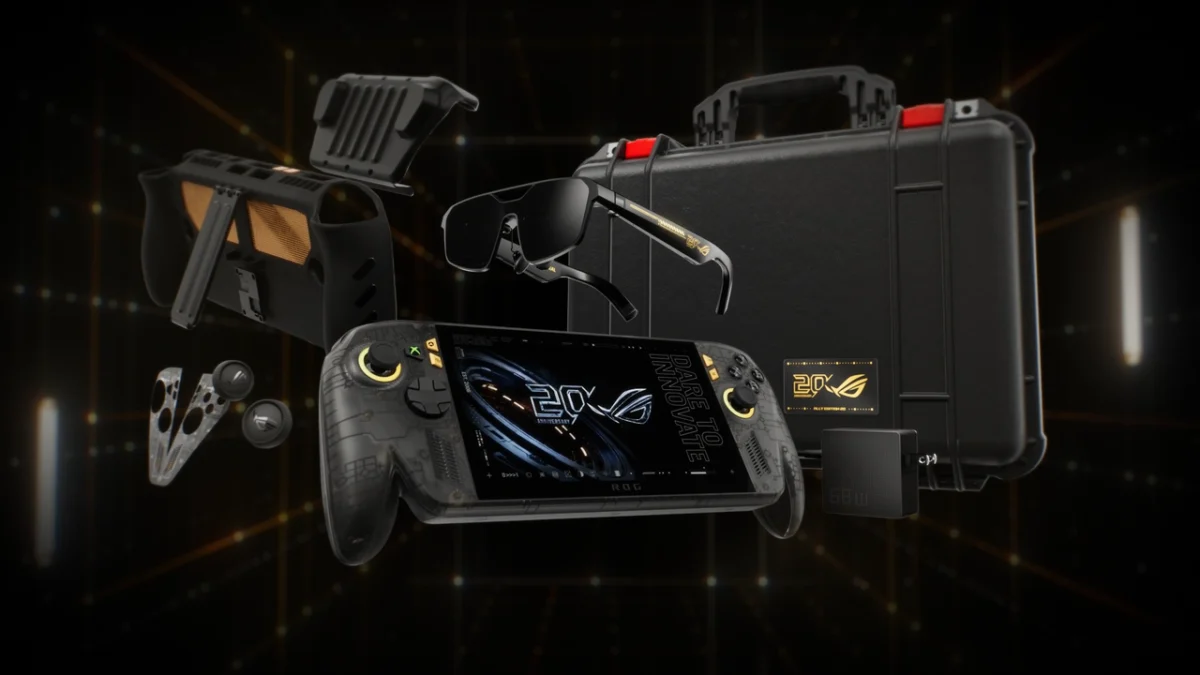
For those who do opt for the "20th Anniversary Edition" bundle, the value proposition includes:
- ROG Xreal R1 Edition 20 AR Glasses: These wearable displays offer a private, massive-screen experience, now featuring bespoke black and gold aesthetic touches to match the console.
- dbrand Killswitch Case: A premium protective solution that includes a custom kickstand and a unique "teardown" skin.
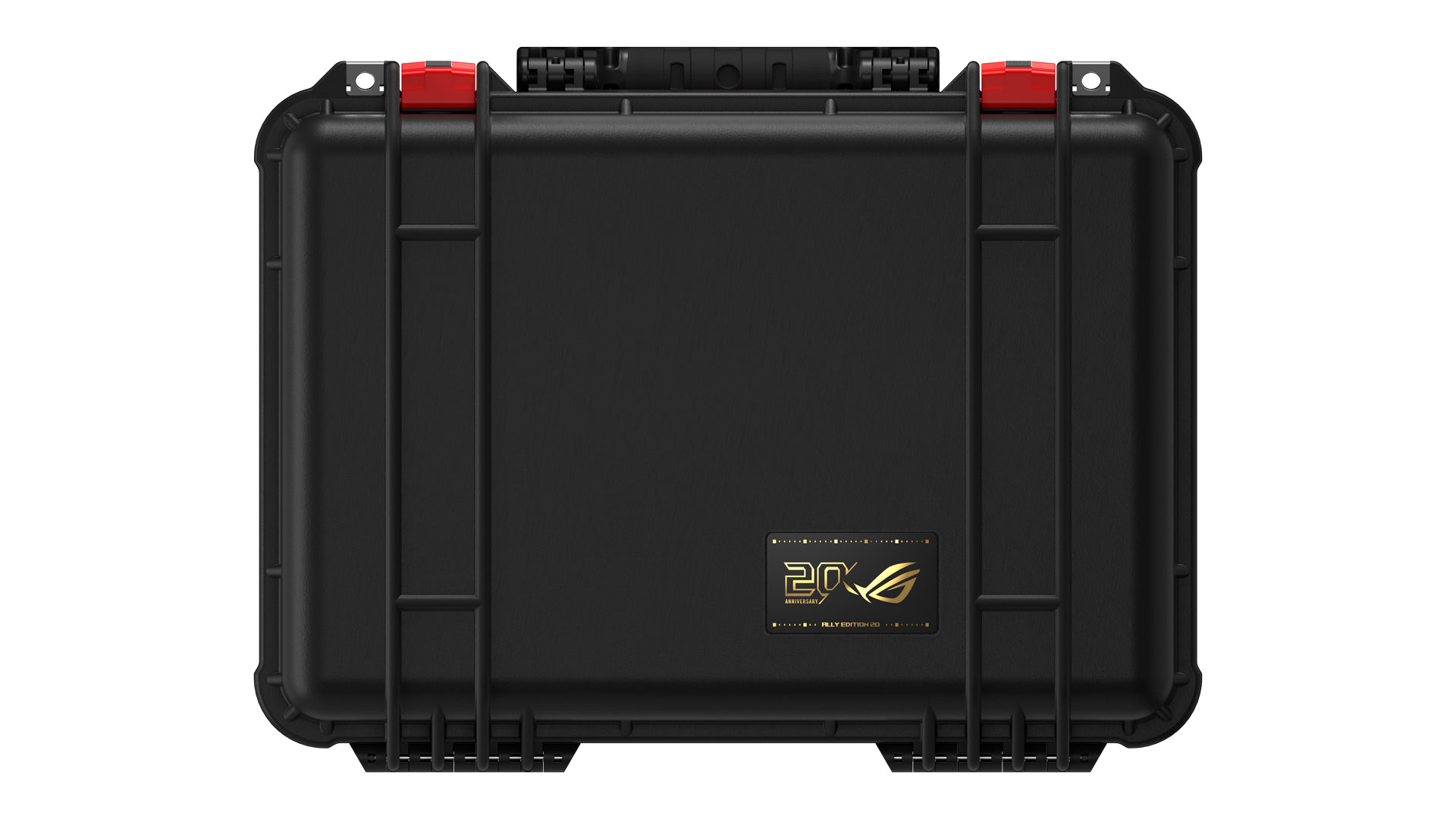
- Custom Pelican Case: A rugged, industrial-grade storage solution featuring the ROG 20th Anniversary branding, designed to provide military-grade protection for the device and its accessories.
Chronology of the ROG Anniversary Push
The announcement of the X20 does not exist in a vacuum; it is the centerpiece of a massive, year-long celebration of the Republic of Gamers’ twentieth anniversary. The journey toward this launch began in earnest earlier this year at Computex, where Asus first teased a suite of hardware components designed to push the boundaries of what a gaming PC can look like.
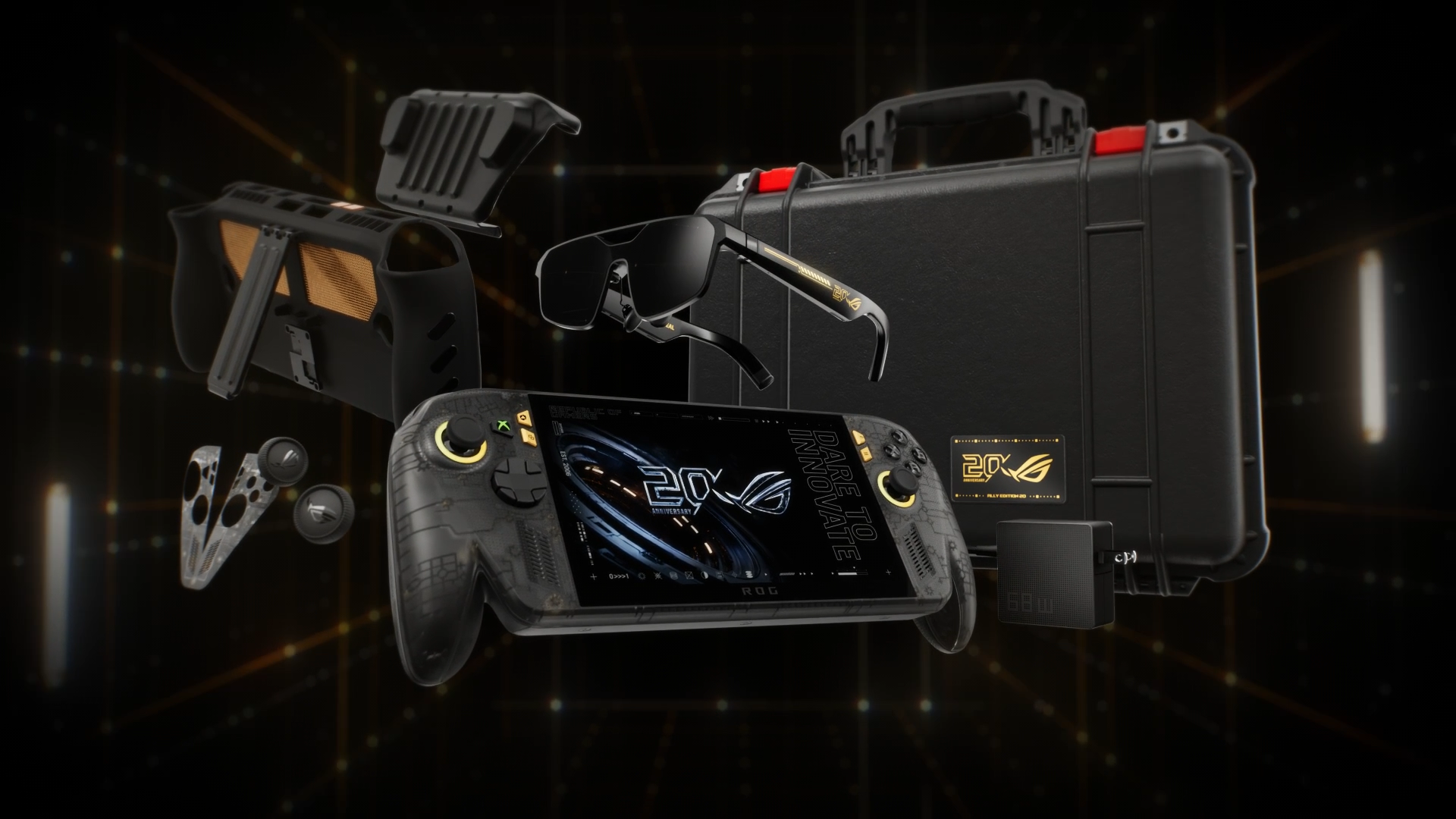
The X20 is just one piece of a much larger puzzle. The company has also unveiled a series of high-performance peripherals, including a 20th-anniversary monitor, a mechanical keyboard, a specialized gaming mouse, and a compact yet powerful NUC mini PC. The narrative Asus is constructing is one of total ecosystem dominance—an environment where every piece of hardware is stylistically and functionally linked by the "20th Anniversary" aesthetic of black and gold.
This aggressive rollout is designed to capture the "prosumer" market, moving away from the mass-market pricing of the original Ally and toward the luxury collectible segment. By linking the handheld to a $15,000 desktop build, Asus is reinforcing the idea that the ROG brand is a premium lifestyle choice, not just a hardware manufacturer.
Supporting Data and Market Context
The handheld PC gaming market has seen explosive growth since 2023. According to recent market analysis, consumers are increasingly prioritizing "premium" features—namely display quality and input longevity—over raw performance alone. The original ROG Ally X, released in late 2025 at a $999.99 price point, proved that consumers are willing to pay a premium for better battery life and improved thermal management.
The X20’s $1,299.99 price tag places it firmly in the "ultra-premium" category, approximately $300 more than its predecessor. This surcharge covers the cost of the OLED panel, the TMR sensor tech, and the R&D required for the modular D-pad. While this may alienate budget-conscious gamers, the market has shown that there is a significant demographic willing to pay for "the best of the best."
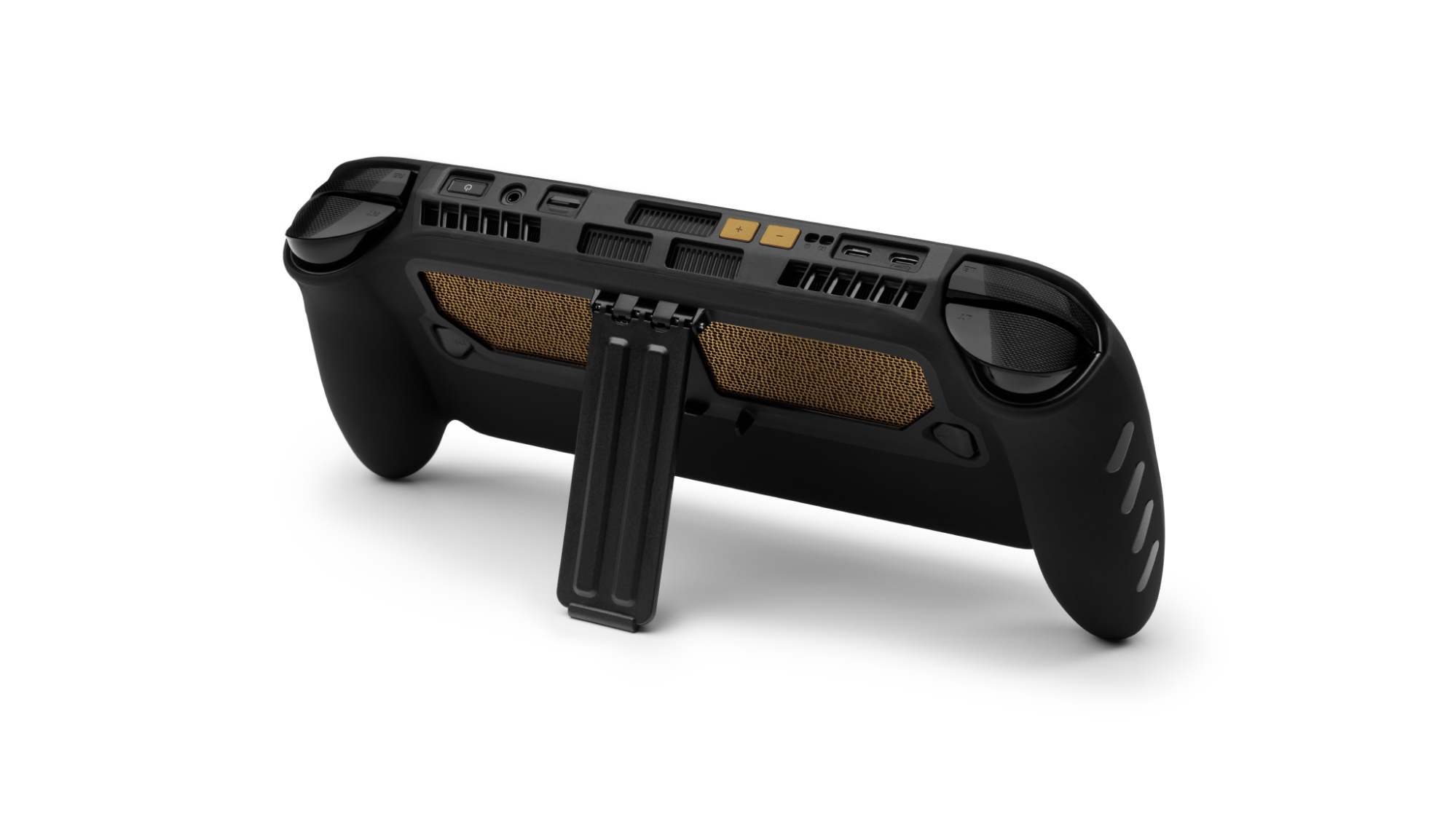
Furthermore, the integration of the dbrand Killswitch represents a strategic partnership. By outsourcing the protection of their hardware to an industry-leading third party, Asus avoids the common pitfalls of manufacturing mediocre proprietary cases, ensuring that users receive a high-quality accessory right out of the box.
The Implications: Where Handheld Gaming Goes From Here
The release of the X20 signals a shift in how manufacturers view handheld PCs. We are moving away from the "portable laptop" era and into the "dedicated gaming console" era of handhelds. The inclusion of the translucent shell and the emphasis on the 20th-anniversary branding suggests that Asus is treating these devices with the same reverence that Sony or Nintendo treat their limited-edition hardware.
However, the use of the AMD Ryzen AI Z2 Extreme processor across both the 2025 model and the 2026 X20 suggests that we have hit a performance plateau in the mobile space. Manufacturers are now looking toward display and input innovation to drive sales, rather than relying solely on incremental CPU/GPU gains.
The decision to offer the X20 alongside a massive, $2,500 bundle also raises questions about accessibility. While the standalone unit is a reasonable (if expensive) upgrade, the bundled version serves more as a brand statement than a consumer-focused product. It is a flex from Asus—a way to show that they can produce a high-end, cohesive gaming environment that rivals anything else on the market.
Final Thoughts
The Asus ROG Xbox Ally X20 is a testament to the maturation of the handheld gaming PC market. It takes the solid foundation laid by the original Ally and refines it, addressing the key complaints of the enthusiast community. The transition from the standard LCD to an OLED screen is the most welcome change, ensuring that the device can compete with the visual fidelity of modern console hardware.
As we look toward the October 15 launch, the success of the X20 will likely hinge on how well the device justifies its price premium. For the gamer who already owns the previous Ally X, the upgrade might seem marginal. But for those waiting for the perfect moment to enter the handheld space—or for the long-time ROG fan looking to celebrate the brand’s legacy—the X20 is positioned as the ultimate handheld experience.
Whether this trend of "luxury handhelds" continues, or if the market eventually demands a return to more accessible pricing, remains to be seen. For now, Asus is betting that gamers will continue to value quality, aesthetic, and premium features above all else.