

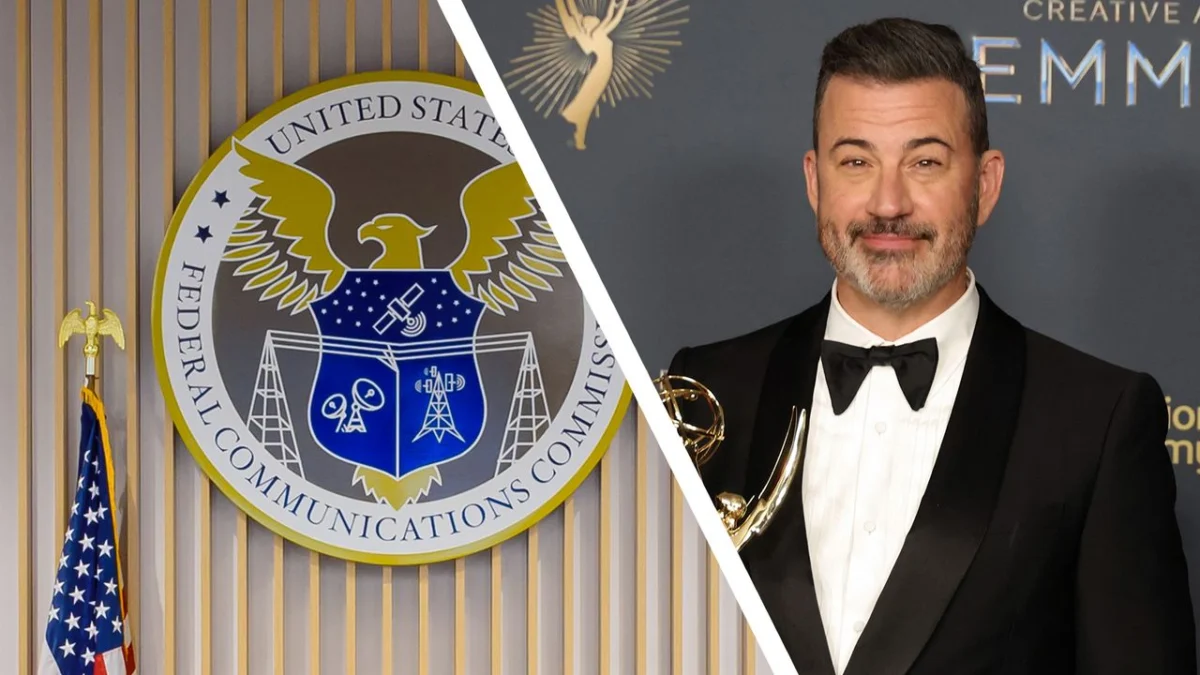
A simmering tension between the Disney-owned ABC network and the Federal Communications Commission (FCC) has erupted into a full-scale institutional conflict. In an unprecedented administrative move, the FCC has demanded that ABC submit its broadcast license renewal applications for eight of its owned-and-operated local television stations a full two years ahead of their scheduled expiration.
The move, which sidesteps the standard four-month renewal window, has sent shockwaves through the broadcasting industry. ABC, viewing the directive as a thinly veiled act of political retribution, has submitted the filings "under protest," characterizing the regulator’s actions as an existential threat to the First Amendment and a dangerous escalation of government coercion.
The Catalyst: A Regulatory Shift or Targeted Retaliation?
At the heart of the dispute is the timing of the license renewals. Under normal circumstances, broadcast licenses—which grant networks the right to operate on public airwaves—are renewed on a predictable cycle. ABC’s current licenses are not set to expire until 2028. By compelling the network to undergo the rigorous and costly renewal process in 2026, the FCC has effectively placed the network under a prolonged period of intense regulatory scrutiny.
The FCC justifies this acceleration by citing an ongoing investigation into ABC’s Diversity, Equity, and Inclusion (DEI) policies. However, the network and its supporters argue that the timing is far from coincidental. For months, shows like Jimmy Kimmel Live and The View have been focal points of public ire for their consistent, sharp-edged criticism of the current administration.
The political context is impossible to ignore. Jimmy Kimmel, a staple of ABC’s late-night lineup, has frequently found himself in the crosshairs of administration officials. Last year, the network faced immense pressure—reportedly linked to the FCC—following comments Kimmel made regarding the shooting of Charlie Kirk, leading to a temporary hiatus for the host. His continued, vocal criticism of President Donald Trump and First Lady Melania Trump has further exacerbated these tensions, with the President himself taking to public platforms to criticize the network’s editorial direction.
Chronology of the Conflict: From Editorial Tension to Legal Brinkmanship
The friction between the federal government and the Disney-owned network did not emerge in a vacuum. The timeline of this escalating standoff reveals a pattern of deepening antagonism:
- Mid-2025: Following a series of heated exchanges between late-night hosts and the administration, reports surface regarding increased government oversight of broadcast content, with particular focus on "viewpoint neutrality" and DEI implementation.
- Late 2025: Jimmy Kimmel is taken off the air following a firestorm of controversy over his remarks on the Charlie Kirk shooting. The move is widely interpreted by media analysts as a concession to external political pressure.
- Early 2026: Kimmel returns to the airwaves, but the relationship between the administration and the network remains fractured. The host continues to platform segments critical of the President and his family.
- May 2026: The FCC issues a formal demand for the early renewal of eight of ABC’s local broadcast licenses. The agency justifies the move as part of a wider audit into corporate DEI policies.
- Late May 2026: ABC officially files the applications under protest, releasing a scathing statement that labels the FCC’s request as "an extraordinary demonstration of power and coercion."
The Legal and Ethical Argument: ‘Power and Coercion’
In its filings, ABC did not mince words. By framing the FCC’s mandate as an "unlawful assault on free speech," the network is attempting to elevate the dispute from a routine regulatory matter to a constitutional crisis.
"It is an extraordinary demonstration of power and coercion directed at disfavored editorial voices which sends a clear warning to every broadcaster in America," ABC’s legal team wrote. This sentiment suggests that the network believes the FCC is weaponizing its administrative authority to chill free speech. By forcing a two-year vetting period, the government creates a climate of uncertainty for the network, potentially incentivizing self-censorship to avoid the risk of losing a broadcast license—a death sentence for any major television network.
The concern is not limited to ABC’s internal legal team. Industry watchdogs have noted that the precedent set here could fundamentally alter the relationship between the government and the press. If the FCC is permitted to move up renewal dates based on "investigations" into corporate policy, it could theoretically apply this pressure to any media entity that falls out of favor with the executive branch.
Official Responses and the Stance of the Commission
The FCC remains publicly resolute in its defense of the action. In a statement addressing the backlash, the Commission emphasized its mandate to oversee the "public interest."
"The Commission will continue to analyze ownership structures to ensure that they are responsive to the needs of their local communities and are providing them with diverse viewpoints reflective of the information needs of those communities," the FCC stated. The agency categorically denied that its actions were politically motivated or designed to suppress speech, framing the probe into DEI policies as a standard procedural review meant to ensure that stations are serving the entirety of their audience.
However, the internal cohesion of the FCC is visibly fractured. Commissioner Anna Gomez, the sole Democrat on the commission, broke ranks to offer a scathing critique of her colleagues’ decision. In a statement that resonated across the media landscape, she argued that the commission’s actions were "nothing more than naked political retribution." Her support for ABC provides a significant boost to the network’s narrative, suggesting that the move is seen by at least one high-level official as a dangerous departure from the FCC’s mandate of neutrality.
Implications: The Future of Broadcast Regulation
The consequences of this standoff extend far beyond the offices of ABC and the FCC. As the case progresses, several key areas of impact remain under observation:
1. The Chilling Effect on Media
The primary fear among media analysts is the "chilling effect." If a major network like ABC can be intimidated through the regulatory process, smaller, less-resourced stations may be even more susceptible to government pressure. This could lead to a narrowing of the political spectrum in broadcast media, as stations opt for safer, non-controversial content to ensure their license renewals go through without a hitch.
2. The Weaponization of the ‘Public Interest’ Standard
The FCC is empowered to grant licenses based on the "public interest, convenience, and necessity." This phrase has historically been broad, but it has rarely been used to justify the aggressive, accelerated oversight of a network’s editorial or corporate policy. If this standard is now interpreted to include the policing of DEI initiatives or political commentary, it provides a powerful, legally ambiguous tool for any administration to reshape the media landscape in its own image.

3. The Judicial Outlook
Legal experts suggest that this battle is likely headed to the federal courts. ABC’s decision to file "under protest" is a calculated legal maneuver intended to preserve their right to sue the FCC for overreach. Should the case reach the Supreme Court, it could result in a landmark ruling on the extent to which the government can use administrative licensing powers to regulate the behavior of news organizations.
4. Public Trust and Polarization
The incident is already serving as a lightning rod for public discourse. Supporters of the administration view the move as a long-overdue check on "out-of-touch" corporate media. Conversely, critics see it as an authoritarian slide. This polarization is likely to intensify as the two-year, high-scrutiny renewal process begins, with both sides using the incident to galvanize their respective bases.
Conclusion
The confrontation between the FCC and ABC represents a pivotal moment for the American media landscape. As the FCC begins its two-year review of ABC’s licenses, the network remains under a microscope, its editorial decisions weighed against the constant threat of regulatory sanction. Whether this move is a necessary exercise of oversight or a calculated campaign of censorship will be debated in the courts, in the halls of Congress, and on the airwaves themselves.
For now, the message to the industry is clear: the regulatory environment has changed. In an era of intense political division, the independence of the press is being tested against the vast, often opaque power of federal regulatory bodies. How this standoff resolves will likely define the boundaries of journalistic freedom for the coming decade.












No comments yet. Be the first to join the conversation!