The gaming industry is currently watching EA and DICE with intense scrutiny as they navigate the final, high-pressure weeks leading up to the launch of Battlefield 2042. Following a highly publicized and polarizing Open Beta earlier this month, the developers have moved beyond damage control, opting for a transparent, data-driven approach to addressing player feedback. With the release date of November 19th looming, the studio has released a comprehensive briefing detailing the "meaningful conclusions" drawn from the beta and the subsequent roadmap for the game’s refinement.
The Beta Crucible: A Test of Scale
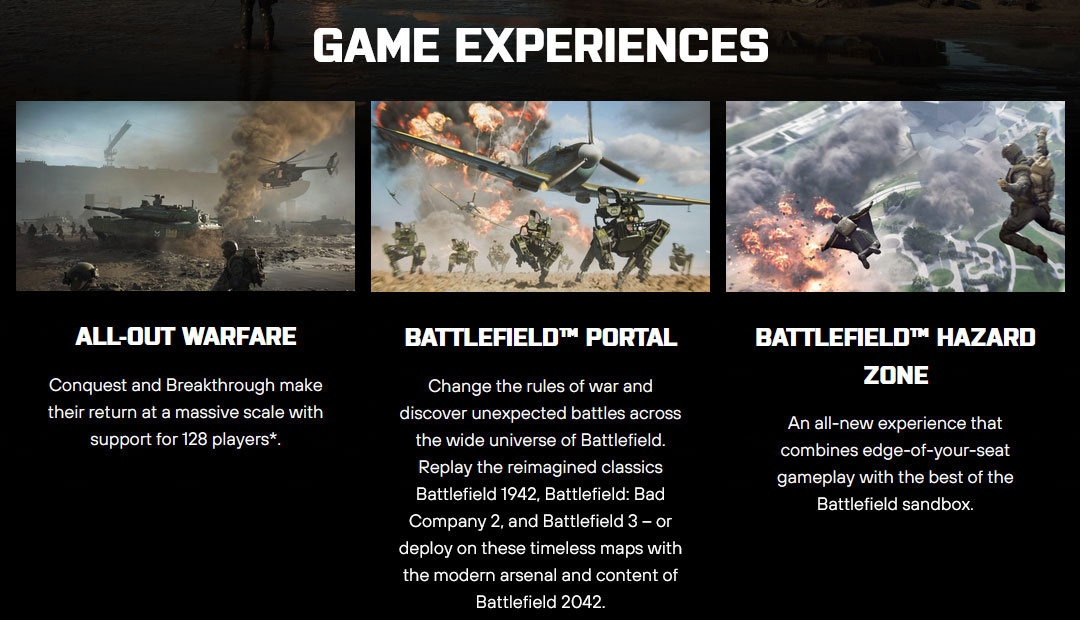
The Battlefield 2042 Open Beta served as a massive stress test for the title’s ambitious core features. Players were thrust into the "Orbital" map, a sprawling, rocket-launch site in French Guiana designed to showcase the series’ new 128-player match capacity.
The primary objective for the development team was to evaluate the stability of the servers and the efficacy of the new "Plus" system—a real-time weapon modification mechanic. While the sheer scale of the chaos was lauded, the beta highlighted significant technical hurdles. Players reported issues ranging from UI clutter and movement inconsistencies to server-side instability. DICE has since acknowledged these "mountain of reports," characterizing the beta not just as a marketing showcase, but as a critical technical milestone used to identify bugs that would have otherwise remained hidden in a controlled environment.
The Specialist Controversy: Evolution or Identity Crisis?
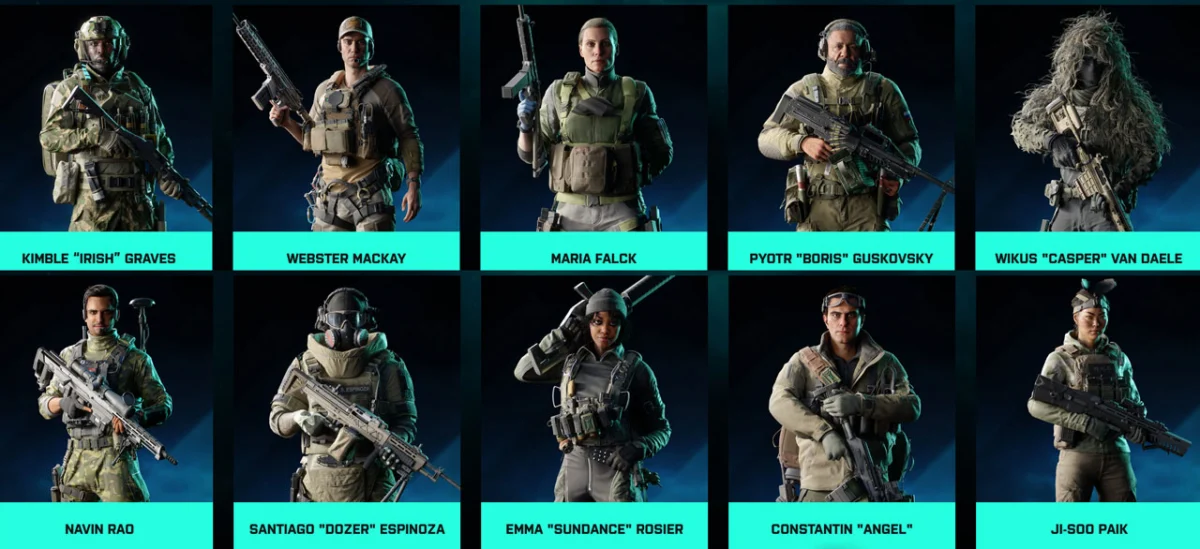
Perhaps the most contentious shift in the Battlefield formula has been the transition from the traditional class-based system to the new "Specialist" framework. In previous iterations, players were locked into roles—Assault, Medic, Support, and Recon—which enforced rigid team-based synergies. Battlefield 2042 introduces ten unique Specialists, each possessing a distinct "Specialty" and "Trait," while allowing for flexible loadouts.
The Developer Perspective
In their latest official briefing, DICE maintains that the Specialist system is an "evolutionary step" for the franchise rather than a departure from its core identity. The developers argue that by detaching specific gadgets from class archetypes, they are fostering greater individual expression on the battlefield. The studio posits that the perceived lack of teamwork during the beta was not a failure of the system itself, but rather a byproduct of players not yet understanding how the new, expanded roster of ten Specialists interacts within a squad.
The Community Backlash
Critics within the community remain unconvinced. The primary grievance stems from the "hero shooter" aesthetic, which many feel erodes the anonymous, cog-in-the-machine feel that defined the Battlefield experience for decades. Concerns persist that with flexible loadouts, the incentive to play a specific, utility-focused role—such as a dedicated medic or ammo-supplier—has been diminished, leading to a more disjointed, individualistic style of play. DICE hopes that by revealing all ten Specialists at once, they have provided the necessary context to demonstrate how these characters can indeed form cohesive, strategic units.
A Comprehensive Roadmap of Improvements
Beyond the philosophical debates surrounding Specialists, DICE has committed to a sweeping list of technical and gameplay adjustments. These changes represent a direct response to the community’s "mountain of feedback."
UI and UX Refinements
One of the most frequent complaints during the beta concerned the user interface. Players found the HUD cluttered, often failing to provide clear information during the intensity of 128-player firefights. DICE has promised a significant overhaul of the UI, focusing on clarity, iconography, and the accessibility of squad-based communications.
Movement and Map Geometry
Movement in the beta was described by many as "floaty" or inconsistent. The developers are currently fine-tuning the animation systems to ensure that transitions between sprinting, sliding, and mounting cover feel more tactile and responsive. Furthermore, feedback regarding the Orbital map—specifically regarding the balance between the vast open spaces and the dense, vertical capture points—is being used to inform level design tweaks, including better spawn point logic and more intuitive ingress/egress points.
Server and Technical Stability
The "code-side" and "server-side" adjustments are perhaps the most vital. DICE is working to address the rubber-banding, frame-rate dips, and server crashes that plagued the beta. The studio emphasizes that the build tested in the beta was several months old, and that the "Day Zero" version of the game will benefit from significant optimization work performed throughout the current autumn period.
The Implications of the "Specialist" Reveal
By doubling the number of playable characters from the initial five seen in the beta to the full roster of ten, DICE is attempting to provide the missing pieces of the puzzle. The new video content released alongside the briefing showcases the interplay between these characters, emphasizing how their unique traits—ranging from grappling hooks and wingsuits to medical pistols and drone-based scanning—can be combined to control the battlefield.
This "all cards on the table" strategy is a calculated move to reassure pre-order holders and fence-sitters alike. By demonstrating the full spectrum of available gameplay, the studio aims to shift the narrative from "the game is broken" to "the game is deep."
Addressing the "Specialization" Gap
One of the most persistent concerns is the feeling of being underpowered during the early stages of progression. Players accustomed to fully kitted-out soldiers in Battlefield 4 or Battlefield 1 felt restricted by the limited weapon and gadget pools in the beta.
DICE has stepped forward to clarify that the beta was a limited snapshot of the progression system. In the final release, the "Plus" system, combined with a much wider array of unlockable hardware and specialized gear, will allow players to truly lean into their preferred combat roles. The studio has explicitly stated that the perceived "lack of specialization" is merely a result of the early-game state, and that the depth of the game will reveal itself as players climb the progression ranks.
The Road to November 19th
The transition from beta to final gold master is a perilous one. DICE faces the dual challenge of fixing technical debt while simultaneously convincing a skeptical fanbase that their vision for the future of Battlefield is the correct one.
The feedback loop established between the community and the studio has been, by all accounts, one of the most exhaustive in the franchise’s history. The volume of data points, bug reports, and social media sentiment analysis has clearly forced DICE to rethink certain aspects of the player experience.
Final Thoughts
As we approach the launch on November 19th, the question remains: is Battlefield 2042 a game that has lost its soul, or is it a brave new world that simply requires a steeper learning curve? If the developer’s recent transparency is any indication, they are fully aware that the stakes could not be higher. They have acknowledged the friction, identified the pain points, and promised a more polished, nuanced experience at launch.
For the millions of players who have invested in the Battlefield legacy, the coming weeks will determine whether 2042 will be remembered as a triumphant modernization or a missed opportunity. One thing is certain: DICE has heard the community, and they are now racing against the clock to prove that they are listening.