Dwi Wanna
For two decades, Santa Monica Studio has masterfully cultivated a singular experience that defines the God of War franchise: the sensation of being microscopic in a world of titans. Since Kratos first stepped onto the shores of Greece in 2005, the series has moved beyond traditional combat, consistently pitting the Ghost of Sparta against entities that defy the laws of physics and scale. This "size-as-spectacle" approach is a cornerstone of the series’ design philosophy, transforming boss encounters from mere tests of skill into cinematic, earth-shaking events.
As we look toward the horizon with the highly anticipated God of War: Laufey, which promises to plunge players into a new realm of towering giants, the time is right to revisit the colossal adversaries who established the series’ legacy. By analyzing in-game model data, community-driven lore calculations, and the environmental scale relative to Kratos himself, we have ranked the ten largest bosses in the history of the God of War franchise.
10. Garm: The Chain-Bound Sentinel
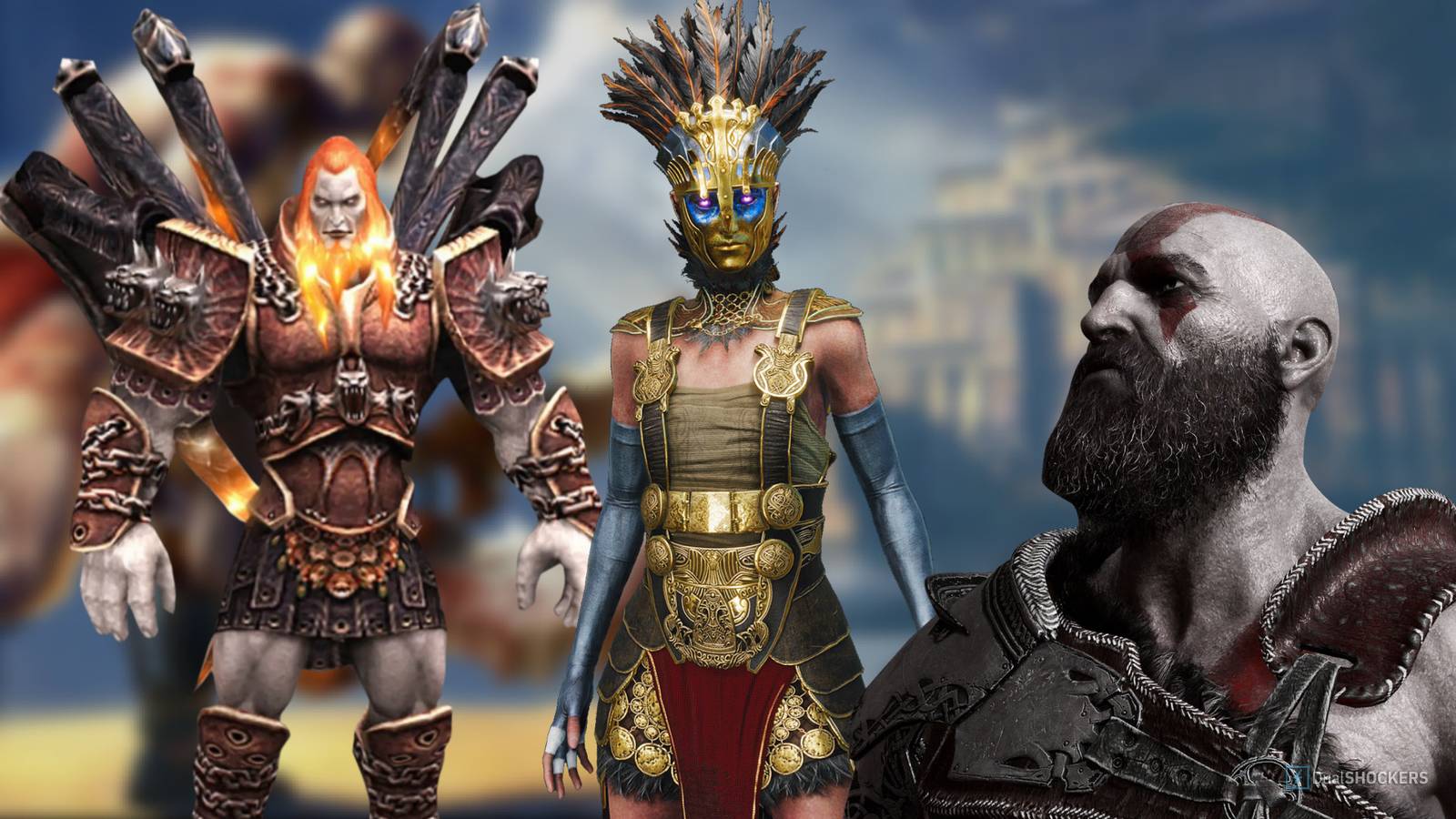
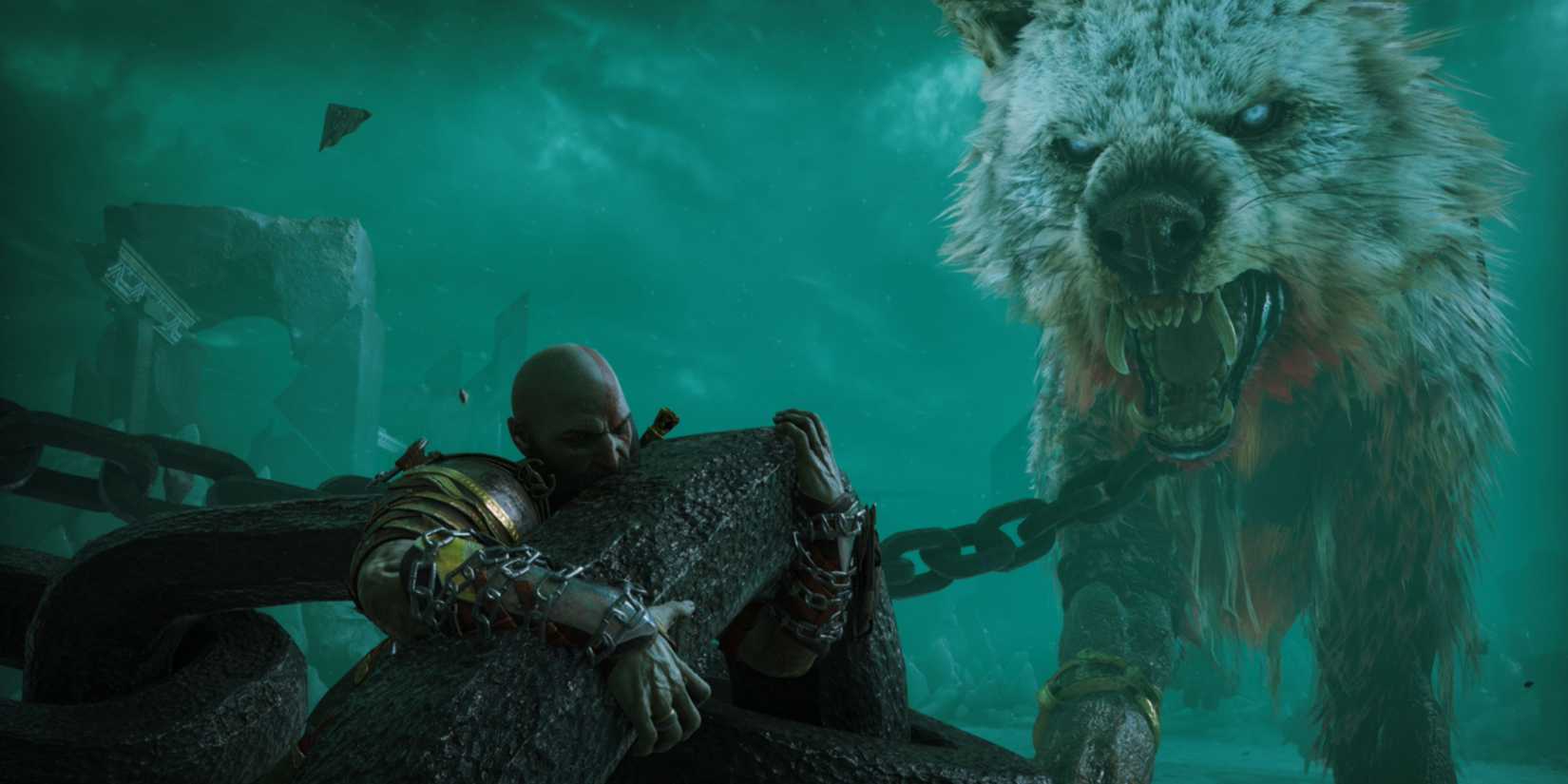
Introduced in the Norse saga, Garm is a gargantuan, chain-bound wolf guarding the frozen gates of Helheim. Unlike the mindless monstrosities of the Greek era, Garm represents a pivot toward the more emotionally complex storytelling of the modern titles.
During the events of God of War Ragnarök, the beast is inadvertently unleashed by Atreus, resulting in a high-stakes chase across the glaciers of Helheim. The sheer scale of Garm is felt through the environment; the player must navigate the icy terrain while avoiding paws capable of leveling small settlements. The encounter concludes with a profound narrative shift, recontextualizing the beast not as a mindless threat, but as a tragic vessel for Fenrir’s soul, ultimately transforming a terrifying boss fight into a poignant, redemptive moment.
9. Charybdis: The Oceanic Vortex
God of War: Ascension often faces unfair criticism, yet it delivered some of the most visually chaotic set pieces in the series’ history. Charybdis, a literal force of nature, serves as a masterclass in spatial design.
Existing as both a sentient creature and a physical whirlpool, Charybdis forces the player to navigate a chaotic arena of swirling teeth and massive, crushing tentacles. The boss battle is a grueling exercise in awareness, requiring players to time their attacks against the creature’s violent tidal inhaling and exhaling. It remains one of the franchise’s most visceral examples of "environmental combat," where the stage itself is as dangerous as the creature residing within it.
8. Poseidon: The Baptism of the Sea
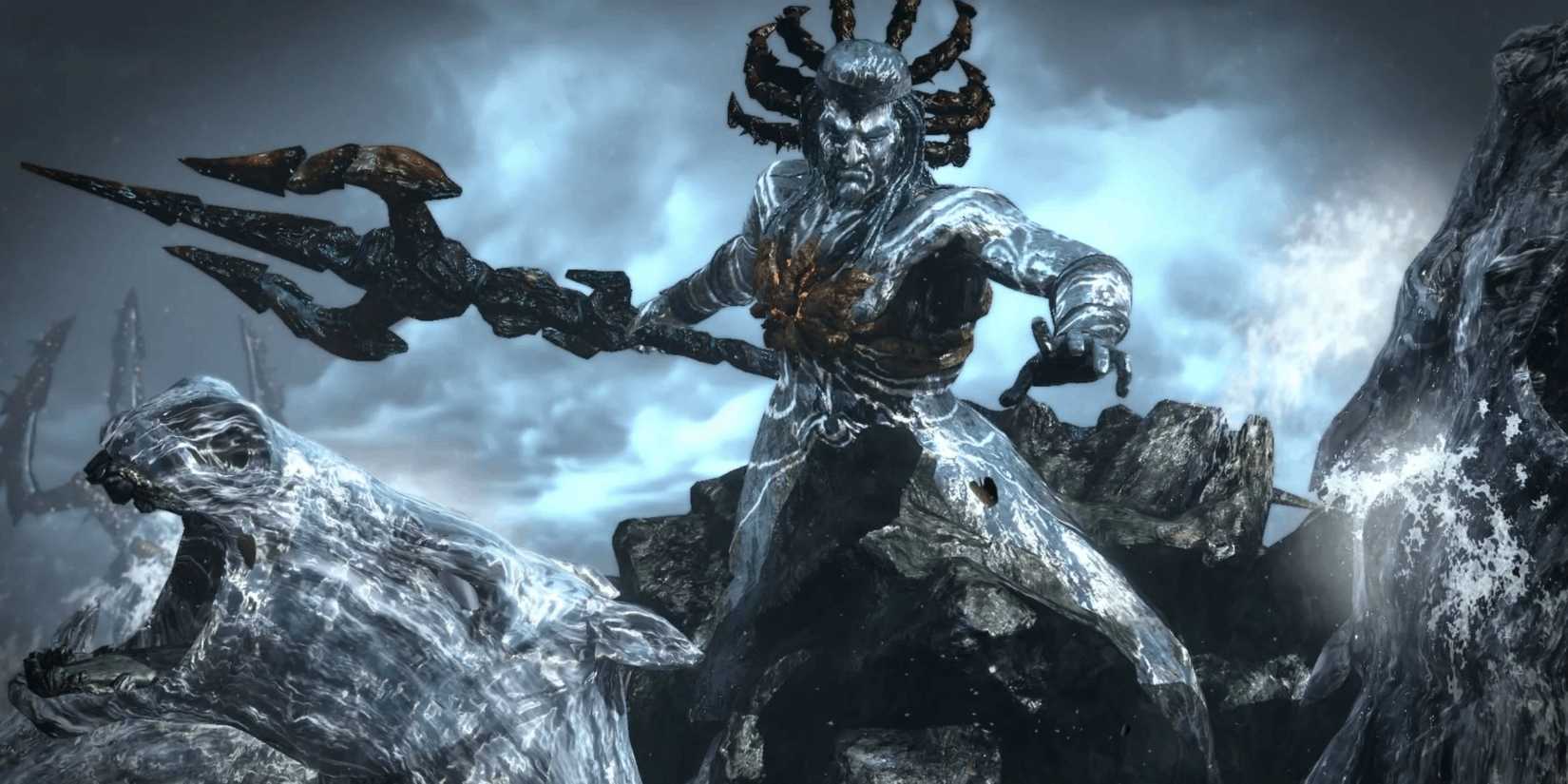
The opening of God of War III is, for many, the definitive "God of War moment." It was an aggressive, uncompromising start to the trilogy’s conclusion, throwing players directly into a war against the God of the Sea.
Poseidon manifests as a colossal avatar forged from ocean water, debris, and marine life, supported by a swarm of Hippocampi—sea horses woven from foam and jagged armor. Fighting this watery leviathan while navigating the back of the Titan Gaia remains an unparalleled cinematic feat. The brutal, close-quarters takedown of the deity not only served as a display of Kratos’ raw power but also set a dark, fatalistic tone for the remainder of the God of War III narrative.
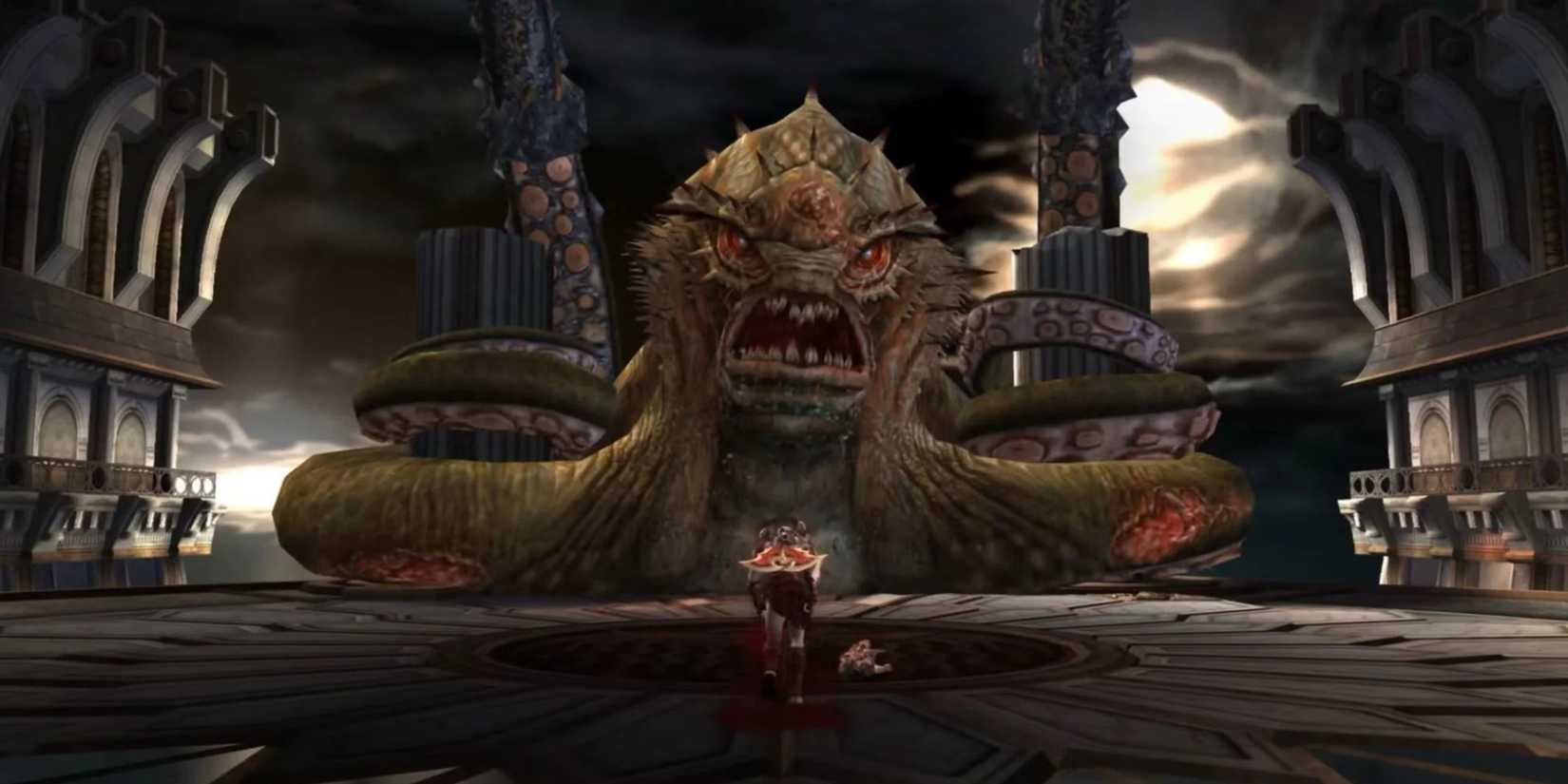
7. The Kraken: The Bridge of Death
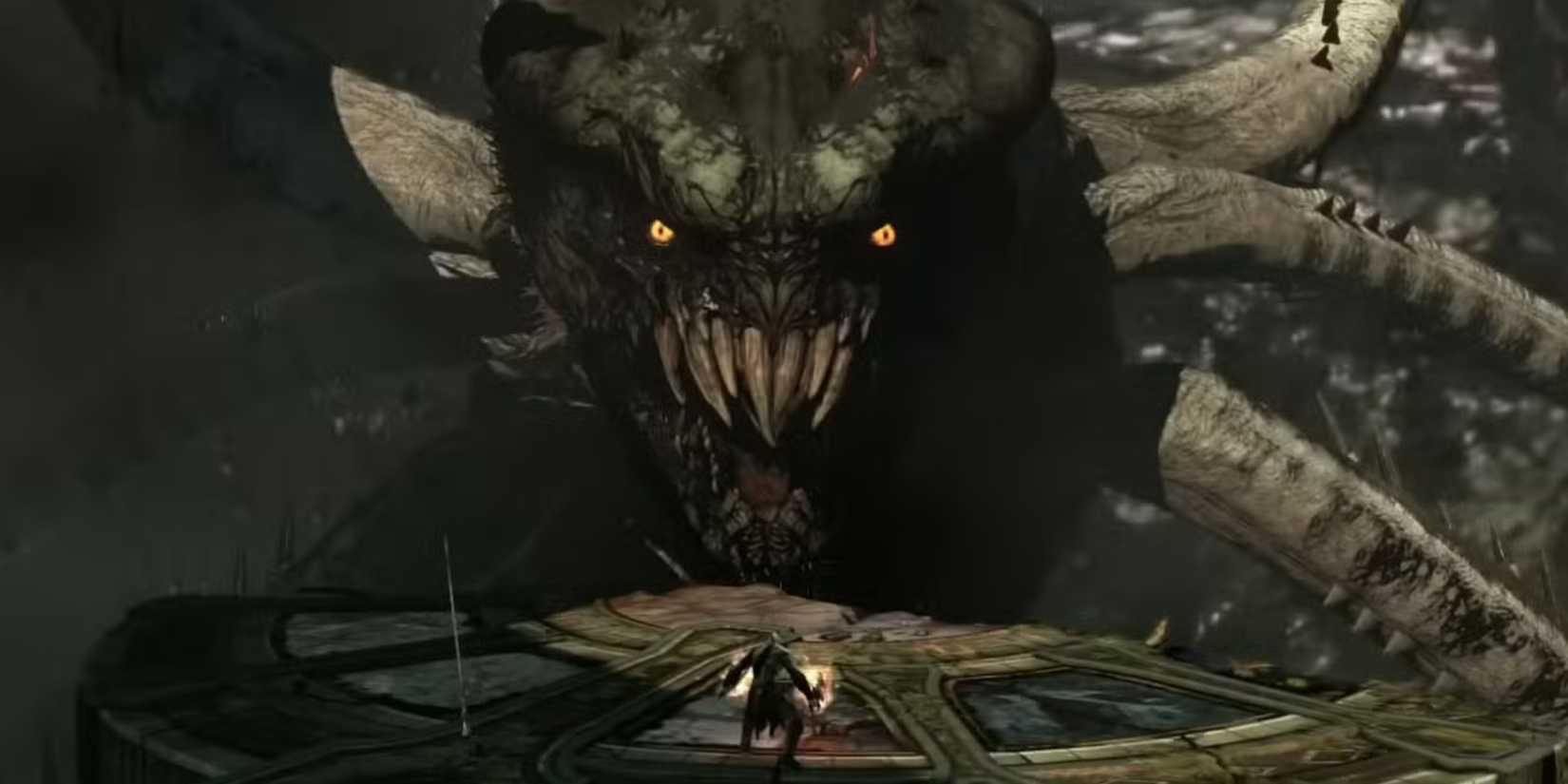
In the twilight hours of God of War II, Kratos encounters the legendary Kraken, a beast whose sheer mass is utilized to block the path to the Sisters of Fate. The creature is so immense that its tentacles are used as structural elements of the environment, wrapping around the exterior of the Loom Chamber.
Defeating the Kraken is a masterclass in puzzle-combat design. Rather than simply slashing at limbs, Kratos must manipulate a retractable stone bridge, turning the architecture of the chamber into a makeshift spear to pierce the creature’s gullet. It is a violent, creative, and blood-soaked encounter that reminds players why the classic God of War era remains a high-water mark for action-adventure design.
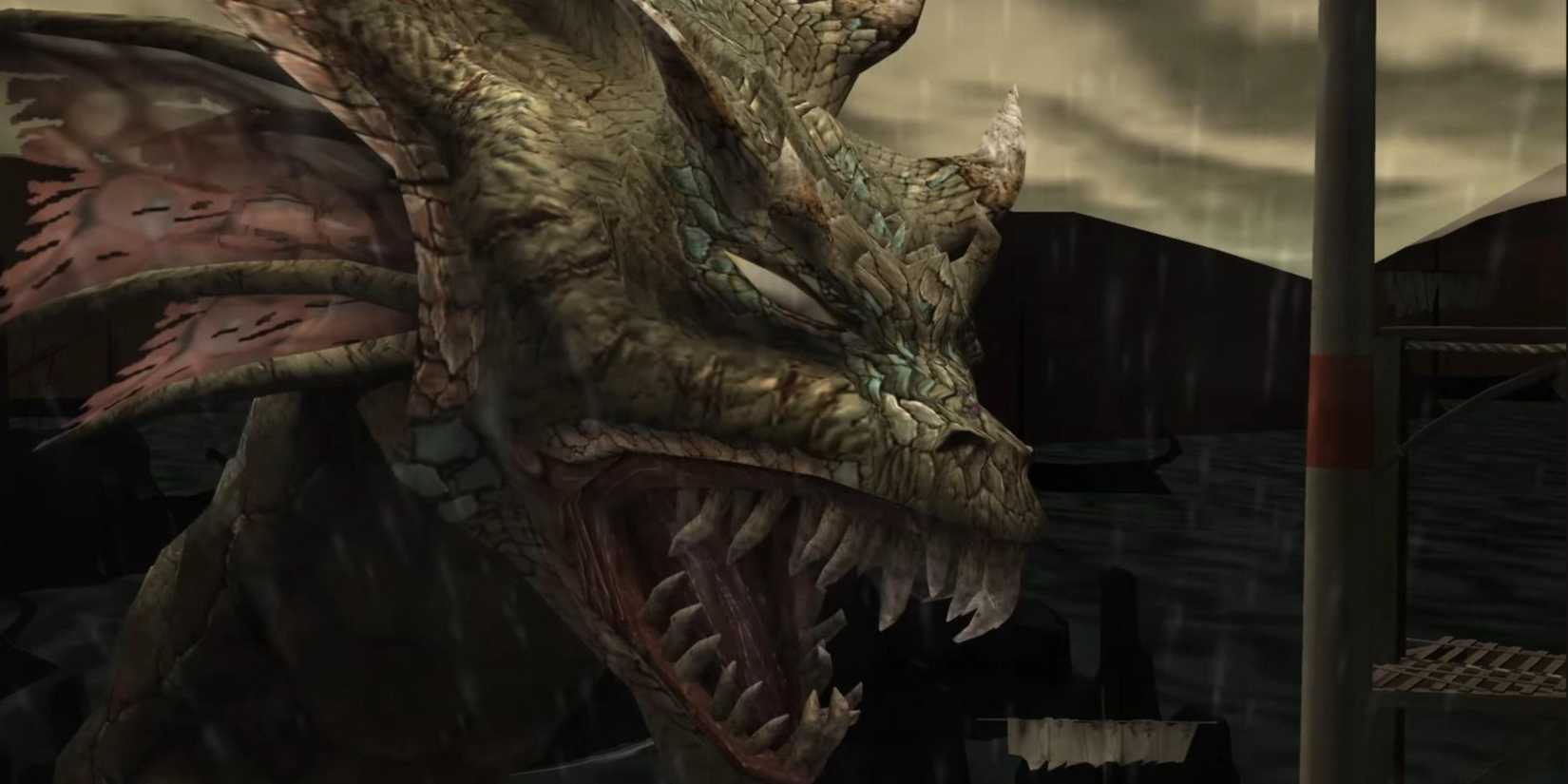
6. The Hydra King: Where It All Began
You never forget your first time, and for millions of players, the Hydra King was the initial benchmark for the God of War experience. Emerging from a violent storm to tear through a fleet of ships, the multi-headed serpent served as the inaugural boss encounter in the 2005 original.
At the time of its release, the Hydra’s scale was staggering. Players had to utilize every trick in Kratos’ limited early-game arsenal to survive, culminating in a cinematic sequence where the Spartan pins the creature’s heads to the ship’s masts. Community lore experts estimate the creature to be the size of a small island—a testament to how early the developers decided to push the limits of the PlayStation 2 hardware.
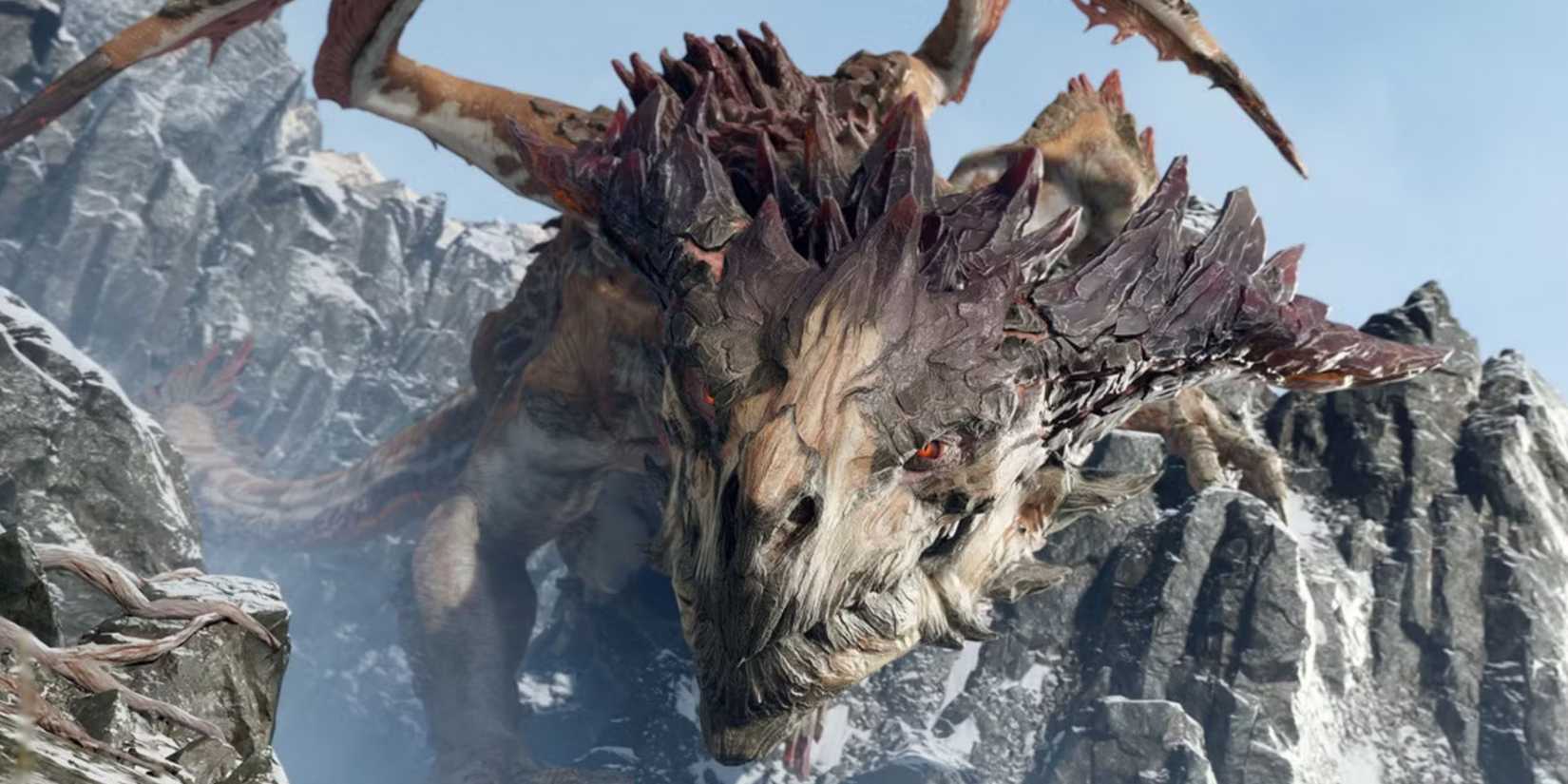
5. Hræzlyr: The Lightning Dragon
The introduction of Norse mythology in the 2018 God of War necessitated a shift in scale, and Hræzlyr, the lightning dragon of Midgard, was the perfect candidate to prove that the series hadn’t lost its touch.
Hræzlyr is so large that he cannot even fit within a single boss arena; the creature’s lower body remains tethered to a neighboring mountain peak throughout the duration of the fight. The battle is a spectacle of red lightning and volatile World Tree sap, featuring a memorable sequence where Kratos is swallowed by the beast. It was a crucial moment for the reboot, proving that the modern era could deliver the same gargantuan thrills as the classic trilogy.
4. Ares: The Divine Throwdown
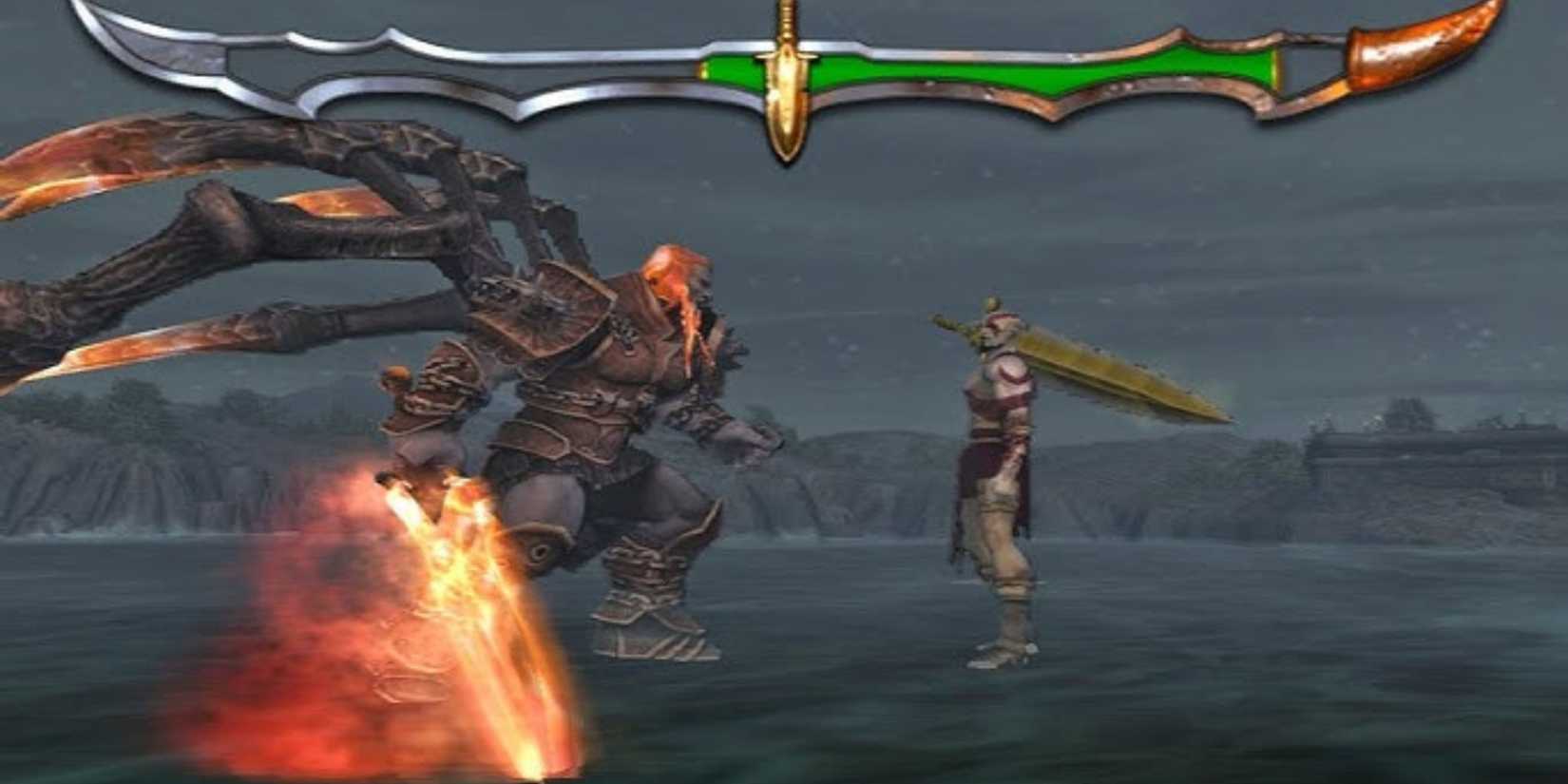
The climax of the original God of War remains a narrative high point, primarily due to the way it distorts scale for the final encounter. After spending the entire game seeking the power to challenge a god, Kratos finally opens Pandora’s Box, matching Ares in size for a colossal, head-to-head physical confrontation.
The psychological weight of the battle—a disciple turning against his master—is matched by the physical scale. Witnessing the two giants trade blows across the landscape changed the industry’s standard for boss finales, establishing a tradition of "god-sized" conclusions that would define every subsequent entry in the series.
3. The Colossus of Rhodes: A Bronze Nightmare
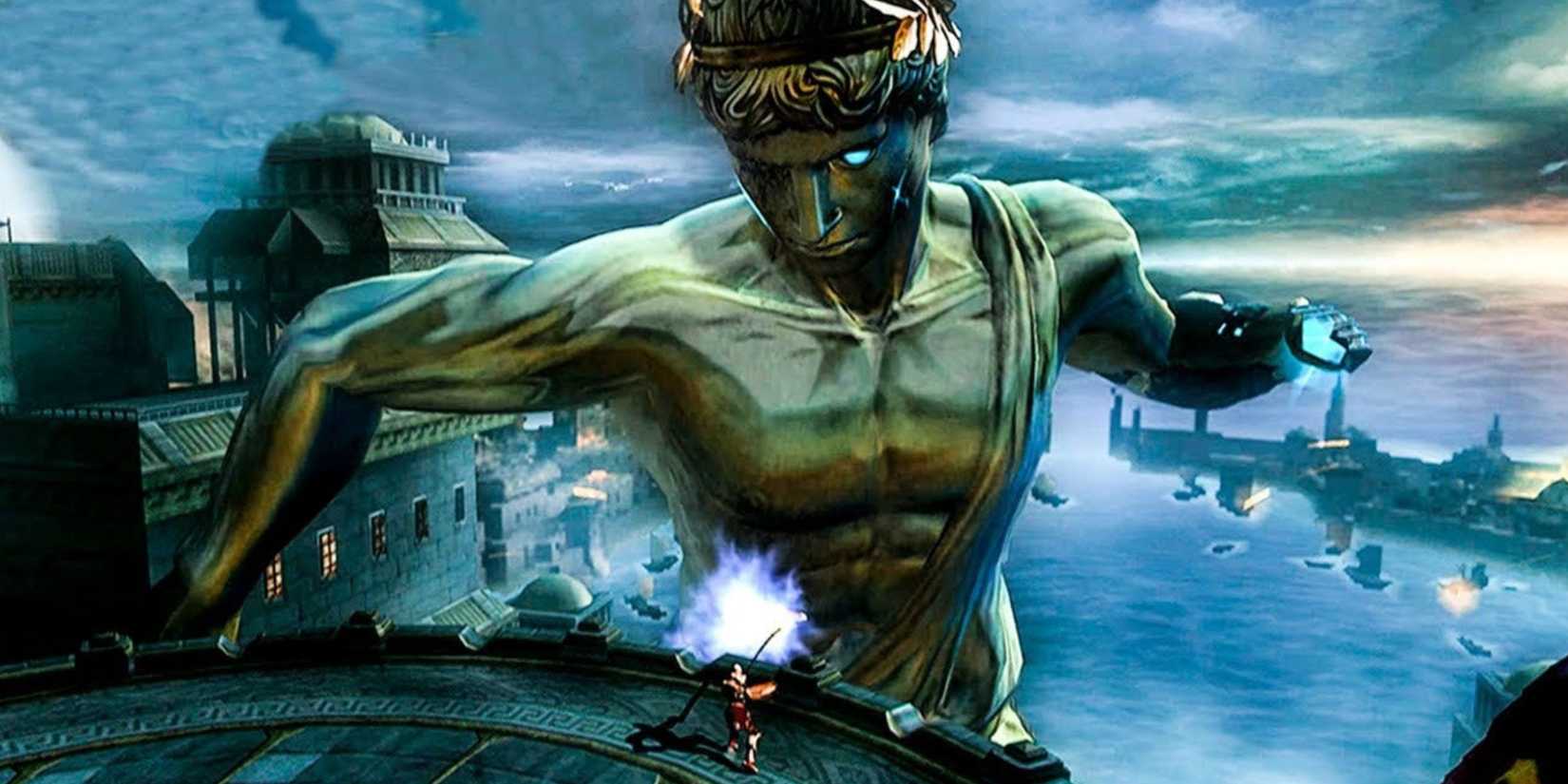
God of War II opened with the Colossus of Rhodes, a statue brought to life by Zeus to humble the newly crowned God of War. The encounter served as a statement of intent: the developers were ready to double down on the scope of the original.
The battle is a multi-stage marathon that forces Kratos to sprint through the city streets, dodging metallic stomps that shake the screen. The sequence even leads the player inside the hollow interior of the statue, where they must dismantle its internal mechanisms. It is a brilliant marriage of platforming, environmental puzzles, and combat that remains a hallmark of the series’ technical ambition.
2. Aegaeon the Hecatonchires: The Living Prison
God of War: Ascension provided the most unsettling encounter in the series. Aegaeon, blessed with a hundred hands, was tortured by the Furies and transformed into a literal, living prison.
The boss fight is unique because the arena is a sentient, writhing entity. As the Furies infect Aegaeon with parasites, his stone-like limbs mutate and lash out, forcing Kratos to navigate a landscape that is constantly shifting and trying to crush him. It is a disturbing, grotesque, and mechanically complex encounter that showcases the peak of Santa Monica Studio’s creativity regarding level geometry.
1. Cronos: The Mountain-Sized Beatdown
When discussing scale, nothing in the history of gaming touches the encounter with Cronos in God of War III. Standing at a confirmed height of over 500 meters, the Titan is so massive that he does not even perceive Kratos as a threat; to him, the Spartan is a mere pest.
The fight functions as a self-contained, interconnected level. Players must scale the Titan’s weathered skin, battle enemies on his shoulders, and eventually force their way into his stomach. It is a mechanically ambitious, visually breathtaking sequence that captures the essence of the God of War franchise: a mortal man, fueled by rage, dismantling the very foundations of the world.
Official Responses and Development Context
Santa Monica Studio has never focused on releasing technical "stat sheets" for their bosses. Instead, they prioritize the emotional and visual impact of the encounter. Lead designers have frequently noted in developer diaries that the goal is to make the player feel the weight of their own insignificance. By keeping the boss’s size vague but undeniably overwhelming, the studio ensures that every encounter feels like a legendary event rather than a math problem.
Implications for the Future
As the franchise prepares for God of War: Laufey, the bar for scale has been set incredibly high. The series has evolved from the Greek era’s focus on singular, god-sized targets to the Norse era’s more nuanced, intimate, and often tragic encounters. If the upcoming title intends to introduce a "whole new realm of giants," fans can expect the developers to once again push the boundaries of current-gen hardware, likely blending the massive set pieces of God of War III with the emotional gravity found in Ragnarök.
The God of War franchise remains a testament to the power of cinematic action. Whether it is a Titan 500 meters tall or a wolf that acts as a vessel for a soul, the core appeal remains the same: the drive to overcome the impossible. As we look back at these ten giants, it becomes clear that the series is not just about the size of the monster, but the size of the heart—or the rage—of the man standing in front of it.

 Asro
Asro
 Muslim