Nana Muazin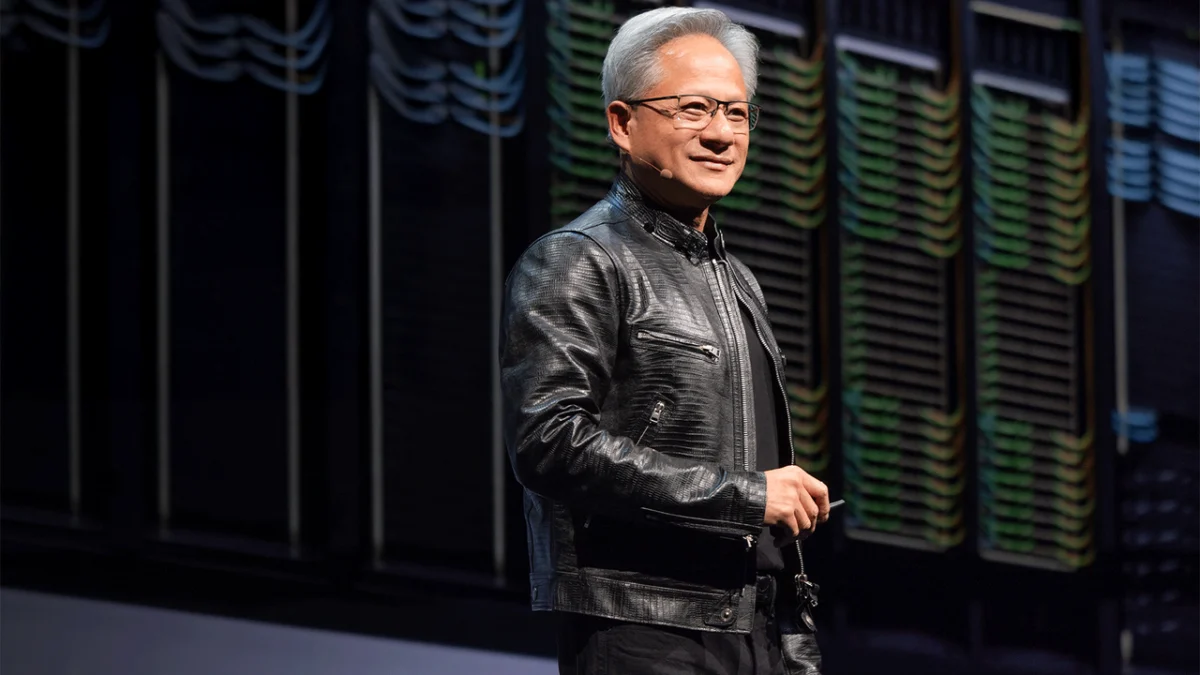
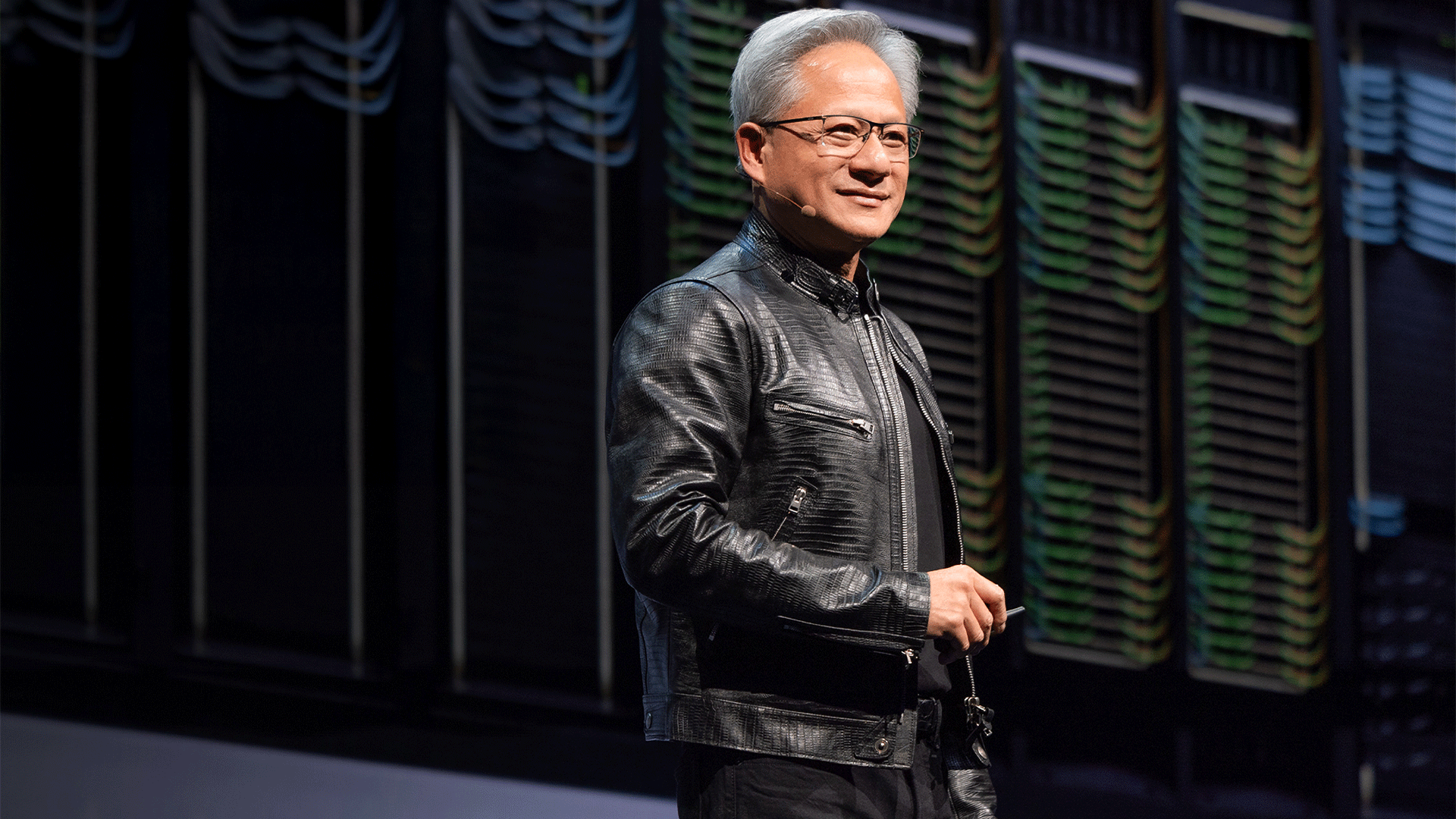
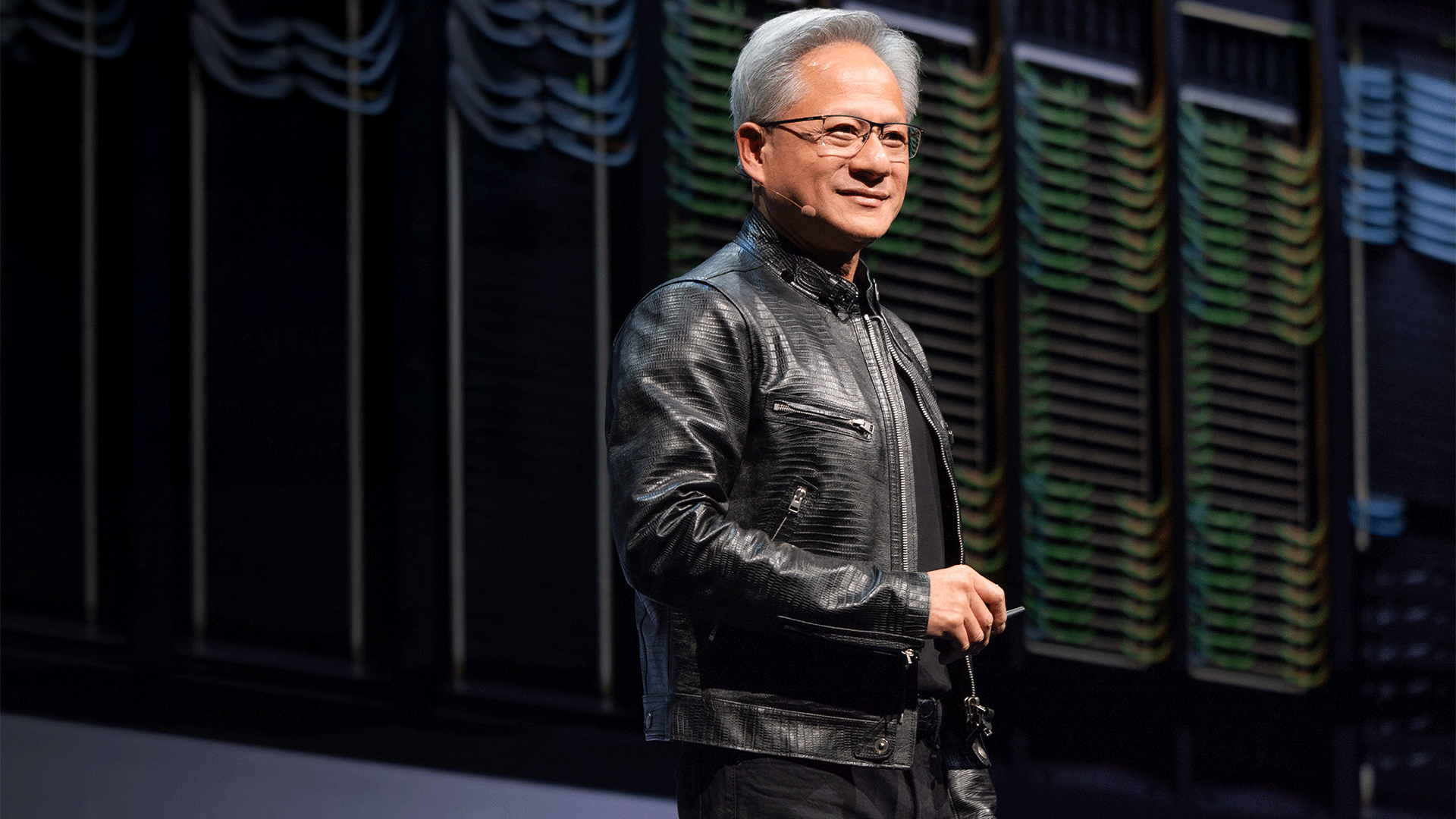
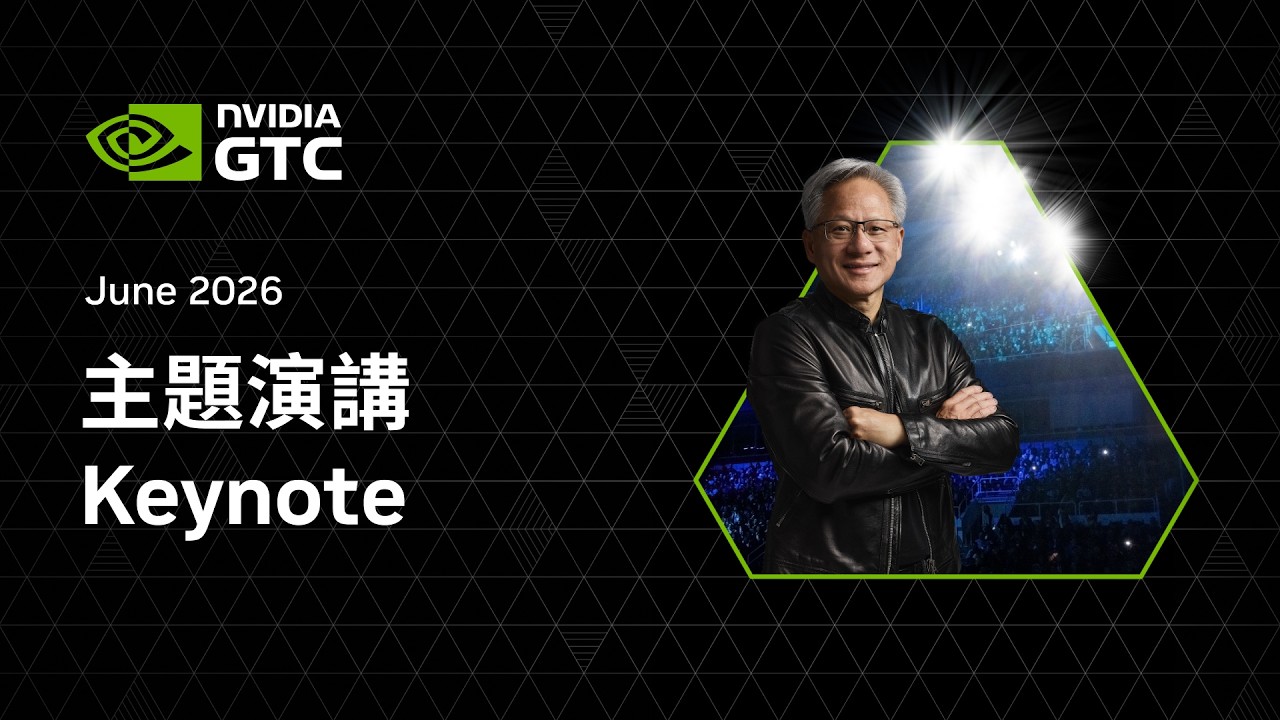
As the global technology industry converges on Taipei for Computex 2026, all eyes are locked on a single focal point: the Taipei Music Center. Nvidia CEO Jensen Huang is set to take the stage to deliver a highly anticipated keynote address that promises to redefine the landscape of artificial intelligence and high-performance computing.
Scheduled for May 31 at 8:00 PM PT (11:00 PM ET), or 11:00 AM on June 1 in local Taipei time, the event is positioned as a watershed moment for the "breakthroughs driving the next generation of AI." While Nvidia has dominated the enterprise and data center sectors for years, the 2026 event carries additional weight due to the anticipated unveiling of consumer-facing hardware that could shift the paradigm for the modern PC.
The Main Event: What to Expect from Jensen Huang
Nvidia’s keynote at Computex is traditionally a showcase of technical prowess and strategic foresight. This year, industry analysts expect the focus to be bifurcated: a heavy emphasis on "AI factories"—the massive, interconnected data center clusters that power modern Large Language Models (LLMs)—and a surprising pivot toward the consumer PC market.
The keynote is expected to run between 90 minutes and two and a half hours. Historically, Huang uses this time not just for product announcements, but for long-form demonstrations of how Nvidia’s hardware stack integrates with software ecosystems like CUDA, Omniverse, and the latest iteration of its AI-driven enterprise tools.
The Rise of the "AI Factory"
At the heart of the presentation will likely be the next generation of GPU architecture designed specifically for hyperscale computing. As companies globally race to train increasingly complex models, the demand for memory bandwidth and interconnect speed has reached an inflection point. Expect announcements regarding new iterations of the Blackwell or subsequent architectures, focusing on power efficiency and thermal management—critical metrics for data centers operating under the constraints of modern energy grids.
Chronology: The Road to Taipei 2026
The lead-up to this year’s Computex has been characterized by a distinct pattern of strategic leaks and coordinated messaging between Nvidia and its primary industry partners, most notably Microsoft.
- Early May 2026: Speculation begins regarding Nvidia’s re-entry into the high-performance mobile processor space.
- Mid-May 2026: Reports surface regarding a "new era of the PC," with Microsoft and Nvidia releasing cryptic, coordinated social media teasers.
- May 30, 2026: Full specifications for the highly anticipated N1 and N1X SoCs (System-on-Chips) are leaked, detailing an ARM-based architecture.
- May 31, 2026 (8:00 PM PT): The main keynote event at the Taipei Music Center.
- June 1, 2026: The official start of Computex, where the hardware revealed by Huang will be available for hands-on examination by press and analysts.
The "Pregame" event, hosted by industry experts Bruce Lu of Goldman Sachs and Tracy Tsai of Gartner, has already begun setting the stage, providing deep-dive analysis on the supply chain implications of Nvidia’s move into ARM-based consumer silicon.
Supporting Data: The N1X and the Shift to ARM
The most significant development arriving at Computex is the leak of the N1 and N1X SoCs. For years, the PC market has been dominated by x86 architecture, but the landscape is shifting. The N1X, according to the latest intelligence, will feature up to 20 ARM-based cores.
Technical Breakdown: N1 vs. N1X
- N1X: Designed for the high-end enthusiast and professional mobile segment, potentially integrating high-core counts (up to 20) to handle both intensive local AI inferencing and traditional multi-threaded workloads.
- N1 (Standard): A more balanced configuration, likely utilizing 10-core and 12-core designs, aimed at the mainstream ultrabook market.
This architecture signals a direct challenge to the incumbents in the laptop CPU space. By leveraging its expertise in GPU design and combining it with custom ARM cores, Nvidia is attempting to create a "total solution" chip that handles local AI processing—such as real-time language translation, generative media, and local LLM execution—without relying on cloud latency.
Official Responses and Strategic Silence
Despite the avalanche of leaks, Nvidia has maintained its signature "radio silence" regarding official confirmation. This controlled ambiguity is a staple of Huang’s keynote strategy, designed to maximize the impact of the live reveal.
However, Microsoft’s involvement is telling. The company’s "new era of PC" campaign is widely interpreted as a commitment to the Windows on ARM ecosystem. By aligning with Nvidia’s N1X, Microsoft is effectively endorsing a transition away from the traditional x86-dominated laptop experience toward one defined by AI-integrated hardware.
Conversely, Nvidia has been quick to quell rumors regarding its GeForce gaming division. Despite murmurs that the company might re-release older GPU architectures to combat the rising cost of entry-level components, internal sentiment suggests this is unlikely. Nvidia appears focused on moving the market forward through innovation rather than relying on legacy hardware cycles.
Implications for the Tech Industry
The implications of the 2026 Computex keynote extend far beyond simple hardware specifications.
1. The Decentralization of AI
By moving AI capabilities from the cloud to the consumer device (via the N1X chip), Nvidia is setting the stage for a "decentralized AI" future. If a user’s laptop can locally process complex models, the privacy and latency benefits are immense. This could disrupt the current subscription-heavy cloud AI model, forcing software developers to optimize for local hardware.
2. The ARM-ification of the PC
The adoption of ARM architecture for high-performance laptops marks the final stage of a transition that began nearly a decade ago. With Nvidia now providing a high-performance alternative to traditional x86 providers, the laptop market is likely to see a surge in battery efficiency, thermal performance, and AI-specific throughput.
3. Economic and Supply Chain Shifts
The involvement of experts like Bruce Lu and Tracy Tsai during the pre-keynote analysis highlights the economic gravity of this launch. The move to a custom, Nvidia-designed SoC will necessitate a massive realignment in the PC manufacturing supply chain. OEMs (Original Equipment Manufacturers) will need to pivot their production lines to accommodate the unique power delivery and thermal requirements of the N1X.
A Watershed Moment
As the lights dim at the Taipei Music Center and Jensen Huang walks onto the stage, the industry is witnessing more than just a product launch. We are seeing the consolidation of a decade’s worth of AI research into a singular, tangible roadmap.
For the average consumer, the N1X represents a promise: that the future of computing will be faster, smarter, and significantly more capable of handling the demands of generative AI. For the industry, it represents a high-stakes bet that the future of the PC lies not in faster clock speeds alone, but in the intelligent integration of neural processing units directly into the heart of the silicon.
Whether this move will successfully unseat the established x86 guard or create an entirely new category of "AI-first" computing remains to be seen. But as of this year’s Computex, one thing is certain: Nvidia is no longer just a graphics company—it is the engine room of the future of global computing.
Stay tuned to Tom’s Hardware for live coverage as the keynote progresses and for our full, in-depth analysis of the N1X architecture in the days following the event.


 Ammar Sabilarrohman
 Reynand Wu