

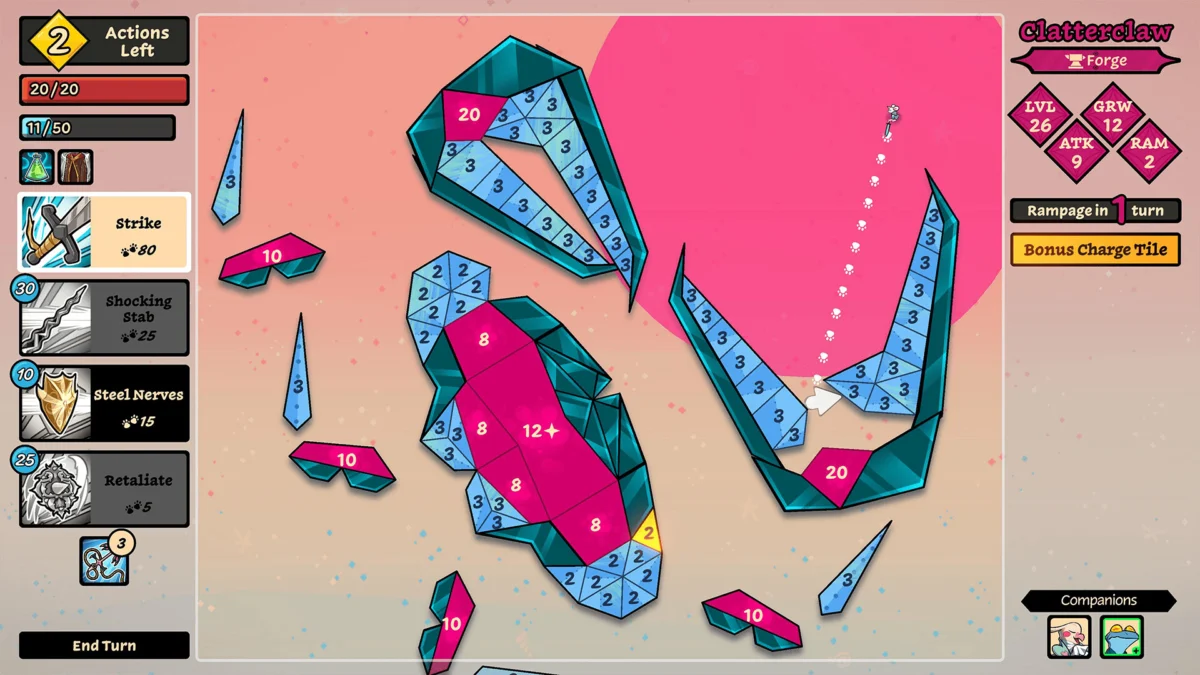
In the vast, ever-expanding ecosystem of indie gaming, it is rare to find a title that genuinely defies categorization. While the turn-based RPG genre is well-trodden, Beast Breaker—the latest title to capture the attention of the indie community—infuses the genre with a kinetic, tactile layer of physics-based gameplay that feels entirely fresh. By blending the strategic depth of turn-based decision-making with the high-stakes momentum of pinball, Beast Breaker transforms the mundane act of attacking into a complex, satisfying puzzle.
The Core Concept: Strategic Momentum
At its heart, Beast Breaker follows the journey of a humble mouse, an unlikely hero residing in their grandmother’s quiet home. This tranquil origin story is quickly interrupted by a looming threat: massive, multi-faceted monsters are terrorizing the surrounding villages. To save their home, the player must take on the mantle of a warrior, utilizing a unique, physics-driven combat system to dismantle these behemoths piece by piece.
Unlike traditional RPGs, where combat is often limited to selecting menu options or executing static animations, Beast Breaker demands that the player treat themselves as the projectile. Combat revolves around "flinging" the protagonist at the enemy. Players must calculate trajectories and angles, bouncing off various surfaces of the creature to maximize impact.
However, the game is far from a mindless action title. It is a game of calculated risk. Each monster is composed of different structural segments:
- Shielded Parts: These segments are impervious to damage and serve as obstacles that can disrupt your momentum.
- Vulnerable Points: Highlighted in red and marked with numerical values, these are the primary targets. Hitting these reduces the monster’s health, eventually causing that specific segment to shatter.
- Indestructible Black Segments: These act as permanent hazards, forcing the player to adapt their strategy as the battlefield changes.
Chronology: From Concept to Viral Success
The rise of Beast Breaker is a testament to the power of community events and iterative design. The game first garnered significant attention during its showcase at Dreamhack, where its unique visual style and gameplay hook proved to be a standout among a crowded field of exhibitors.
Attendees found themselves captivated by the rhythm of the game: the three-turn attack cycle, the subsequent monster counter-attack, and the transformation phases that keep players on their toes. Since its debut, the developers have worked to refine the physics engine, ensuring that every "bounce" feels deliberate and responsive. The transition from a promising prototype at industry events to a fully realized, polished Steam release marks a significant milestone for the development team.
Tactical Depth and Supporting Mechanics
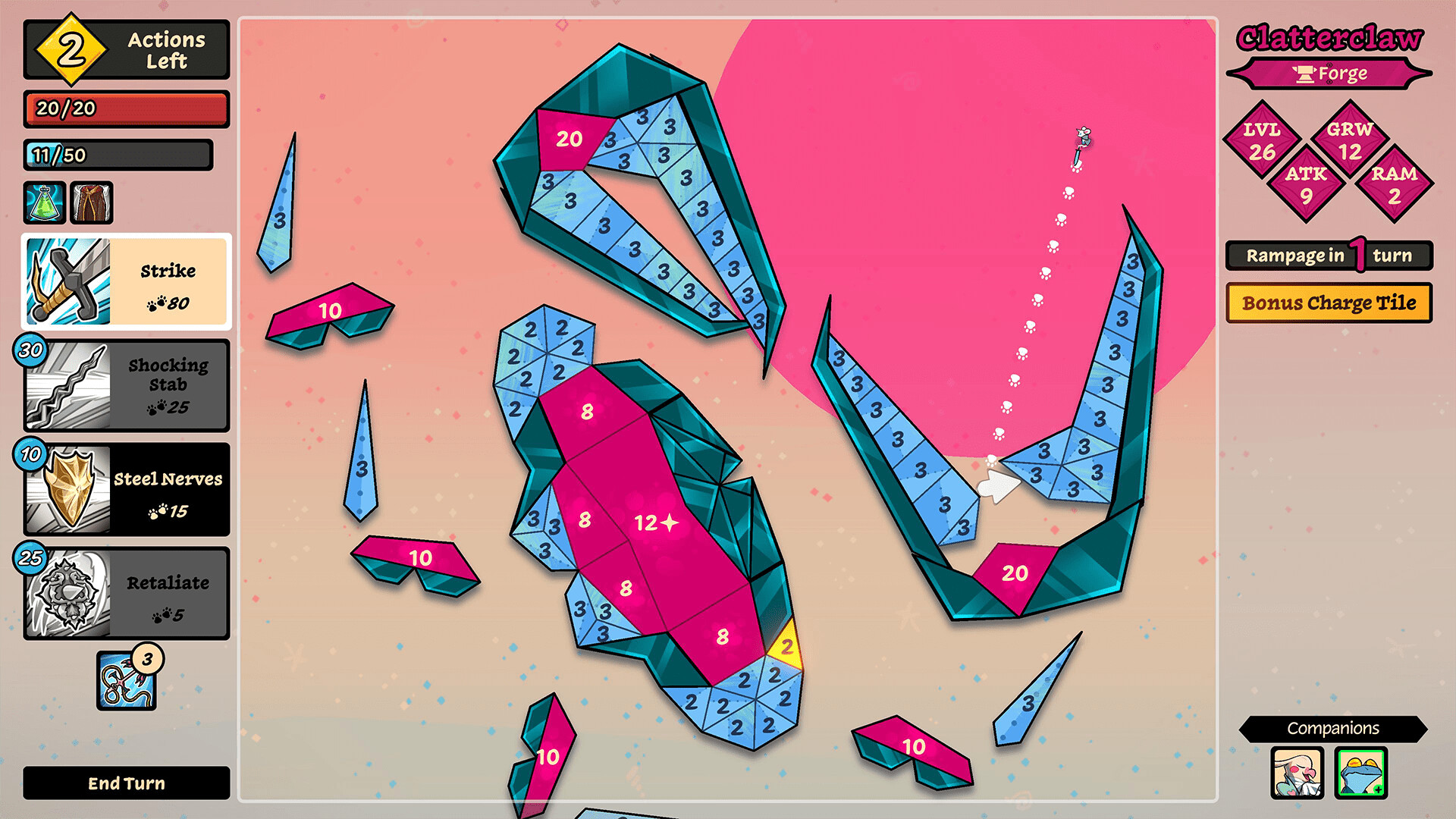
The strategic ceiling of Beast Breaker is high, primarily due to the "three-move" limitation. Each round gives the player only three opportunities to launch themselves at the enemy. Because the monster reacts, moves, and transforms after these three turns, every choice is weighted with consequence.
The Risk-Reward Dynamic
A common pitfall for new players is focusing exclusively on clearing shields. While clearing away armor might seem helpful, it consumes limited move slots. If a player spends all three turns removing shields without hitting a red, vulnerable segment, they leave themselves wide open to a powerful counter-attack. Furthermore, the game requires constant spatial awareness. Ending a turn in a "red zone"—a designated area of the battlefield where the monster intends to strike—is a recipe for disaster. This creates a fascinating tension: do you play it safe to avoid damage, or do you take a risky, high-precision shot to destroy a critical part of the monster before it can retaliate?
The Arsenal of Change
Variety is a cornerstone of the game’s longevity. Players are not stuck with a single playstyle; they can unlock and equip a diverse array of weapons. These aren’t just cosmetic upgrades; they fundamentally alter the physics of your attacks. Some weapons allow for tighter turns, while others introduce mechanics like dashing through enemy segments, effectively bypassing the physics constraints that govern standard movement. This layer of customization allows players to approach the same monster in entirely different ways, encouraging experimentation and mastery.
Implications for the Turn-Based Genre
The success of Beast Breaker signals a shift in how developers are approaching turn-based combat. By introducing physics-based mechanics, the developers have successfully bypassed the "static" feeling that often plagues turn-based RPGs. The implication here is clear: players are increasingly craving interactivity even within methodical, strategic frameworks.
For those who historically dislike "action" games due to the high reflex requirements, Beast Breaker acts as a perfect middle ground. It rewards planning and observation over twitch reflexes, proving that a game can be kinetic and dynamic without demanding frame-perfect execution. It bridges the gap between the puzzle genre and the RPG, creating a hybrid experience that is as mentally taxing as it is visually rewarding.
Expert Perspective: Why It Works
From a design standpoint, the game succeeds because it respects the player’s agency. When you miss a shot or hit a shield, it feels like a failure of calculation rather than a lack of "skill" in the traditional gaming sense. This makes the learning curve feel fair.
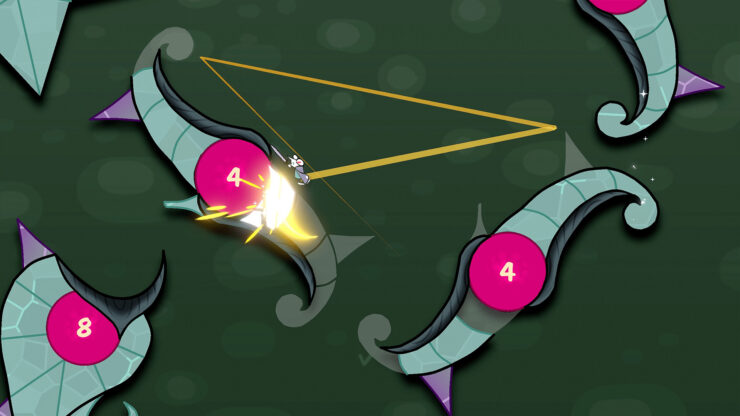
As noted by industry observers, the game’s "pinball-like" levels are not just a gimmick; they are the core narrative engine. Watching a massive, intimidating monster slowly lose its form as you strip away its armor creates a palpable sense of progression. You aren’t just draining a health bar; you are actively dismantling a threat. The shift in the monster’s behavior as it loses pieces—often becoming more erratic or dangerous—adds a layer of evolving difficulty that keeps the player engaged throughout the encounter.
Looking Ahead: The Future of the "Breaker" Concept
With the game now available on Steam, the community has begun to explore the higher-level strategies of the title. Speedrunners and puzzle enthusiasts are already debating the most efficient routes to dismantle the game’s toughest bosses. The modular nature of the monsters suggests that the gameplay loop is highly scalable, leaving room for potential expansions, new monster types, or even community-driven level design.
For developers looking to enter the indie space, Beast Breaker serves as a case study in focus. It does not try to be an open-world epic or a hyper-realistic simulation; it takes one core concept—flinging a mouse at a monster—and explores every possible permutation of that mechanic. It is a reminder that in an industry obsessed with scale, depth often provides the most lasting satisfaction.
Conclusion
Beast Breaker is a triumph of design, proving that even the most well-worn genres have room for innovation. It manages to feel like a high-octane action game while remaining rooted in the careful, thoughtful traditions of the RPG. Whether you are a fan of tactical puzzles, physics-based chaos, or simply looking for a charming, well-executed indie experience, Beast Breaker is a title that demands your attention.
As players continue to dive into the game on Steam, the consensus is clear: the humble mouse has a lot of fight left in them, and the giant monsters terrorizing the village don’t stand a chance against a well-placed bounce. If you are looking for a title that forces you to think, calculate, and ultimately celebrate the satisfying "clink" of a perfect hit, Beast Breaker is essential playing.











No comments yet. Be the first to join the conversation!