

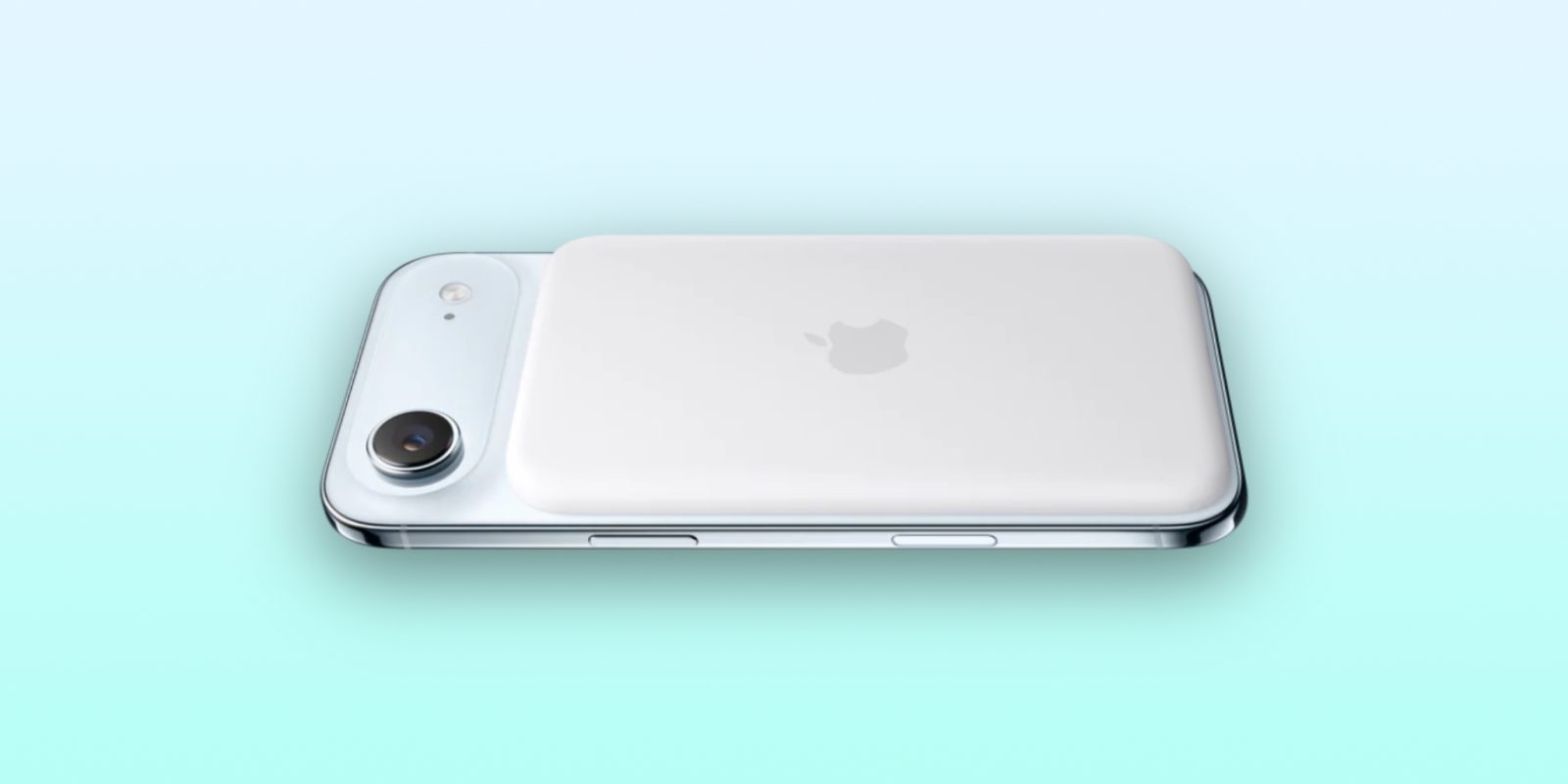
The release of the iPhone Air has reignited consumer interest in the MagSafe ecosystem, specifically regarding portable power solutions. Apple’s decision to reintroduce an official MagSafe Battery Pack—priced at $99—has sparked a significant debate among enthusiasts. While the official accessory is undeniably slim and tailored for the iPhone Air’s unique form factor, it arrives with notable technical limitations, particularly regarding its battery capacity and maximum charging output.
For users seeking a more robust, faster, or more cost-effective power solution, the market is currently saturated with high-performance alternatives. Thanks to the transition of the MagSafe standard into the broader Qi2 open standard, third-party manufacturers are now capable of delivering charging experiences that often exceed Apple’s own first-party hardware.

Main Facts: The State of Portable Charging
The current landscape of MagSafe charging is defined by the shift from the original, proprietary Qi standard (limited to 7.5W) to the Qi2 standard, which unlocks 15W wireless charging speeds.
The primary contention point is Apple’s official MagSafe Battery Pack for the iPhone Air. Despite the iPhone Air handset supporting up to 20W of wireless charging, the official Apple battery pack is capped at 12W. This discrepancy leaves a performance void that third-party manufacturers like Anker, UGREEN, and Belkin are rushing to fill.
Key Performance Metrics
- Official Apple Pack: $99, 12W output, optimized for form factor.
- Third-Party Qi2 Options: Often feature 15W to 25W output, higher mAh capacities, and competitive pricing.
- Standardization: Qi2 compatibility ensures that safety protocols and magnetic alignment are consistent across certified devices, removing the "tax" of proprietary branding.
Chronology: The Evolution of MagSafe
To understand why the market is currently in this state, we must look at the timeline of wireless charging innovation.
- Late 2020: Apple introduces MagSafe with the iPhone 12 series, utilizing a proprietary array of magnets to optimize charging efficiency.
- 2021–2023: The market sees a proliferation of "MagSafe-compatible" chargers, most of which are restricted to 7.5W charging due to Apple’s licensing restrictions.
- 2024: The Wireless Power Consortium (WPC) launches the Qi2 standard, which incorporates Apple’s MagSafe technology into a universal specification.
- September 2025: The launch of the iPhone Air. Apple reintroduces its official battery pack, but market analysts immediately note that it fails to keep pace with the 20W potential of the new phone.
- Present Day: A "Power War" ensues as manufacturers leverage Qi2 and Qi2.2 to provide faster charging and higher capacity than the OEM (Original Equipment Manufacturer) hardware.
Supporting Data: Comparative Analysis
When evaluating the current crop of portable chargers, the trade-off is almost always between weight/thinness and capacity/speed.

Anker Nano Power Bank: The Balanced Performer
The Anker Nano remains the gold standard for users who prioritize the "slim" aesthetic that Apple’s official pack aims for.
- Performance: 15W Qi2 charging.
- Capacity: 5,000mAh.
- Why it works: It manages thermals better than its predecessors, allowing for sustained, efficient energy transfer. It feels like a first-party product, justifying its position as the primary alternative.
Baseus: The Budget-Friendly Contender
For the cost-conscious consumer, the Baseus offering provides a functional entry point.
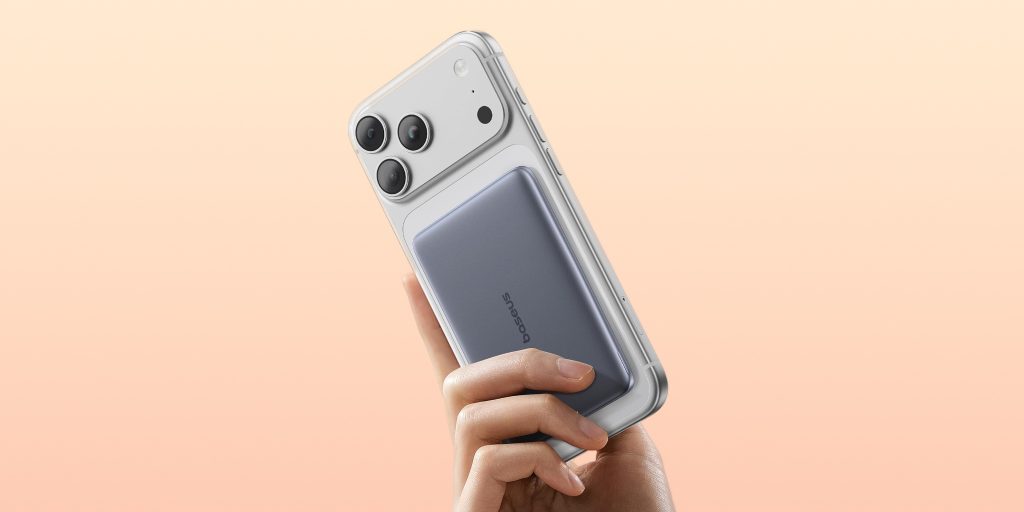
- Performance: 7.5W wireless (Qi limited), 20W wired.
- Capacity: 5,000mAh.
- The Catch: It lacks the Qi2 certification, meaning it cannot hit the 15W wireless threshold. It is best used as a secondary "emergency" battery rather than a daily driver.
UGREEN: The Powerhouse
UGREEN is currently pushing the envelope with support for Qi2.2.
- Performance: Up to 25W wireless charging.
- Capacity: 10,000mAh.
- Versatility: With an integrated USB-C cable and 30W wired output, this device functions more as a comprehensive power hub than a simple battery pack. It is designed for the power user who requires a full charge (or two) while on the move.
Belkin: The Accessory Ecosystem Hub
Belkin’s approach is unique: it focuses on utility.

- Performance: 25W capacity.
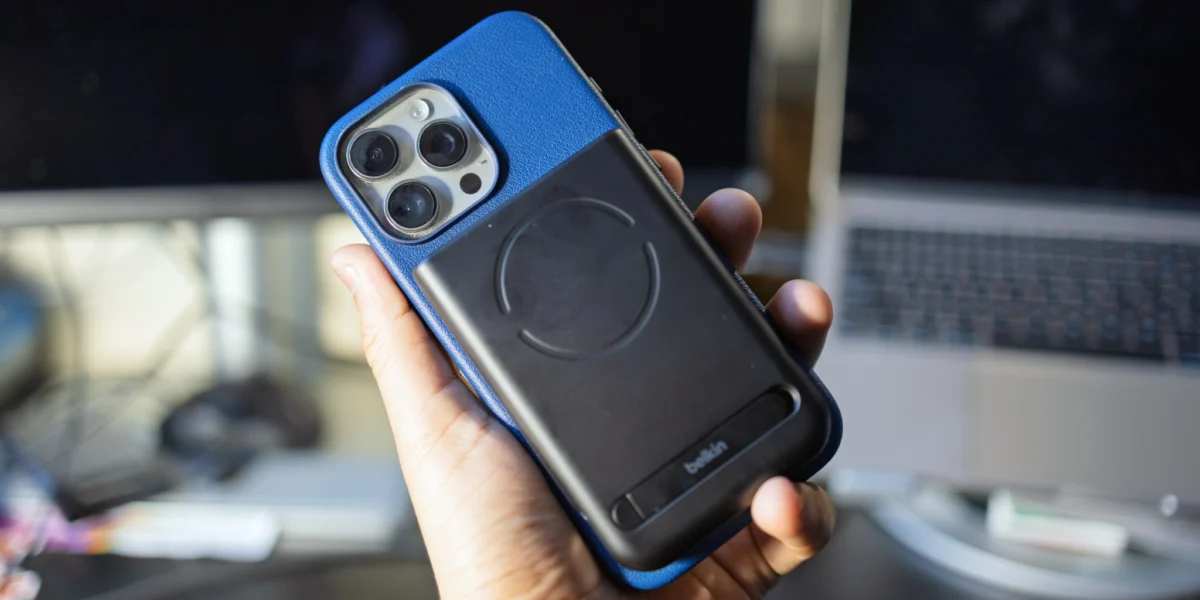
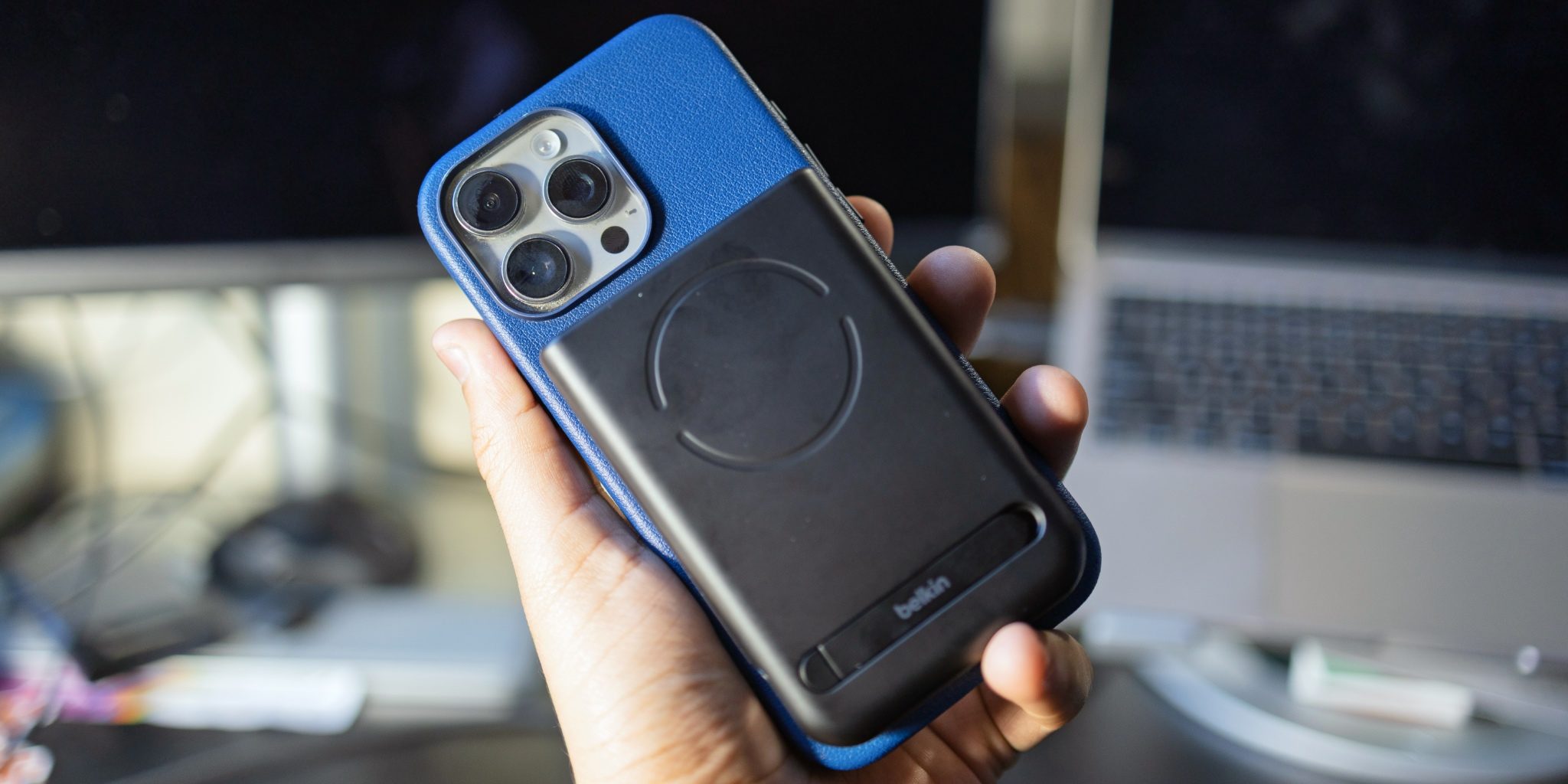
- Key Feature: A secondary MagSafe ring on the back.
- The Benefit: This allows users to attach a MagSafe wallet or a continuity camera mount simultaneously, effectively solving the "single-port" dilemma created by attaching a battery to the back of an iPhone.
Official Responses and Industry Positioning
Apple has maintained its traditional silence regarding the specifications of its accessories, focusing instead on "ecosystem integration" and "thermal management." Their marketing implies that the 12W cap is an intentional design choice to preserve the long-term health of the iPhone Air’s battery chemistry.
Conversely, third-party manufacturers are leaning into the "Performance-First" narrative. By implementing active cooling systems or more advanced power management chips (as seen in the Belkin and UGREEN units), these companies are arguing that they can achieve higher speeds safely. This creates a tension between Apple’s "cautious optimization" and the industry’s "maximalist performance" approach.
Implications: Which One Should You Choose?
The decision-making process for a consumer today depends entirely on their specific use case:
- The Minimalist: If you own an iPhone Air and value the slim, Apple-designed form factor above all else, the Official Apple Battery Pack remains the most aesthetic choice, despite the charging speed limitations.
- The Everyday Commuter: The Anker Nano is the clear winner for most people. It strikes the perfect balance between size, weight, and the 15W speed offered by the Qi2 standard.
- The Power User: If you are traveling or have a long day ahead where you might need to charge your phone from 0% to 100% twice, the UGREEN 10,000mAh unit is non-negotiable. The ability to charge at 25W (via Qi2.2) is a game-changer for those who need to get back to full power quickly.
- The Content Creator: The Belkin option is the only one that acknowledges the modern iPhone user’s habit of using multiple accessories. The ability to stack a wallet or mount onto the back of the battery pack makes it a unique tool for vloggers and professionals.
The Sustainability Aspect
It is worth noting that by adopting Qi2, the industry is moving toward a more sustainable future. Because these batteries are now interoperable, you are less likely to need to purchase new charging hardware when you upgrade to the iPhone 18 or future iterations.

Final Verdict
The market has evolved. Apple’s official accessory is no longer the "default" choice; it is merely one option among many. As we move further into the life cycle of the iPhone Air, the data suggests that consumers are increasingly favoring third-party manufacturers who offer better value, higher capacities, and faster charging standards.
Whether you prioritize the slim form factor or the raw power of a 10,000mAh brick, the current ecosystem provides a solution for every type of user. Before purchasing, identify your primary pain point: is it the weight in your pocket, or the speed at which your device reaches 100%? Once that is determined, the path forward becomes clear.











