

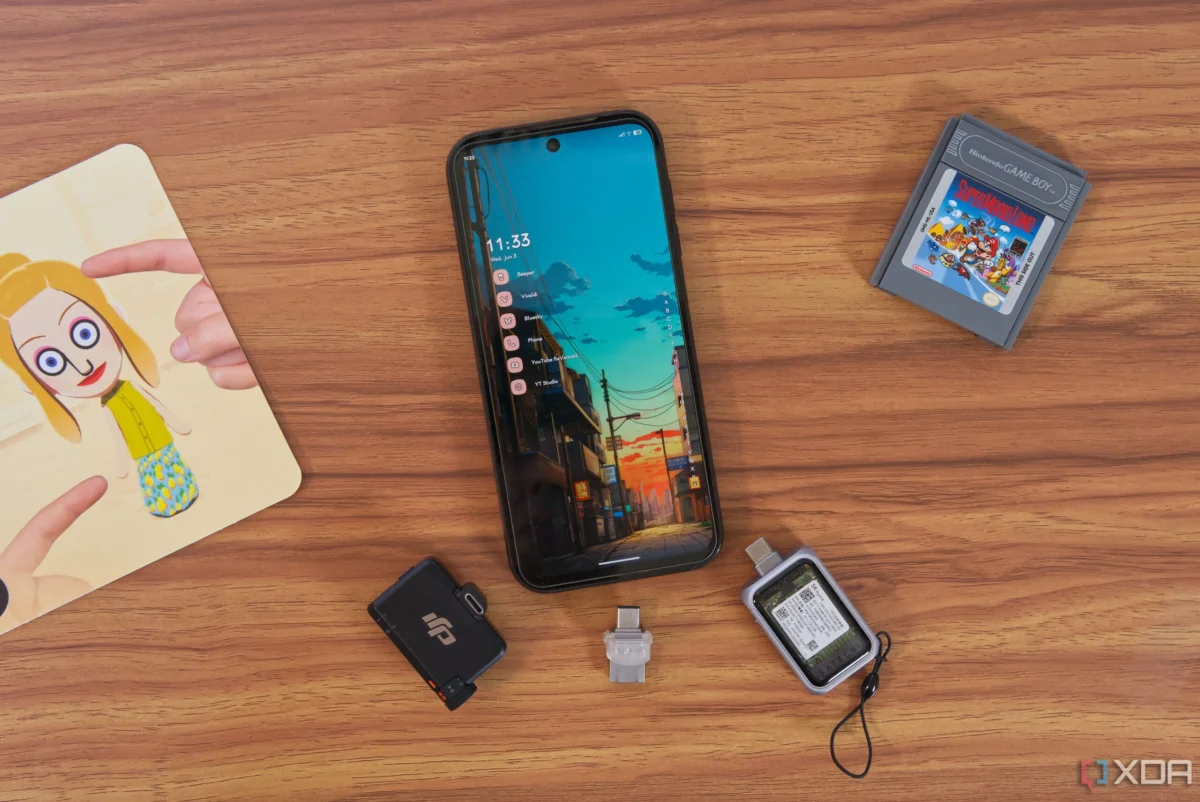
For years, the charging port on a smartphone was a utilitarian necessity—a simple gateway to keep the battery topped up. However, the industry-wide transition to the USB-C standard has fundamentally altered the relationship between users and their mobile devices. No longer just a power inlet, the USB-C port has evolved into a high-speed data conduit, a video output interface, and a universal bridge to a vast ecosystem of professional-grade peripherals.
What was once a limitation of proprietary cables and fragile micro-USB connectors has become the backbone of modern mobile computing. Today, the ubiquity of USB-C allows users to bridge the gap between their pocket-sized computers and the desktop environment, turning smartphones into legitimate tools for productivity, content creation, and high-fidelity gaming.
Main Facts: The Versatility of the Modern Port
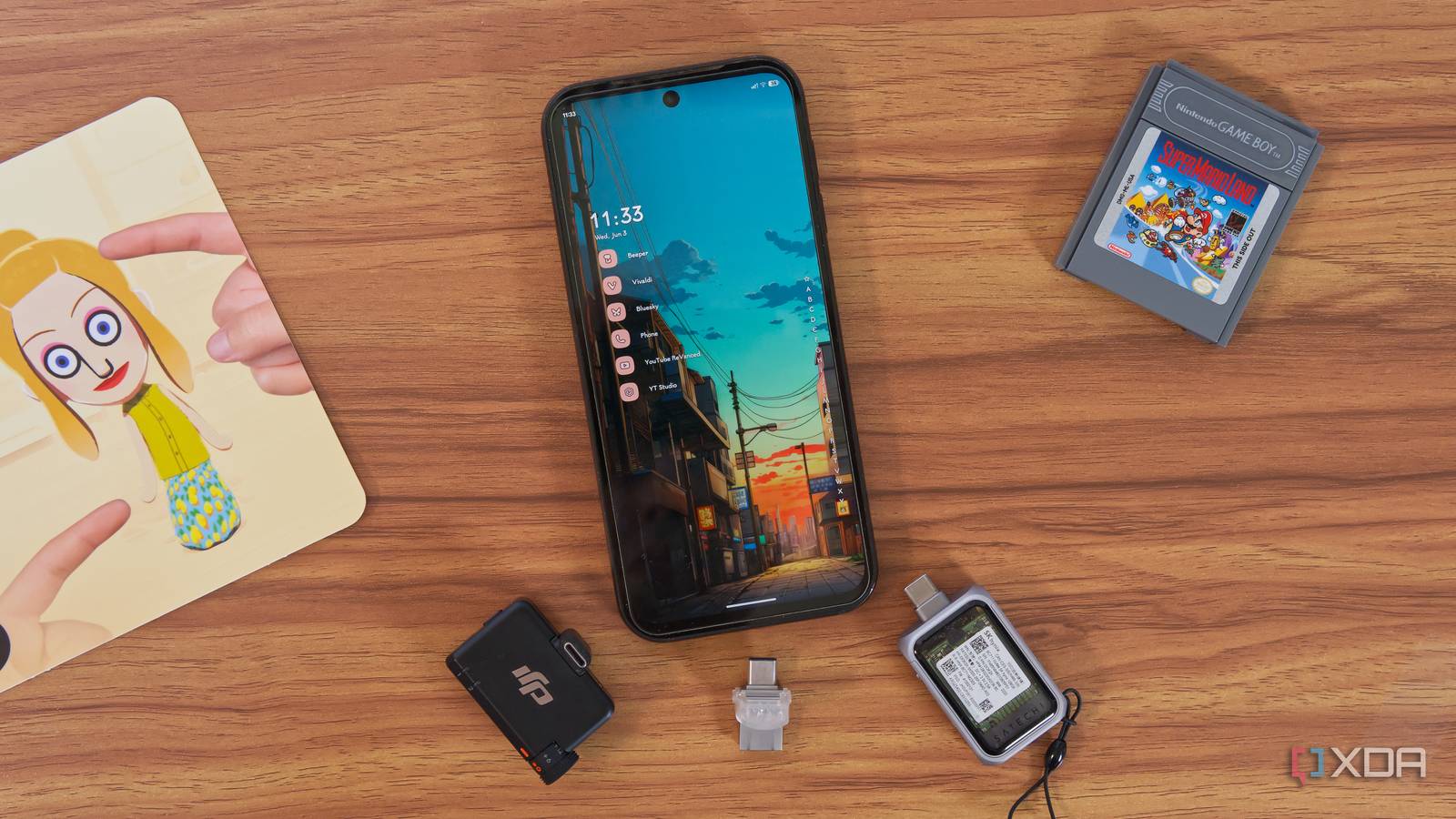
The primary strength of USB-C lies in its "all-in-one" capability. Unlike legacy ports, a modern USB-C connection—particularly those adhering to the USB 3.2 or USB4 standards—supports simultaneous data transfer, power delivery (PD), and DisplayPort Alt Mode.
This versatility has birthed a new category of mobile accessories. From handheld gaming controllers like the Backbone, which physically snap onto a device to offer console-grade controls, to professional-grade external storage solutions, the port effectively removes the "walled garden" limitations that once hampered mobile devices. Users are no longer tethered to cloud storage or internal memory; they can now treat their smartphones like external drives, managing massive files, high-bitrate video captures, and photo libraries with the same ease as they would on a Windows laptop or a Mac.

Chronology of the USB-C Evolution
The journey to the current state of mobile connectivity has been a decade-long evolution of standards and adoption:
- 2014: The USB Implementers Forum (USB-IF) releases the USB Type-C specification, promising a reversible, high-speed, and high-power delivery standard.
- 2015: The first flagship smartphones begin to adopt the standard, though slow-speed USB 2.0 implementations remain common, causing consumer confusion regarding data speeds.
- 2018–2020: Major smartphone manufacturers begin to phase out the 3.5mm headphone jack, pushing the industry toward USB-C audio adapters and DACs (Digital-to-Analog Converters).
- 2022–2023: The European Union passes legislation mandating a common charging port (USB-C) for all mobile devices sold in the region, effectively forcing laggards to standardize.
- 2024–2026: The current era, where "Desktop Mode" software, high-speed NVMe storage, and professional audio-video interfaces have become standardized features on mid-range and flagship devices.
Supporting Data: Storage and Audio Performance
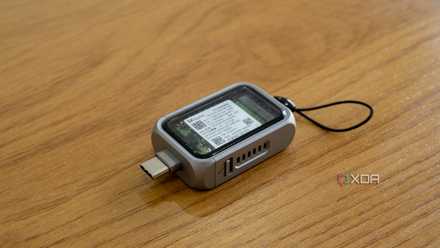
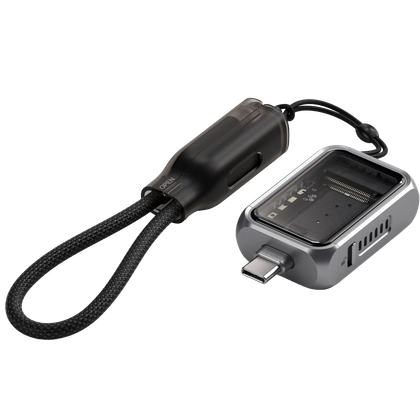
The shift toward using external NVMe SSDs, such as the Satechi Mini NVMe Enclosure, has fundamentally changed the workflow for mobile creators. Modern smartphones, particularly those capable of 4K or 8K video recording, can deplete internal storage in minutes. By utilizing USB-C, a user can plug in an external drive capable of speeds up to 10Gbps, recording raw footage directly to the drive.
The Audio Paradigm Shift
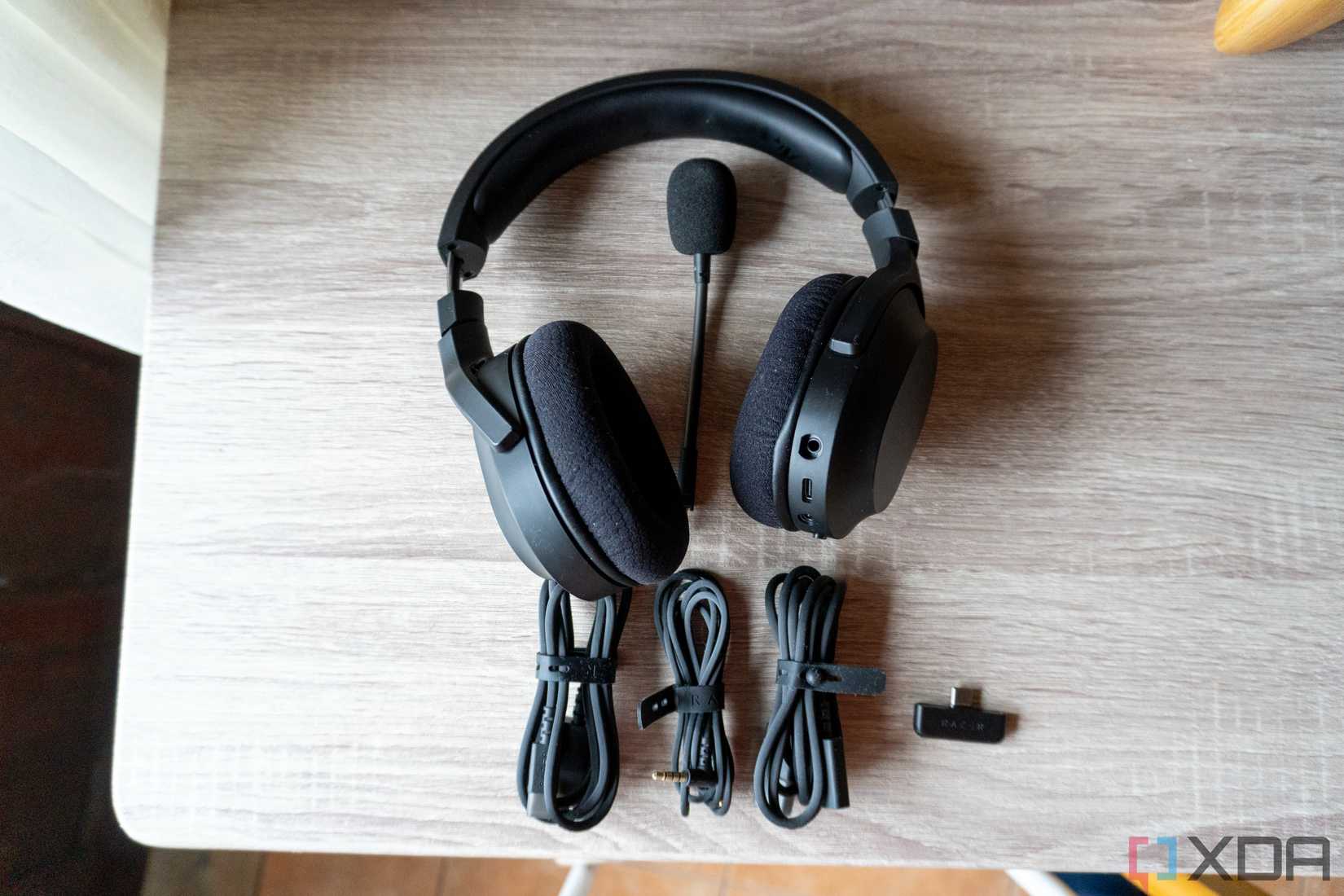
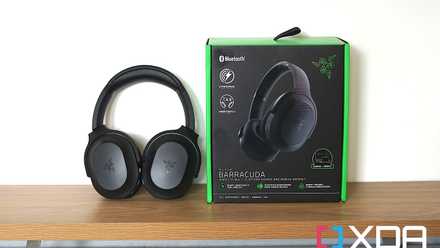
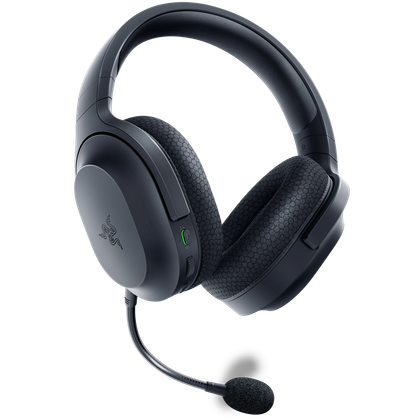
Similarly, the audio industry has shifted away from the inherent limitations of Bluetooth. While wireless earbuds are convenient, they often suffer from audio latency, compression, and pairing instability. Professionals and power users are increasingly turning to USB-C dongles that support 2.4GHz wireless receivers. The Razer Barracuda X, for instance, bypasses Bluetooth entirely, providing a low-latency, high-fidelity connection that mirrors the stability of a wired setup without the cable clutter.
For creators, the integration of wireless lavalier microphones—like the DJI Mic Mini—via USB-C receivers has democratized content production. These receivers allow the phone to recognize external audio sources instantly, providing studio-quality sound for vlogs and social media content that internal microphones simply cannot replicate.
Implications for Mobile Productivity: The Desktop Transition
Perhaps the most significant implication of the USB-C port’s evolution is the rise of "Desktop Mode." Operating systems like Android have steadily introduced features that allow a phone to detect an external monitor via USB-C. When connected to a hub or a modern USB-C monitor, the interface shifts from a vertical touch-based menu to a windowed, desktop-style layout.
This transformation has profound implications for the mobile workforce. In many scenarios, the need for a traditional laptop is diminishing. A smartphone equipped with a keyboard, mouse, and external display creates a "pocket computer" environment that is more than capable of handling word processing, web browsing, and project management.
By leveraging a USB-C docking station, a user can connect a monitor, wired internet, a keyboard, and a mouse to their phone simultaneously, all while the device charges. This modular approach allows users to carry a single powerful device that scales to their workspace requirements, rather than managing multiple computers with disjointed file systems.
Official Responses and Industry Standardization
Industry leaders have largely embraced this shift, though not without friction. Manufacturers like Google, Samsung, and Apple have all moved to support the USB-IF’s rigorous power delivery standards, ensuring that a single charger can safely power a smartphone, a tablet, and even a laptop.
However, regulatory bodies continue to monitor the "hidden" limitations of the port. As highlighted by recent tech discourse, not all USB-C ports are created equal. Some devices utilize the physical USB-C connector but only support USB 2.0 speeds, creating a fragmented user experience. Consumer advocacy groups and tech journalism outlets have been instrumental in pushing for clearer labeling, ensuring that when a consumer purchases a cable or a hub, they know whether it supports the high-bandwidth data transfers necessary for external SSDs or 4K video output.
The Future: Beyond the Current Horizon
Looking forward, the reliance on the USB-C port is set to deepen. We are already seeing the emergence of specialized hardware, such as the Clicks keyboard or protective cases with integrated power banks, that utilize the USB-C port to turn the phone into a specialized appliance.
The potential for further innovation remains vast. As mobile processors become increasingly powerful—approaching the performance of desktop silicon—the USB-C port serves as the critical bottleneck or the bridge to future possibilities. Whether it is through high-speed peripheral support or the complete consolidation of our computing needs into one handset, the USB-C port is no longer just a charging point. It is the cornerstone of a modular future where our devices are as powerful, flexible, and reliable as the hardware we choose to connect to them.
As users, the responsibility now shifts to understanding the capabilities of the ports on our specific devices. By investing in quality peripherals and understanding the difference between charging cables and data-transfer cables, consumers can unlock the full potential of their hardware, effectively turning a smartphone into the only computer they will ever need.












No comments yet. Be the first to join the conversation!