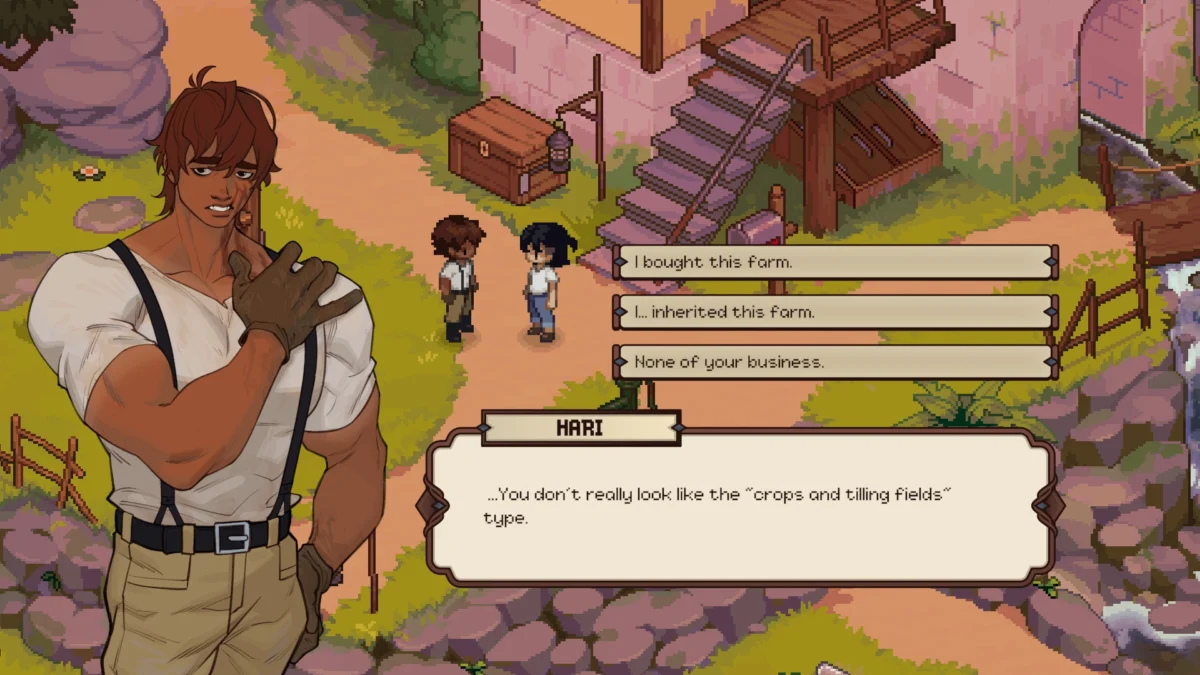
The cozy gaming landscape, traditionally defined by the tranquil rhythms of Stardew Valley or the whimsical island management of Animal Crossing, is about to face a jarring, blood-spattered disruption. Developed by the ambitious indie studio Perfect Garbage, Grave Seasons promises to merge the repetitive, soothing satisfaction of a farming simulator with the high-stakes, pulse-pounding tension of a psychological horror thriller.
As the industry pivots toward more experimental sub-genres, Grave Seasons stands out not just for its aesthetic, but for its willingness to subvert the "wholesome" tropes that have dominated the market for the better part of a decade.
The Premise: An Ex-Convict’s Path to Redemption (or Ruin)
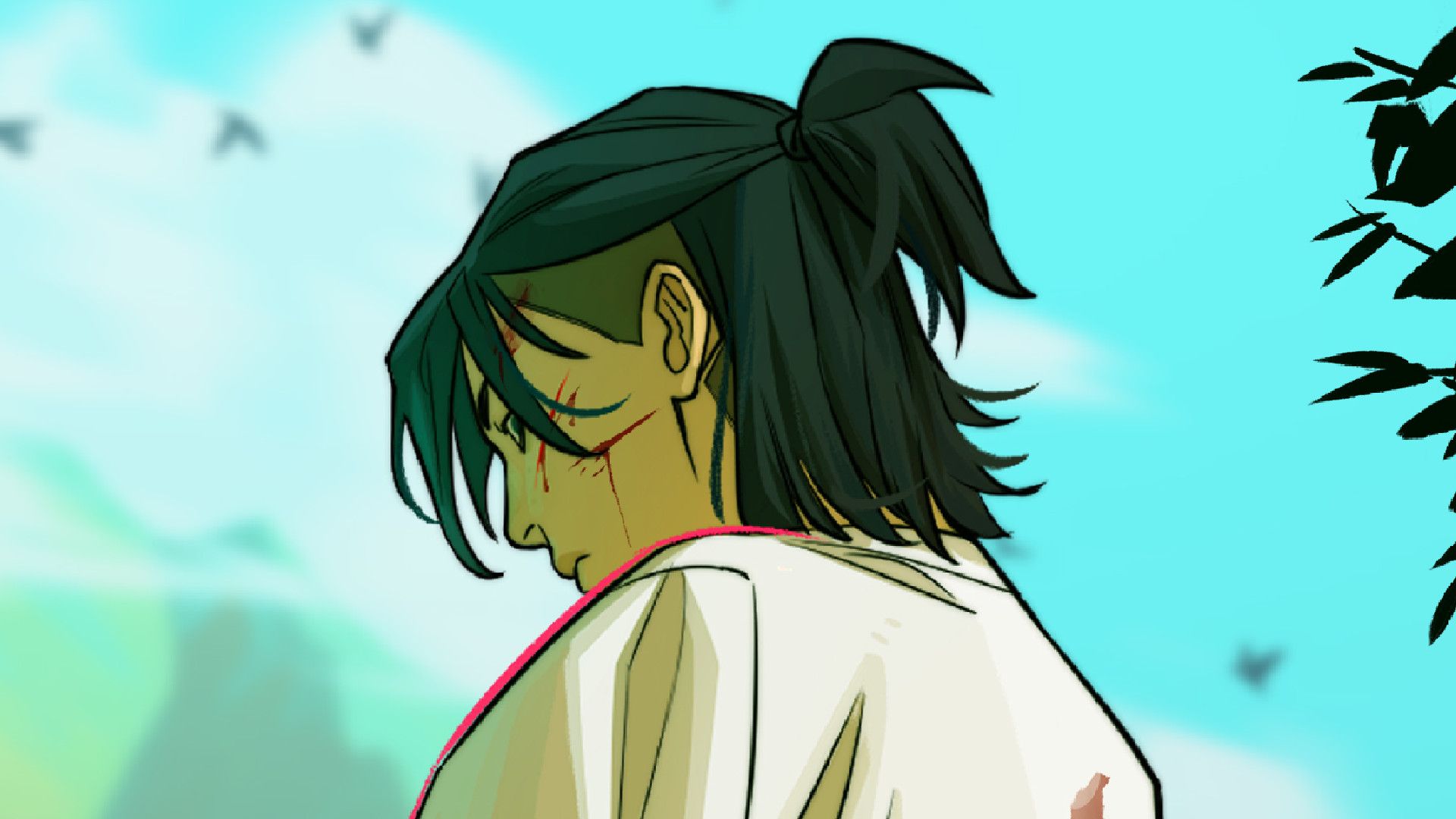
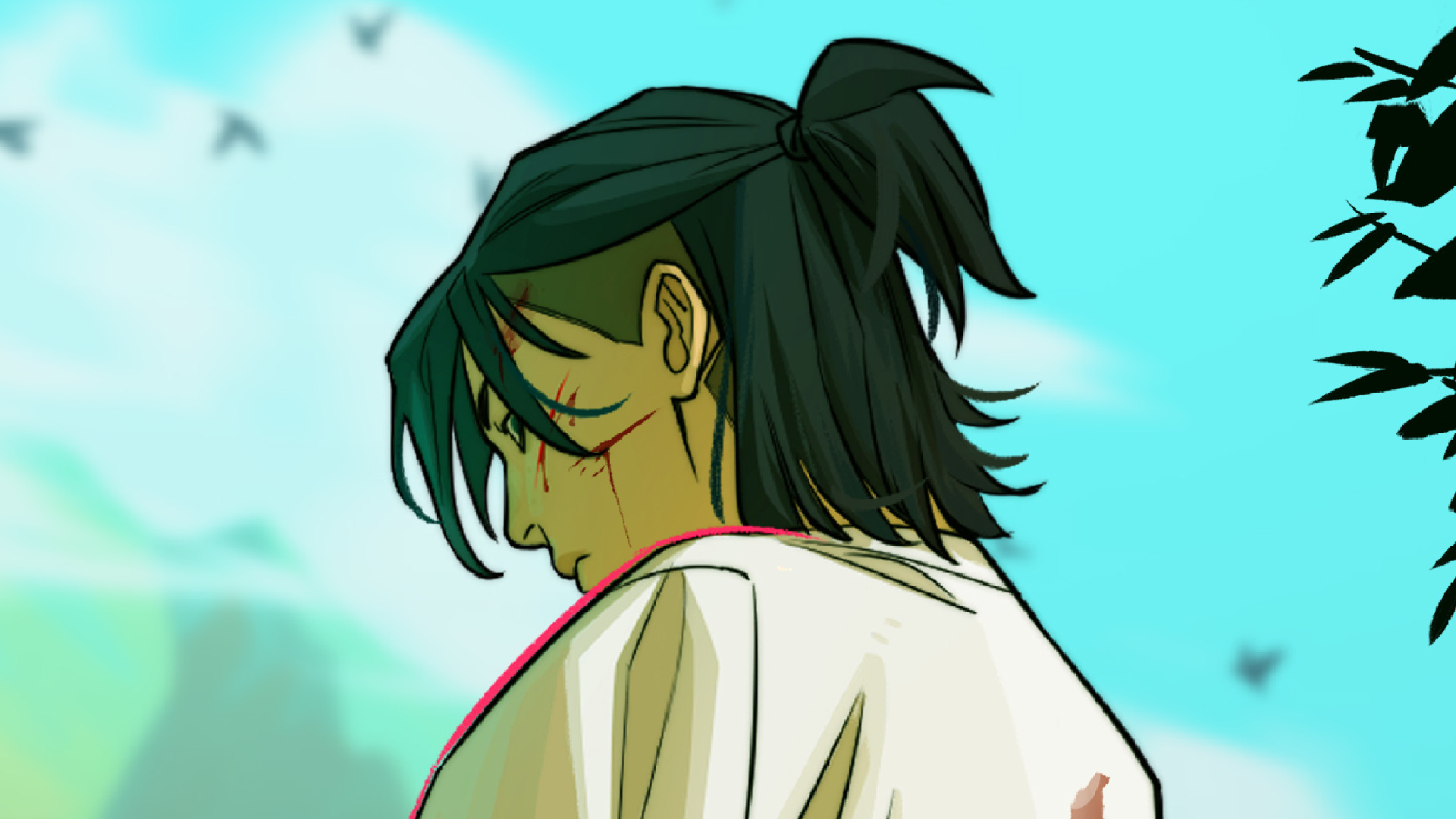
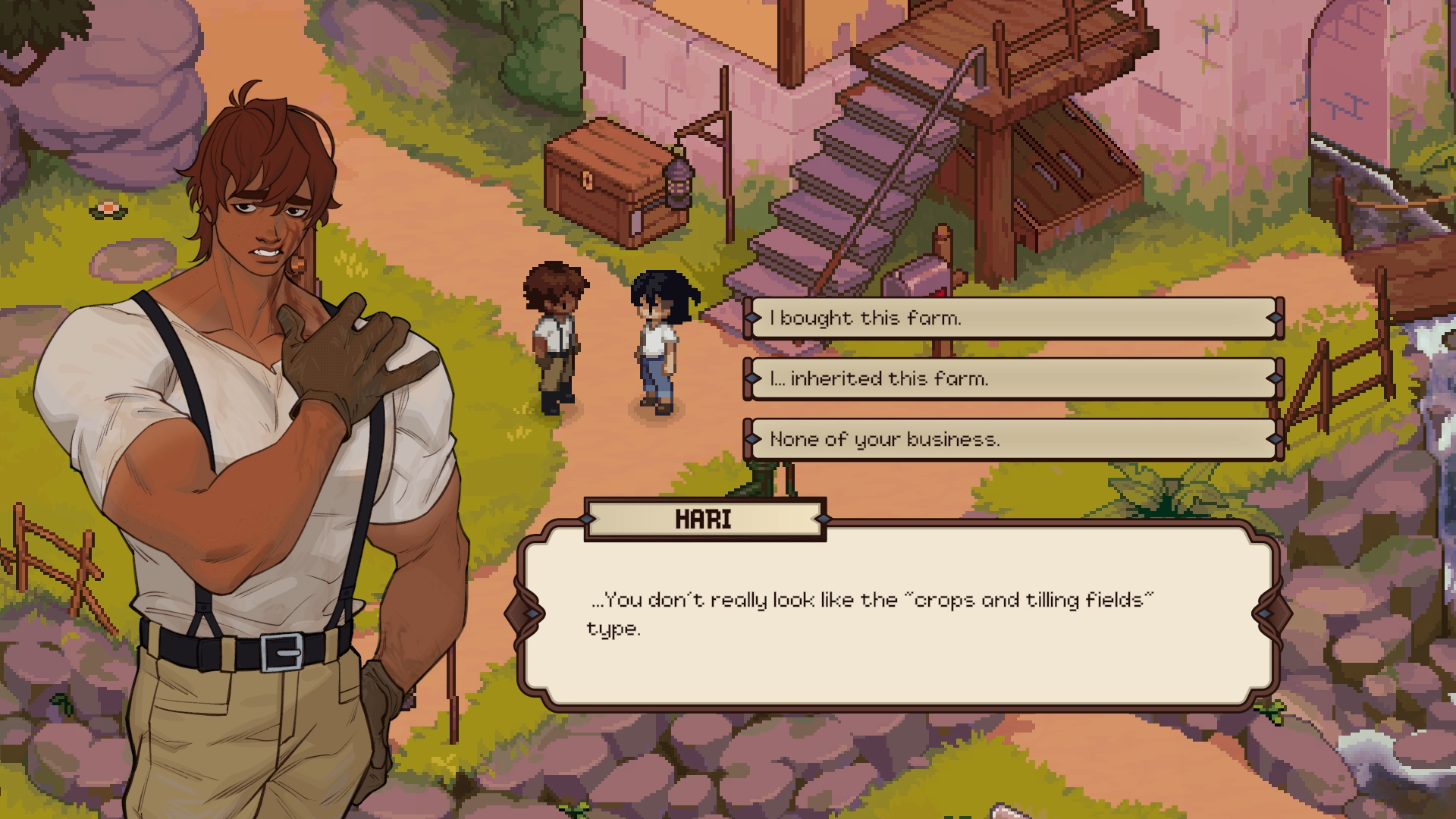
At the heart of Grave Seasons is a narrative hook that immediately differentiates it from its peers. Players step into the shoes of Dara, a protagonist arriving in the isolated, fairytale-esque town of Ashenridge. Unlike the typical "inheriting a grandfather’s farm" trope, Dara arrives in a conspicuous, bright orange prison jumpsuit. The narrative stakes are clear from the opening minutes: this is a story of an ex-convict attempting to integrate into a society that is, at best, suspicious, and at worst, actively lethal.
Ashenridge is not the idyllic countryside one might expect. Beneath the surface of pastoral chores and seasonal crop cycles lies a dark secret. The town is home to a supernatural serial killer, and the player is tasked with identifying this threat over the course of a single in-game year. The central question of the game is not just about maximizing crop yield or befriending the local townsfolk; it is about moral agency. Do you dedicate your time to uncovering the truth and saving your neighbors, or do you ignore the carnage to focus on your own survival and agricultural prosperity?
A Chronology of Development and the Path to Release
The development of Grave Seasons has been a journey of careful pacing and thematic refinement. Since its initial announcement, the title has generated significant buzz within the indie community for its bold juxtaposition of genres.
- Initial Concept Reveal: Perfect Garbage first teased the title, emphasizing the "cozy horror" aspect that would become the game’s calling card.
- The Summer Game Fest 2026 Showcase: During the 2026 event, the studio provided deeper insights into the mechanics of the game, including the relationship systems and the procedural elements of the serial killer’s identity.
- The August Delay: Originally slated for an August 14 release, the studio announced a strategic shift, delaying the launch to the fall of 2026. According to the team, this additional time is being utilized to polish the complex narrative branching paths that define the game’s moral gray areas.
Deep Dive: The Mechanics of Moral Ambiguity
The brilliance of Grave Seasons lies in how it forces the player to interact with their environment. In a typical farming sim, the player is the moral center of the universe—the hero who fixes the town’s problems. In Grave Seasons, the player is a flawed outsider.
Embracing the "Middle Area"
Narrative director Emmett Nahil has been vocal about the studio’s design philosophy. In discussions regarding the game’s script, Nahil emphasized a disdain for the "good-versus-bad" binary that plagues much of modern narrative gaming. By forcing players to make decisions that have lasting, and often uncomfortable, repercussions, the game forces a more nuanced approach to storytelling.
"I find a lot of game writing, when done to the broadest audience possible, can fall into a sort of good-versus-bad binary," Nahil noted during the Summer Game Fest. "Some of the games that I like most have really embraced the middle area, embrace that moral grayness, embrace the complicated repercussions of player decisions."
The "Cozy" Trap
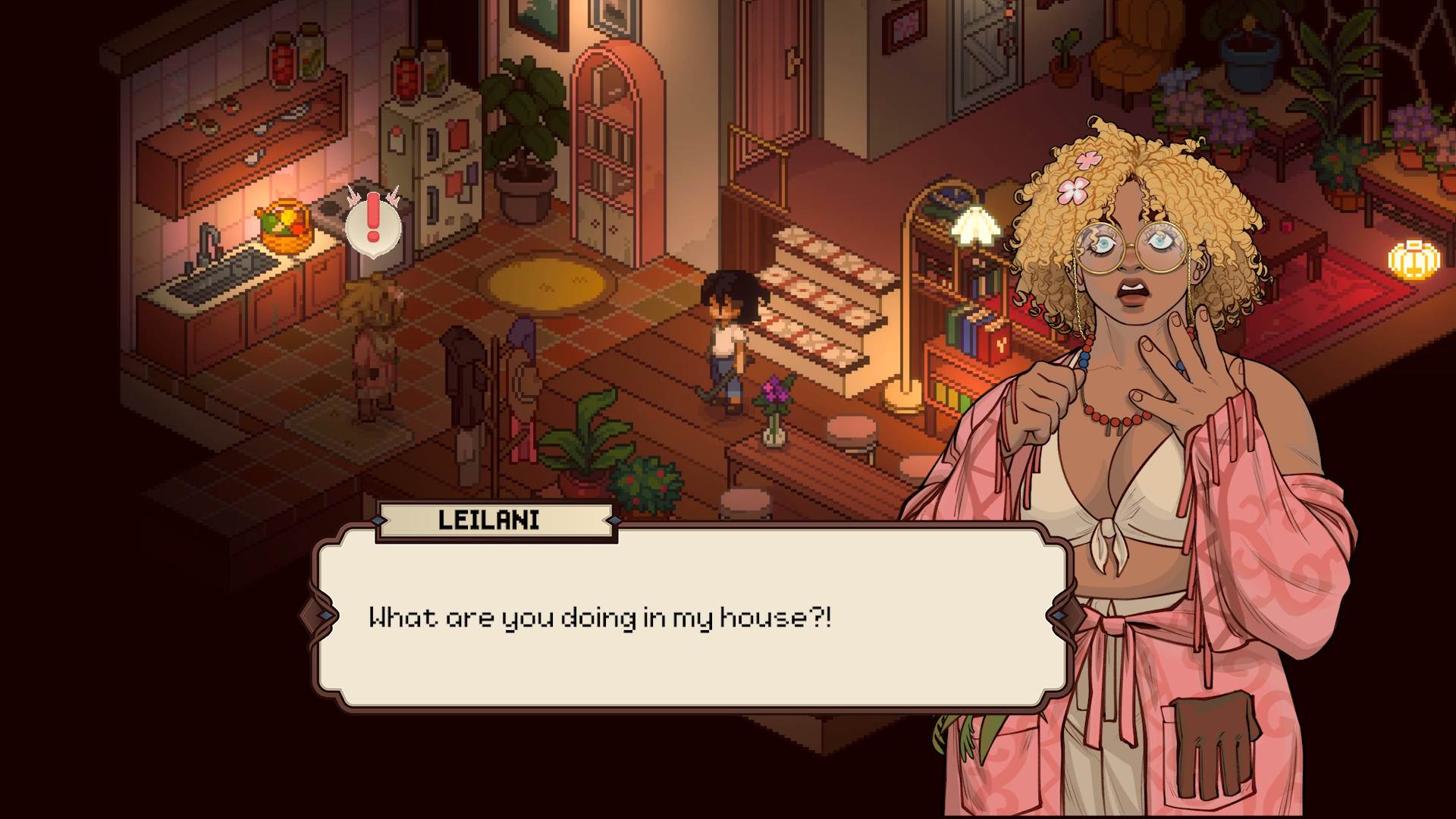
The "cozy" element of the game serves as a clever trap. The routine of tilling soil, watering crops, and talking to neighbors creates a sense of safety. However, this comfort is repeatedly punctured by the reality of the horror elements. The game tasks players with forming deep, meaningful relationships with characters, even when there is a high probability that one of those characters is a supernatural murderer. This creates a cognitive dissonance that is rarely explored in the simulation genre.
Official Perspectives: Inside the Mind of Perfect Garbage
The creative team behind Grave Seasons views the game as a critique of the "wholesome" trend. By introducing elements of danger, they aren’t trying to destroy the genre; they are attempting to evolve it.
"Grave Seasons is really special in that we don’t hold back on the horror elements," Nahil explained. The studio’s goal is to make the player feel the "itchy" nature of true horror—the feeling that something is fundamentally wrong with the community you are trying to join. The game encourages players to learn about their neighbors deeply, suggesting that the most terrifying aspects of the game are the ones that occur between human interactions, not just the jump scares.
Implications for the Future of Simulation Gaming
The success of Grave Seasons could signal a shift in how developers approach the farming sim format. For years, the market has been saturated with clones of Stardew Valley. While these games are beloved, there is a clear demand for innovation.
1. The Rise of "Genre-Blending"
Grave Seasons proves that farming mechanics can be a vehicle for almost any genre. If a game can successfully combine agriculture with horror, it opens the door for mystery, noir, or even political thrillers built on top of the same foundational systems.
2. Player Agency as a Narrative Tool
By allowing the player to choose whether or not to pursue the mystery of the serial killer, the developers are putting the narrative pace in the hands of the audience. If the player chooses to ignore the danger, the world continues to move, potentially leading to dire consequences. This level of agency is a significant step forward for the genre.
3. Redefining "Cozy"
"Cozy" no longer has to mean "safe." Grave Seasons suggests that cozy can mean "familiar" or "rhythmic," and that these traits can be used to make the horror feel even more invasive. This subversion of expectation is likely to influence future indie titles that want to experiment with tone.
Conclusion: A Fall Release to Watch
As we wait for the official updated release date, the anticipation surrounding Grave Seasons continues to build. It is a game that challenges the player’s comfort, demands emotional intelligence, and dares to ask what happens when a "reformed" person enters a town that might be far more broken than they are.
Whether you are in it for the tactical farming, the mystery-solving, or the dark, psychological exploration of moral gray areas, Grave Seasons is shaping up to be one of the most significant releases of the year. It reminds us that even in the most serene countryside, there is always something buried beneath the dirt—and sometimes, it’s best left unearthed. For now, players will have to wait for the fall, watching the shadows of Ashenridge grow longer as the launch date approaches.