

In the grand canon of science fiction, the spotlight is almost exclusively hogged by the titans. We celebrate the sprawling space operas of Star Wars, the philosophical heavy-lifting of The Matrix, and the terrifying cosmic dread of Alien. These films define the genre for the masses, setting the gold standard for visual effects and cultural impact. However, the true heartbeat of science fiction often pulses in the margins—in the smaller, high-concept, and often overlooked gems that dare to experiment with the medium’s boundaries.
While these films may have been overshadowed by massive marketing budgets or relegated to cult status due to limited box-office runs, they possess a unique power: they challenge our perspectives, push the genre into new thematic territory, and remain as fresh today as they were upon their release. It is time to peel back the layers of the blockbuster dominance and revisit these ten science fiction masterpieces that deserve a place in your next marathon.
The Economics of Obscurity: Why We Miss the Gems
The cinematic landscape is often dictated by the "blockbuster paradox." If a film fails to achieve massive, immediate financial success, it is often labeled a failure by studios, leading to limited distribution or a lack of subsequent critical preservation. This is particularly punishing for sci-fi, which often relies on complex world-building that requires audience patience and intellectual engagement.

From the gritty urban streets of South London to the cold, lonely craters of the Moon, the films on this list suffered from either poor release timing, niche marketing, or an avant-garde approach that simply didn’t fit the mold of the early 2000s and 2010s. Yet, in the age of streaming, these titles have found a second life, proving that true quality is immune to the fickle nature of a single weekend’s box office.
A Chronology of Neglected Innovation
To understand why these films remain significant, we must look at how they challenged the trends of their respective eras.
1. Evolution (2001): The Satirical Antidote
Directed by Ivan Reitman, Evolution arrived at a time when sci-fi was leaning heavily into grim, metallic futures. Reitman, the mastermind behind Ghostbusters, brought a refreshing, comedic irreverence to the alien invasion trope. Featuring David Duchovny and Orlando Jones, the film’s premise—that an alien organism’s weakness is selenium-based shampoo—is inherently absurd, yet it functions as a brilliant, lighthearted homage to 1950s creature features.

2. Idiocracy (2006): The Prophetic Comedy
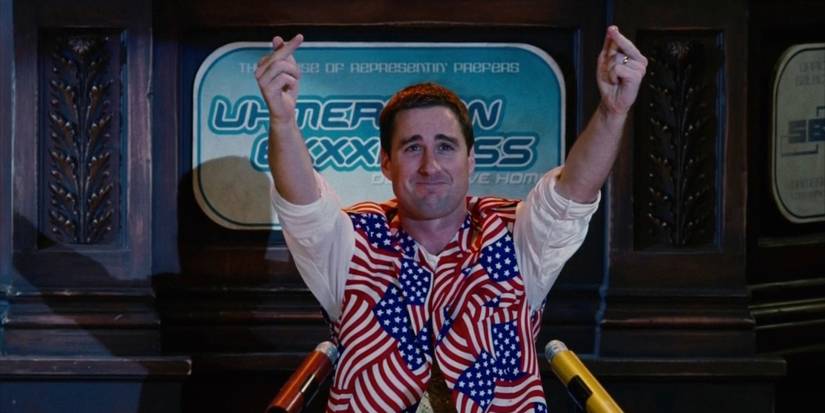
Mike Judge’s Idiocracy is perhaps the most fascinating case of a film "finding its audience." Initially buried by the studio, this satire of corporate consumerism and the degradation of intellectual discourse has transformed from a "flop" into a chillingly accurate cultural touchstone. Luke Wilson’s turn as the "average Joe" trapped in a future of extreme stupidity feels less like a comedy with every passing year and more like a documentary of our current trajectory.
3. Moon (2007): The Psychological Slow-Burn
Duncan Jones’s directorial debut is a masterclass in minimalism. By focusing on Sam Rockwell’s isolated performance on a lunar mining base, Moon strips away the spectacle of space travel to examine the existential dread of identity and the morality of corporate automation. It is a spiritual successor to 2001: A Space Odyssey, favoring philosophical inquiry over pyrotechnics.
4. Meet the Robinsons (2007): Animation’s Heart
Disney’s Meet the Robinsons arrived during a tumultuous period for the studio. While it lacked the immediate cultural footprint of the Pixar era, it remains one of the most poignant explorations of failure and the "chosen family" concept in animation. Its core mantra, "Keep Moving Forward," serves as a testament to the resilience of the human (and robotic) spirit.
5. Attack the Block (2011): The Urban Thriller
Joe Cornish’s Attack the Block redefined the "alien invasion" by grounding it in a hyper-local, realistic setting. By turning a group of South London teenagers into unlikely heroes, the film dismantles "hoodie horror" tropes. It is an adrenaline-fueled, socially conscious masterwork that launched the career of John Boyega and proved that sci-fi thrives when it is rooted in authentic, gritty environments.
6. Chronicle (2012): Subverting the Superhero
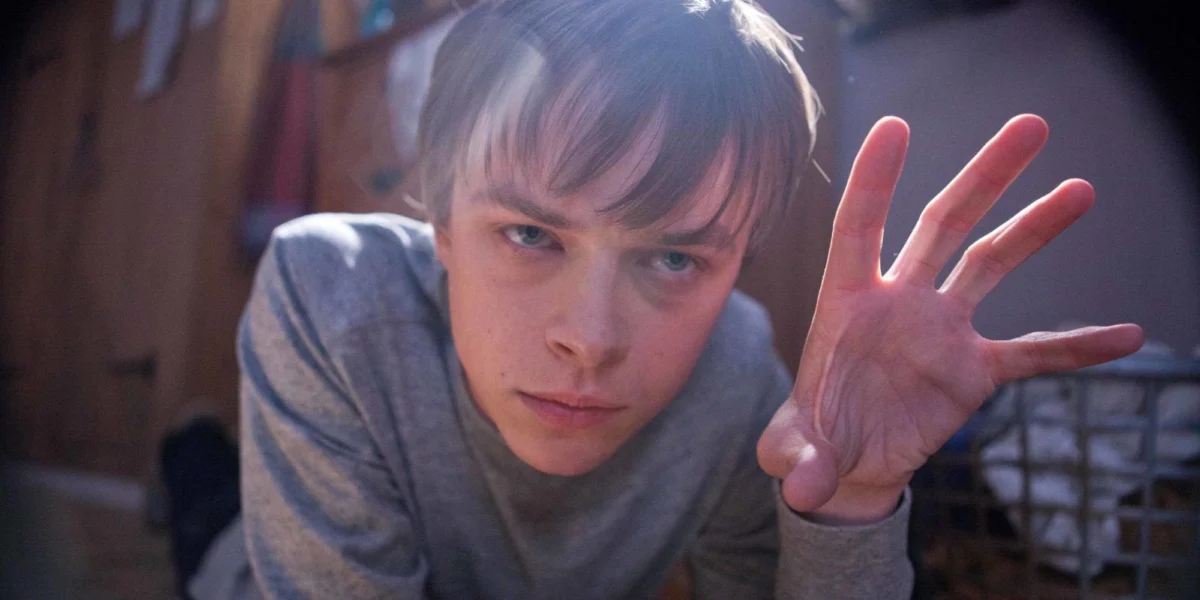
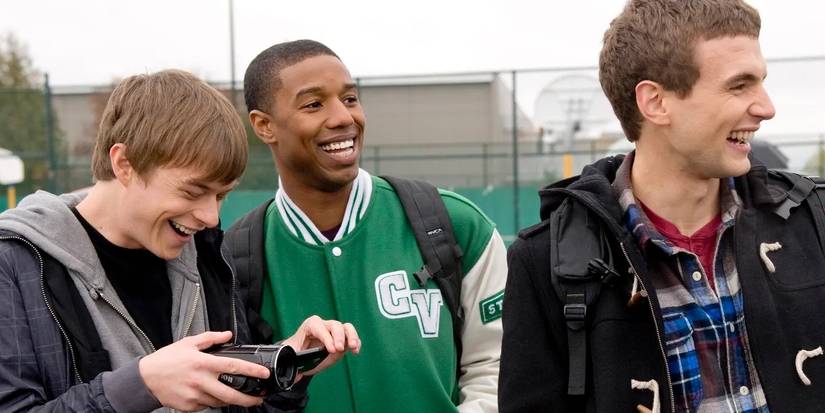
Before the saturation of the modern MCU, Josh Trank’s Chronicle offered a gritty, found-footage take on the superhero origin story. It avoids the glossy, morality-driven tropes of traditional cape-and-cowl films, opting instead to explore the psychological decay that comes with absolute power. It remains one of the most honest depictions of the "underdog" fantasy gone wrong.
7. Midnight Special (2016): The Modern Spielbergian Tale
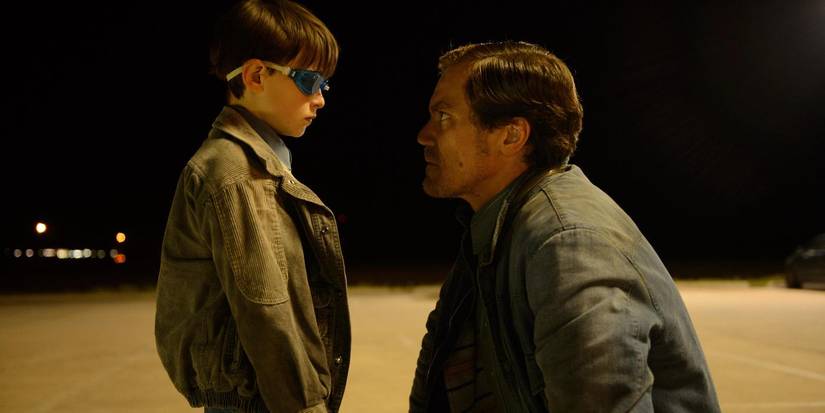
Jeff Nichols’ Midnight Special is a quiet, intense road movie that captures the wonder of 1980s Spielberg films without the overt nostalgia. It centers on a father’s desperate attempt to protect his son—a boy with extraordinary powers—from both the government and a religious cult. It is a film about the sacrifices made for love, wrapped in a high-stakes sci-fi narrative.
8. Upgrade (2018): The Body-Horror Cyberpunk
Leigh Whannell’s Upgrade is a visceral, tightly wound thriller that explores the dark side of transhumanism. Logan Marshall-Green’s performance is nothing short of incredible, portraying a man losing control of his own body to a sophisticated AI. It is a brutal, stylish critique of our reliance on tech, executed with the efficiency of a high-end thriller.
9. See You Yesterday (2019): Afrofuturism and Grief
Produced by Spike Lee, this film utilizes time travel as a mechanism to explore the trauma of police brutality. By focusing on two young, brilliant Black students in Brooklyn, the film blends Afrofuturist concepts with the harsh realities of the present. It is a profoundly moving piece of storytelling that demands to be seen for its emotional gravity and intellectual ambition.
10. They Cloned Tyrone (2023): The Genre-Blending Conspiracy
Juel Taylor’s recent masterpiece is an inventive, neon-soaked conspiracy thriller that pays homage to 1970s blaxploitation while dissecting modern systemic issues. With a stellar trio of leads—John Boyega, Jamie Foxx, and Teyonah Parris—the film uses dark humor to confront the history of medical exploitation in Black communities, resulting in a narrative that is as thought-provoking as it is entertaining.

Supporting Data: Why These Films Still Matter
The endurance of these films is supported by their critical reception and their lasting influence on contemporary directors. While box-office numbers were often lackluster, the "Rotten Tomatoes" scores for these films tell a different story:
- Attack the Block: 91% Certified Fresh
- Moon: 90% Certified Fresh
- Upgrade: 88% Certified Fresh
- Idiocracy: 76% (Cult status continues to climb)
These metrics indicate that these films were not "bad"—they were simply ahead of their time, aimed at audiences who were looking for more than just a summer tentpole release. They paved the way for more diverse, character-driven science fiction projects that have begun to emerge on streaming platforms today.
Official Responses and Industry Impact
Industry analysts often point to these films as evidence that the "mid-budget sci-fi" film is not dead—it has simply moved to different distribution models. Directors like Leigh Whannell and Joe Cornish have utilized the successes of these smaller projects to gain the creative freedom necessary for larger endeavors. Furthermore, the inclusion of social commentary in films like They Cloned Tyrone and See You Yesterday has encouraged major studios to invest in more diverse, grounded, and politically resonant science fiction, moving the genre away from "escapism" and toward "reflection."
Implications: The Future of the Genre
What does the "sleepy" nature of these films imply for the future of cinema? It suggests that audiences are starving for stories that respect their intelligence. The success of these films in the streaming era proves that viewers are willing to seek out challenging, non-traditional narratives.
As we look ahead, the lessons from these ten masterpieces are clear:
- Genre-blending is vital: Sci-fi works best when it borrows the DNA of comedy, drama, and thriller genres.
- Budget is not quality: A compelling script and a singular vision can outshine a $200 million CGI budget.
- Representation matters: Stories that explore the intersection of technology and marginalized communities provide the most fertile ground for new, urgent science fiction.
If you have been sticking to the blockbuster diet, it is time to branch out. These ten films are not just "underrated"; they are essential viewing for anyone who believes that the true power of science fiction lies in its ability to hold a mirror up to humanity, no matter how uncomfortable the reflection may be. It is time to wake up—these masterpieces have been waiting for you all along.











No comments yet. Be the first to join the conversation!