Suro Senen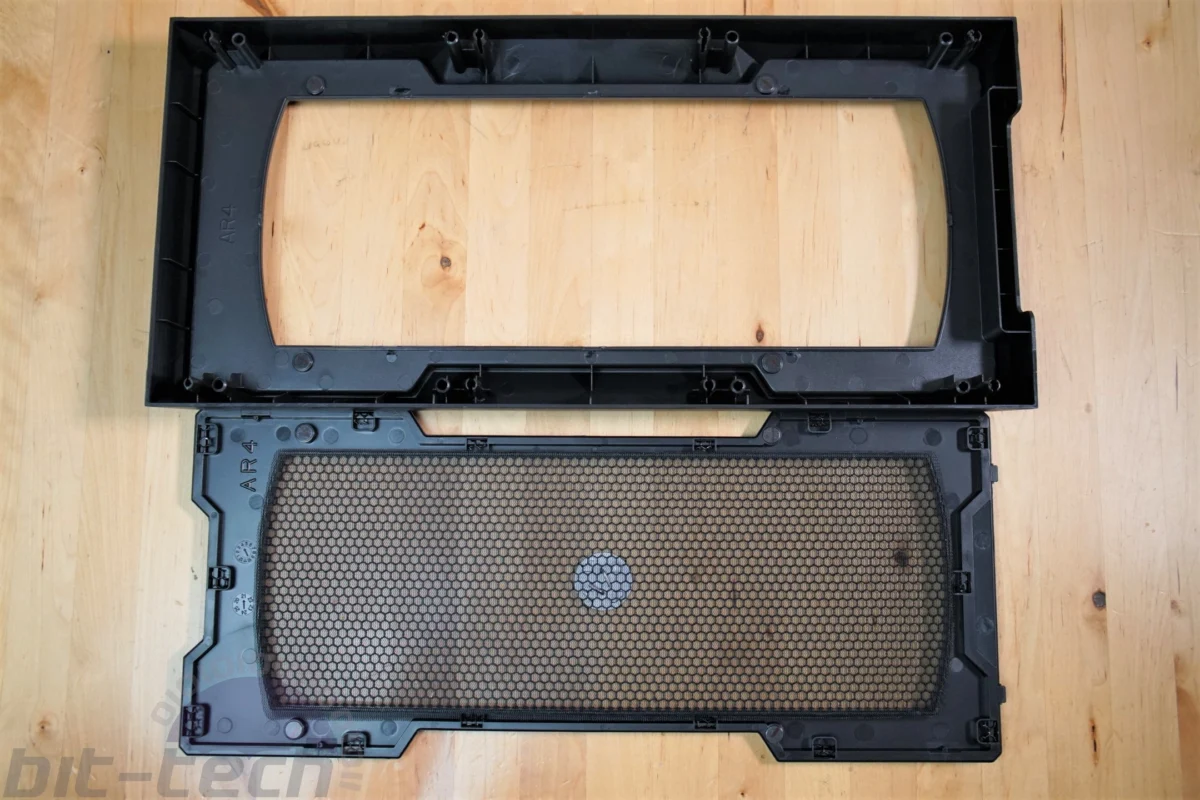
In the crowded landscape of PC chassis manufacturing, brand loyalty often acts as a double-edged sword. It provides a safety net of familiarity and predictable build quality, yet it can blind enthusiasts to the emerging contenders capable of disrupting the market. SilentiumPC, a manufacturer perhaps lesser-known in certain Western markets, is currently challenging the status quo with the Regnum RG6V TG. By positioning itself in the budget-friendly segment while refusing to compromise on creature comforts, the company aims to prove that high-end features need not carry a premium price tag.
Main Facts: The Polish-Designed Contender
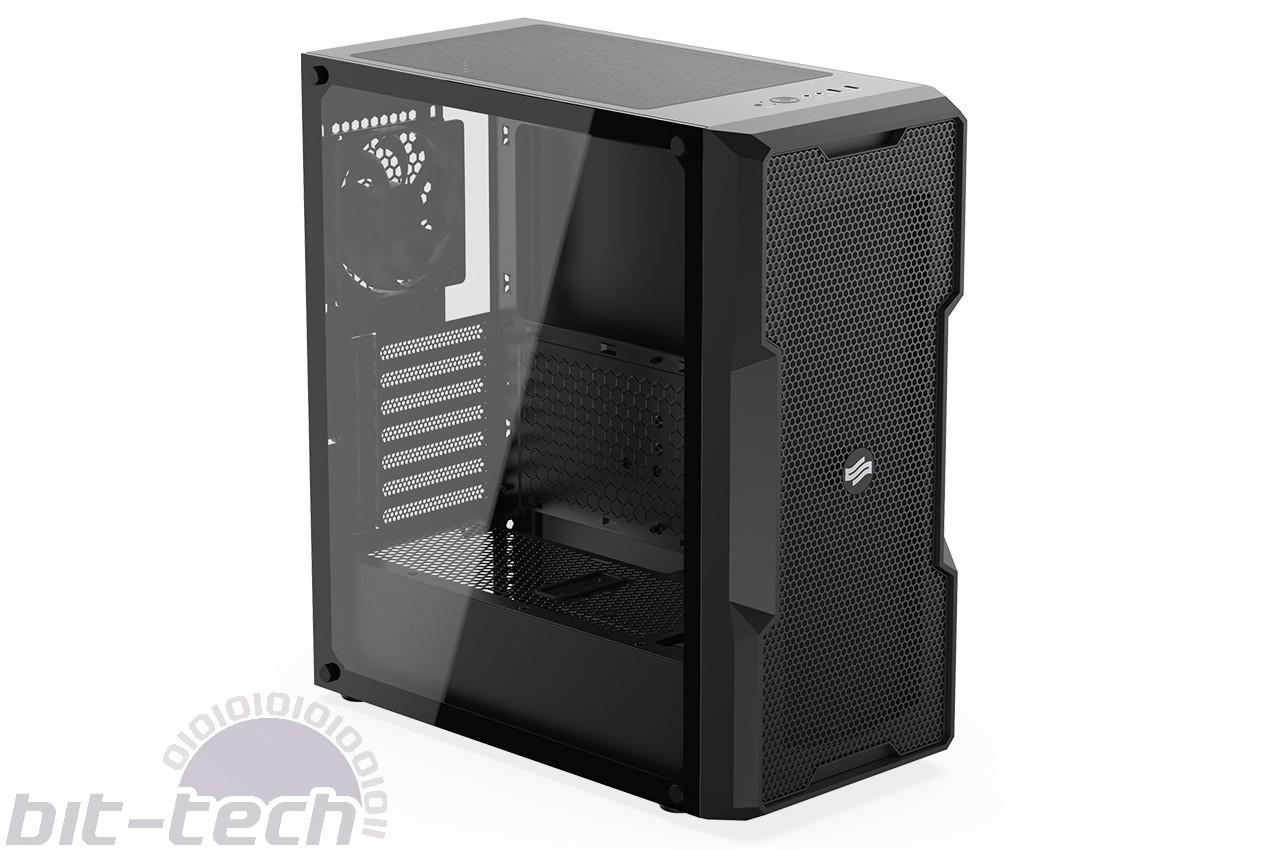
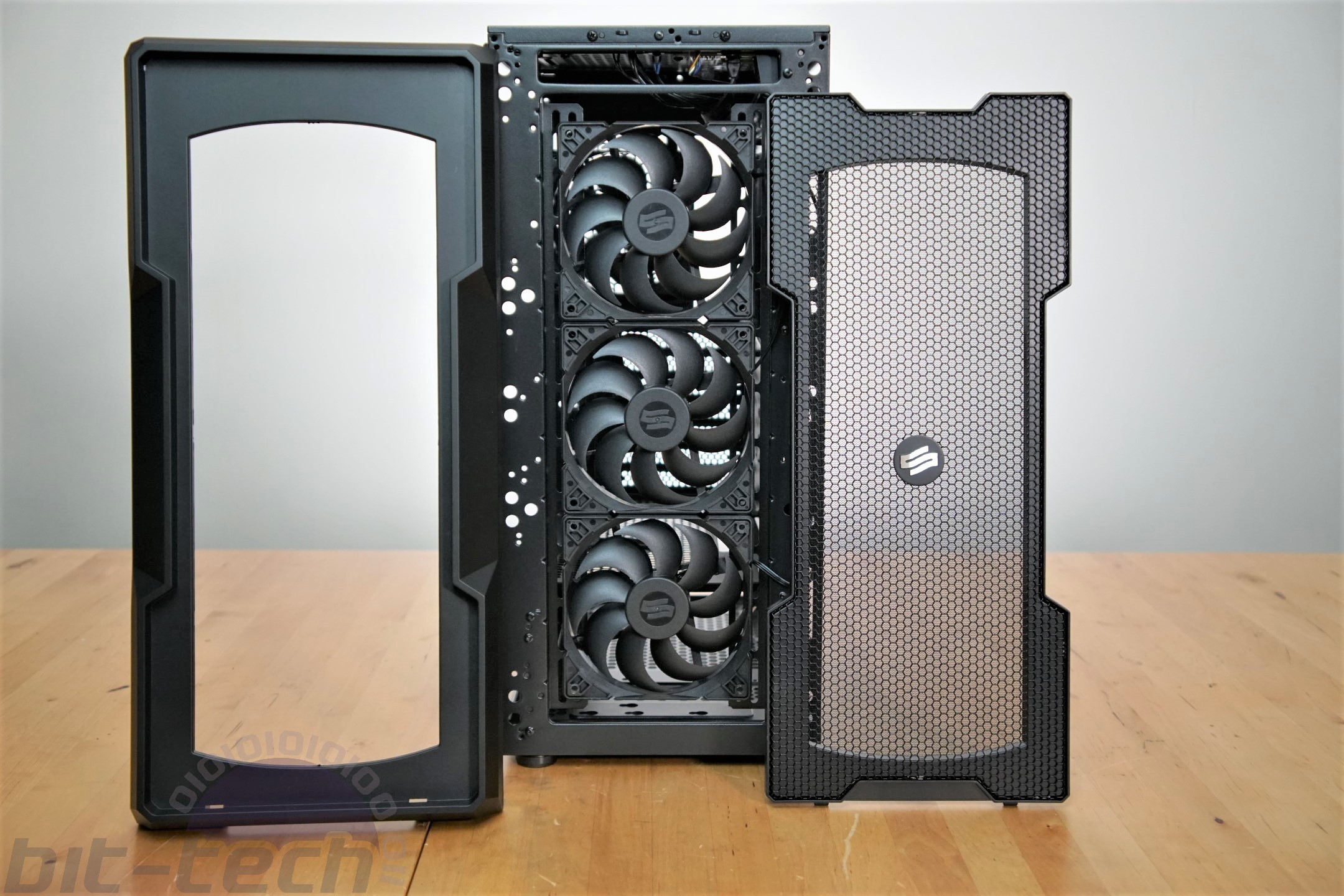
The Regnum RG6V TG is an ATX mid-tower chassis that immediately stands out for its aggressive, high-airflow design. Eschewing the minimalist "black box" aesthetic common at this price point, the case features an angular, Lamborghini-inspired front panel aesthetic, characterized by a sharp central pinch and hexagonal mesh ventilation.
Key features include:
- Out-of-the-box cooling: The case ships with four Sigma HP120 fans, eliminating the immediate need for additional investment.
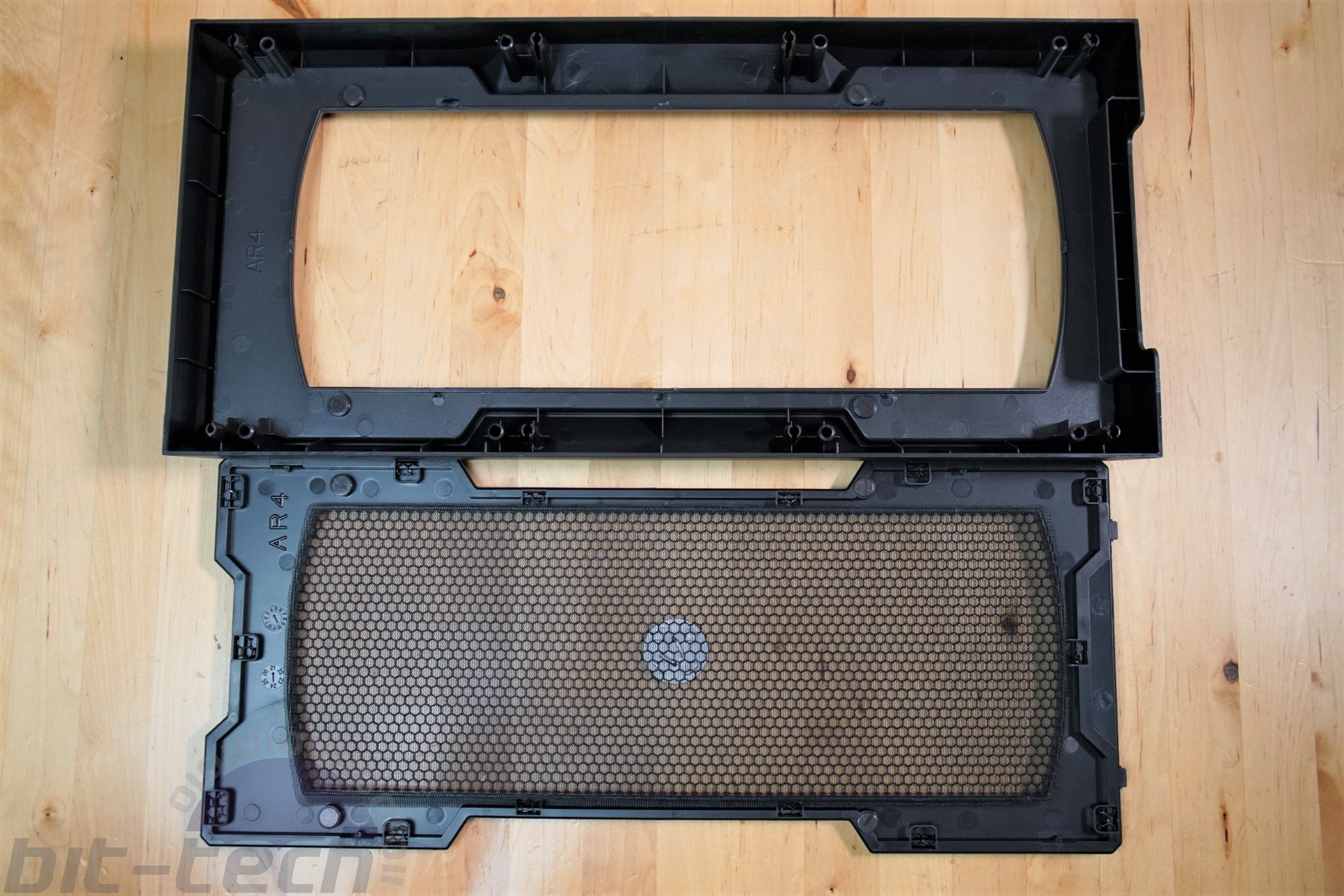
- Intelligent filtration: A magnetic, two-part front filter system allows for easy maintenance without the aesthetic penalty of clunky, visible frames.
- Versatile radiator support: Room for up to a 360mm radiator in the front and a 280mm radiator in the roof.
- Tempered glass aesthetic: The case includes a tempered glass side panel, protected by dedicated foam packaging during transit—a rarity in the budget segment.
Chronology: From Unboxing to Component Installation
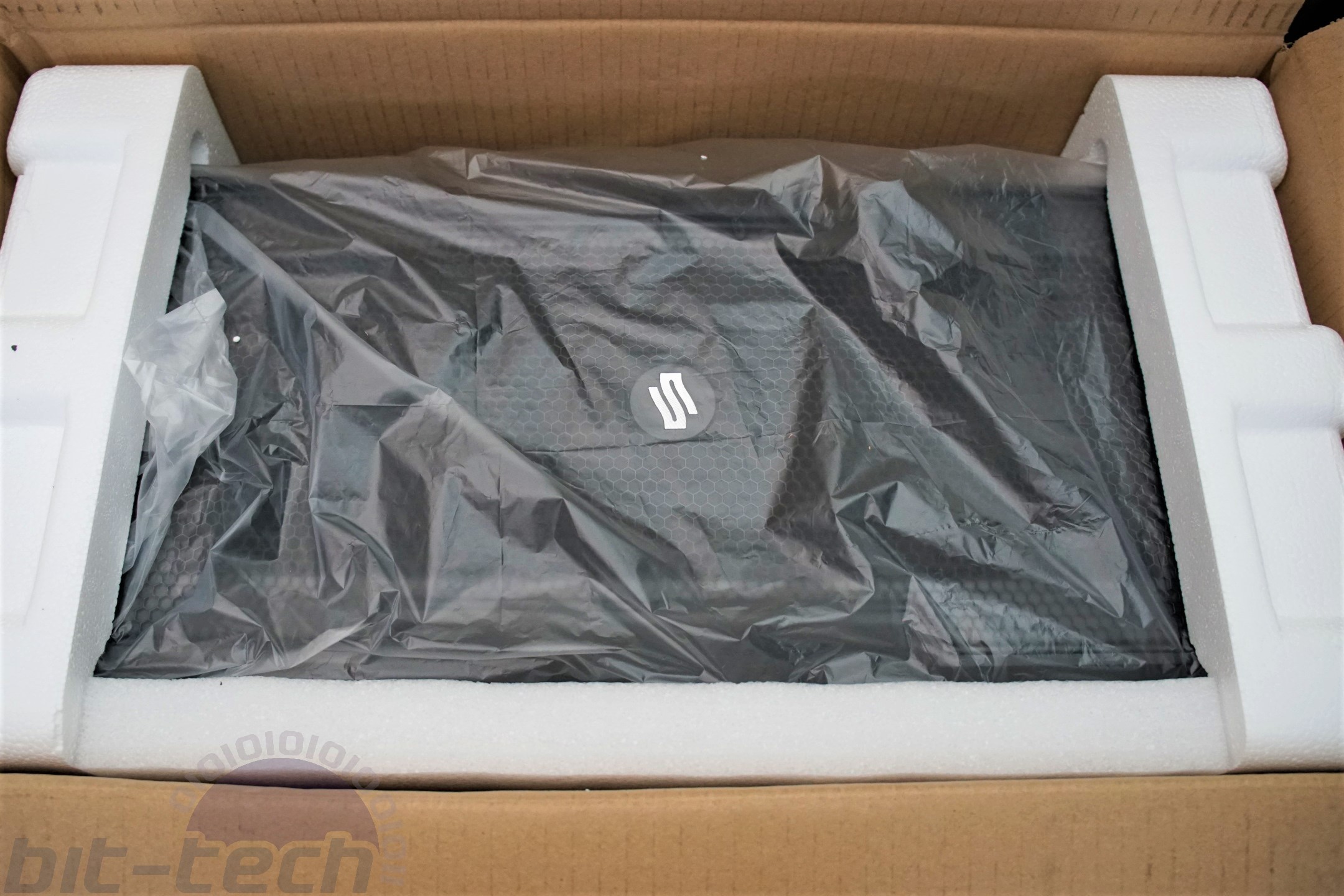
The journey of evaluating a budget case often begins with the packaging, a stage where SilentiumPC demonstrates a surprisingly professional approach. During our assessment, it was noted that the manufacturer provides a dedicated foam insert for the tempered glass side panel. This is a critical detail; many premium manufacturers have developed a "cavalier" attitude toward shipping glass, often leaving it vulnerable to the rigors of modern logistics.
Upon removing the chassis from its box, the design language becomes apparent. The front panel, constructed of plastic with a steel chassis backbone, detaches easily via push pins. Because the front I/O is integrated into the roof’s metal frame rather than the front plastic fascia, cable management during cleaning is significantly simplified.
The installation process reveals the structural logic of the RG6V TG. The front section is a dual-layered assembly: a chunky outer frame providing the structural integrity, and a secondary inner panel that houses the mesh and the cloth-like filter. By utilizing embedded magnets, the user can detach the filter panel for cleaning without needing to remove the entire front shroud.
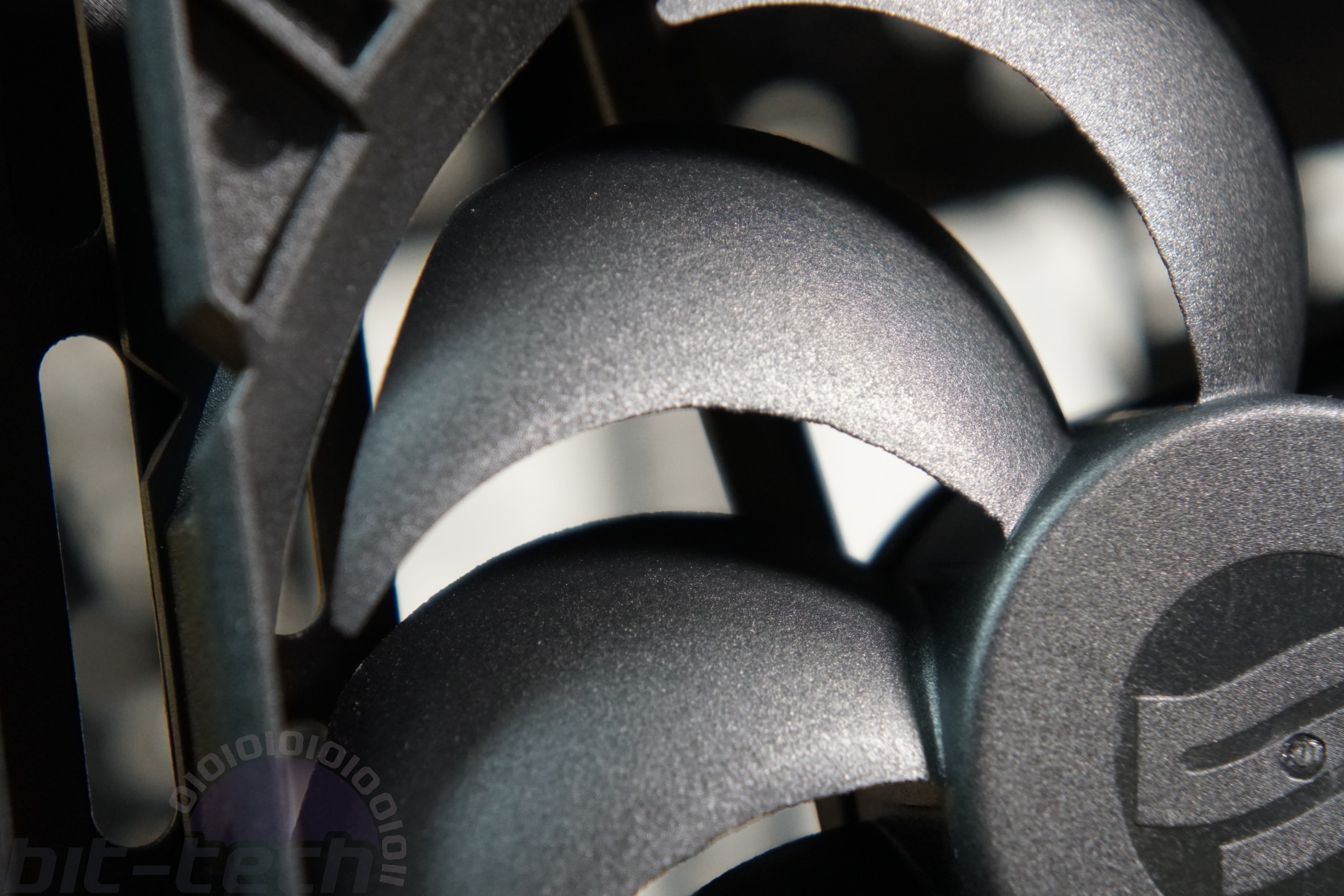
As components are populated, the internal layout reveals a focus on efficiency. The four included Sigma HP120 fans are pre-installed. While these fans appear robust—boasting a sleek, 9-bladed design—closer inspection of the plastic molding on the blade edges reveals a slightly rough, unrefined finish, hinting at the manufacturing compromises required to hit a budget price point.
Supporting Data: Thermal and Physical Constraints
The Regnum RG6V TG offers a complex set of trade-offs regarding component clearance and thermal performance.
Cooling and Radiator Support
The case features a 17mm offset between the front filter and the fans, which assists in airflow intake. However, the internal geometry presents specific challenges:
- Front: Can accommodate 2x 140mm fans or a 360mm radiator up to 60mm in thickness. Users must remain cognizant that a radiator of this size will significantly impact GPU length clearance.
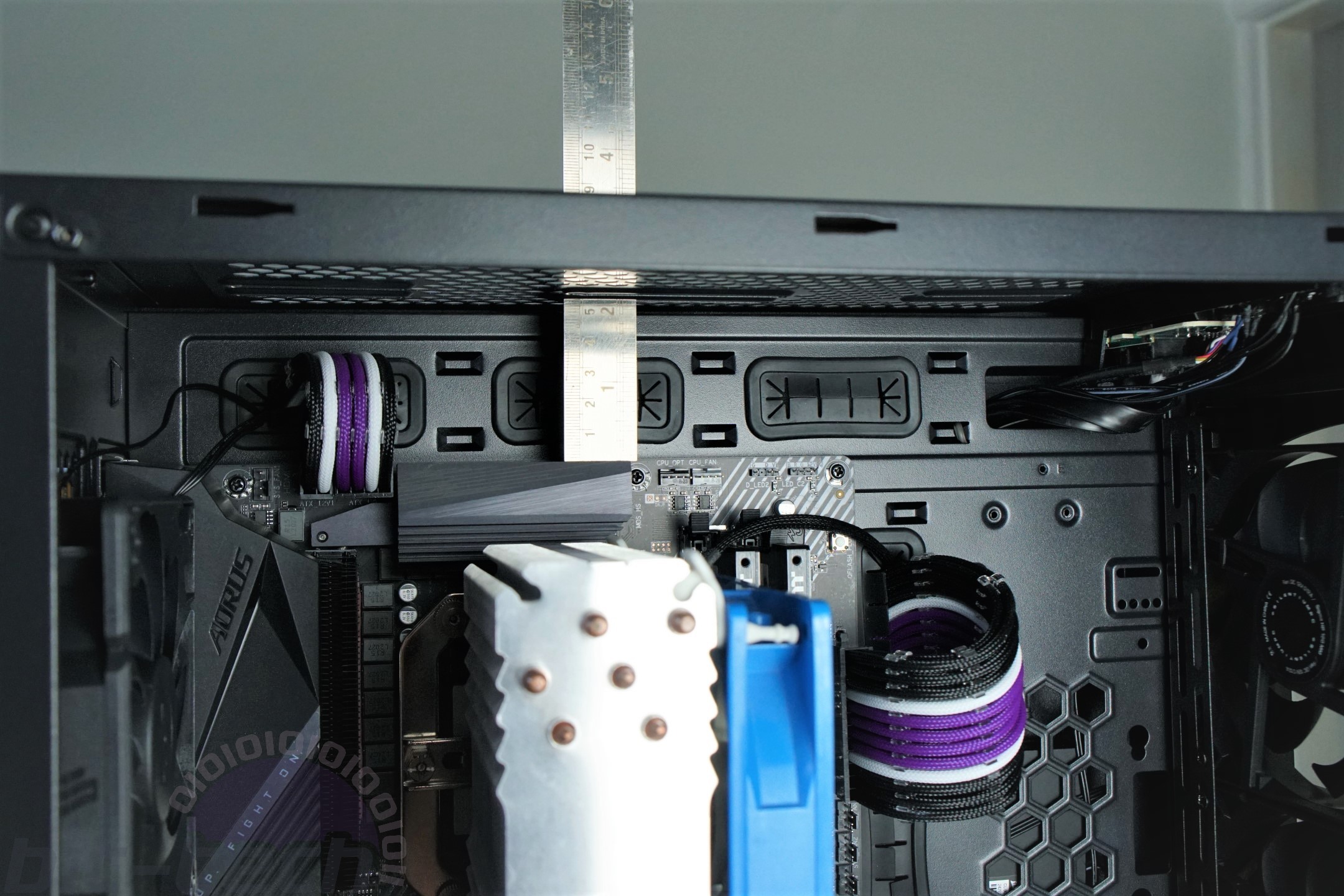
- Top: Supports 2x 120mm/140mm fans or a 280mm radiator. While technically supported, the clearance between the radiator and the motherboard VRM heatsinks is tight (approximately 52mm). When accounting for EPS power cables and front I/O headers, a 280mm radiator setup is theoretically possible but highly discouraged for the average user.
- Rear: A single 120mm fan mount with 16mm of vertical travel, allowing for minor adjustments to optimize airflow around the CPU cooler.
Connectivity and I/O
The front I/O panel includes power/reset buttons, discrete headphone/microphone jacks, and two USB 3.2 Gen 1 Type-A ports. Interestingly, our review unit exhibited a potential quality control anomaly: the two USB ports were oriented in opposite directions. While this is likely an isolated manufacturing error—as official marketing renders depict them aligned—it highlights the importance of rigorous final-stage inspections for budget-tier manufacturing. On a positive note, the inclusion of rubber dust-blanking plugs for all ports is a premium touch rarely seen at this price point.
Official Responses and Quality Control
In light of the identified irregularities—specifically the rough fan blade edges and the inverted USB orientation—we reached out for clarification. While specific company representatives did not provide a formal press statement for this specific review, the broader industry trend regarding SilentiumPC’s strategy suggests a philosophy of "functional value."
The company’s focus remains squarely on delivering high-airflow performance (the "RG6V" designation) and modular convenience (the magnetic filter system) over the aesthetic polish found in $200+ flagship cases. The company acknowledges that in the budget sector, every cent saved on plastic finishing or port orientation is a cent redirected toward providing high-quality fans and durable steel chassis materials, which are the fundamental pillars of PC longevity.
Implications: Is the Regnum RG6V TG Right for You?
The emergence of cases like the Regnum RG6V TG forces a shift in how we evaluate budget hardware. For years, the budget market was synonymous with thin, flimsy steel, poor airflow, and non-existent cable management. SilentiumPC has successfully flipped this narrative.
The Case for Value
For the builder on a strict budget, this chassis is a compelling option. The inclusion of four fans effectively saves the end-user $30 to $50 in additional parts, making the "real-world" cost of the case significantly lower than its sticker price. The ease of cleaning, thanks to the magnetic filter system, is a long-term benefit that many users ignore until they are faced with a clogged, fixed-filter front panel.
The Trade-offs
However, the enthusiast must be prepared for the realities of the price point. The "rough and tatty" finish on the fan blades and the potential for I/O manufacturing errors suggest that while the design is brilliant, the execution lacks the surgical precision of high-end brands like Fractal Design or Corsair.
Final Verdict
The Regnum RG6V TG is an ideal choice for the user who values airflow and utility above vanity. It is a "workhorse" chassis. If your primary goal is to house high-TDP components that require significant air throughput, and you would rather spend your budget on a better GPU or CPU than on a luxury-finished case, the Regnum RG6V TG is a serious contender.
It serves as a reminder that the "brand name" tax is real. By looking past the logos of established giants, builders can find products that offer 90% of the functionality for 50% of the price. The Regnum RG6V TG may not be perfect, but it is undoubtedly a product that respects the builder’s budget, and in the current economic climate, that is a design philosophy that deserves attention.

 Nana Wu
 Ammar Sabilarrohman