Dwi Wanna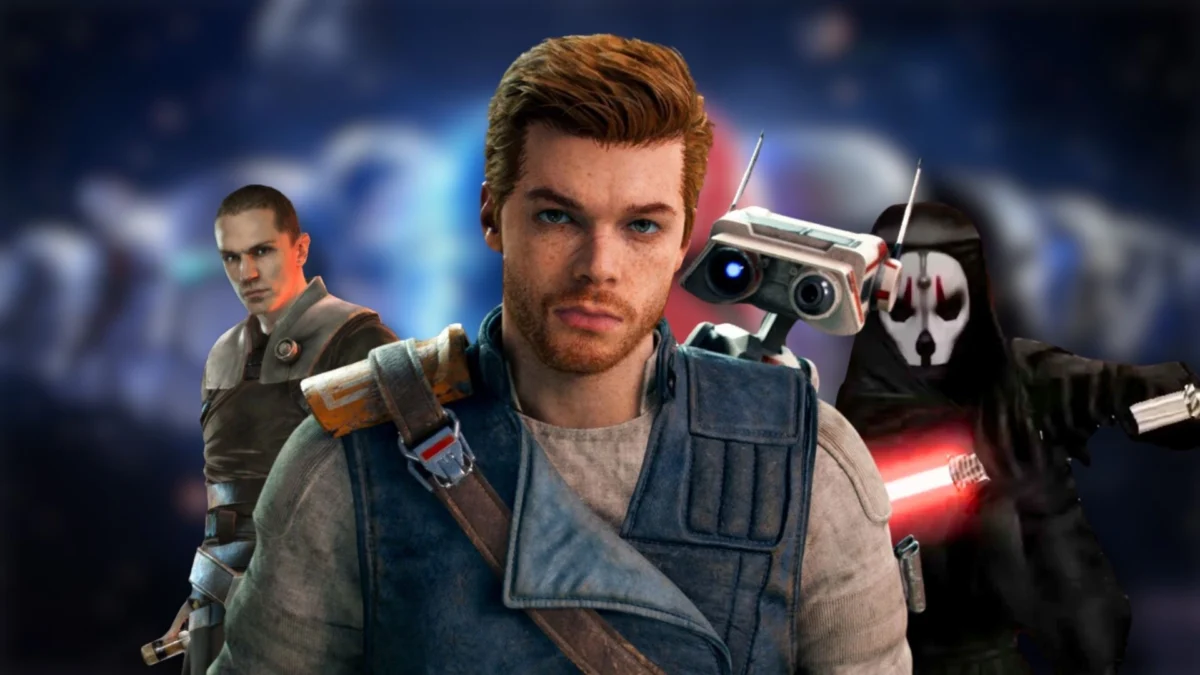
The Star Wars franchise stands as a monolith of modern mythology. Since George Lucas first introduced audiences to the Force, the Skywalker lineage, and the eternal struggle between the light and dark sides of the Force, the galaxy has expanded across mediums. While films dictate the primary narrative, video games have served as the franchise’s most daring laboratory.
For decades, developers have been tasked with balancing the reverence fans hold for the source material with the creative liberty required to build compelling gameplay. Following Disney’s 2012 acquisition of Lucasfilm, many of these stories were relegated to the "Legends" continuity. However, their legacy remains intact. These titles did not just provide digital playgrounds; they took massive, calculated risks—often subverting expectations, rewriting pivotal lore, or shifting the perspective of the conflict entirely.
The Evolution of Risk in Star Wars Interactive Media
The history of Star Wars gaming is a chronicle of creative tension. Developers have often found themselves at a crossroads: do they follow the rigid constraints of established canon, or do they explore the "what-ifs" that keep a franchise vibrant?
From the cockpit of an X-wing to the meditation chambers of the Jedi Temple, the most memorable titles are those that refused to play it safe. By introducing secret apprentices, non-Jedi protagonists, or even branching paths that allow for the total annihilation of the Jedi Order, these games enriched the Star Wars universe far beyond what the silver screen could contain.
A Chronological Examination of Daring Narratives
The following titles represent the pinnacle of creative risk-taking in Star Wars history. Each entry fundamentally altered how we perceive the lore, the characters, and the nature of the Force itself.
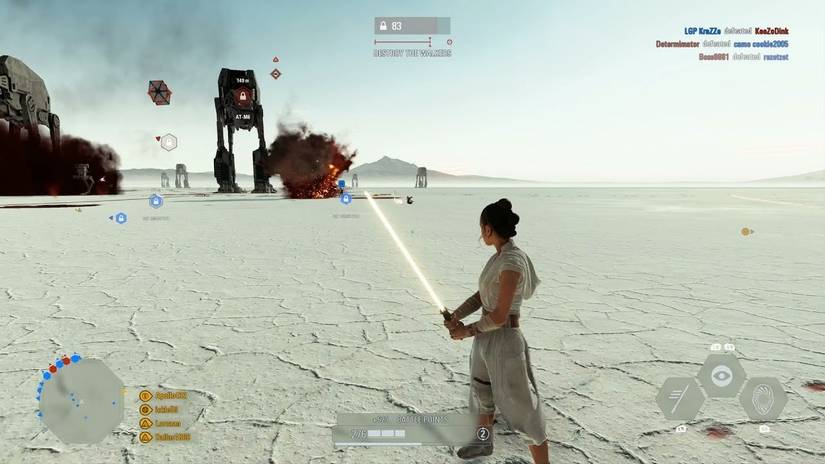
10. Star Wars: Battlefront II (2017)
The Imperial Perspective
DICE’s 2017 title is a study in redemption—both for the game and for the narrative perspective it championed. While the launch was marred by controversy regarding microtransactions, the single-player campaign offered a groundbreaking narrative shift. Players stepped into the boots of Iden Versio, an elite Imperial commander. By centering the story on the "villains" in the immediate aftermath of Return of the Jedi, the game humanized the Empire. It forced players to grapple with the collapse of an authoritarian regime from the inside, providing a nuanced look at the indoctrination and subsequent disillusionment of those serving the Emperor.
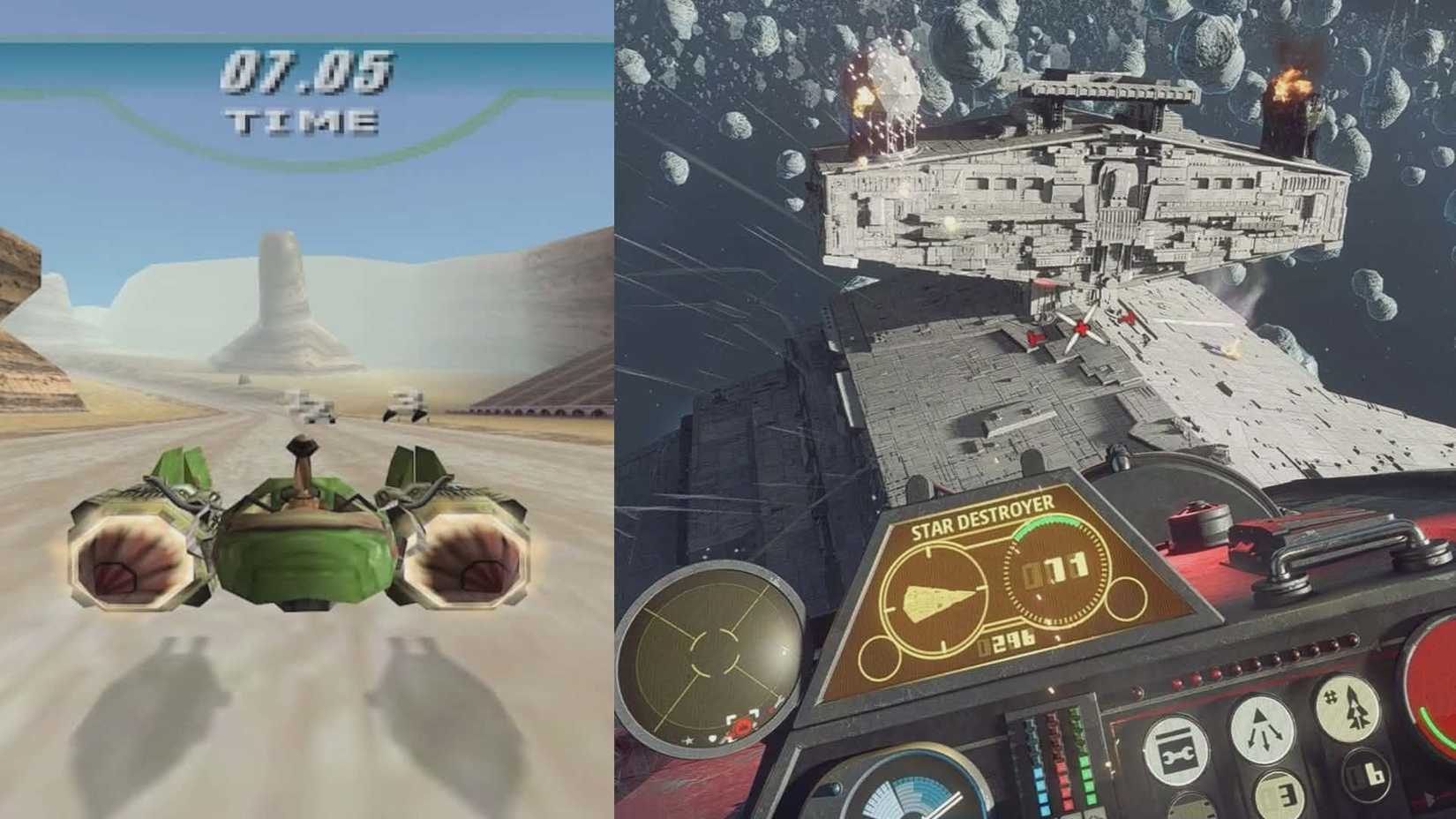
9. Star Wars: Squadrons & Episode I: Racer
Specialization Over Generalization
Sometimes, the risk lies in gameplay design rather than plot. Star Wars: Squadrons stripped away the lightsaber combat that dominates the franchise, focusing entirely on the technical, visceral experience of starfighter dogfighting. Similarly, Episode I: Racer took a secondary element of the prequel trilogy and built a high-octane, high-speed racing simulation around it. These titles proved that the Star Wars universe is vast enough to support hyper-focused genres, rewarding developers who committed to a specific gameplay loop rather than trying to be everything to everyone.
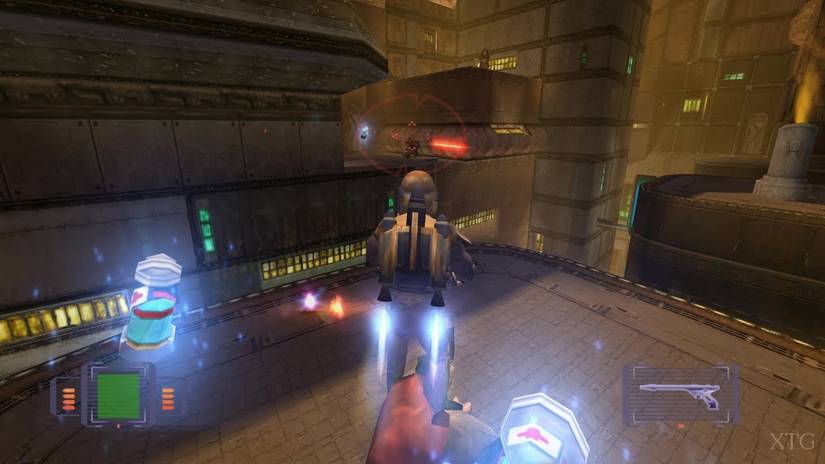
8. Star Wars: Bounty Hunter
The Morality of the Mercenary
Jango Fett was often dismissed as a secondary villain, his legacy seemingly cut short by Mace Windu. Star Wars: Bounty Hunter expanded his mythos, casting him as a complex, morally grey protagonist. It explored the gritty criminal underworld of the galaxy, a setting rarely given the spotlight in the mainline films. By making a killer the hero, the developers challenged the "Jedi-centric" morality that had defined the series, proving that the galaxy is a dark, dangerous place even without the influence of the Force.
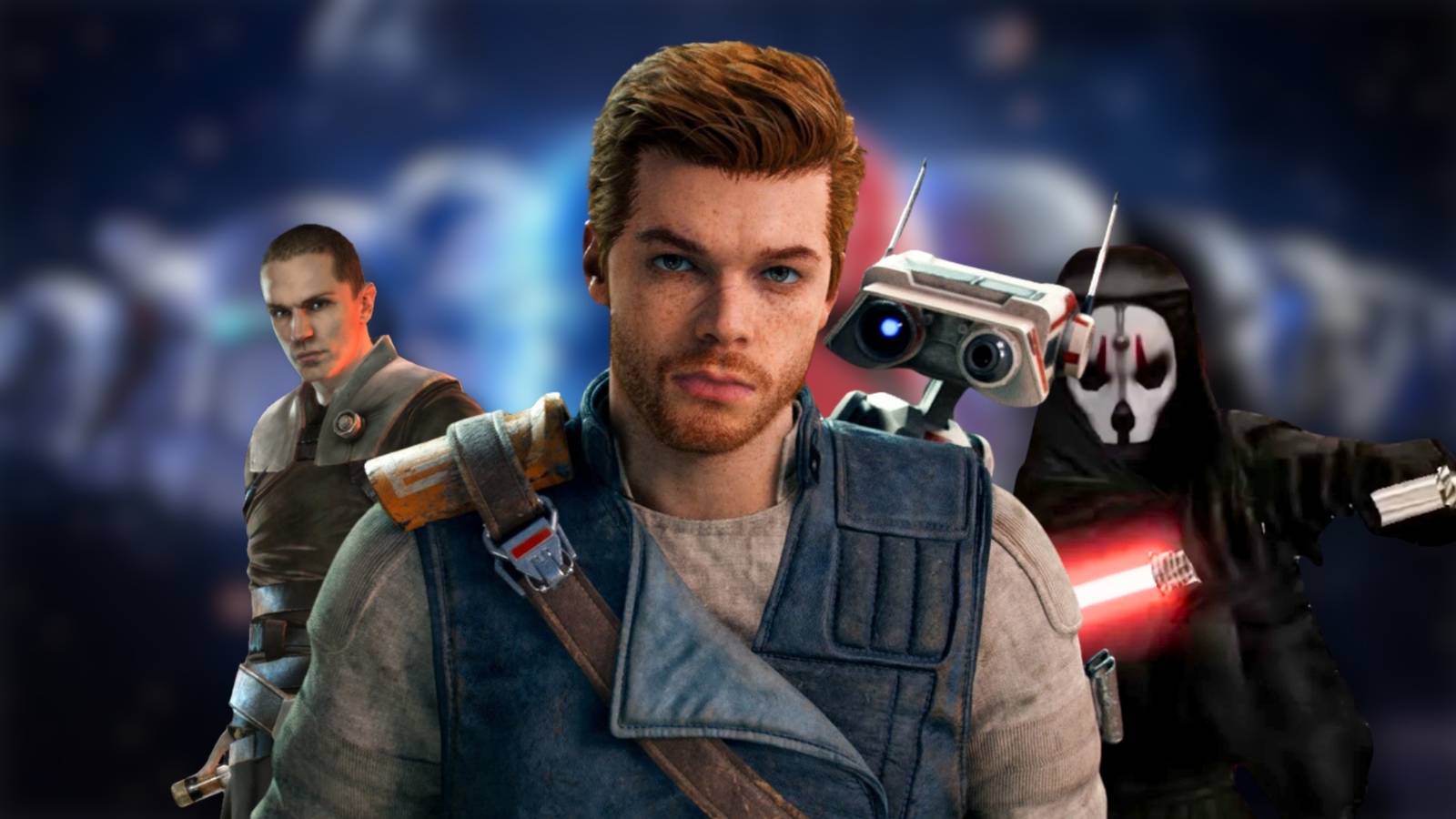
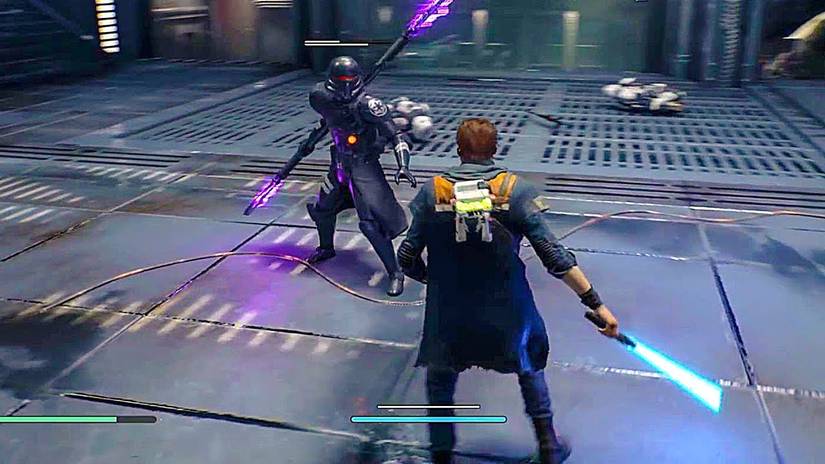
7. Star Wars Jedi: Fallen Order
The Trauma of Order 66
Respawn Entertainment took a significant risk by tackling the immediate, brutal aftermath of Order 66. Rather than focusing on the high-fantasy heroics of the Clone Wars, Fallen Order depicts the Jedi as a traumatized, fractured, and hunted species. By highlighting the psychological toll of the genocide and the desperation of survivors, the game added a layer of grounded emotional weight to the Star Wars timeline that had previously been glossed over.
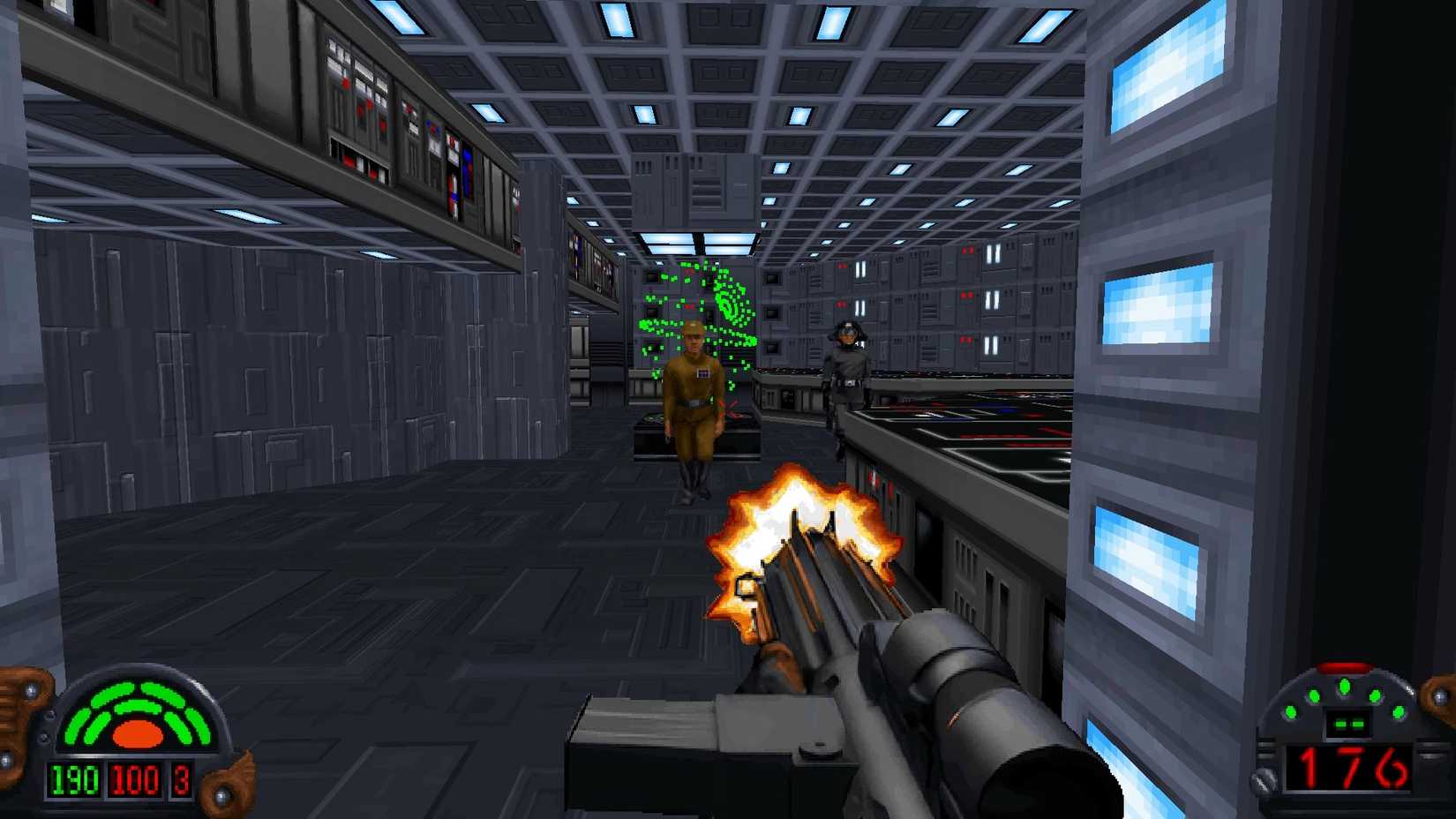
6. Star Wars: Dark Forces
The Precursor to Rogue One
Before the cinematic success of Rogue One, Star Wars: Dark Forces was the definitive account of how the Rebel Alliance secured the Death Star plans. By casting Kyle Katarn as the lead, the game introduced a character who became a staple of the Expanded Universe. The risk of depicting a catalyst event—one that leads directly into A New Hope—was immense, but it paid off by grounding the high-stakes rebellion in the perspective of a tactical operative rather than a mystical space wizard.
5. Star Wars Jedi Knight: Jedi Academy
Choosing the Dark Side
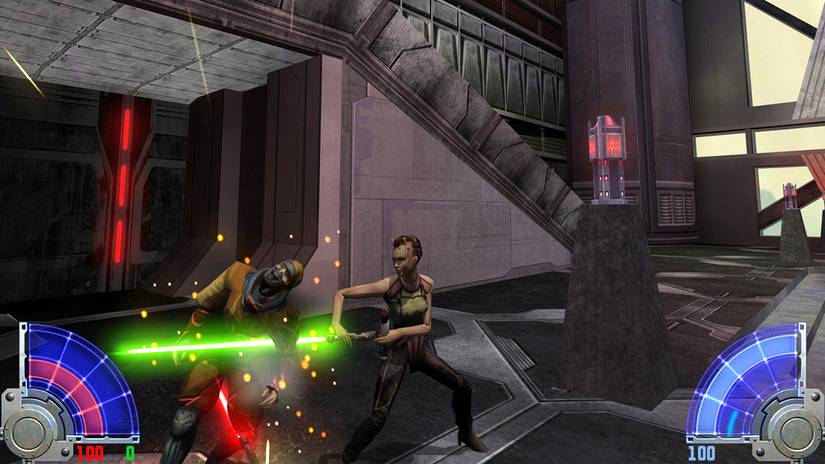
Jedi Academy offered players a choice that most Star Wars stories avoid: the path of the dark side. By allowing players to abandon the teachings of Luke Skywalker and embrace the Sith, the game provided a rare, non-linear conclusion to the protagonist’s arc. This agency allowed fans to explore the "what-if" scenario of a powerful Force user turning against the light, a decision that fundamentally shifts the game’s narrative climax.
4. Star Wars: Shadows of the Empire
Building Bridges in the Timeline
Set between The Empire Strikes Back and Return of the Jedi, Shadows of the Empire was an early, ambitious experiment in "transmedia" storytelling. It introduced original characters like Dash Rendar and the Black Sun criminal syndicate into a critical juncture of the films. It proved that original narratives could seamlessly integrate with the iconic movie beats without undermining the existing canon.
3. Star Wars: KOTOR II: The Sith Lords
Deconstructing the Force
Perhaps the most philosophically daring game in the franchise, KOTOR II questioned the very foundation of the series. Is the Force truly a positive entity, or is it a cosmic parasite that manipulates sentient beings into an endless cycle of war? By challenging the binary morality of Jedi and Sith, the game forced players to confront the nihilism inherent in the galaxy’s eternal struggle. It remains a masterclass in narrative subversion.
2. Star Wars: The Force Unleashed
The Secret Apprentice
Starkiller, the secret apprentice of Darth Vader, was a lightning rod for controversy upon release. By inserting a character with god-like power levels into the period between the trilogies, the game pushed the boundaries of what was "canonically" possible. Despite the pushback from fans who felt it strayed too far from established lore, The Force Unleashed remains a testament to the willingness of developers to try something bold, cinematic, and entirely over-the-top.
1. Star Wars: Episode III – Revenge of the Sith
The Ultimate "What If"
The 2005 tie-in game is legendary for its alternate ending. During the climactic duel on Mustafar, players can defeat Obi-Wan Kenobi. This single victory leads to a timeline where Anakin remains in power, executes the Emperor, and rules the galaxy as the undisputed master of the Sith. By allowing players to shatter the most significant tragedy in the Star Wars saga, the game provided a cathartic, albeit terrifying, look at the power of the dark side.
Supporting Data: The Impact of Narrative Agency
The success of these titles—and the enduring debate surrounding them—highlights a key trend in the industry: players do not just want to watch Star Wars; they want to influence it. According to industry metrics, games that allow for moral agency (like KOTOR II or Jedi Academy) see higher replayability rates compared to strictly linear narrative experiences. This suggests that the audience’s desire for "creative ownership" over their Star Wars experience is a significant driver of engagement.
Official Responses and Industry Legacy
Lucasfilm and later Disney have navigated these "Legends" titles with a mix of caution and appropriation. Characters and concepts from these games—such as the Ebon Hawk, references to the Old Republic, and even the "Inquisitorius" program—have been slowly filtered back into the modern canon.
When asked about the status of these older titles, representatives from Lucasfilm have historically emphasized that while these stories may no longer be the primary timeline, they remain essential building blocks of the Star Wars experience. They serve as a roadmap for what fans respond to, proving that "risky" storytelling is often the most rewarding.
Implications for the Future
As we look toward the next generation of Star Wars titles, the lessons of the past remain clear. The franchise is at its best when it dares to look beyond the Jedi and the Sith, or when it questions the morality of the heroes we hold dear. Whether through the lens of a lowly pilot, a morally grey bounty hunter, or a fallen Jedi, the future of Star Wars in gaming depends on the willingness of developers to take the same risks that made these ten games legendary.
The galaxy is far too big to be confined to a single perspective. By embracing the complexity, the tragedy, and the moral ambiguity of the Star Wars universe, developers will ensure that the franchise continues to evolve, challenging fans to rethink everything they know about the Force.


 Asro
Asro
 Muslim