

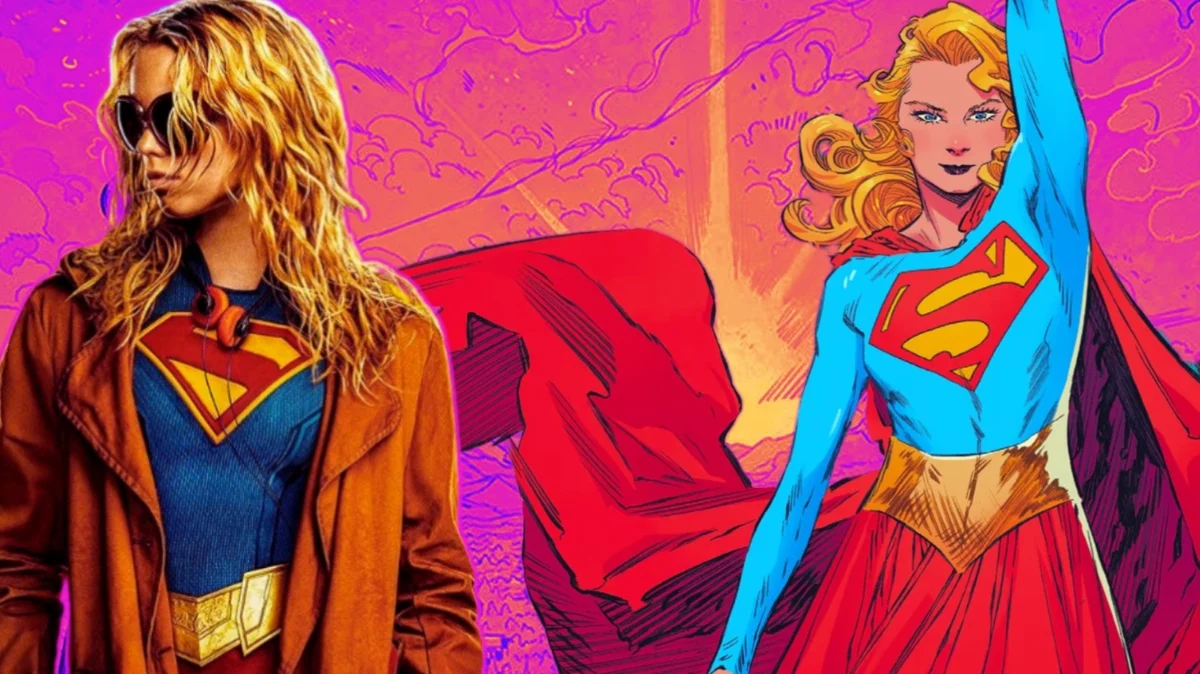
As anticipation builds for the 2026 DC Universe slate, one project has emerged as a focal point of intense scrutiny and excitement: Supergirl. While many superhero adaptations are known for "kit-bashing"—taking disparate elements from decades of comic book history to form a singular narrative—director Craig Gillespie and screenwriter Ana Nogueira have taken a more surgical approach. They are grounding their film in the acclaimed 2021-2022 miniseries Supergirl: Woman of Tomorrow by Tom King and artist Bilquis Evely.
However, a recent set visit from April 2025 has revealed that while the DNA of the comic remains, the structural architecture of the film is undergoing a significant evolution. By shifting the perspective from a coming-of-age odyssey to a character-driven study of a cynical survivor, the upcoming film promises to be a vastly different beast than its source material.
The Core Shift: From Ruthye’s Odyssey to Kara’s Redemption
In the source material, Woman of Tomorrow functions as a space-bound riff on the classic Western True Grit. The story follows Ruthye Marye Knoll, a young alien girl seeking vengeance for the murder of her father at the hands of the brigand Krem of the Yellow Hills. Much like Mattie Ross in Charles Portis’ novel, Ruthye is the heartbeat of the story, with Supergirl serving as the "Rooster Cogburn" figure—a weary, disillusioned force of nature who eventually finds her own sense of purpose through the young girl’s unwavering moral compass.
In the film, that dynamic is being inverted. During the set visit, publicist Sophie Scott was emphatic regarding the film’s focus: "This is Supergirl’s movie. It’s Supergirl’s movie, but [Kara and Ruthye] are travel buddies."
![Supergirl Makes One Major Structural Change To The Woman Of Tomorrow Comics [Set Visit]](https://www.slashfilm.com/img/gallery/supergirl-makes-one-major-structural-change-to-the-woman-of-tomorrow-comics-set-visit/l-intro-1780238661.jpg)
This shift is crucial. By centering the film on Kara Zor-El (played by Milly Alcock), the filmmakers are moving away from an objective observer’s journey and into the internal psyche of the Last Daughter of Krypton. While the True Grit model of a grizzled protector and an idealistic youth remains the structural spine of the film, the emotional arc is now firmly Kara’s to carry.
A Chronology of Cynicism: Kara’s Traumatic Origins
To understand why the film is reframing the narrative, one must look at the version of Kara Zor-El being introduced to the DC Universe. Unlike the more traditional, optimistic portrayals of the character, this iteration of Supergirl is defined by a deep-seated, justifiable cynicism.
Marketing materials have already highlighted a sharp contrast between Kara and her cousin, Kal-El (David Corenswet). As noted in the first trailer, Kara observes that while Superman "sees the good in everyone," she only sees "the truth."
The film’s narrative will explore the specific, harrowing trauma of Kara’s youth. Unlike Kal-El, who was sent away as an infant, Kara remained on a surviving fragment of Krypton long after the planet’s cataclysm. She spent her formative years witnessing the slow, agonizing death of her world and the people she loved. When she was finally launched into space by her father, Zor-El, she did so with the psychological scars of a survivor who has seen the absolute worst of the universe. This trauma informs her worldview, turning her into a hardened antihero who has little patience for the idealistic heroics her cousin embodies.
![Supergirl Makes One Major Structural Change To The Woman Of Tomorrow Comics [Set Visit]](https://www.slashfilm.com/img/gallery/supergirl-makes-one-major-structural-change-to-the-woman-of-tomorrow-comics-set-visit/intro-1780238661.jpg)
The Influence of the "Gray Area"
The film’s thematic weight rests on the tension between "black hats, white hats, and gray hats." In the original comic, Kara’s journey is one of rediscovery; she joins Ruthye’s quest partially as a ruse to save her super-pup, Krypto, but ultimately stays because she realizes she needs to save Ruthye’s soul from the corruption of vengeance.
The film appears to be taking this moral complexity further. By framing the relationship as a "mutual growth" arc, the filmmakers are setting up a collision between Kara’s jaded pragmatism and Ruthye’s singular, vengeful mission. Kara’s warning to Ruthye—"Revenge, it won’t take your pain away"—suggests that the film will be a direct confrontation with the toxicity of vengeance. For Kara, helping Ruthye may be an attempt to prevent the younger girl from becoming the person Kara fears she already is.
Expanding the Frontier: The Introduction of Lobo
Perhaps the most significant structural departure from the source material is the integration of the intergalactic bounty hunter, Lobo. Played by Jason Momoa, the "Main Man" is absent from the original Woman of Tomorrow comic, though he was reportedly considered for a team-up in early drafts of the series that never materialized.
Chantal Nong Vo, Executive Vice President of Production at DC Studios, explained that the decision to include Lobo was driven by a need to "twist it up" and challenge the established character dynamics. "It’s really interesting to have somebody who plays with the gray area when you have a Supergirl and a Ruthye who are both kind of going from black to white," Vo noted.
![Supergirl Makes One Major Structural Change To The Woman Of Tomorrow Comics [Set Visit]](https://www.slashfilm.com/img/gallery/supergirl-makes-one-major-structural-change-to-the-woman-of-tomorrow-comics-set-visit/supergirl-woman-of-tomorrow-is-ruthyes-story-but-supergirl-2026-is-kara-zor-els-1780238662.jpg)
Lobo serves as the ultimate "gray hat" in the film’s moral landscape. His presence acts as a catalyst, forcing both Kara and Ruthye to define their own codes. If Kara is trending toward the light and Krem of the Yellow Hills is the personification of the dark, Lobo exists in the "dark gray," a character whose unpredictability makes him a vital, if dangerous, variable in the story.
Implications for the New DC Universe
The decision to adapt Woman of Tomorrow as a character-led drama rather than a sprawling space adventure speaks volumes about the direction of the new DC Universe under James Gunn and Peter Safran. By choosing to tell a smaller, more intimate story about trauma and the search for purpose, the studio is signaling that the new DCU will prioritize character depth over mere spectacle.
Key Takeaways for the Audience:
- A Different Tone: Expect a film that leans into the Western genre’s tropes—solitude, survival, and the high cost of violence—rather than a traditional caped-crusader epic.
- Milly Alcock’s Performance: The film relies heavily on Alcock’s ability to portray a character who is fundamentally wounded, bridging the gap between a hardened survivor and a reluctant hero.
- The "Krypto" Factor: While the comic used Krypto as a narrative device to justify the journey, the film’s focus on Kara’s past implies that her bond with her companion will be a primary emotional anchor.
- The Stakes: By introducing a wild card like Lobo, the film ensures that the stakes remain high and the moral outcome remains in flux, preventing the story from becoming a predictable "hero saves the day" narrative.
As the June 26, 2026, release date approaches, it is clear that Supergirl is positioning itself as a cornerstone of the new DCU. By stripping away the expectations of a traditional "Superman-adjacent" film and focusing on the specific, gritty, and deeply emotional journey of Kara Zor-El, the production team is crafting a story that respects its source material while fearlessly charting its own course across the stars.
Whether this structural gamble pays off remains to be seen, but the intent is clear: this is not just a story about a girl who can fly; it is a story about a woman trying to find her place in a universe that has already taken everything from her.









No comments yet. Be the first to join the conversation!