Ali Ikhwan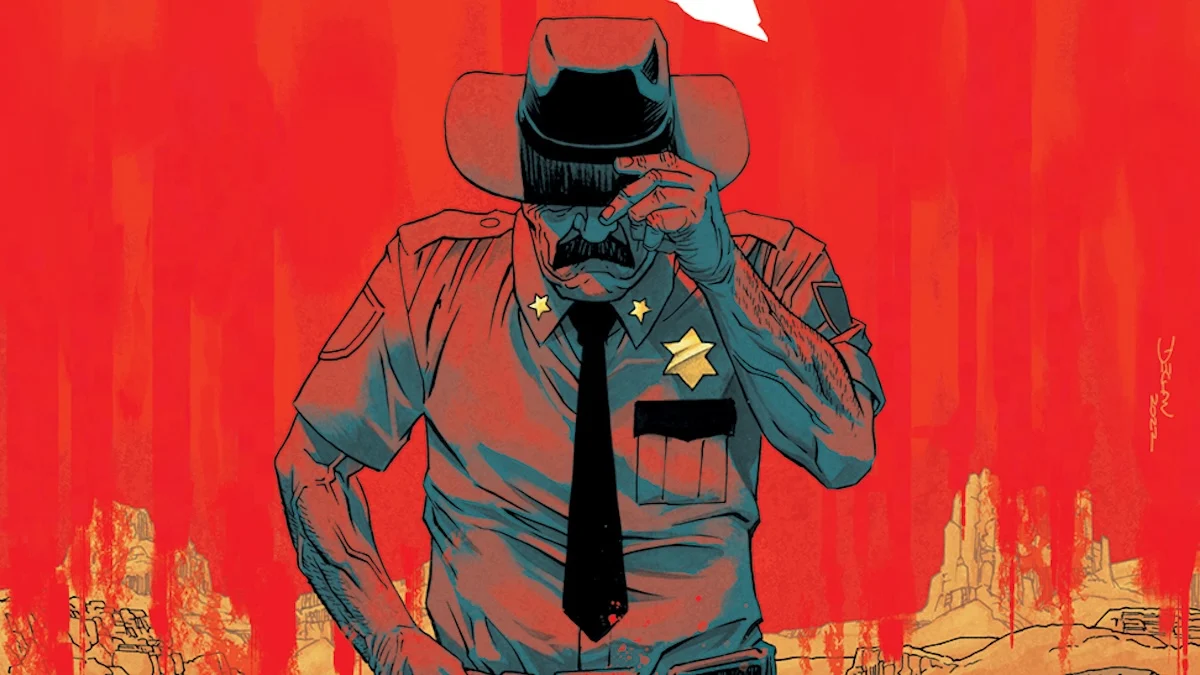
By Jackson McCoy
June 3, 2026
In the sprawling, neon-drenched landscape of modern graphic literature, the Southern Gothic genre has long been relegated to the periphery—a dusty, brooding cousin to the high-octane spectacle of costumed crusaders. Yet, within the pages of That Texas Blood, a neo-Western masterpiece from Image Comics, the shadows of Ambrose County, Texas, are currently casting a longer silhouette than almost anything else on the newsstand.
Written by Chris Condon and brought to life with a visceral, sun-bleached aesthetic by artist Jacob Phillips, That Texas Blood is a narrative anomaly. It is a story that breathes the dust of Cormac McCarthy’s prose and exhales the cold, calculated nihilism found in the best of Frank Miller’s noir output. While for years it existed as a "critical darling" that lived in the margins, the series has recently experienced a seismic shift in fortune. In an unprecedented move for a non-superhero title, it has rocketed to the summit of the aftermarket sales charts, effectively body-checking mainstream titans like Absolute Batman and The Amazing Spider-Man out of the top ten.
This is not merely a statistical outlier; it is a cultural bellwether. As the industry faces a palpable sense of "superhero fatigue," That Texas Blood stands as a testament to the fact that readers are starving for grounded, character-driven tension.
The Anatomy of an Ambush: Main Facts and Narrative Stakes
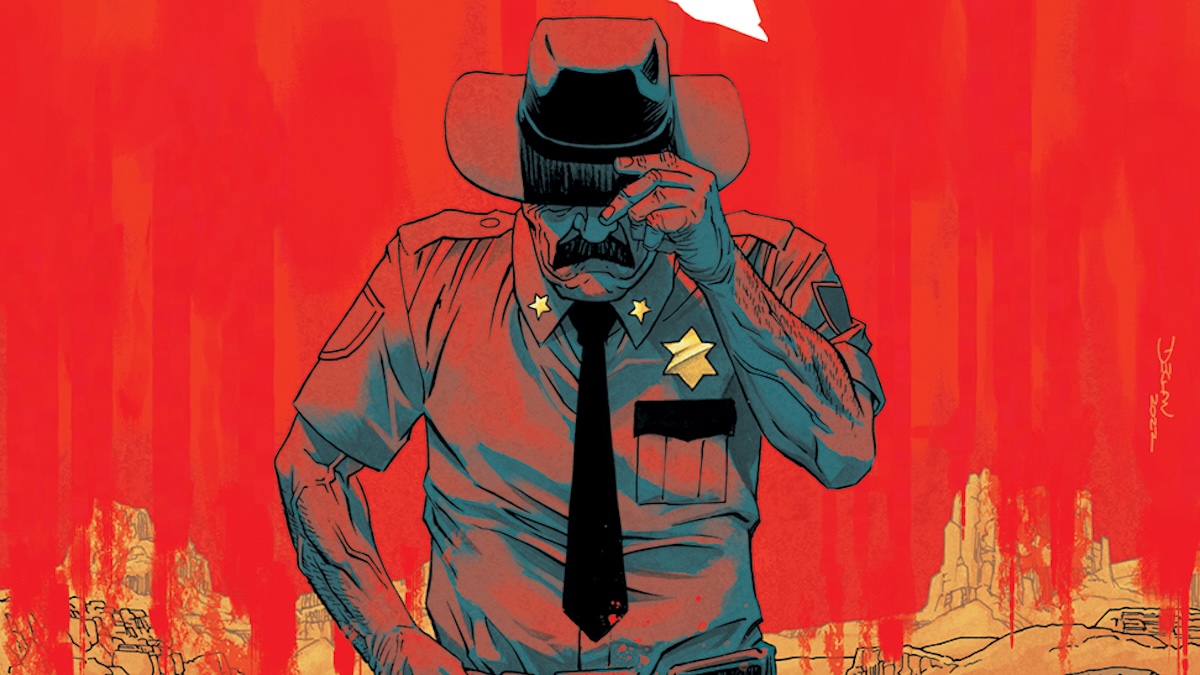
At its core, That Texas Blood is an exercise in atmospheric dread. Set in the fictional, unforgiving landscape of Ambrose County, the story centers on Sheriff Joe Bob Coates. Coates is not a caped vigilante with a moral compass forged in the fire of tragedy; he is a man attempting to navigate a world that is becoming increasingly, violently unrecognizable.
The brilliance of the series—and the primary driver of its recent resurgence—lies in its refusal to adhere to the "crossover" mandate that currently dominates the Big Two publishers (Marvel and DC). In an era where understanding a single issue often requires reading three spin-offs and a prelude, Condon and Phillips offer a self-contained, high-stakes narrative. There are no multiversal resets or continuity reboots here. There is only the brutal, inevitable march of consequences in a small town that hides its secrets deep in the scrub brush.
The series utilizes a slow-burn pace that prioritizes character interiority over bombastic action. By focusing on the isolation of the rural Texas landscape, the creators have managed to turn the setting itself into a primary antagonist. For the modern reader, exhausted by the infinite loops of superhero continuity, this "what-you-see-is-what-you-get" storytelling is not just refreshing—it is addictive.
A Chronological Descent into Ambrose County
To understand why That Texas Blood is dominating the conversation in mid-2026, one must look at the timeline of its quiet, steady climb toward ubiquity.
- The Launch (2020): The series debuted with a whisper, quickly earning acclaim for its stark, evocative art style and its unflinching look at rural crime.
- The Creative Hiatus (2022): Following a consistent run, the central narrative hit a pause after its twentieth issue. The release of a standalone Christmas special in December 2022 left fans wondering if the Sheriff’s journey had reached its final sunset.
- The Television Catalyst (May 2026): The landscape changed overnight when FX announced they were developing a television adaptation. With visionary filmmakers Jim Mickle and E.L. Katz attached to helm the project, the comic was suddenly thrust into the spotlight of the mainstream entertainment industry.
- The Market Surge (June 2026): Within weeks of the announcement, the aftermarket value of early issues and trade paperbacks surged. Collectors who had overlooked the series during its initial run began scrambling to complete their collections, leading to the current market dominance that has shocked traditional industry analysts.
Data-Driven Dominance: Why the Numbers Matter
The data from the aftermarket sales charts provides a clear picture of the current shift in reader preference. When a niche, independent noir thriller outperforms Absolute Batman—a flagship title designed to revitalize the most recognizable icon in comic history—it signals a fundamental change in the ecosystem.
Current market trends indicate that collectors are moving away from speculative "first appearance" hunting in favor of "story-driven acquisition." Investors and fans alike are betting on the long-term cultural capital of the That Texas Blood brand, anticipating that the FX series will bring the property to the same level of prestige enjoyed by shows like Yellowstone or True Detective.
Furthermore, the "superhero burnout" phenomenon is quantifiable. With the conclusion of The Boys and the saturation of the market with traditional, often derivative superhero fare, the "subversive" genre is also beginning to lose its luster. Readers are no longer looking for "deconstructions" of heroes; they are looking for genuine, human stories that happen to be told through the medium of the page. That Texas Blood offers this in abundance, filling a vacuum that the major publishers seem unable to address.
Official Responses and Industry Implications
The announcement of the FX adaptation has brought with it a wave of renewed vigor from both the creators and the publisher. While Image Comics had previously been criticized by some fans for focusing heavily on established, high-performing franchises—such as the ever-expanding Invincible universe—the company has signaled that it is ready to double down on the prestige noir that That Texas Blood represents.
"We always knew this story had the potential to transcend the comic shop walls," noted a representative for the series’ creative team. "The response from readers, both old and new, has been overwhelming. It’s a validation that if you write a story with grit and honesty, the audience will find it, regardless of the capes and cowls surrounding it."
Industry insiders suggest that the success of this adaptation could trigger a "Western Renaissance" in comic publishing. Much like the success of The Walking Dead fundamentally changed how independent publishers approached horror, the success of That Texas Blood is likely to encourage smaller houses to invest in long-form, atmospheric crime thrillers.
The Road Ahead: Why the Texas Zeitgeist Persists
As we move further into the latter half of 2026, the implications of That Texas Blood’s success are profound. It is a clear rebuke of the "reunion and crossover" narrative crutch that has plagued the industry for the better part of a decade. When publishers rely on nostalgia, they alienate the new generation of readers who crave original, contained experiences.
The series is not just winning because it has a TV show on the horizon; it is winning because it treats the reader with respect. It assumes the reader has the patience for nuance and the stomach for the harsh realities of rural life. It doesn’t promise a universe-shattering event every three months; it promises an honest, brutal, and beautifully rendered journey.
For those who have yet to take the trip to Ambrose County, the current fervor serves as an invitation. In an era where it often feels like publishers are lost in a maze of their own continuity, That Texas Blood provides a clear path forward. The industry is currently witnessing a pivot point, where the weight of the cape is finally being outweighed by the dust of the frontier.
Collectors, casual readers, and critics have all reached a silent consensus: the future of comics might not be found in the heights of the multiverse, but in the dark, quiet corners of a small Texas town. The rise of That Texas Blood is more than just a sales trend; it is a return to the roots of the medium, proving that when the spectacle fades, it is the story—and the blood behind it—that truly remains.

 Jia Lissa
 Iffa Jayyana