Suro Senen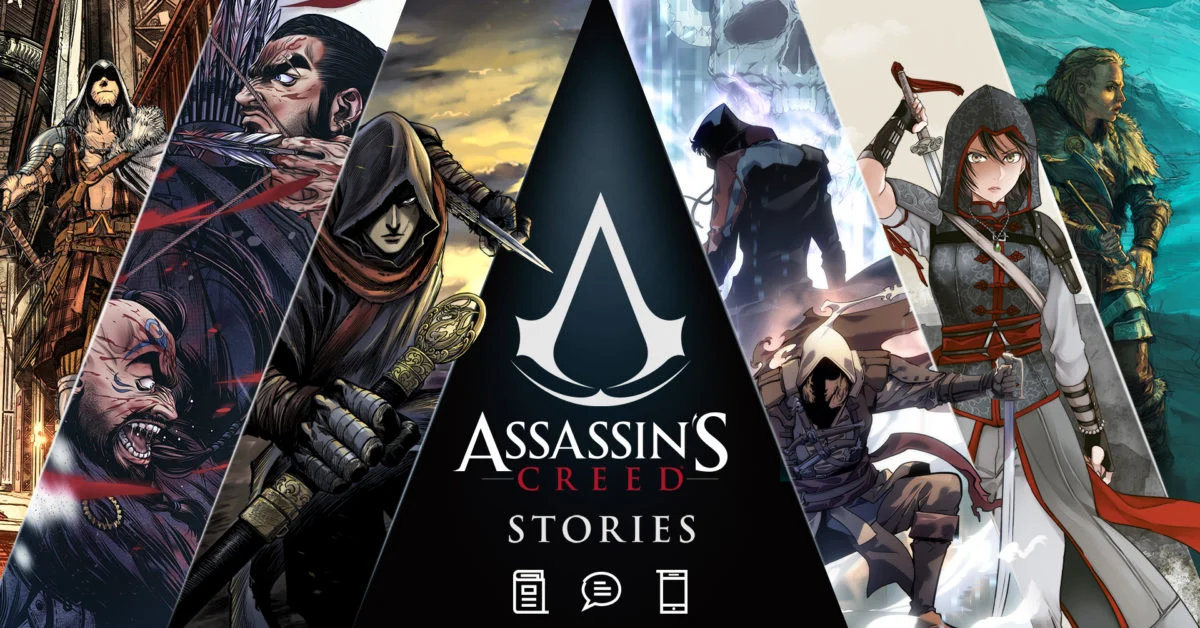
The Assassin’s Creed franchise, one of the most commercially successful and critically acclaimed intellectual properties in the history of interactive entertainment, is poised to undergo a radical metamorphosis. Ubisoft, the developer and publisher behind the global juggernaut, has officially announced a comprehensive initiative to expand the Assassin’s Creed Universe beyond the traditional video game medium. By leveraging novels, graphic novels, manhuas, webtoons, and immersive audio podcasts, the company is signaling a long-term commitment to evolving its storytelling into a true multi-platform ecosystem.
This ambitious push, designed to deepen the lore of the long-standing conflict between the Assassin Brotherhood and the Templar Order, aims to bridge the gap between historical fact and the franchise’s signature science-fiction "Animus" conceit. For fans who have spent over a decade navigating the rooftops of Renaissance Italy and the high seas of the Caribbean, this announcement promises a more granular, localized, and diverse exploration of the secret war that has spanned centuries.
A New Categorization of Lore
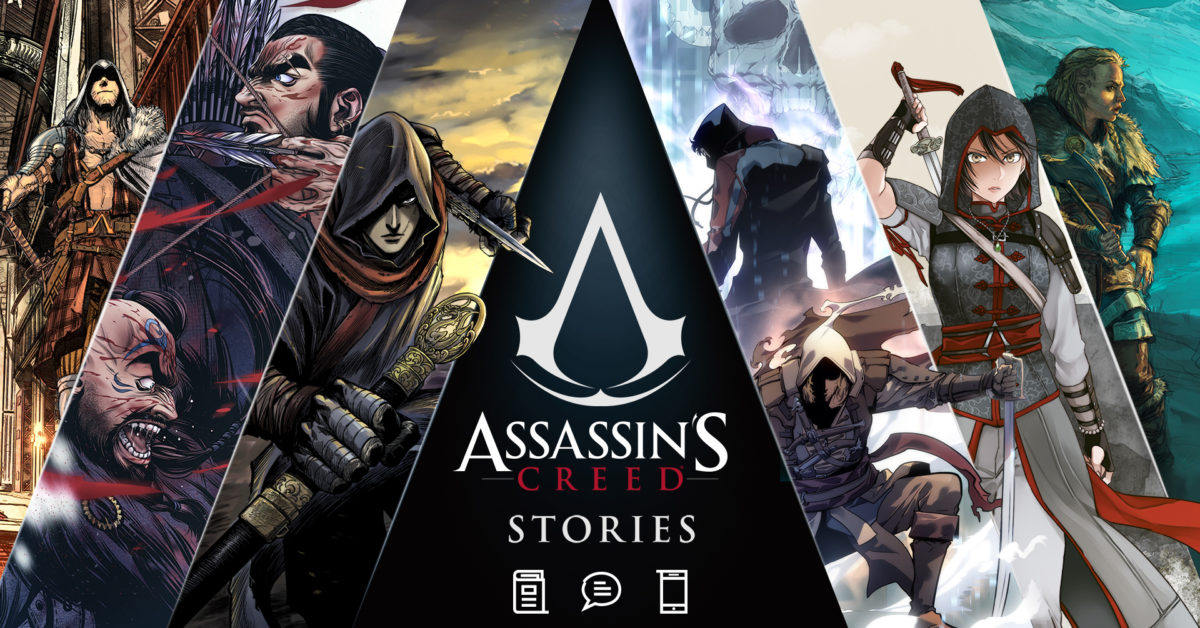
Ubisoft has structured this ambitious content pipeline into three distinct, easily identifiable categories. This taxonomy allows fans to navigate the growing library of content while understanding the relationship between each new project and the established game canon:
- Classics: These titles serve as direct adaptations of narratives previously explored within the video games. They act as "retellings" or deep dives into the source material that defined the series.
- Chronicles: These works focus on established, fan-favorite Assassins. They function as canonical extensions of existing characters’ lives, filling in the gaps between game chapters or exploring untold missions from their pasts.
- Originals: Perhaps the most experimental of the three, this category introduces entirely new protagonists, novel historical settings, and fresh time periods, allowing for creative freedom unburdened by the specific constraints of previous game titles.
The Global Strategy: A Localized Approach
One of the most notable aspects of this expansion is Ubisoft’s intentional pivot toward international collaboration. By partnering with authors and illustrators from China, Japan, and Korea, the company is moving away from a strictly Western-centric narrative perspective.
"With a license as rich as Assassin’s Creed, many creators are excited to offer their vision of the franchise," says Aymar Azaïzia, Transmedia Director at Ubisoft Montreal. "It’s a great creative opportunity to publish a work that is relevant to the genre in question and produced by authors or illustrators who are recognized in their field."
This sentiment is echoed by Julien Fabre, Associate Director of Publishing at Ubisoft, who emphasizes that the company is actively forging new relationships in Asian markets to ensure the stories feel authentic. "With so many creators from all over Asia delivering innovative content, a priority for Ubisoft has been to forge new relationships with talented partners in the region," Fabre noted.
The strategy is not merely about volume; it is about cultural resonance. Etienne Bouvier, Publishing Content Manager, explained, "With this global vision and local approach, we seek to offer our fans new content in formats they are familiar with, and with stories that are rooted in their cultural background and their history."
Detailed Breakdown of Upcoming Projects
The sheer breadth of the project list is impressive, ranging from YA literature to high-production digital audio dramas.
The Fragments Young Adult Trilogy
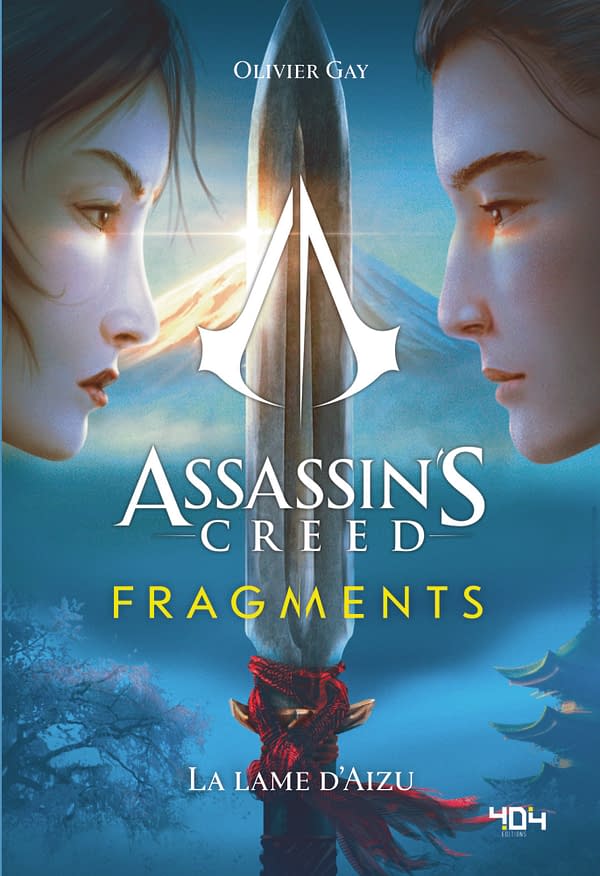
Designed to engage a younger demographic, the Fragments trilogy—developed in partnership with the French publisher Editis—focuses on the dynamic between siblings caught in the crossfire of the Assassin-Templar feud. Each volume moves to a distinct historical epoch, with the first volume anchored in 19th-century Japan, the second in 13th-century Scotland, and the third in 17th-century France.
The Jade Seal Collection
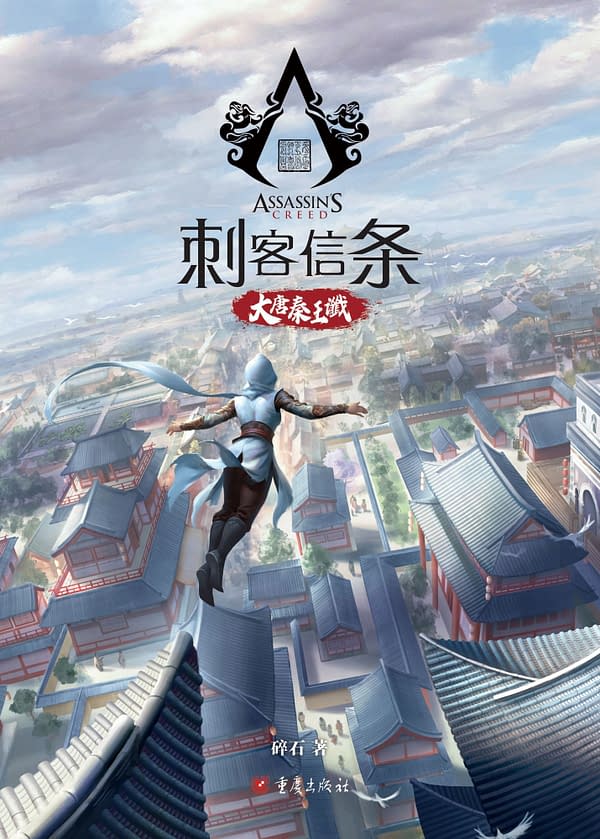
This is perhaps the most ambitious prose project, comprising ten novels that span the breadth of Chinese history from the Zhou Dynasty to the Ming Dynasty. Featuring six prominent Chinese authors, this collection promises to introduce a vast array of new Assassins and archenemies into the franchise’s expanding historical tapestry.
Assassin’s Creed: The Ming Storm (Chronicles)
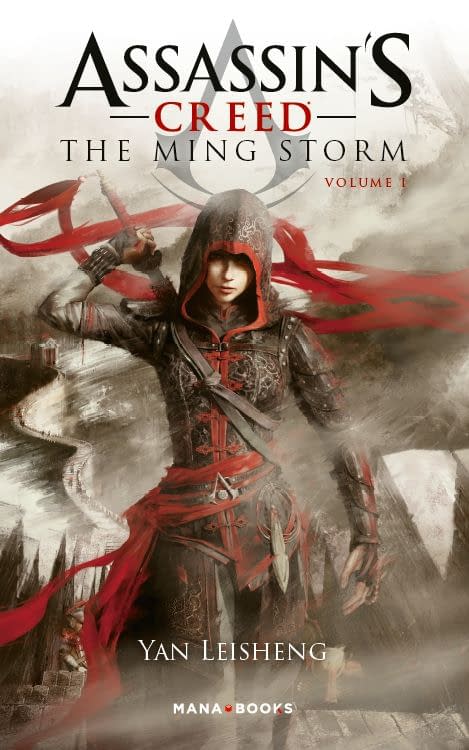
Written by celebrated author Yan Leisheng, this novel marks the return of Shao Jun, the protagonist of the Assassin’s Creed Chronicles: China video game. This action-packed trilogy provides a deep dive into 16th-century China and sets the stage for a broader slate of Aconyte Books publications, including a highly anticipated trilogy set within the Assassin’s Creed Valhalla universe.
Assassin’s Creed: Dynasty (Manhua)
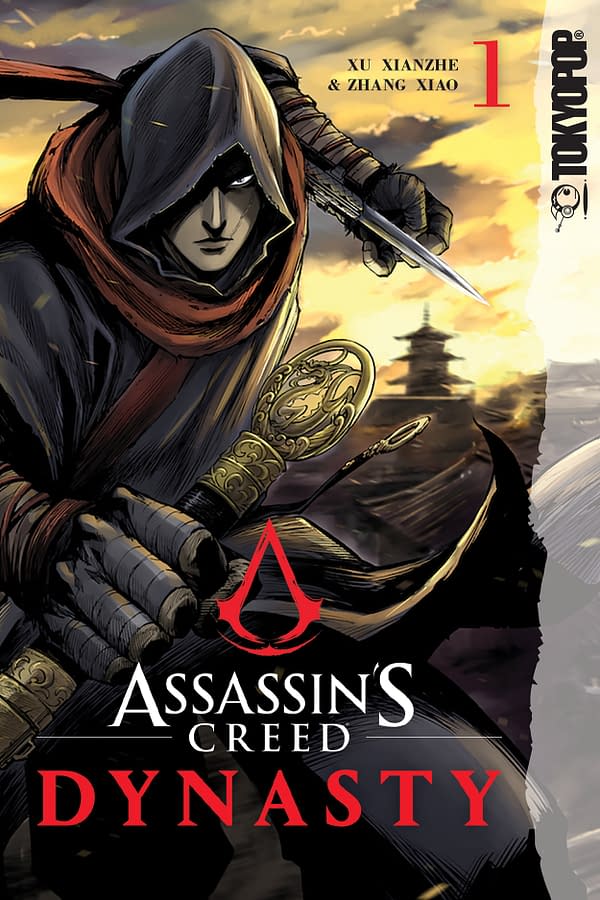
A massive hit on the Tencent platform with over 150 million views, this manhua follows the story of Li E as he navigates the civil war-torn landscape of the Tang Dynasty. With a U.S. release scheduled through TOKYOPOP, fans will soon be able to experience this Wuxia-infused epic in both ebook and print formats.
Valhalla-Centric Expansions
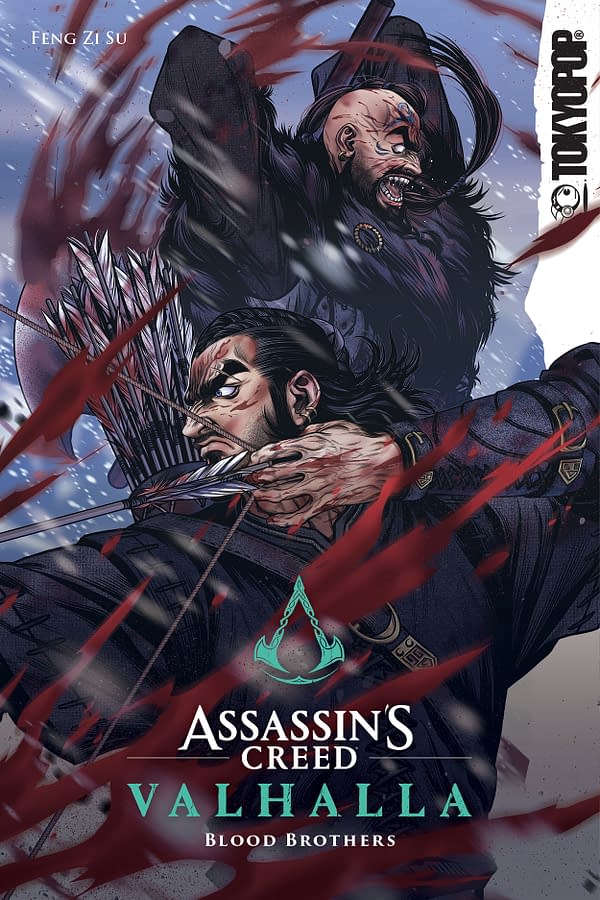
The Assassin’s Creed Valhalla era is receiving significant attention. Blood Brothers, a new manhua, details the tale of two Viking brothers set prior to the events of Eivor’s journey. Simultaneously, a French graphic novel from Glénat Editions will explore the journey of an aspiring Assassin and a Christian monk traveling from Ravensthorpe to Scotland. Finally, Song of Glory, a prequel comic series originally released as individual issues, is now being collected into a premium hardcover edition by Dark Horse Comics.
Blade of Shao Jun and Podcast Adaptations
The Blade of Shao Jun manga, published by Viz Media, continues the story of the titular character while introducing a modern-day narrative involving a teenager named Lisa who encounters the sinister influence of Abstergo. Additionally, the Turbulence in the Ming Dynasty podcast, produced by Ximalaya, offers an immersive audio experience featuring professional voice actors from the Chinese film industry, complete with high-end sound design and an original musical score.
Webtoon Expansion
Looking to capitalize on the booming digital comics market, Ubisoft is currently developing a webtoon in partnership with the studio Redice. This project is confirmed to be a direct sequel to Assassin’s Creed: Black Flag, finally providing fans with an expanded look at the legacy of Edward Kenway.
Implications for the Franchise
The transition of Assassin’s Creed into a "transmedia universe" is a tactical move that reflects modern consumer habits. By diversifying its content, Ubisoft is effectively ensuring that the franchise remains top-of-mind for fans even during the inevitable lulls between major console game releases.

Furthermore, this move serves as an R&D sandbox. By testing characters, time periods, and narrative themes in smaller formats like webtoons or podcasts, Ubisoft can gauge audience interest and critical reception with lower financial risk than a triple-A game development cycle. Should a specific character or setting in the Jade Seal Collection prove immensely popular, it is not inconceivable that they could form the basis for a future interactive experience.
Ultimately, this expansion transforms Assassin’s Creed from a series of disjointed games into a living, breathing history. By embracing international talent and diverse storytelling formats, Ubisoft is inviting fans to stop simply playing the history of the Assassins and start reading, listening, and watching the deep, interconnected web of their legend. As the brand continues to grow, it is clear that the war between the Brotherhood and the Templars has never been more vibrant, or more accessible, than it is today.


 Muslim
 Rifan Muazin