The landscape of Dungeons & Dragons digital adaptations is shifting. While the massive, turn-based success of Baldur’s Gate 3 set a high-water mark for the genre, Wizards of the Coast and developer Invoke Studios are charting a decidedly different course. With the release of an eight-minute gameplay trailer for their upcoming action RPG, Warlock: Dungeons & Dragons, the industry has been given its first concrete look at a title that prioritizes visceral, character-driven combat over the tactical, isometric roots of its predecessors.
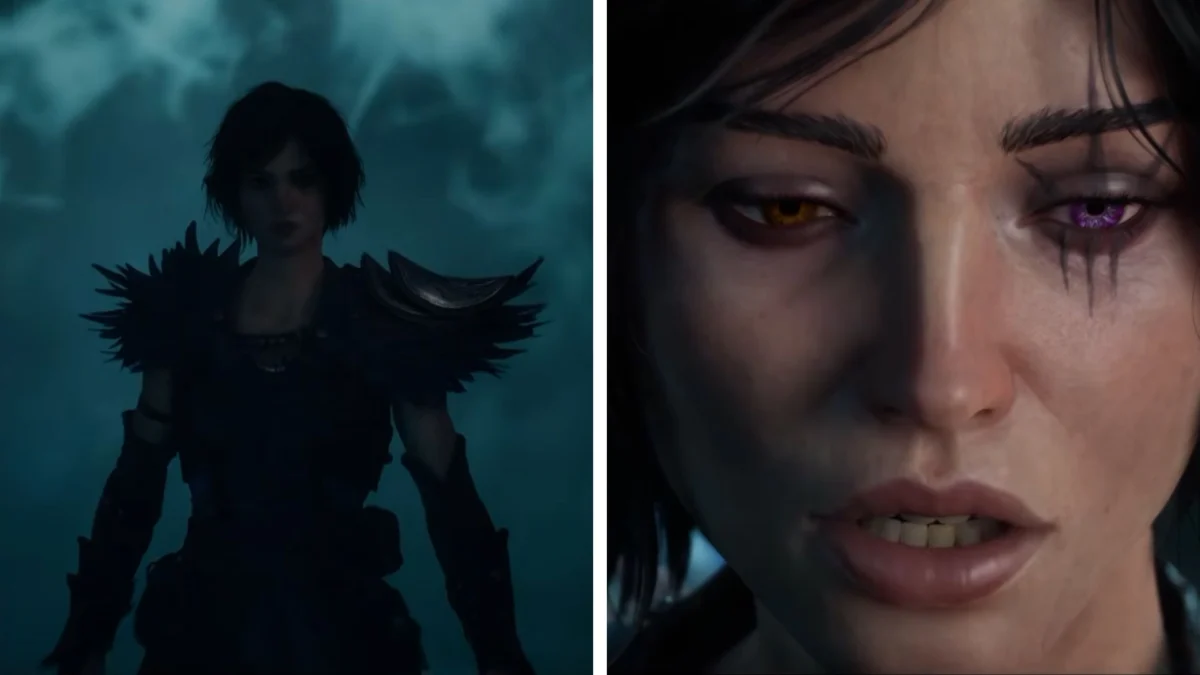
The reveal has already ignited significant discussion, primarily centered on the game’s protagonist, Kaatri, and a visual aesthetic that leans heavily into a dark, gothic fantasy atmosphere. Set for release in 2027, Warlock aims to prove that the vast D&D multiverse can thrive just as effectively in a high-octane, single-player action format as it does in the traditional tabletop experience.
The Core Experience: A New Breed of D&D
Unlike the expansive, party-based systems that define Baldur’s Gate, Warlock narrows its lens significantly. Players step into the shoes of Kaatri, an experienced warrior who has found herself bound to the mysterious and powerful witch Tasha. The narrative follows their journey through an unforgiving landscape, driven by a personal quest to recover someone Kaatri has lost.
The gameplay footage showcases a fluid, hybrid combat system that seamlessly bridges the gap between melee prowess and arcane mastery. In one sequence, viewers observed Kaatri telekinetically suspending an enemy in mid-air, disposing of a secondary foe with a brutal sword strike, and subsequently hurling the blade itself to secure a kill. This is complemented by a supernatural arsenal; the trailer highlights the ability to summon writhing tendrils from the earth to incapacitate groups of enemies, suggesting that the game will offer a "plethora of tools" for players to experiment with.
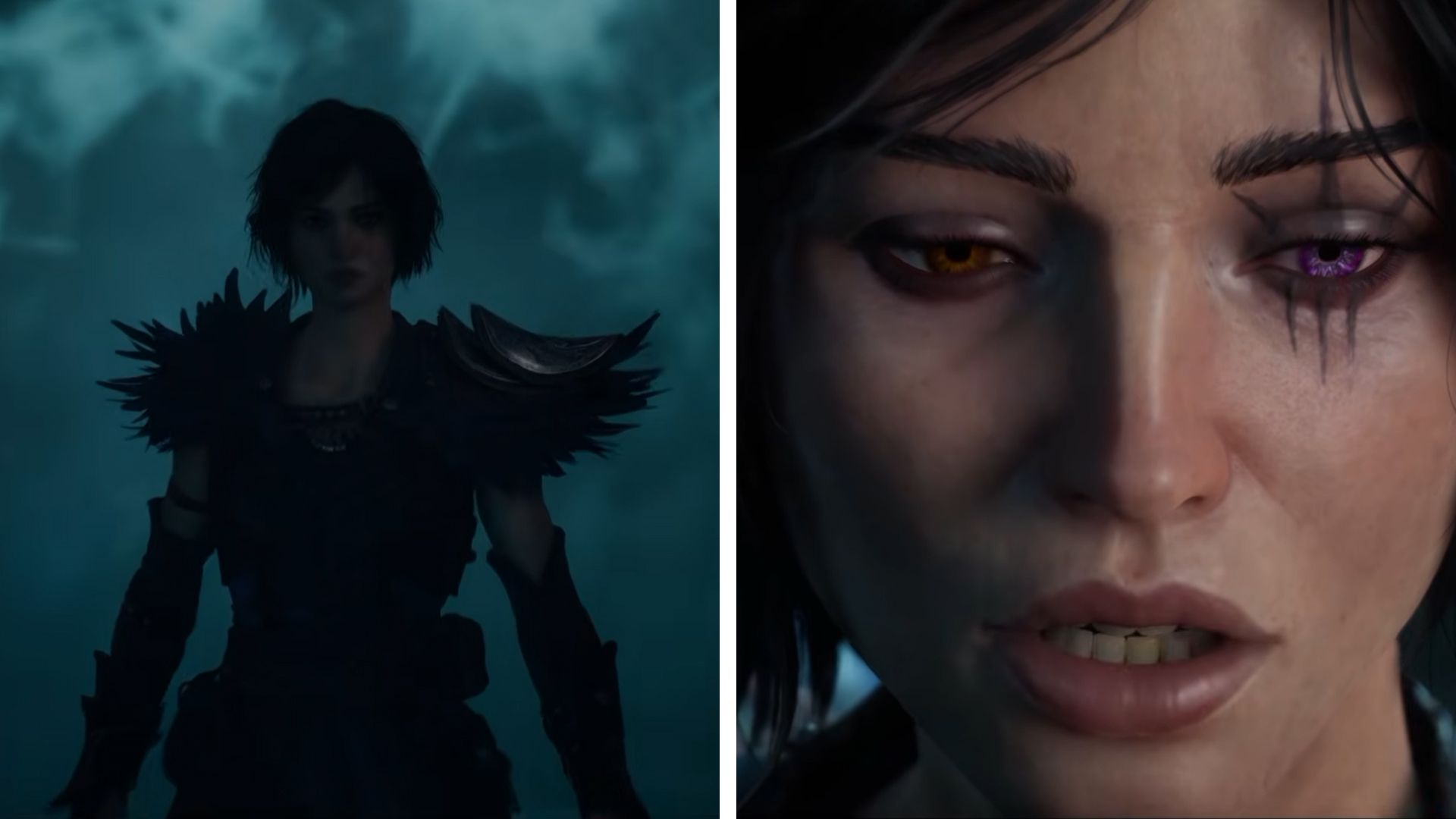
The design philosophy appears to be one of "modernization." Fans have been quick to praise the character design of Kaatri, which balances battle-worn realism—scuffed armor, scars, and practical attire—with an ethereal, supernatural flair. On social media platforms like X, the consensus is that the character possesses a strong visual identity, with one prominent comparison describing her as a fusion of Galadriel’s regal intensity and the grit of Sarah Kerrigan from StarCraft.
A Chronology of the Reveal
The path to this announcement has been carefully managed by Wizards of the Coast as they look to expand their digital footprint.
- Early Development Phase: Following the unprecedented success of Larian Studios’ Baldur’s Gate 3, Wizards of the Coast signaled an intent to diversify their portfolio. Invoke Studios was brought on to explore the untapped potential of action-oriented gameplay within the D&D license.
- The Casting Announcement: Months prior to the gameplay reveal, the industry buzzed with the news that Tricia Helfer, the renowned actress known for her iconic portrayal of Number Six in Battlestar Galactica, would voice Kaatri. Simultaneously, it was confirmed that Maggie Robertson—who gained critical acclaim for her role as Orin the Red in Baldur’s Gate 3—would step into the shoes of the witch Tasha.
- The Gameplay Premiere: The eight-minute showcase released recently provided the first tangible look at the game’s mechanics, confirming that the title would move away from turn-based strategy in favor of real-time, high-stakes combat.
- The Road to 2027: With the reveal complete, the development team has entered a multi-year polishing phase, with a targeted launch window set for 2027.
Supporting Data: Why This Shift Matters
The move to an action-RPG format is not merely a stylistic choice; it is a calculated business strategy. Baldur’s Gate 3 proved that D&D can capture a mainstream audience, but it also highlighted the potential fatigue for long-form, 100-hour tactical campaigns.
By focusing on a single-player narrative, Warlock creates a "contained" experience. According to market analysts, this focus allows developers to refine combat loops and environmental storytelling in a way that is difficult to achieve in an open-world, multi-party RPG.
Furthermore, the "accessibility" factor mentioned by Tricia Helfer is a vital statistic for Wizards of the Coast. By removing the complexity of dice-rolling mechanics and grid-based movement, Warlock lowers the barrier to entry for fans who are familiar with the D&D brand through movies, shows, or merchandise but may feel intimidated by the rules-heavy nature of traditional D&D video games.
Official Perspectives: The Voice of the Project
The creative team behind Warlock is emphasizing emotional depth as the primary differentiator for this project. In a recent interview with Variety, Maggie Robertson underscored that the game is intended to feel intimate.
"We’re following one character’s story," Robertson noted. "Instead of being pulled in many different directions, we’re asking players to focus on one relationship with a lot of emotional depth." This shift from a "party of heroes" to a "duo of companions" suggests that the narrative will be character-study focused, a departure from the grand-scale world-saving tropes often found in fantasy games.
Tricia Helfer echoes this sentiment, highlighting that while the game is an action title, it remains deeply rooted in the D&D lore. "We really get to understand [Kaatri], know her motivations, and hopefully become captivated by the emotion driving her," Helfer explained. "And you’ll still have all the fun parts of D&D. You’ll still see iconic spells, characters, and locations. I think Warlock is trying to balance being a great experience that is both accessible to newcomers and longtime fans."
Implications: The Future of the D&D License
The announcement of Warlock carries several profound implications for the gaming industry and the Dungeons & Dragons brand:
1. Diversification of the Portfolio
Wizards of the Coast is signaling that they do not intend to have a single "default" style for their digital games. By allowing different studios to interpret the D&D rulebook through different genres—tactical, action, and perhaps eventually simulation—the brand becomes more resilient and capable of appealing to a wider demographic of players.
2. The Power of Character-Driven Narrative
By placing the marketing weight on Kaatri and Tasha, the developers are betting that fans are ready for smaller, more personal stories within the D&D universe. The success of this model could pave the way for spin-offs that explore specific classes, subclasses, or even individual monsters, rather than always relying on the "grand quest" framework.
3. The "Action-RPG" Benchmark
If Warlock succeeds, it will likely serve as the new template for how to adapt tabletop RPGs into action games. The current industry trend is to favor either massive sandbox games or slow, tactical turn-based games. Warlock occupies the "middle ground"—a cinematic, narrative-heavy action experience—which is currently a highly underserved niche in the fantasy genre.
4. Setting the Stage for 2027
With a 2027 release date, Invoke Studios has given themselves a significant runway to refine the technical aspects of the game. The visual identity, which has been lauded for its "darker, gothic aesthetic," suggests that the game will lean into the grittier side of the D&D mythos. Whether they can maintain the visual fidelity shown in the eight-minute reveal throughout a full-length campaign remains the primary question for investors and fans alike.
Conclusion
Warlock: Dungeons & Dragons is more than just a new entry in a crowded market; it is an evolution of how the world’s most famous tabletop game interacts with digital media. By marrying the high-octane combat of a modern action-RPG with the emotional weight of a character-centric narrative, Invoke Studios is taking a bold leap.
Whether the project will satisfy the die-hard fans who thrive on the tactical crunch of the tabletop game or attract a new generation of players looking for a faster, more cinematic experience remains to be seen. However, if the performances of Tricia Helfer and Maggie Robertson are any indication, the game is poised to offer a compelling look at the personal cost of wielding the arcane—and in doing so, it may just write a new chapter in the history of fantasy gaming. As 2027 approaches, the eyes of the gaming world will be fixed on Kaatri’s journey, waiting to see if this promise of "emotional depth" and "modernized combat" can truly deliver a definitive D&D experience for the next generation.