Basiran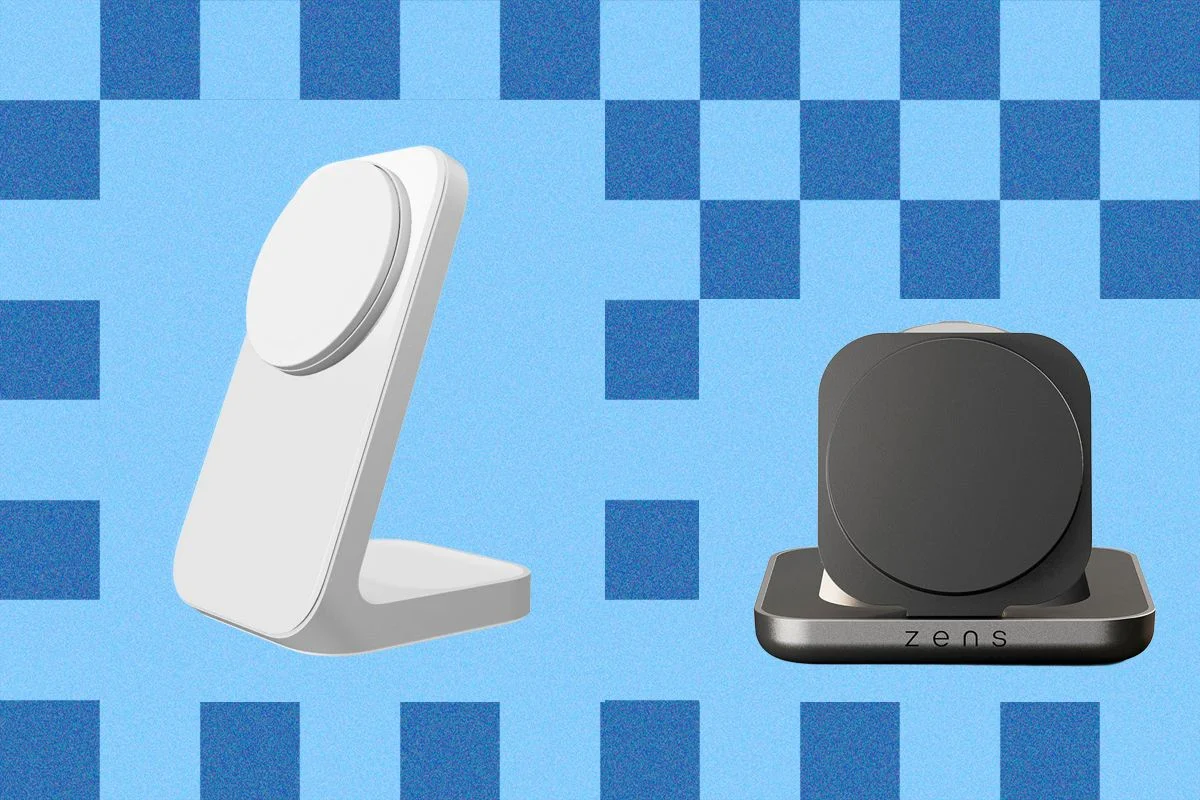
The market for wireless chargers has matured from a high-tech novelty into a crowded landscape of lifestyle accessories. While the industry standard for power delivery has largely coalesced around Qi and the emerging Qi2 magnetic standard, the physical form factors have diverged wildly. From desk mats that integrate into your workflow to high-end marble stones that mimic home decor, the options are endless.
While our primary testing guide highlights the "best of the best," there remains a fascinating segment of chargers that offer unique utility, specialized aesthetics, or innovative materials. These devices may not have earned the top-ranking spot for universal performance, but for the right user, they offer a tailored experience that mainstream chargers simply cannot replicate.
The Evolution of Wireless Power: A Brief Chronology
Wireless charging is no longer just about convenience; it is about the integration of energy into our physical environment.
- The Early Days (Pre-2017): Wireless charging was plagued by the "sweet spot" problem. Users had to perfectly align their devices on a pad, or they would wake up to a dead battery.
- The MagSafe Revolution (2020): Apple’s introduction of MagSafe changed the paradigm, using magnets to ensure perfect alignment. This effectively solved the efficiency loss caused by poor positioning.
- The Qi2 Standard (2023–Present): The Wireless Power Consortium (WPC) adopted the Apple-derived magnetic technology to create Qi2. This is the current gold standard, allowing for faster, more efficient power transfer (up to 15W, with newer iterations pushing to 25W) across both Android and iOS ecosystems.
Supporting Data: Understanding Charging Efficiency
Before selecting a charger, it is crucial to understand that not all "fast" chargers are equal. Efficiency is dictated by a combination of your phone’s internal receiver and the charger’s output capability.
| Charger Model | Price | Key Feature | Best For |
|---|---|---|---|
| Krafted Couch | $52 | Sofa-arm design | Casual living room use |
| Nimble Apollo | $19 | Recycled materials | Eco-conscious users |
| Einova Stone | $70 | Real marble/stone | Minimalist desks |
| Baseus Nomos | $130 | 5-in-1 versatility | Power users/Workstations |
| Rapport London | $475 | Luxury aesthetic | High-end office decor |
| iOttie Duo | $60 | Fabric-wrapped | Nightstands (if LED dimmed) |
| Journey Alti | $120 | Desk mat integration | Clean desk setups |
| Zens Liberty | $150 | 16-coil coverage | Freedom of placement |
| Courant Catch:2 | $75 | Belgian linen finish | Style-focused users |
| Xiaomi Mi 80W | $50 | Proprietary speed | Xiaomi phone owners |
Detailed Analysis of Niche Chargers
The Lifestyle and Aesthetic Picks
When a charger occupies a permanent space on your nightstand or coffee table, its design matters as much as its circuitry.
The Einova Eggtronic Charging Stone ($70) is a masterclass in blending utility with interior design. Crafted from 100% solid marble, it effectively disguises itself as a drink coaster. Its "stealth" nature—specifically the lack of intrusive LEDs—makes it a top contender for bedrooms. However, users should be aware that the rigid surface can potentially scuff devices, making a phone case highly recommended.
The Courant Catch:2 Essentials ($75) leans into the luxury market with a premium Belgian linen finish. While it lacks the high-speed output of some technical power stations, its ability to look like a high-end tray rather than a piece of tech makes it an ideal "landing pad" for entryways or nightstands.

Specialized Utility and Performance
Some chargers are built to solve specific spatial or functional problems, even if they aren’t the most efficient on the market.
The Krafted Couch Wireless Charger ($52) addresses the perennial problem of finding a power outlet near a sofa. Designed to drape over a couch arm, it theoretically offers a convenient charging spot while lounging. In practice, our testing revealed friction issues on certain fabrics, causing it to slide. However, for those who can secure it, the 2-meter cable and Qi2 rating make it a clever solution for the "always-draining" user.
The Baseus Nomos 5-in-1 ($130) represents the opposite end of the spectrum: pure, unadulterated utility. Designed for the desktop, it combines a tilting Qi2 magnetic pad with a retractable USB-C cable and multiple ports. It is the Swiss Army Knife of chargers, designed for the user who needs to power a laptop, phone, earbuds, and peripherals simultaneously.
The "Price vs. Value" Debate
The Rapport London Formula ($475) is an outlier in the market. It is undeniably expensive, and from a purely electrical standpoint, one could argue you are paying for the brand and the lacquered finish. Yet, the build quality is undeniable. It is a piece of furniture that charges your devices, rather than a device that happens to look like furniture.
The Zens Liberty Wireless Charger ($150) offers a fascinating look at the "coil" technology. By utilizing 16 overlapping coils, it renders the "sweet spot" issue entirely obsolete. While the Glass Edition is visually striking, we noted that the internal cooling fan can become audible under heavy loads, and heat management for non-Apple devices remains a point of concern.
Implications for Battery Health and Safety
One of the most persistent myths in the consumer electronics space is that wireless charging is inherently damaging to batteries.
Official Stance from Manufacturers:
Leading smartphone OEMs (Apple, Samsung, Google) have implemented rigorous thermal management protocols. When a phone reaches a specific temperature threshold, the device will throttle its charging speed or cease charging entirely to preserve chemical integrity.

Thermal Management Tips:
- Avoid "Fast" Charging in High Heat: Ambient temperature plays a massive role. Charging in a sun-drenched window will degrade your battery faster than using a lower-wattage, slower charger in a cool room.
- The 50–80% Rule: To extend the lifespan of your lithium-ion battery, keeping it between 50% and 80% charge is mathematically optimal. While modern software like "Optimized Battery Charging" does this for you, being mindful of long-term storage is still good practice.
- Cords Still Rule: If you are in a genuine hurry, a high-quality USB-C cable will always outperform the most advanced wireless charger. Wireless technology is designed for "trickle-top-ups" throughout the day, not emergency power bursts.
Frequently Asked Questions
Is my phone compatible with these chargers?
Most modern smartphones released in the last four years support the Qi standard. If you are uncertain, check your device’s technical specifications for "Qi-certified." Note that while Qi2 is backward compatible, some early Android devices may have compatibility quirks with specific magnetic configurations.
Can I charge through my case?
Most chargers listed above can handle standard cases up to 3mm in thickness. However, if your case contains metal rings, credit card slots with RFID shielding, or thick rubberized grips, the magnetic field may be blocked, leading to heat generation rather than energy transfer.
What is the deal with "Qi2 Ready" vs. "Qi2 Certified"?
"Qi2 Ready" indicates a device that has the internal componentry for magnetic alignment but lacks the built-in magnets themselves. To get the full experience—the "snap" and the efficiency—you must pair these devices with a magnetic case. "Qi2 Certified" devices have the magnets and the software implementation built-in from the factory.
Conclusion
The choice of a wireless charger is increasingly a choice about your lifestyle. Whether you are seeking the minimalist, stone-like aesthetic of an Einova charger, the utilitarian power of the Baseus Nomos, or the luxury of a Rapport London tray, the market has evolved beyond mere functionality. By understanding the underlying physics of Qi2 and the importance of thermal management, you can select a charger that serves as both a tool and an integrated piece of your daily environment.


 Asro
Asro