In the traditional landscape of the American comic book industry, success is often measured by the "Direct Market"—the network of specialty comic shops that have defined the medium for decades. For creators like Justin Jordan, known for his work on DC’s The New Guardians and Image Comics’ gritty hits like Luther Strode and Spread, the Direct Market was home. However, as the industry continues to evolve, Jordan has found his greatest reach not in a local comic shop, but in the palm of millions of readers’ hands via the digital platform Webtoon.
His series, Urban Animal, co-created with artist John Amor and letterer Micah Myers, has become a masterclass in modern digital publishing. With a weekly readership that consistently hits the 100,000 mark and an impressive subscriber count nearing half a million, Jordan’s experience provides a compelling case study for how established industry veterans are pivoting to meet the demands of a global, digital-first audience.
The Shift in Sequential Storytelling
To understand the magnitude of Jordan’s success, one must move past the insular metrics of the comic shop "top 300" lists. While the Direct Market serves as a vital hub for collectors and enthusiasts, it is only one segment of a much larger, increasingly vibrant ecosystem.
Jordan is candid about the "bad habit" many in the industry share: equating "comics" exclusively with "Direct Market comics." While print sales fluctuate, the popularity of sequential storytelling as a medium is currently at an all-time high. Jordan points to the staggering success of Dav Pilkey’s Dogman series, which boasts print runs in the millions, as well as the consistent, massive sales figures of manga imports.
"When we talk about the industry being in trouble, we are often talking about a specific slice of the market," Jordan explains. "But the reality is that comics are being read at a scale that dwarfs traditional metrics. Webtoons specifically are creating a new generation of readers who don’t necessarily walk into a comic shop, but they check their phones every day for their favorite updates."
Chronology of a Digital Hit
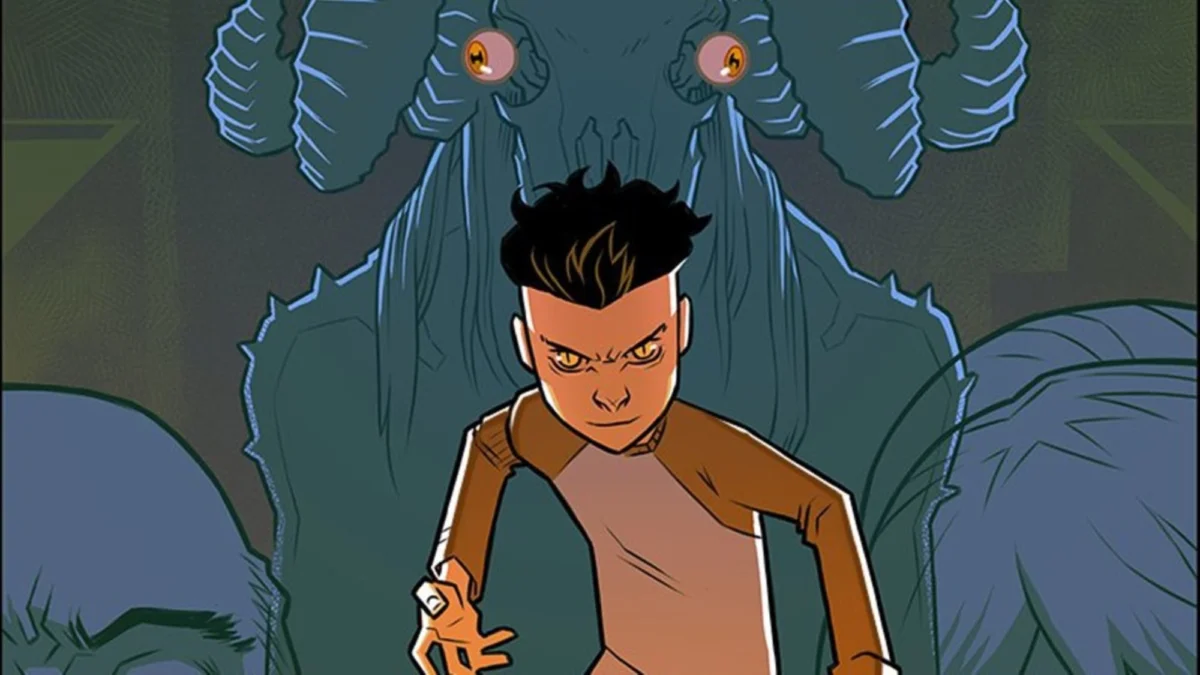
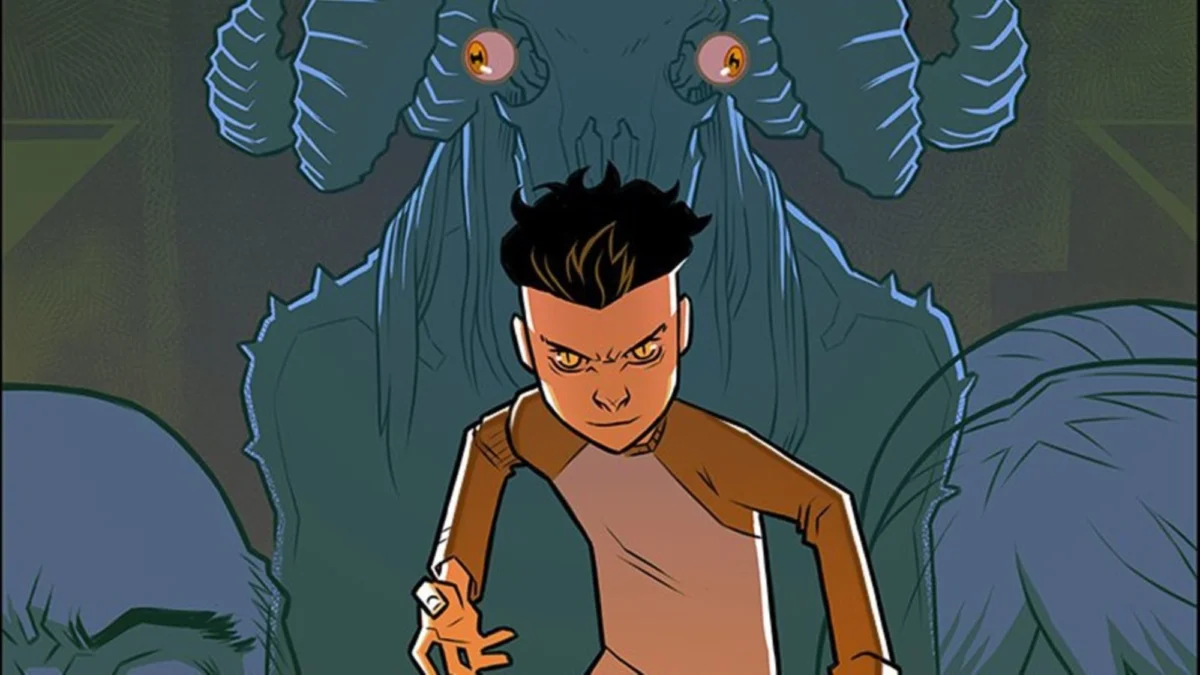
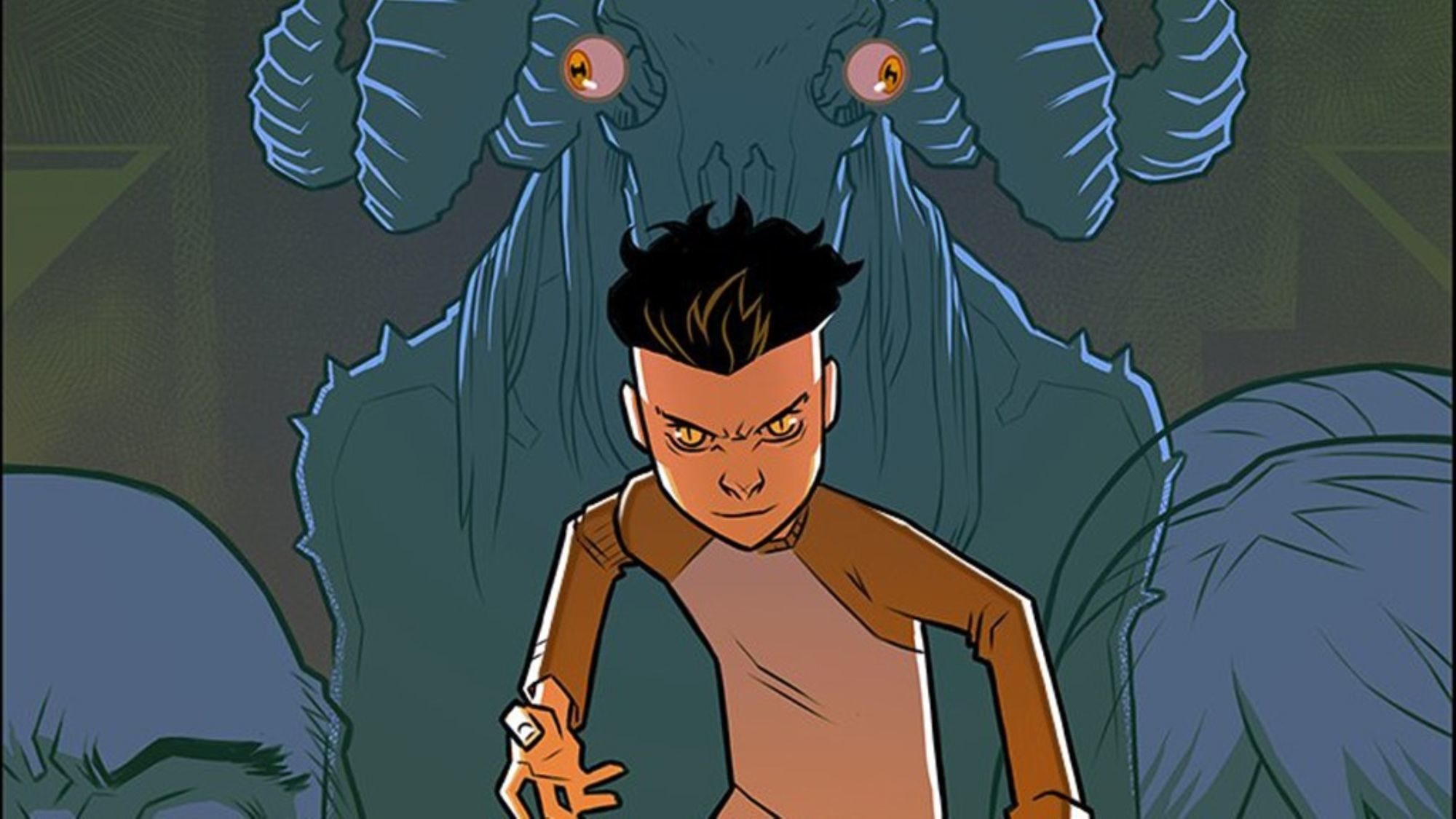
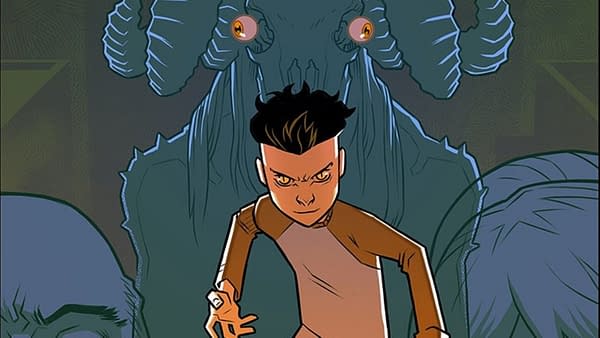
Urban Animal arrived on the scene with a premise that blended high-school drama with high-stakes supernatural action. The story follows Joe Gomez, a high-achieving student whose life is upended when he discovers he is a "Chimera"—a shape-shifting nature spirit capable of turning into a saber-toothed tiger.
The Growth Trajectory
Since its inception, the series has maintained a relentless pace, currently operating in its third season.
- The Launch: Urban Animal debuted on Webtoon with the support of the platform’s promotional infrastructure, allowing it to bypass the "Canvas" (user-submitted) phase and launch directly as a feature series.
- The Milestone: Within its first year, the series had already established a loyal, consistent readership. By 2020, it had secured nearly 465,000 subscribers.
- The Evolution: Unlike the static nature of a monthly comic book, Urban Animal is built for the "hyperserialized" format. By delivering content weekly, Jordan and his team have created a narrative loop that keeps readers engaged, coming back every Saturday to see what happens to Joe next.
Supporting Data: By the Numbers
For those accustomed to the print world, the metrics of Webtoon can seem almost impossible to reconcile.
Reach vs. Sales
- Subscriber Count: At the time of this report, the series boasts approximately 465,000 subscribers.
- Weekly Readership: The series averages between 80,000 and 100,000 readers every single week.
- Engagement: Roughly 10,000 readers "like" each episode upon release, a figure that continues to grow as new readers discover the backlog.
The Fast Pass Economy
The most critical question for creators is monetization. How do you monetize a product that is free to read? Webtoon utilizes a "Fast Pass" system, which allows readers to pay (roughly 50 cents) to unlock episodes before they are released to the general public.
"I can’t disclose the exact financial figures," Jordan notes, "but based on our split with Webtoon, we have a consistent base of at least 4,000 paying readers a week. For a product that is essentially free, that is an incredible conversion rate."
The Business Model: A New Paradigm
Jordan highlights a fundamental difference between traditional "work-for-hire" contracts and the licensing model he utilizes on Webtoon. In many standard publishing deals, the publisher retains a portion of the intellectual property (IP).
In the case of Urban Animal, Jordan’s agreement functions more like the prose market. He receives a license fee for the right to publish the content exclusively on the platform for a set duration. This allows the creative team to maintain greater control over the property. They have been able to explore merchandise, and now, they are moving into the physical print space through a partnership with Rocketship Entertainment.
The Kickstarter Pivot
To bridge the gap between digital and physical, Jordan is leveraging the power of crowdfunding. By partnering with Rocketship Entertainment—a publisher that has successfully handled the print transition for other digital hits like Let’s Play—Jordan is bringing the first season of Urban Animal to a 200-page collected edition.
"I’m not technically equipped to handle the reformatting of digital vertical-scroll art into a print-ready trade paperback," Jordan admits. "John [Amor] is busy drawing the next season. Working with a partner who specializes in this transition is the only way to ensure the print product feels as high-quality as the digital experience."
Implications for the Future of Comics
The success of Urban Animal serves as a signpost for where the industry is heading. Several key implications arise from Jordan’s shift:
- Direct Market is Not the Only Market: Creators are no longer forced to rely on the traditional comic shop distribution model to find a massive audience.
- Vertical Integration of IP: By owning the rights and building a massive audience digitally, creators are in a much stronger position to negotiate merchandise, print collections, and potential adaptations.
- The Rise of Crowdfunding: As seen with the involvement of industry heavyweights like Scott Snyder and others, Kickstarter is moving from a "side project" to a primary pillar of comic book publishing.
- Accessibility as a Feature: The "free-to-read" barrier of entry is the single most effective marketing tool for modern sequential storytelling. By removing the cost of discovery, creators are able to scale their audience in ways that were previously limited by the physical distribution of floppies.
A Final Word
For Justin Jordan, the journey of Urban Animal has been an education in the versatility of his own craft. "The hyperserialized format has been super fun to write in," he says. "It forces you to think about pacing, cliffhangers, and character arcs in a way that feels very immediate."
As the lines between digital and print continue to blur, the story of Urban Animal reminds us that the medium of comics is far from dying. It is merely finding new, vibrant, and incredibly large communities in which to flourish. Whether reading on a commute or from the comfort of home, the audience for Joe Gomez’s story is proof that as long as the story is good, the readers will follow—no matter the medium.