

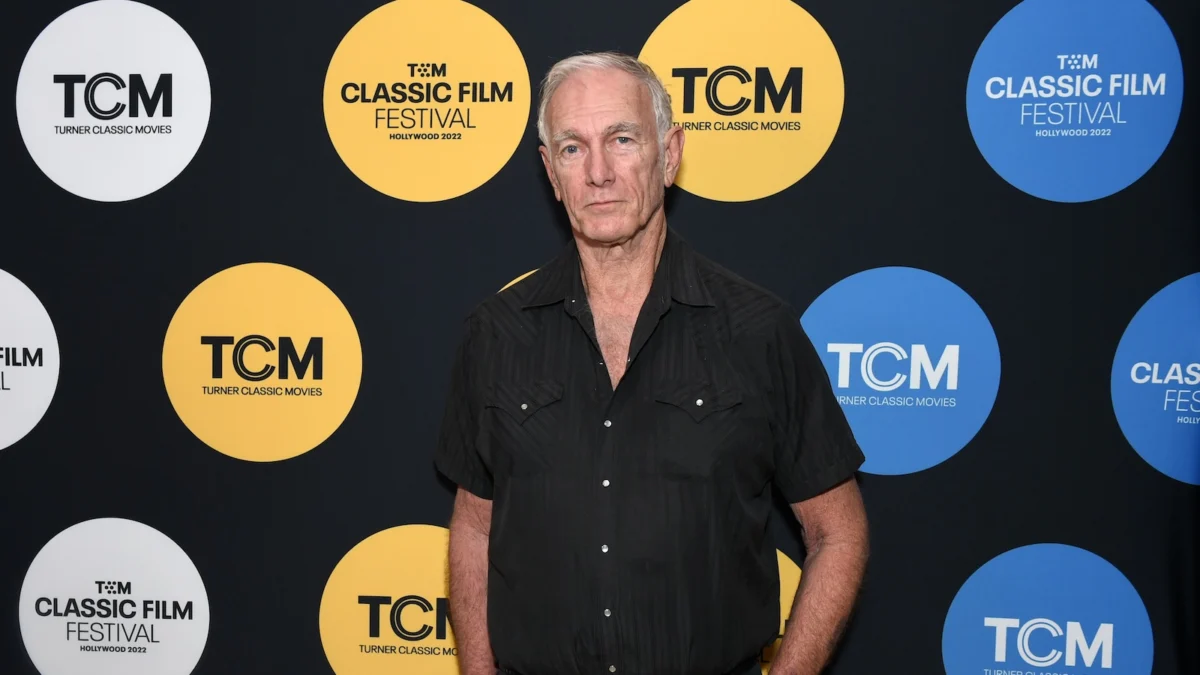
For over four decades, John Sayles has stood as the quintessential architect of independent cinema. With a filmography that functions as a sprawling, granular, and deeply empathetic map of the American experience, Sayles has consistently prioritized the marginalized, the working class, and the complex historical currents that shape our national identity. However, the director’s chair has remained conspicuously empty since his 2013 drama Go for Sisters.
After a ten-year hiatus that saw him focus on writing and the restoration of his own legacy—marked by high-profile Blu-ray re-releases of Lone Star and City of Hope—Sayles is officially returning to production. Sources confirmed to IndieWire that the filmmaker is set to write and direct a new Western titled I Passed This Way. The project, currently being shopped to international buyers at the Cannes Film Market, signals a return to form for the auteur, promising a synthesis of classic genre tropes and the sharp-eyed political consciousness that defines his work.
The Narrative Core: A Moral Dilemma in the New Mexico Territory
I Passed This Way is not a conventional shoot-’em-up; rather, it is a reimagining of the classic "man on the run" archetype, grounded in a 1927 novella by Eugene Manlove Rhodes titled Pasó Por Aquí.
The film centers on Ross McEwen, a cowboy who finds himself in a desperate situation after an impulsive decision to rob a bank sends him fleeing across the arid, unforgiving landscape of the New Mexico Territory. The tension escalates as he is pursued by the legendary lawman Pat Garrett—an iconic figure of the American West—and his ambitious, relentless young deputy.
The story takes a sharp turn toward the existential when McEwen takes refuge at a remote homestead. He discovers the family living there has been devastated by a diphtheria outbreak. Suddenly, McEwen is stripped of the luxury of a simple escape. He faces a profound moral crossroads: continue his flight toward the safety of the Mexican border or risk his freedom—and his life—to provide aid to a family in desperate need. It is a premise that fits perfectly into the Sayles wheelhouse: the intersection of individual survival and the broader, often harsh, moral landscape of the American project.
A Steller Cast and Global Production
The ambition of the project is reflected in its ensemble cast. The production has tapped newly minted Oscar winner Amy Madigan to star, alongside veteran actor and Oscar winner Chris Cooper. Their involvement brings significant prestige to the project, particularly as both actors are currently riding high on critical success.

Rounding out the cast are Thomas Mann, Ted Levine, Ron Perlman, and Cameron Monaghan, a group that underscores Sayles’ long-standing reputation for attracting high-caliber talent to his character-driven narratives.
Behind the camera, the production is just as robust. Producing duties will be handled by a seasoned team including Sayles himself, Maggie Renzi, Alejandro Springall, and Nadine Luque. The film is currently slated to begin principal photography in the fourth quarter of this year, with production split between the Canary Islands and Almería, Spain—a region synonymous with the history of the Western genre. International sales are being managed by Latido Films, under the guidance of Antonio Saura, while the UTA Independent Film Group is representing North American rights.
Chronology: The Evolution of a Career
To understand the weight of this announcement, one must look at the trajectory of John Sayles’ career, which has been anything but conventional.
- The Early Years (1980s): Sayles emerged as a powerhouse of the burgeoning independent scene with films like Matewan (1987) and Eight Men Out (1988). These films established his penchant for ensemble storytelling and his commitment to labor history and the complexities of American integrity.
- The Peak of Acclaim (1990s): The 1990s saw a string of critical masterpieces, including City of Hope (1991), Passion Fish (1992), and his magnum opus, Lone Star (1996). Lone Star remains a benchmark for the modern Western, masterfully weaving together border politics, racial tension, and family secrets.
- The Transition (2000s–2013): Throughout the 2000s, Sayles continued to explore diverse subjects, from the Philippine-American War in Amigo (2010) to the border-crossing thriller Go for Sisters (2013).
- The Hiatus (2014–2025): While he stepped away from the director’s chair, Sayles remained active as a novelist and screenwriter. The 2024 restoration and re-release of his classic catalog served as a reminder to the industry of his enduring influence, setting the stage for his current return.
Official Commentary: Why Now?
In a candid interview with Variety, Sayles revealed that the genesis of this project dates back to the initial political climate of the first Trump administration. He expressed a sense of urgency regarding the rhetoric of that era, which he felt was "appealing to our citizens’ worst characteristics: fear, racism, and the idea that being a superpower justified any behavior."
Sayles, who has never shied away from political subtext, believes that the Western genre, when approached with intention, offers a mirror for these exact tensions. "The ones I appreciated most had a moral core to them, often valuing ‘justice’ over ‘law’ and presenting their protagonists with tough decisions," Sayles remarked. "I think these movies are important in developing the best aspects of the American character. I think I Passed This Way will be both a very welcome and useful movie to audiences around the world."
Implications for Independent Cinema
The announcement of I Passed This Way arrives at a pivotal moment for independent film. As major studios continue to prioritize franchise-driven blockbusters, the return of a director of Sayles’ stature provides a necessary jolt to the independent market.

Furthermore, the involvement of high-profile talent—Madigan, following her recent Oscar win for Weapons, and Cooper, fresh off the success of The History of Sound—suggests that there remains a strong appetite for "prestige" independent storytelling. Amy Madigan’s upcoming slate, which includes the X-Files reboot with Ryan Coogler and the Weapons prequel, confirms her status as a central pillar in the current industry landscape, and her choice to collaborate with Sayles indicates a desire for grounded, character-led work.
Chris Cooper, similarly, has maintained a steady output of high-quality dramas, most recently seen filming Light on Broken Glass with Patricia Clarkson. When these veterans align with a filmmaker as meticulous as Sayles, the result is rarely just a movie; it is a cultural document.
Conclusion: A Moral Compass in the Desert
John Sayles has never been a director of spectacle for spectacle’s sake. His work is characterized by a "ground-up" approach to history, viewing the macro-politics of the nation through the micro-interactions of ordinary people. In I Passed This Way, he has found a vehicle that allows him to interrogate the concepts of law, justice, and mercy in the very setting where those concepts were historically forged: the American frontier.
As production gears up for the winter, the film serves as a testament to the longevity of the independent spirit. Sayles isn’t just making a Western; he is engaging in a dialogue with the past to offer a critique of the present. For an industry often preoccupied with the next trend, the return of a master who understands the weight of human choice is not only a cause for celebration—it is a vital necessity. Whether the film succeeds as a box office hit or a critical darling, its arrival ensures that one of cinema’s most important voices has once again claimed his place behind the lens, ready to examine the American soul one frame at a time.









No comments yet. Be the first to join the conversation!