Azzam Bilal Chamdy
In an era where the puzzle genre is often split between hyper-competitive, high-intensity brain teasers and minimalist time-wasters, a new title is carving out a unique middle ground. Ink Strings, a charming, mechanics-driven puzzle game currently in development, promises to elevate the simple task of connecting dots into a multi-layered, narrative-rich experience. With its hand-painted aesthetic and increasingly complex systems, the game has already begun to turn heads, offering a refreshing take on what it means to be a "cozy" game.
The Core Concept: From Simplicity to Complexity
At its heart, Ink Strings operates on a premise that is instantly recognizable to anyone who has ever played a pen-and-paper puzzle. The foundational loop is straightforward: connect all the dots on a grid to clear the level. However, the game does not linger in this simplicity for long. As players progress, the developers introduce a cascading series of mechanics that transform the experience from a rote tracing exercise into a genuine test of spatial reasoning and strategic planning.
One of the first major shifts comes in the form of "cherry" obstacles. These visual flourishes are more than mere decoration; they are integral to the puzzle’s logic. Each cluster of cherries—some featuring one, others two—must be crossed by a line a specific number of times corresponding to the fruit count. This requirement forces players to move beyond basic pathfinding and begin thinking about line density and path intersections.
The complexity deepens further with the introduction of physics-based objects. In later stages, players encounter pencils that must be guided toward sharpeners. Because these pencils don’t move on their own, the player must use their previously drawn lines as bounce pads, calculating angles and trajectories to shepherd the pencils to their destination. This transition from static line-drawing to dynamic environmental interaction showcases the game’s clever progression curve, ensuring that the challenge remains consistent even as the player’s mastery grows.
Chronology of Development: A Journey from Concept to DreamHack
The journey of Ink Strings has been one of iterative design. While the game is still in its alpha phase, it has already undergone significant refinement. The development team has focused heavily on "quality of life" polish, most notably through the implementation of a grid-based background. This subtle design choice serves as an intuitive guide, helping players visualize potential paths without explicitly handing them the solution. It is a testament to the developer’s commitment to accessibility, ensuring that the game feels fair even when the puzzles reach their most daunting levels.
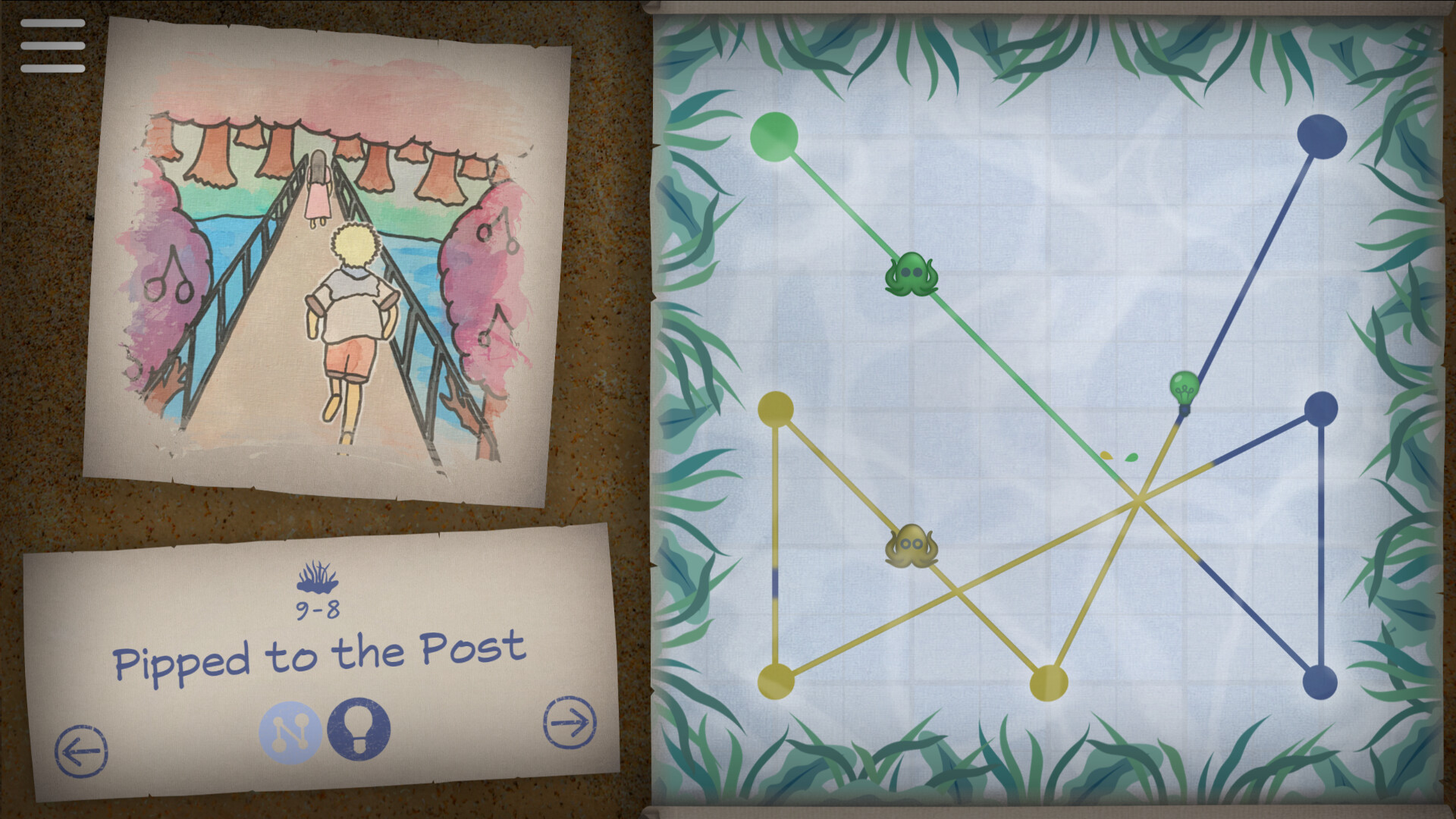
My own experience with the game at DreamHack provided a window into its modular design. By navigating through various chapters, I was able to see how the game scales its difficulty. The team has clearly put thought into the "pacing of pain," ensuring that players are introduced to new mechanics in a safe environment before testing their mettle in more complex, multi-layered levels.
Furthermore, the integration of color-based mechanics—where the properties of a line change based on the "blobs" it passes through—indicates that the game is far from finished with its bag of tricks. Each new mechanic builds upon the last, creating a cohesive, evolving system that keeps the gameplay fresh.
Supporting Data: The Art of the Cozy Aesthetic
What truly separates Ink Strings from its peers is the seamless integration of narrative through its visual identity. Interspersed between the grid-based puzzles are hand-painted illustrations that flesh out the game’s world. These scenes are not merely "cutscenes" in the traditional sense; they serve as a palate cleanser, grounding the abstract act of dot-connecting in a tangible, artistic world.
The inclusion of a mysterious, hand-painted map that evolves between chapters acts as a narrative anchor. It provides the player with a sense of place and progress, transforming the game from a collection of levels into a cohesive journey. This artistic direction plays a crucial role in the "cozy" sensation of the title. While the puzzles require focus, the soft, hand-painted textures and the lack of punishing timers allow the player to engage with the game at their own speed. The atmosphere is contemplative rather than stressful, making it an ideal title for those looking to unwind after a long day.
Official Perspectives and Industry Implications
While the developers have remained focused on polishing the core mechanics, the reception from the indie community suggests that Ink Strings is tapping into a growing demand for "smart-cozy" games. The current trend in the industry—often dominated by high-octane action titles or massive open-world RPGs—often ignores the desire for titles that offer a "slow-burn" challenge.
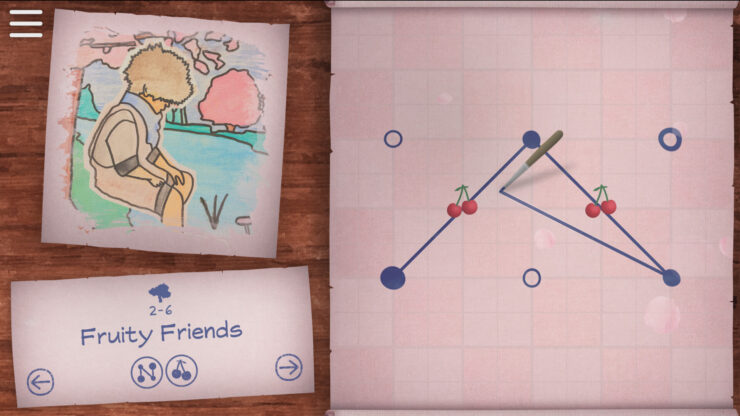
By prioritizing clear visual cues (like the grid system) and layering mechanics (like the cherries and pencils), Ink Strings sits in a unique position. It is accessible enough for casual players but deep enough to satisfy enthusiasts of the puzzle genre. This design philosophy has significant implications for future indie titles. It suggests that there is still massive potential in refining "classic" puzzle archetypes rather than just reinventing them entirely.
Furthermore, the game’s presence at events like DreamHack underscores the importance of public testing for titles of this nature. The ability to see how different types of players engage with the difficulty spikes allows the developers to fine-tune the experience, ensuring that the "cozy" label is earned, not just applied.
The Future: A Must-Watch for Puzzle Enthusiasts
As Ink Strings continues its development cycle, it stands as a shining example of how a simple concept can be expanded into something profound. The game is currently in a state of active development, and its trajectory is promising. For those who enjoy the satisfaction of a puzzle well-solved—and who appreciate an aesthetic that feels like a hand-painted storybook—it is a title that should be on every Steam Wishlist.
The combination of clever, physics-based mechanics, a rewarding difficulty curve, and a soothing, artistic presentation makes Ink Strings one of the most anticipated puzzle games on the horizon. Whether you are a fan of traditional line-drawing puzzles or a newcomer looking for a way to relax, this game offers a unique, intellectually stimulating, and undeniably cozy experience that is well worth watching as it nears its final release.
About the Author: Jupiter Hadley
Jupiter Hadley is a prolific indie game journalist, whose work has appeared in outlets including Metro UK, Big Boss Battle, and AlphaBetaGamer. With a career dedicated to highlighting the smaller, often-overlooked gems of the indie scene, Jupiter covers thousands of games through her YouTube channel and her role as the founder of indiegamejams.com. As a dedicated advocate for the indie developer community, she remains at the forefront of identifying the next wave of must-play titles.


 Siti Muinah
 Laily UPN