Suro Senen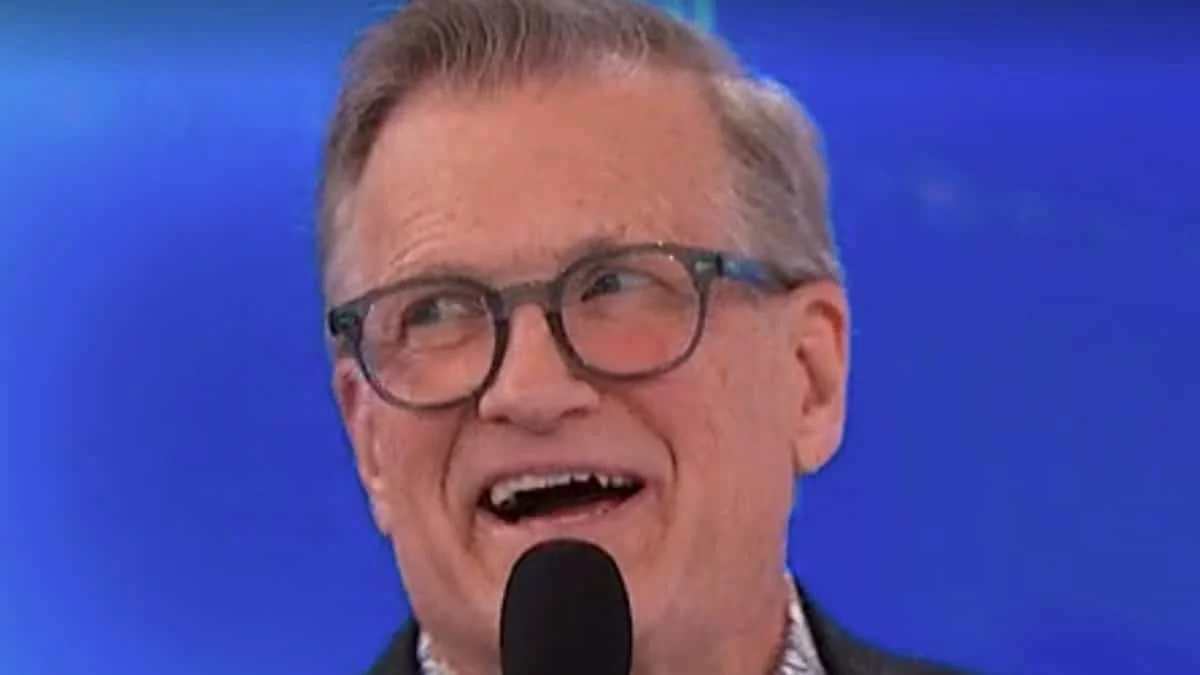
The long-running CBS game show The Price Is Right (TPIR) has found itself at the center of a digital firestorm following a decision by its social media team to highlight a particularly disappointing loss on its official YouTube channel. While the program is traditionally celebrated for its moments of high-energy wins and life-changing prizes, a recent segment featuring the classic game "Any Number" has sparked a heated debate among the show’s dedicated fanbase regarding the ethics of "fail" content and the hosting style of Drew Carey.
The controversy underscores a growing tension between traditional broadcast values—where the "thrill of victory" is paramount—and modern social media strategies that often prioritize engagement through "cringe" or "fail" moments.
The Mechanics of a Loss: A Breakdown of the ‘Any Number’ Incident
The incident occurred during a standard taping of the legendary game show. A contestant, having successfully navigated "Contestants’ Row" by placing the closest bid on a shuffleboard, earned his way onto the main stage to meet host Drew Carey. The game selected for him was "Any Number," one of the show’s oldest and most recognizable pricing games, having debuted in the very first episode of the Barker era in 1972.
How the Game Works
In "Any Number," a contestant is presented with a game board featuring three distinct prize categories:
- A New Car: A five-digit prize.
- A Mid-Range Prize: Usually a piece of furniture or electronics (in this case, a smart television), represented by three digits.
- The Piggy Bank: A cash prize amounting to a few dollars and cents (less than $10), also represented by three digits.
The board displays the first digit of the car’s price (in this instance, a "2"). The contestant must then call out numbers from zero to nine. As numbers are called, they are revealed in their respective positions on the board. The contestant wins the first prize for which they reveal all the digits.
The Chronology of the Round
The contestant’s journey through the game was a rollercoaster of statistical probability and eventual heartbreak. His very first pick landed in the "Piggy Bank" column. Host Drew Carey immediately punctuated the moment with a joke, suggesting the contestant could "buy a sandwich" with the eventual cash prize.
As the game progressed, the tension mounted. The contestant made several accurate guesses, filling in digits for both the car and the smart TV. Eventually, the board reached a critical "triple-threat" state: only one digit remained missing for the car, one for the television, and one for the piggy bank. The odds were theoretically in the contestant’s favor to walk away with a high-value item.
However, the final number chosen by the contestant filled the last slot of the Piggy Bank. The studio was immediately filled with the iconic "losing horns"—a four-note tuba phrase synonymous with failure in American pop culture. The final "win" for the contestant was a mere $9.25.
The Host’s Reaction: Humor vs. Empathy
Following the loss, Drew Carey attempted to maintain the show’s upbeat tempo through humor, a hallmark of his hosting style since taking over from Bob Barker in 2007. Carey placed a hand on the contestant’s shoulder and noted that $9.25 was nearly the maximum possible win for the piggy bank category.
"The good news is nine dollars is the most you can win in the piggy bank, so that’s something," Carey remarked. He concluded the segment by telling the contestant to "Enjoy your double burger," while throwing his hands up in a gesture of "that’s show business."
While the contestant also won a shuffleboard from his initial bid and still had the opportunity to participate in the "Showcase Showdown" wheel spin, the "Any Number" loss felt particularly stinging due to how close he had come to the vehicle.

Fan Backlash: ‘Nasty Work’ and the Critique of Carey
The controversy transitioned from the television screen to the digital space when The Price Is Right’s official YouTube channel uploaded the segment as a standalone highlight. Fans, who often look to these channels for "Big Wins" and "Perfect Shows," were quick to express their dissatisfaction.
Supporting Data: Audience Sentiment
The comment section of the YouTube video became a repository for viewer frustration. Several themes emerged from the feedback:
- Editorial Discretion: Many fans felt that showcasing a loss as a "highlight" was mean-spirited. One commenter noted, "Showcasing a loss on the YouTube channel is nasty work lol," using a popular slang term for behavior perceived as particularly cold or unethical.
- Host Critique: A significant portion of the backlash was directed at Drew Carey himself. Some viewers argued that his "double burger" joke was dismissive of the contestant’s disappointment. "Ignored dumb Drew’s joke about buying a stupid burger at a fast food restaurant," one viewer wrote, while another went as far as to claim, "Drew Carey is ruining the show."
- The ‘Vibe’ of the Episode: Regular viewers pointed out that this loss was part of a larger trend in that specific episode. One fan analyzed the day’s performance, noting that "Side by Side" was the only game won in the entire hour. "All-in-all, in the end, let’s hope that tomorrow’s all cash show literally goes a billion times better," the fan added.
Official Responses and Production Strategy
While CBS and the show’s producers have not issued a formal statement regarding the specific "Any Number" backlash, the decision to post the clip reflects a broader shift in how legacy media brands manage social media engagement.
The Logic of the "Fail" Clip
In the attention economy of platforms like YouTube, TikTok, and Instagram, "negative" or "frustrating" content often generates more engagement (likes, shares, and comments) than straightforward success stories. By posting a "heartbreaking loss," the production team successfully triggered a wave of comments. From an algorithmic perspective, a "dislike" or an angry comment counts as engagement just as much as a "like."
Furthermore, the show has recently experimented with different themes, such as "All-Cash" specials and celebrity guest appearances, to keep the 52-year-old format fresh. Part of this modernization involves showing the "reality" of the game—which includes the statistical reality that many people lose.
Implications: The Evolution of Daytime TV in the Digital Age
The outcry over the "Any Number" highlight points to several broader implications for the future of game shows and daytime television.
1. The Legacy of the Host
The comparison between Bob Barker and Drew Carey remains a point of contention nearly two decades after the transition. Barker’s style was often seen as "regal" and "theatrical," whereas Carey brings a "stand-up comic" sensibility to the role. This incident highlights how Carey’s penchant for self-deprecating humor and irony can sometimes be misread as a lack of empathy for contestants who are often playing for prizes that would significantly impact their lives.
2. The Parasocial Relationship with Contestants
Game shows rely on the audience’s ability to see themselves in the contestants. When a contestant loses a car by a single digit, the audience feels a collective sense of "second-hand" disappointment. When the show’s official channels then "exploit" that disappointment for clicks, it can feel like a violation of the unspoken contract between the show and its viewers.
3. The Digital Transition of Legacy Brands
For a show like The Price Is Right, which boasts a multi-generational audience, balancing the expectations of "traditionalists" with the requirements of "digital natives" is a constant struggle. Traditionalists want to see the "glory days" of big wins, while digital strategy often dictates the need for "viral" moments, even if those moments are negative.
4. The Frequency of Wins
The backlash also touched upon the perceived difficulty of the games. Long-time viewers are highly sensitive to the "winnability" of the show. When a string of episodes results in few wins, the audience begins to suspect that the "pricing" in "pricing games" has become intentionally more difficult to protect the show’s budget, leading to increased frustration when a loss is then celebrated on social media.
Conclusion
The "Any Number" incident serves as a cautionary tale for legacy media brands navigating the social media landscape. While "fail" content might drive short-term metrics, it risks alienating a loyal fanbase that views the program not just as entertainment, but as an aspirational institution. As The Price Is Right continues its record-breaking run, the balance between Drew Carey’s comedic timing and the emotional stakes of the contestants will remain under the microscopic scrutiny of the digital age. For now, the "double burger" joke remains a sour note for fans who believe that on the stage of Studio 33, every contestant deserves more than just the "sad horn."


 Ammar Sabilarrohman
 Sagoh
Sagoh