The latest installment of Paramount+’s Star Trek: Strange New Worlds has ignited a firestorm of discourse across the digital landscape. Titled simply as Episode 7 of the fourth season, the hour-long drama arrived with the weight of expectation, following a season that has seen fans deeply divided over the narrative trajectory of Captain Christopher Pike, portrayed by the stoic and nuanced Anson Mount.
For those who tuned in, the experience began as a familiar, if frustrating, "gimmick" episode—a trope that has become something of a hallmark for the series. However, behind the facade of the surrealist, high-concept scenario lies an emotionally resonant character study that challenges the very nature of grief and the phantom limbs of the soul.
Main Facts: A Narrative of Simulated Chaos
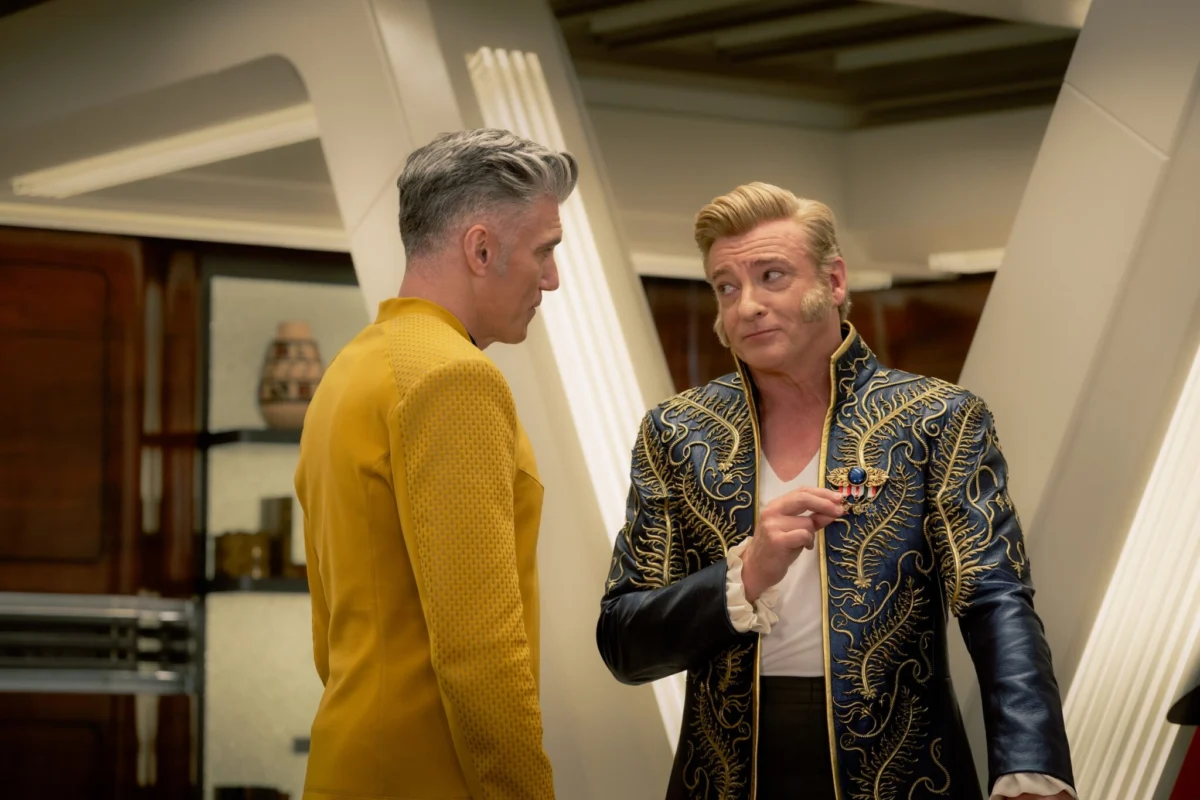
The premise of the episode centers on the return of Rhys Darby as the omnipotent, mischievous entity previously established in the series as a figure analogous to the original series’ Trelane. Never explicitly labeled, the character’s presence creates a reality-warping field around the USS Enterprise.
The crew is thrust into a hyperbolic, soap-opera-infused simulation. The tropes are laid thick: crew members act with uncharacteristic melodrama, scientific rigor is abandoned for plot-driven absurdity, and the ship is plagued by impossible occurrences—from spontaneous head injuries and amnesia to the emergence of "evil" doppelgängers like a sinister, smirking version of Sybok, played with infectious delight by Ethan Peck.

Crucially, Captain Pike remains the sole anchor to reality. Despite suffering from a convenient (and narratively unexplored) head injury, Pike retains his consciousness, forced to navigate a ship that has quite literally become a stage play. He is a man trapped in a script he did not write, attempting to negotiate with an entity that views the Enterprise crew as nothing more than lab rats in a sociological experiment.
Chronology: The Evolution of a Breakdown
The episode functions in two distinct acts. The first half is, as many vocal fans noted upon release, a standard "Everyone Acts Weird" trope. It is a sequence of events designed to provoke eye-rolls: Pike’s forced confinement, Uhura’s sudden revelation of being Pike’s daughter, and the inclusion of a ship’s counselor—a move that has drawn the ire of lore-purists citing the absence of such a role in the original 1960s series.
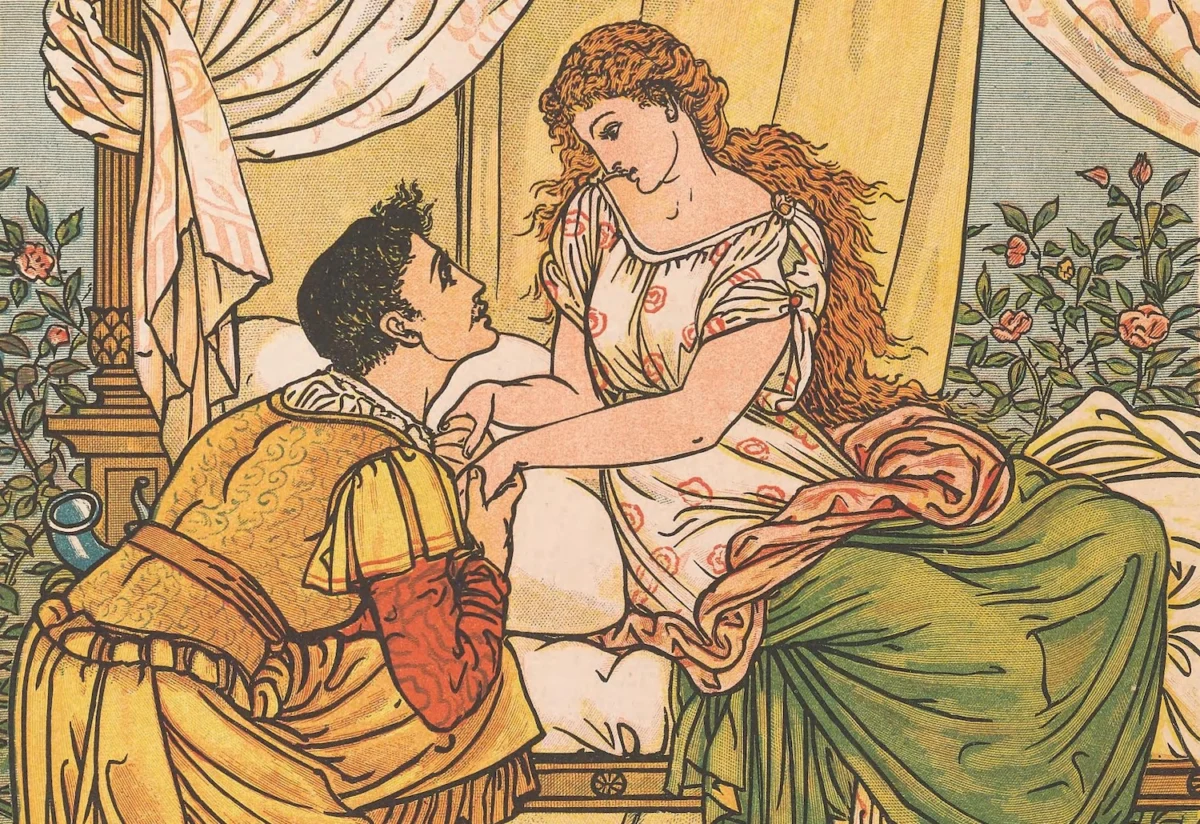
However, the tide shifts when Pike gains access to a mysterious recipe book. What appears to be a blank ledger to the Captain transforms into a list of instructions for coq au vin, to be prepared on the birthday of a girl named Juliet.
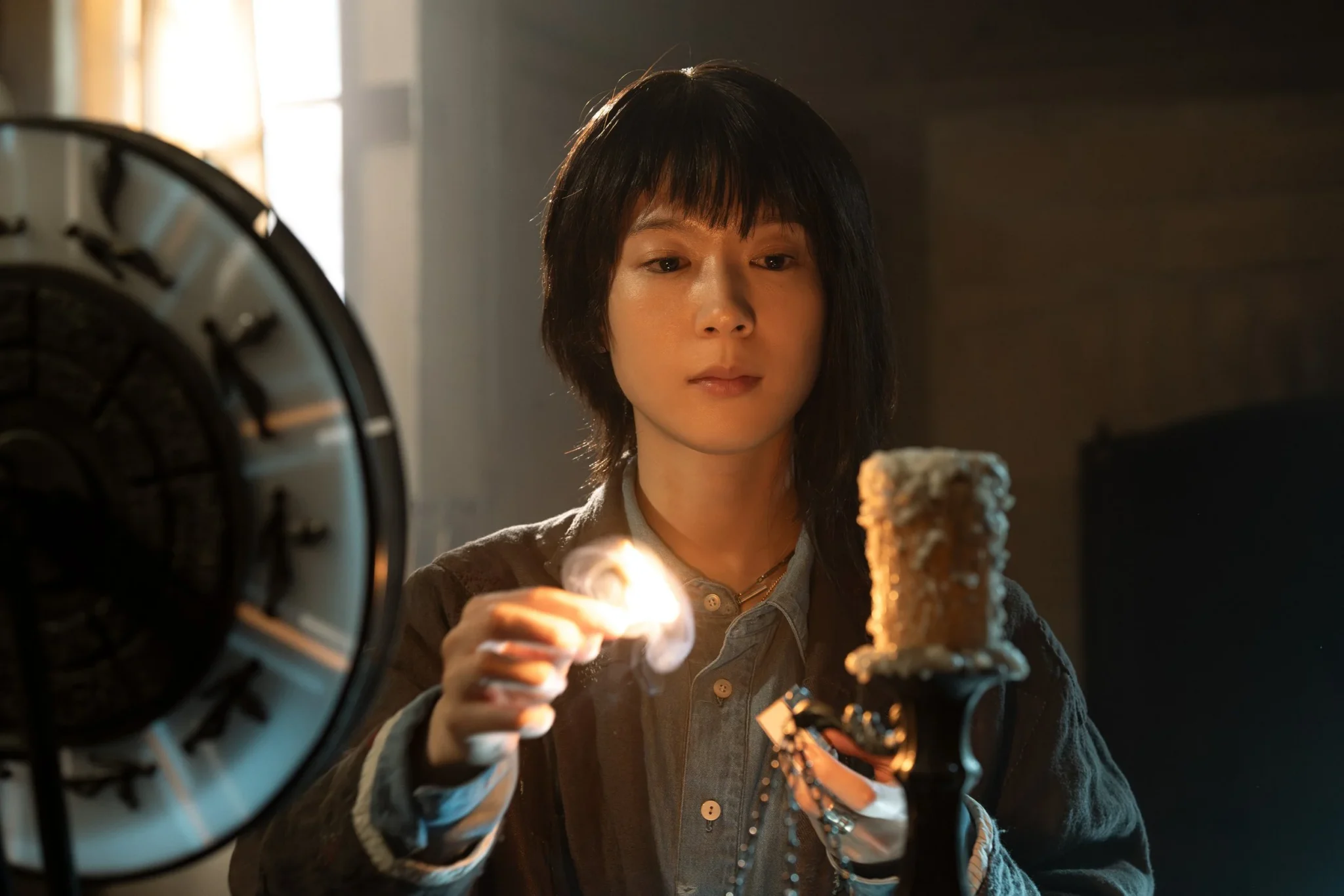
The introduction of Juliet—the daughter Pike and Captain Batel experienced in a previous, simulated lifetime—serves as the catalyst for the episode’s true purpose. As the simulation begins to bleed into Pike’s psyche, the "soap opera" elements fade into the background. The final act moves away from the omnipotent antics of Darby’s character and shifts entirely into the private, agonizing space of Pike’s subconscious. It is here that the episode transcends its "gimmick" status, evolving from a disposable sci-fi romp into a poignant meditation on the ghosts we carry.

Supporting Data: Examining the Fandom and the "Pike Problem"
The criticism leveled against Strange New Worlds this season has been curious, particularly in its echoes of the Discovery era. Fans have complained that Anson Mount’s Captain Pike has been "marginalized," a critique that mirrors the historical complaints regarding Sonequa Martin-Green’s Michael Burnham.
This irony is not lost on observers. It highlights the non-monolithic nature of the Star Trek fandom, where "too much focus on the lead" and "not enough focus on the lead" are often used interchangeably to express varying degrees of dissatisfaction. By placing Pike at the center of a psychological breakdown, the writers have effectively addressed the "Pike problem." They have provided him with a stage, but instead of grand space battles or diplomatic heroics, they have given him a domestic tragedy—a chance to mourn a daughter who never lived, in a life he never led.
Regarding the "counselor" controversy: it is a recurring point of friction for die-hard fans. Critics argue that the Enterprise of the 23rd century was a lean, military-scientific operation without the luxury of dedicated psychiatric staff. However, data suggests that the original Enterprise was a massive vessel, carrying over 400 personnel. The absence of an on-screen counselor in the 1960s does not preclude their existence; in a high-stress, deep-space environment, such a role is a logical necessity. The inclusion of Deirdre Hall as the ship’s counselor serves as a pragmatic bridge between the show’s modern sensibilities and the limitations of its source material.
Official Responses and Creative Direction
While Paramount+ has remained relatively tight-lipped regarding the specific creative choices of the episode, the show’s writers have long signaled an intent to explore the "what-ifs" of Pike’s life. The decision to bring back Anna Mirodin as Juliet was a calculated move to ground the high-concept chaos of the simulation.

The performance of Anson Mount has been universally lauded as the saving grace of the installment. His ability to convey the crushing weight of grief through micro-expressions—the subtle tightening of the jaw, the distant focus in his eyes—reminds viewers why the character of Christopher Pike was so instantly embraced during Discovery’s second season. By the end of the episode, the "gimmick" is revealed to be a surgical tool used to dissect Pike’s trauma. The final scene, which avoids the temptation of a neat, happy ending, instead offers a raw, cathartic moment between Pike and the ship’s counselor, cementing the episode’s status as a character-driven triumph.
Implications: The Future of the Strange New Worlds Format
This episode carries significant implications for the remainder of the season. It suggests that the show’s creators are willing to leverage the "gimmick" format not as a crutch, but as a gateway to deeper character exploration. The juxtaposition of the silly—the "Shakey box" and the over-the-top melodrama—against the profound sorrow of a father mourning an imaginary child creates a tonal complexity that is rare in modern television.
Furthermore, the episode serves as a reminder of the malleability of the Star Trek franchise. It demonstrates that the core of the show has never truly been the technology, the aliens, or the temporal anomalies; it has always been the psychological profile of the people sitting in the command chairs.
For the skeptics who "noped out" at the start of the episode, the message is clear: patience in the Trek universe often yields dividends. By enduring the absurdity, the audience is rewarded with one of the most intimate looks at Captain Pike to date.

As we look toward the season finale, the challenge for the writers will be maintaining this delicate balance. They have proven that they can deliver the "fun" Trek that fans crave, but they have also proven that they are not afraid to use the vast, cold expanse of space to tell stories that are fundamentally, and painfully, human. Whether this shift will quiet the critics who demand more screen time for Pike remains to be seen, but for those interested in the growth of the character, this episode is nothing short of a landmark.
The "gimmick" has been successfully discarded, leaving behind a portrait of a man who, despite his command of the finest ship in the fleet, is still learning how to let go of the life he almost had.