

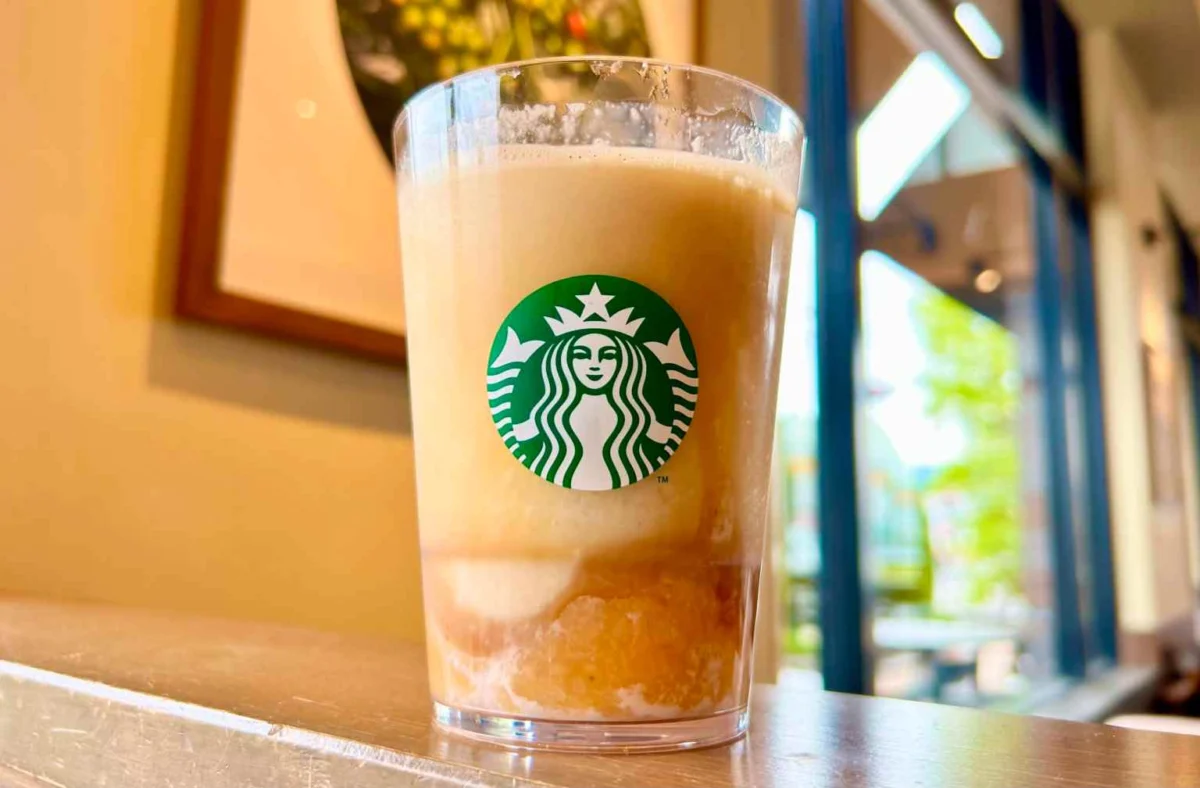
As the Japanese summer approaches, bringing with it the notorious sweltering heat and oppressive humidity that drains the vitality from even the most seasoned commuters, Starbucks Japan has unveiled a strategic, seasonal solution. On May 27, 2026, the coffee giant launched the Banana Affogato Frappuccino, a limited-edition beverage designed to function as both a cooling indulgence and a high-energy tonic.
By marrying the natural, sustained-release energy of bananas with the immediate, sharp caffeine jolt of premium espresso, Starbucks aims to position this drink as the quintessential companion for the summer months. Beyond its functional benefits, the beverage serves as a case study in corporate sustainability, utilizing "ugly" produce to combat food waste while delivering a premium consumer experience.
Main Facts: A Convergence of Fruit and Coffee
The Banana Affogato Frappuccino is an evolution of the brand’s highly popular Espresso Affogato Frappuccino. While the original version is a staple for those who prioritize the bitter, robust profile of a classic coffeehouse drink, the new iteration shifts the spotlight toward fruit-forward refreshment.
The Flavor Profile
The beverage is architected in distinct layers:
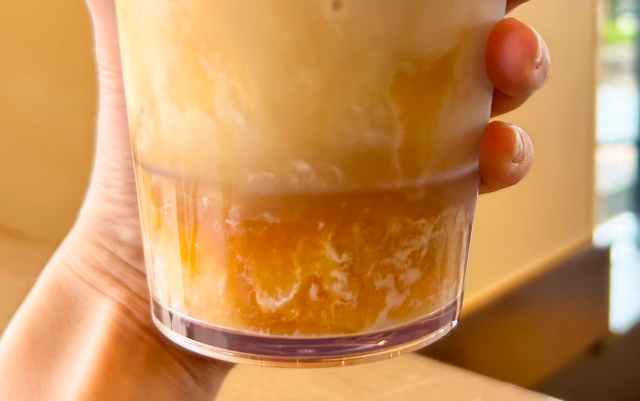
- The Foundation: A generous layer of high-quality banana pulp rests at the bottom of the cup, providing a rich, textured mouthfeel and concentrated fruit flavor.
- The Body: A blended base consisting of milk and banana powder provides a creamy, chilled suspension that carries the sweetness of the fruit.
- The Catalyst: A specialized espresso sauce—a proprietary blend of fresh espresso shots and classic syrup—is drizzled throughout. The syrup serves to temper the natural acidity of the coffee, ensuring it complements the banana rather than eclipsing it.
Priced at 700 yen (approximately $4.45 USD), the drink is positioned as a premium seasonal offering. Consumers have the option to customize the beverage, with a popular barista-recommended modification being the switch to almond milk for an additional 55 yen. This substitution imparts an earthy, nutty undertone that balances the sweetness of the banana.
Chronology: From Concept to Consumer
The journey of the Banana Affogato Frappuccino began long before its May 27th launch. Starbucks Japan’s product development team spent months refining the balance between the delicate, creamy profile of the banana and the volatile, bold intensity of espresso.
May 27, 2026 – Launch Day:
The drink officially hit menus across Japan. Our reporter, K. Masami, visited a central Tokyo location to evaluate the beverage’s performance against the season’s rising temperatures.
Initial Observations:
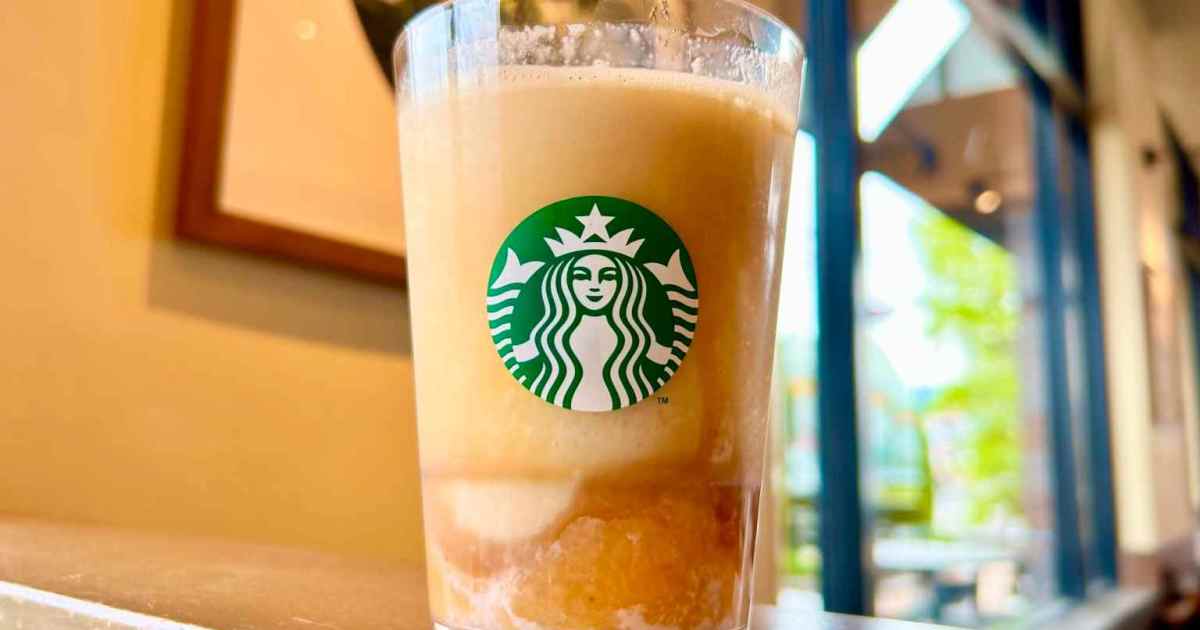
Upon service, the visual appeal of the drink was immediate, with the dense banana pulp visible through the glass. The aroma was characterized by a distinct, natural sweetness, devoid of the artificial "candy" scent often associated with fruit-flavored drinks.
The Tasting Experience:
During the initial evaluation, the banana consistently remained the primary note, even as the espresso integrated into the mixture. The texture—aided by the pulp—prevented the drink from feeling like a standard slushy, instead offering a luxurious, dessert-like quality. Masami noted that for those seeking a more pronounced coffee kick, the standard preparation might feel "mellow," suggesting that an extra shot of espresso would be ideal for the traditional coffee enthusiast.
Post-Launch Incentive:
Recognizing the demand for customization, Starbucks introduced a promotional window running until June 21, 2026. During this period, customers utilizing the official mobile ordering system can add an extra shot of espresso at no additional cost, effectively waiving the 55-yen surcharge.
Supporting Data: Sustainability and Supply Chain
Perhaps the most compelling aspect of the Banana Affogato Frappuccino is its integration into the circular economy. Starbucks Japan has confirmed that the banana pulp used in the beverage is sourced from "imperfect" fruits—bananas that, due to skin blemishes, irregular shapes, or size deviations, were deemed unfit for retail sale in traditional grocery markets.
The Impact of "Ugly" Produce
In the global food industry, a staggering percentage of fresh produce is discarded before it ever reaches a shelf due to aesthetic standards. By incorporating this surplus into a blended beverage, Starbucks is not merely reducing waste; it is validating a supply chain model that prioritizes internal quality (flavor and texture) over external appearance.
- Environmental Benefit: By repurposing these bananas, the chain prevents tons of organic waste from entering landfills, where it would otherwise generate methane—a potent greenhouse gas.
- Consumer Perception: This initiative allows the consumer to align their purchase with ethical consumption. Every sip becomes a tacit endorsement of waste reduction, adding a layer of psychological satisfaction to the indulgence.
Official Responses and Strategic Positioning
Starbucks Japan has historically used seasonal "Frappuccino drops" to maintain market dominance in a country with a highly competitive café landscape. The choice of banana as the hero ingredient for the early summer season is no accident.
According to nutritional guidelines, bananas provide a rapid source of potassium and complex carbohydrates—nutrients that are essential for maintaining energy levels during the high-humidity periods of a Japanese summer. By pairing these with the stimulant properties of caffeine, Starbucks is effectively marketing the drink as a "performance beverage" for the average worker.
"We wanted to create something that didn’t just taste like summer, but acted like a tool for summer," a spokesperson for the brand implied during the product reveal. The focus on the "Affogato" style—historically an Italian concept of espresso poured over gelato—signals that the brand is attempting to bridge the gap between high-end dessert and the grab-and-go convenience required by urban professionals.
Implications: The Future of Seasonal Menus
The success of the Banana Affogato Frappuccino carries several implications for the future of the QSR (Quick Service Restaurant) sector in Japan.
1. The Normalization of Upcycled Ingredients
As climate consciousness grows among the Japanese Gen Z and Millennial demographics, the "upcycled" narrative is becoming a powerful marketing asset. Starbucks is setting a precedent that large-scale chains can operate sustainably without sacrificing the premium, crave-worthy quality that drives foot traffic.
2. Customization as a Retention Strategy
The temporary waiver of the espresso-shot fee is a sophisticated data-gathering move. By encouraging users to engage with the mobile app for customization, Starbucks increases its digital footprint and gathers valuable insights into consumer flavor preferences. This data will likely inform the development of future seasonal beverages.
3. The "Mellow Coffee" Trend
The feedback regarding the drink’s mild coffee profile highlights a shift in the Japanese coffee market. While "third-wave" specialty coffee shops continue to push for high-acidity, single-origin espressos, mainstream chains like Starbucks are finding success in "diluted" or "integrated" coffee experiences. The success of this drink suggests that a significant portion of the market prefers coffee as a flavor component rather than the central, bitter focus.
Conclusion
The Banana Affogato Frappuccino is more than a limited-time menu item; it is a meticulously engineered response to the physiological demands of the Japanese climate. Through a combination of ethical sourcing, thoughtful ingredient layering, and strategic pricing, Starbucks has once again captured the attention of a market that values both innovation and seasonal tradition. For those navigating the heat of the coming months, this beverage offers a rare intersection of environmental responsibility and refreshing, high-energy indulgence. Whether it becomes a permanent fixture or remains a fleeting summer memory, it has undoubtedly raised the bar for what a seasonal beverage can achieve.












No comments yet. Be the first to join the conversation!