Reynand Wu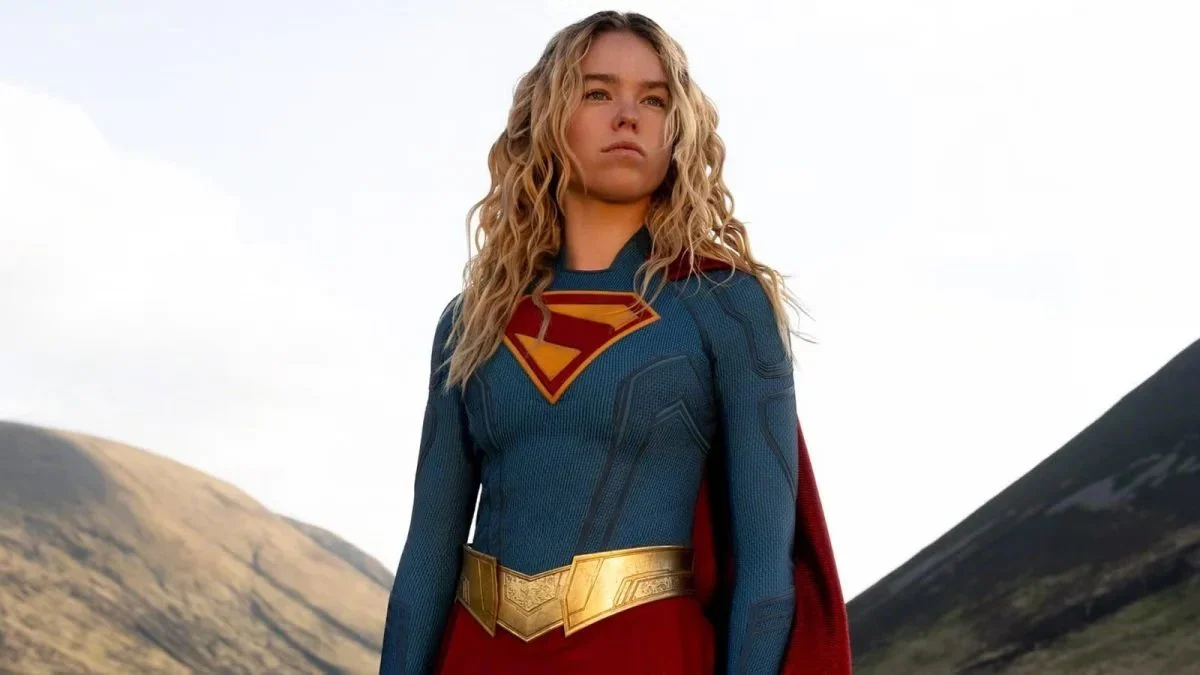
The landscape of Hollywood is currently undergoing one of its most seismic shifts in recent history. As the $111 billion acquisition of Warner Bros. by Paramount moves toward its final stages, the entertainment industry has held its collective breath, particularly regarding the fate of the nascent DC Universe (DCU). With James Gunn and Peter Safran tasked with architecting a cohesive, interconnected superhero franchise, concerns have lingered regarding whether a corporate regime change would dismantle their vision before it fully materialized.
However, recent insights from high-level production circles suggest that the foundations of the new DCU are not only secure but are currently being met with enthusiasm by the incoming leadership.
The State of the DCU: Context and Current Climate
Since James Gunn and Peter Safran were appointed as co-CEOs of DC Studios, the duo has embarked on a radical restructuring of the DC brand. Moving away from the fragmented and often inconsistent approach of previous years, the new strategy involves a sprawling, meticulously planned "chapter" system that bridges film, television, and animation.
The uncertainty surrounding this project stems from the historical volatility of massive media mergers. When a parent company changes hands, creative departments are often the first to face restructuring, budget freezes, or a pivot in creative direction. For DC fans, the memory of previous cancellations and abrupt pivots remains fresh, leading to significant anxiety that the Gunn-Safran "Man of Tomorrow" vision might be sidelined in favor of a new corporate strategy under Paramount CEO David Ellison.
Chronology: From Acquisition to Alignment
The narrative of this merger began in earnest in February, when Paramount entered into a definitive agreement to acquire Warner Bros. for $111 billion. This deal—a monumental consolidation of two of Hollywood’s most storied studios—triggered a period of internal review across all Warner Bros. subsidiaries, including DC Studios.
The transition process has been marked by a series of high-level meetings between the incoming Paramount leadership and the key creative architects at DC. Recent reports, corroborated by The Hollywood Reporter, confirm that David Ellison has been proactive in engaging with the talent behind the DCU. In a telling sign of his commitment to the studio’s current trajectory, Ellison traveled to Atlanta to visit the production set of the upcoming film Man of Tomorrow.
This site visit serves as a critical checkpoint in the merger’s timeline, marking the moment where the "new guard" of Paramount expressed their direct support for the creative autonomy of the DC Studios leadership.
Supporting Data: Why the Vision Remains Intact
The optimism surrounding the future of the DCU is not merely based on speculation but on direct interactions between the creative teams and the future ownership. Lars P. Winther, an executive producer on the highly anticipated Supergirl film, has provided the most substantial public update on these high-stakes discussions.
Winther’s comments suggest a relationship defined by collaboration rather than constraint. During the production meetings in Atlanta, Ellison reportedly expressed genuine appreciation for the work produced by Gunn and Safran.
"Everything’s good," Winther noted during his interview. "He’s been great with us. He’s giving us kind of what we want. [Ellison] is pretty open to what we’re doing."
This level of executive alignment is crucial for the success of a long-term franchise like the DCU. By signaling support for Gunn and Safran’s roadmap, Paramount is essentially betting on the stability of the current creative output rather than attempting to "fix" a system that is currently in the middle of a major launch sequence.
Official Responses and Creative Philosophy
The creative philosophy underpinning the new DCU is one of "standalone graphic novels," a term used by director Craig Gillespie to describe the approach to individual character films. This methodology is intended to prevent the "shared universe fatigue" that has plagued other superhero franchises.
"When I first met James [Gunn], he was like, ‘We are treating each of these as their own graphic novel. This is your graphic novel,’" Gillespie shared. This sentiment is vital to understanding the sustainability of the DCU; by allowing directors like Gillespie the creative space to build distinct stories while still adhering to a larger narrative framework, the studio is attracting top-tier talent who might otherwise avoid the constraints of a rigid corporate universe.
The Supergirl film, starring Milly Alcock, is the next major test of this philosophy. While the film is a self-contained narrative, it acts as a crucial pillar in the larger DC tapestry. Winther has clarified that while Supergirl focuses on a cosmic, space-bound journey, it will directly feed into the narrative of Man of Tomorrow. This interplay between Earth-bound stakes and cosmic adventures is the hallmark of the Gunn-Safran strategy.
Implications: The Road Ahead for DC Fans
The implications of this merger, given the current evidence, appear to be one of continuity rather than disruption. As the deal moves toward its conclusion, several key projects are already locked into the production pipeline.
The Near-Term Slate
- Supergirl (June 26 release): Positioned as a character-driven, standalone graphic novel experience.
- Man of Tomorrow (July 2026): A foundational film for the new DCU, centering on the evolution of the Superman mythos.
- Lanterns (Upcoming Television Series): A high-budget expansion into the television space that will further integrate the lore of the DCU.
- Clayface: A project that continues to signal the diversity of genres Gunn and Safran are interested in exploring, ranging from noir-inspired drama to high-concept superhero action.
For the fans, the message from the current leadership is clear: the roadmap remains unchanged. The fear that the DCU would be "crashed" before takeoff has been largely mitigated by the proactive engagement of David Ellison. While the integration of Warner Bros. into the Paramount fold will undoubtedly lead to administrative changes, the creative direction of DC Studios appears to have secured a "green light" from the incoming regime.
Ultimately, the strength of the DCU will rest on the quality of the films themselves. With Supergirl arriving this week and the anticipation for Man of Tomorrow reaching a fever pitch, the studio is moving forward with the confidence that they have the necessary backing to execute their vision. While there are no absolute guarantees in the volatile world of media acquisitions, the current indicators point toward a future where the DC Universe is not just surviving the merger, but potentially thriving under it.
As Lars P. Winther aptly summarized, the partnership is "so far, so good," and for a franchise that has spent years in search of a stable identity, that is the most promising news of all.

 Siti Muinah
 Azzam Bilal Chamdy