Lina Irawan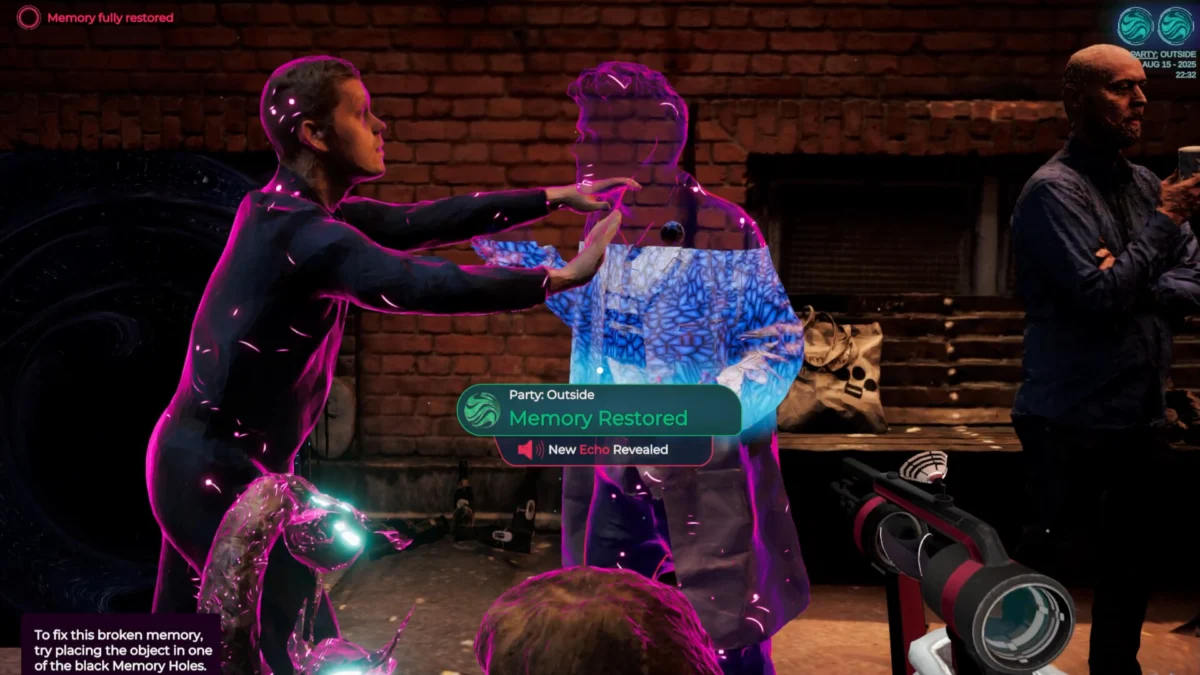
In the landscape of modern detective games, the standard investigative loop is well-trodden: find a body, collect physical evidence, interview witnesses, and interrogate suspects. But what happens when the truth is not hidden in a locked drawer or a falsified alibi, but buried beneath the fractured architecture of a human psyche?
Mind Diver, the latest title to make waves in the indie gaming sphere, discards the traditional police procedural toolkit in favor of a far more invasive and intimate approach. Developed with a keen eye for narrative structure and psychological complexity, the game challenges players to act as architects of memory, reconstructing the truth from the inside out.
The Core Concept: A New Paradigm for Investigation
Mind Diver is, at its heart, an exploration of human fallibility. While many detective games rely on the player’s ability to trust the testimony of NPCs, this game operates on the premise that memory is a subjective, malleable construct. The player assumes the role of a "Mind Diver," an investigator tasked with navigating the consciousness of a subject—specifically, a woman named Lina—to solve a missing persons case.
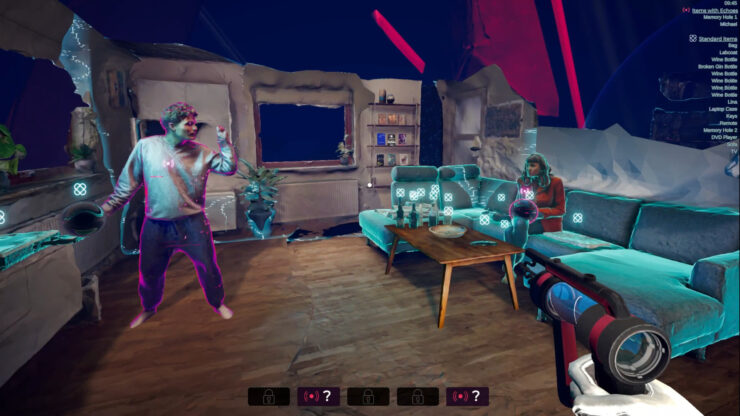
The environment of the game is not a city street or a dark alleyway, but a surreal representation of Lina’s mental landscape. Here, memories are stored as tangible, isolated capsules. The challenge lies in the fact that these memories are not static; they are twisted, incomplete, and colored by the individual’s emotional state at the time of the event. As a Mind Diver, you are not a neutral observer. You are an interloper, rearranging the pieces of someone else’s life to find the objective truth hidden behind the subjective fog.
Chronology of the Case: Navigating Lina’s Mind
The narrative of Mind Diver begins in a state of deliberate confusion. When you first enter Lina’s mind, you are provided with little more than a handful of fragmented, contextless snapshots. The journey to the truth is non-linear and requires the player to work backward from the trauma that defines the present moment.
Phase 1: The Initial Dive
Upon entry, the player is confronted with the immediate, visceral reality of the case: a missing persons investigation. However, the lack of initial information forces the player to engage with the environment before they can form a hypothesis. By interacting with the first set of memory capsules, you begin to identify key players in Lina’s life, most notably her partner.
Phase 2: Uncovering the Dynamic
As the investigation progresses, the "Mind Diver" begins to piece together the complexities of Lina’s personal relationships. Through the restoration of conversations and the observation of environmental cues, a clearer picture emerges. The player learns that Lina sought help from the police, but as you delve deeper, it becomes apparent that the authorities—and perhaps even Lina herself—do not possess the full story.
Phase 3: The Reconstruction
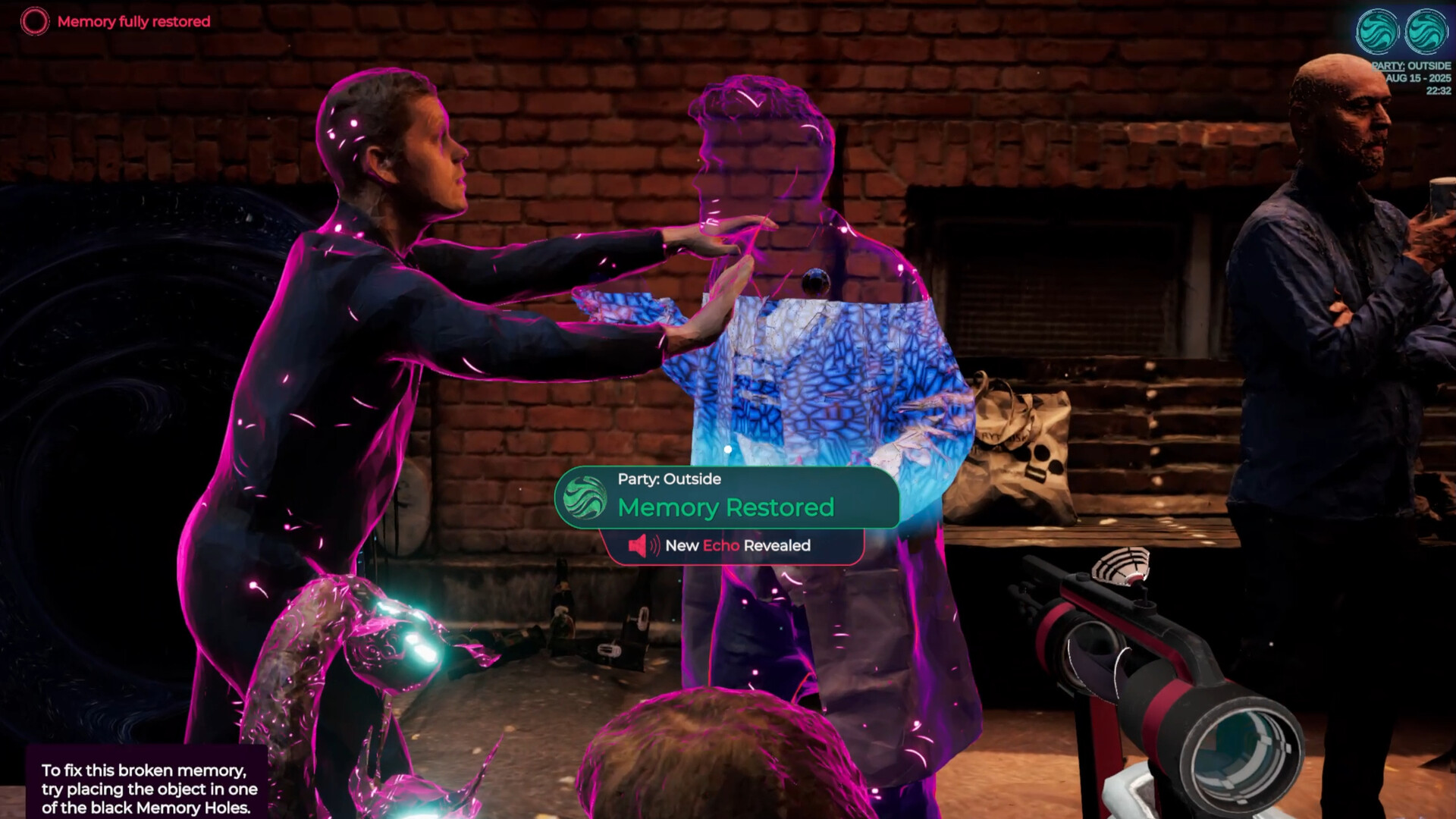
The final stages of the game involve a meticulous process of reconciliation. You must take objects found in "incorrect" memories and place them into the correct context, effectively fixing the timeline of events. This is not merely a puzzle-solving mechanic; it is a narrative tool that forces the player to acknowledge how trauma distorts the past. By the time the mystery is solved, the player has not just found a culprit—they have helped the subject confront the reality of their own life.
Supporting Data: The Mechanics of Mental Exploration
Mind Diver distinguishes itself through its unique "Memory Reconstruction" engine. The game requires a high level of deductive reasoning, as the solutions are not always presented in a straightforward fashion.
- Object Association: Players must collect physical items from one memory and apply them to another to unlock new dialogue or narrative paths.
- Conversational Alignment: The game features a dialogue system where players must line up snippets of past conversations. By correctly sequencing these exchanges, the player gains access to "higher-level" memories that were previously shielded by confusion.
- Environmental Cues: The art style and sound design provide subtle hints regarding the state of the mind being explored. A "broken" mind is represented by distorted visuals and ambient audio cues, which serve as a guide for where the player needs to focus their attention.
The game encourages players to think beyond the surface-level details. Often, the object needed to resolve a conflict in one memory is tucked away in an unrelated, seemingly trivial moment elsewhere in the mind. This design choice effectively simulates the "tangled" nature of human thought.
Official Perspectives and Early Reception
Since its debut, Mind Diver has been a standout feature at various industry gatherings, most notably the BIG Conference in Bilbao. Attendees and critics alike have praised the game for its refusal to rely on genre tropes.
Industry analysts have noted that the game’s success lies in its emotional weight. While other detective games focus on the "whodunit" aspect, Mind Diver focuses on the "why." During a hands-on preview at the BIG Conference, the consensus among testers was that the game creates an incredibly immersive experience. The feeling of intrusion—of being a stranger wandering through someone’s most private thoughts—is handled with a gravity that makes the mystery feel intensely personal.
One developer involved in the project commented during a press briefing: "We wanted to make a game where the detective work felt like surgery. You aren’t just looking for a smoking gun; you are trying to heal a narrative that has been shattered by grief or trauma. The player’s role is to ensure the puzzle fits together, even when the person who owns the mind is desperately trying to keep the pieces apart."
The Implications: Is Memory an Unreliable Witness?
The core theme of Mind Diver touches on a broader, growing interest in psychological horror and mystery within the indie gaming scene. By stripping away the traditional "detective" tropes, the game poses a difficult philosophical question: If our memories are defined by our emotions, can we ever truly know the truth?
The Ethics of the "Mind Diver"
The game also prompts the player to consider the ethics of their role. Throughout the experience, there is a lingering sense that the player is violating the sanctity of the subject’s mind. This creates a unique tension. Unlike a standard investigation where the stakes are limited to a legal outcome, in Mind Diver, the stakes are existential. If you misinterpret a memory, you are not just missing a clue; you are potentially rewriting the identity of the person you are observing.
Impact on the Genre
Mind Diver joins the ranks of titles that have successfully moved the mystery genre away from linear, objective-based progression toward something more atmospheric and internal. It suggests that the future of the detective genre lies in the "internal sandbox"—a space where the rules of logic are dictated by human feeling rather than physical law.
Final Verdict: Why You Should Dive In
For those who enjoy mysteries that prioritize narrative depth over reflex-based gameplay, Mind Diver is an essential experience. It is a thorough, detailed, and hauntingly beautiful game that respects the player’s intelligence. It does not hand-hold; it trusts the player to piece together the fractured logic of the human mind, rewarding those who are willing to look, listen, and think critically about the environment around them.
The mystery of Lina’s life is one that lingers long after the credits roll. By forcing us to look at the world through the lens of another person’s flawed perspective, Mind Diver succeeds in making us question our own memories, our own biases, and the very nature of the truth.
Mind Diver is available now on Steam. Whether you are a fan of mystery games or simply looking for an innovative narrative experience, this title is a profound testament to the power of independent game development.
About the Author:
Jupiter Hadley is a prolific indie game journalist, writing for publications including Metro UK, Big Boss Battle, and AlphaBetaGamer. With a focus on smaller indie gems, she covers thousands of games and game jams, ensuring that every project, no matter how small, receives its moment in the spotlight. She is the founder of indiegamejams.com, a global calendar for game developers, and serves as a judge for numerous prestigious industry events.


 Raul Delapena Setiawan
 Asro
Asro