

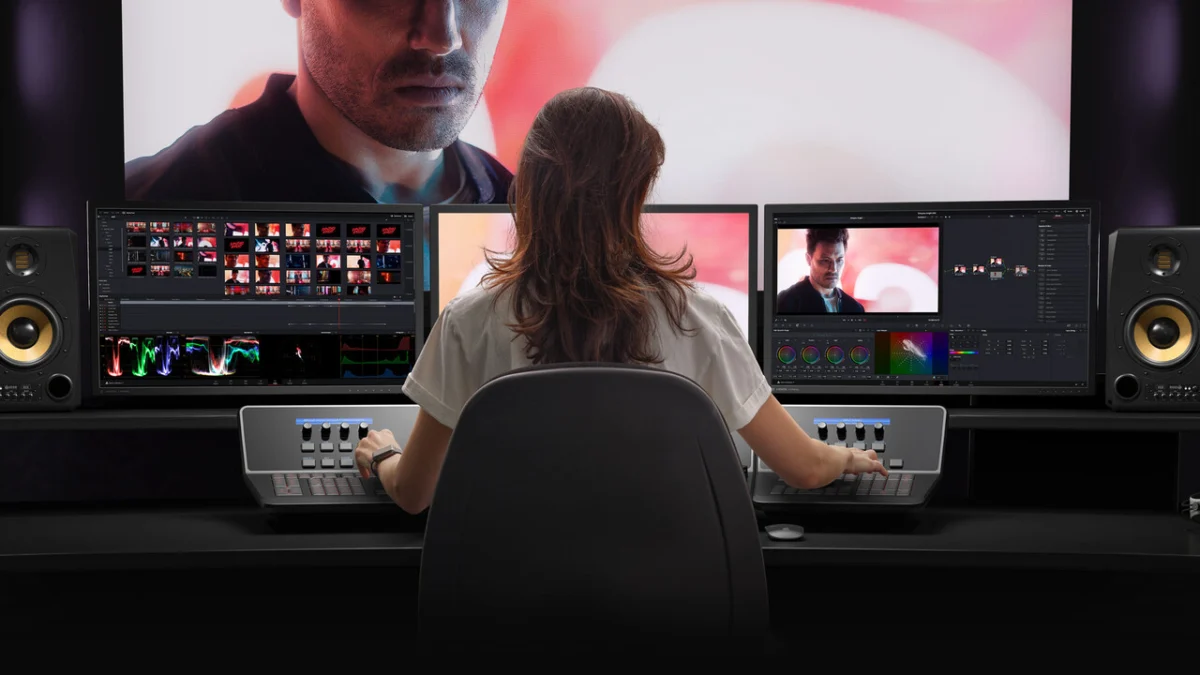
Blackmagic Design, the Australian powerhouse in professional video technology, has officially released the final version of DaVinci Resolve 21. Following a rigorous period of public beta testing, this milestone update arrives as one of the most ambitious iterations in the software’s history. By expanding its utility beyond high-end video editing, color grading, and audio post-production, Blackmagic Design is signaling a move toward an all-encompassing “Creative Studio” ecosystem.
With the introduction of a dedicated Photo editing workspace and a massive injection of new artificial intelligence tools, DaVinci Resolve 21 seeks to bridge the gap between motion and still image workflows, solidifying its position as an essential tool for professional creators across Windows, macOS, and Linux platforms.
Main Facts: What Defines DaVinci Resolve 21?
At its core, DaVinci Resolve 21 is a comprehensive suite designed to handle every stage of the production pipeline. The jump from version 20 to 21 is characterized by a significant widening of the application’s scope. The most notable addition is the "Photo" workspace, a dedicated environment that allows photographers to manage, organize, and edit images using the same industry-leading color science that has made Resolve the gold standard for Hollywood feature films.
Beyond the new workspace, the update includes:
- Next-Generation AI integration: Expanding the "DaVinci Neural Engine" with specialized tools for face manipulation, voice generation, and intelligent search.
- Enhanced Fairlight Audio: Upgraded track management and equalization capabilities for complex soundscapes.
- Fusion VFX Improvements: A more refined UI for the node-based compositing tool, including an expanded Krokodove library.
- Editing Workflow Efficiency: Upgraded keyframe editors and non-destructive image processing.
A Chronology of Innovation: From Color Grade to Creative Hub
To understand the weight of the release of version 21, one must look at the trajectory of Blackmagic Design’s software development.
The Origins: Originally acquired by Blackmagic Design in 2009, DaVinci Resolve began as a high-end, dedicated color-grading system. At the time, it was hardware-dependent and priced at tens of thousands of dollars, used exclusively by top-tier colorists.
The Democratization Phase: In 2010, Blackmagic disrupted the market by dropping the price significantly and introducing a free version. This shift transformed the industry, allowing independent filmmakers to access professional tools that were previously gated behind massive financial barriers.
The All-in-One Pivot: Starting around 2017 with version 14, Blackmagic began aggressively integrating audio (Fairlight) and motion graphics (Fusion) into the Resolve platform. The goal was simple: stop the "round-tripping" process—the tedious export and import of files between different software suites.
The AI Era (Present): With the release of version 21, Blackmagic is doubling down on artificial intelligence. The roadmap has clearly shifted from "making the tools available" to "making the tools faster," using machine learning to automate the most time-consuming aspects of post-production.
Supporting Data: Deep Dive into the New Capabilities
The Photo Workspace: A New Frontier
The introduction of the "Photo" page is a strategic play for users who previously relied on Adobe Lightroom or Photoshop. By bringing non-destructive node-based editing to still images, Blackmagic enables colorists and photographers to share the same color pipelines. The suite includes robust image cropping, adjustment tools, and the ability to apply complex color grades that match the look of the video project, ensuring visual consistency across a campaign.
AI-Driven Workflow Enhancements
The "AI IntelliSearch" feature is perhaps the most practical addition for professional editors managing massive libraries of footage. By analyzing metadata and visual content, the software can now index and locate specific clips, faces, or objects within thousands of hours of material, effectively eliminating the need for manual logging.
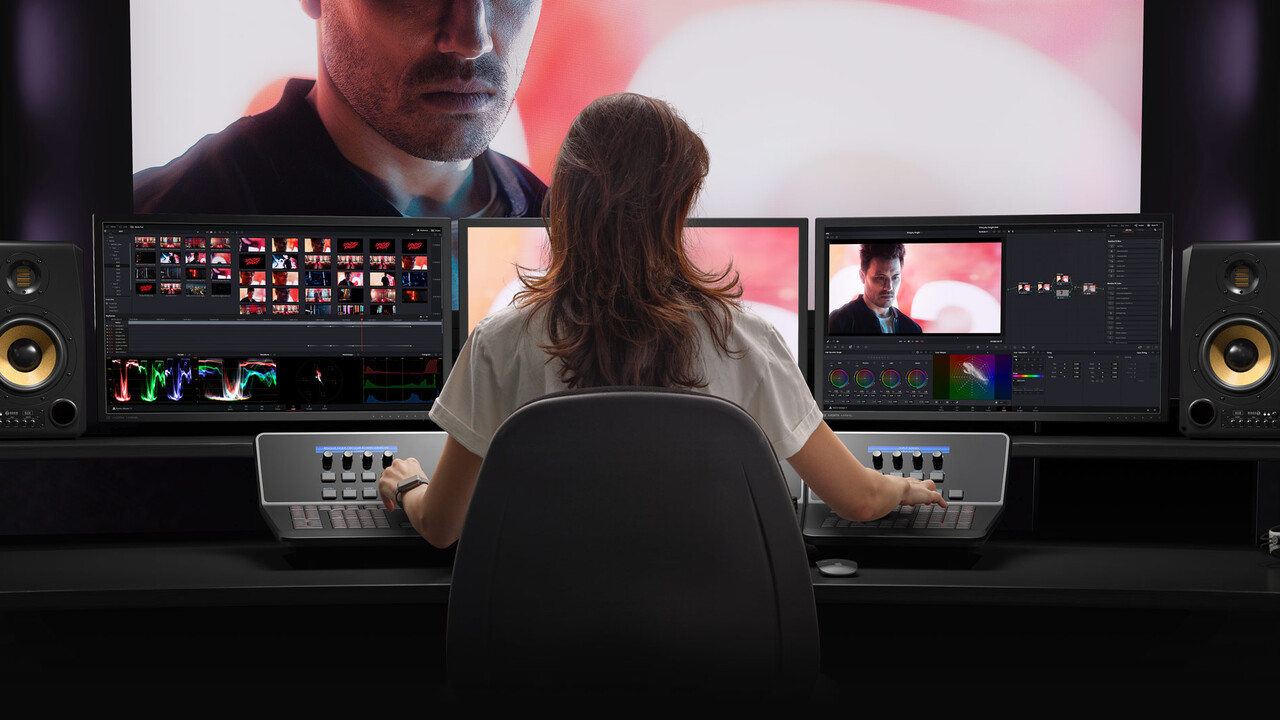
Furthermore, the AI Speech Generator and AI Face Reshaper represent a shift in the philosophy of "fixing it in post." The Speech Generator can synthesize speech from brief audio snippets, while the Face Reshaper uses machine learning to subtly alter facial features—tools that, until recently, would have required hours of manual retouching or high-end external plugins.
Fairlight and Audio Refinement
Audio is often the "forgotten child" of video production, but not in version 21. Blackmagic has introduced:
- Track Folders: Enabling better organization for complex timelines with dozens of audio channels.
- 6-Band Clip EQ: Providing more granular control over frequency balancing.
- Plugin Presets: Allowing editors to save complex signal chains as presets, drastically reducing the time spent on sound design for recurring content.
Official Responses and Industry Context
Blackmagic Design has maintained its reputation for being a company that listens to its user base. In official documentation accompanying the release, the company emphasizes "speed and precision."
"Our focus for version 21 was to ensure that the creative process remains unencumbered by technical bottlenecks," a company spokesperson noted. By automating data entry—such as the new AI Slate ID which automatically reads film slates—Blackmagic is effectively removing the clerical work from the director and editor’s desk.
Industry analysts have praised the decision to keep the "Free" version of DaVinci Resolve remarkably feature-rich. While the "Studio" (paid) version unlocks the most advanced AI features and collaborative tools, the core software remains a powerful, free, entry point that continues to put pressure on legacy competitors like Adobe and Avid.
Implications: What This Means for the Future of Post-Production
The release of DaVinci Resolve 21 carries significant implications for the industry.
1. The Death of the "Software Silo"
With the addition of photo editing, the line between a "video editor" and a "multimedia creator" is being blurred. Professionals no longer need to jump between three or four different applications to deliver a brand package. A creator can now shoot, edit, color, sound-mix, and now, edit promotional photography, all within a single application.
2. The Normalization of AI
The heavy integration of AI tools suggests that the future of editing is no longer about learning "where the buttons are," but rather "how to guide the algorithm." As these tools become more sophisticated, the skill set of a professional editor will likely shift toward curation and creative direction, with the software handling the heavy lifting of pixel-level adjustments and metadata management.
3. Market Competition
For Blackmagic Design, the strategy is clear: market share through ecosystem lock-in. By providing an affordable, high-performance, and comprehensive suite, they are making it increasingly difficult for studios to justify the cost and friction of maintaining multiple software subscriptions.
4. Accessibility vs. Expertise
While these tools lower the barrier to entry, they also raise the bar for professional work. As AI-powered tools become standard, the "baseline" of what is considered acceptable quality in video and image production is rising. Editors who do not adopt these automated workflows may find themselves struggling to compete with the speed and efficiency of those who do.
Conclusion
DaVinci Resolve 21 is more than a simple version upgrade; it is a declaration of intent. By expanding into photography and deep-learning AI, Blackmagic Design is positioning itself to become the central operating system for the modern creative professional. Whether for an independent YouTube creator or a high-end film production house, the software offers a compelling blend of power, efficiency, and cutting-edge technology that few other companies can match. As the post-production industry continues to evolve, version 21 stands as a robust foundation for the next generation of visual storytelling.










No comments yet. Be the first to join the conversation!