Muslim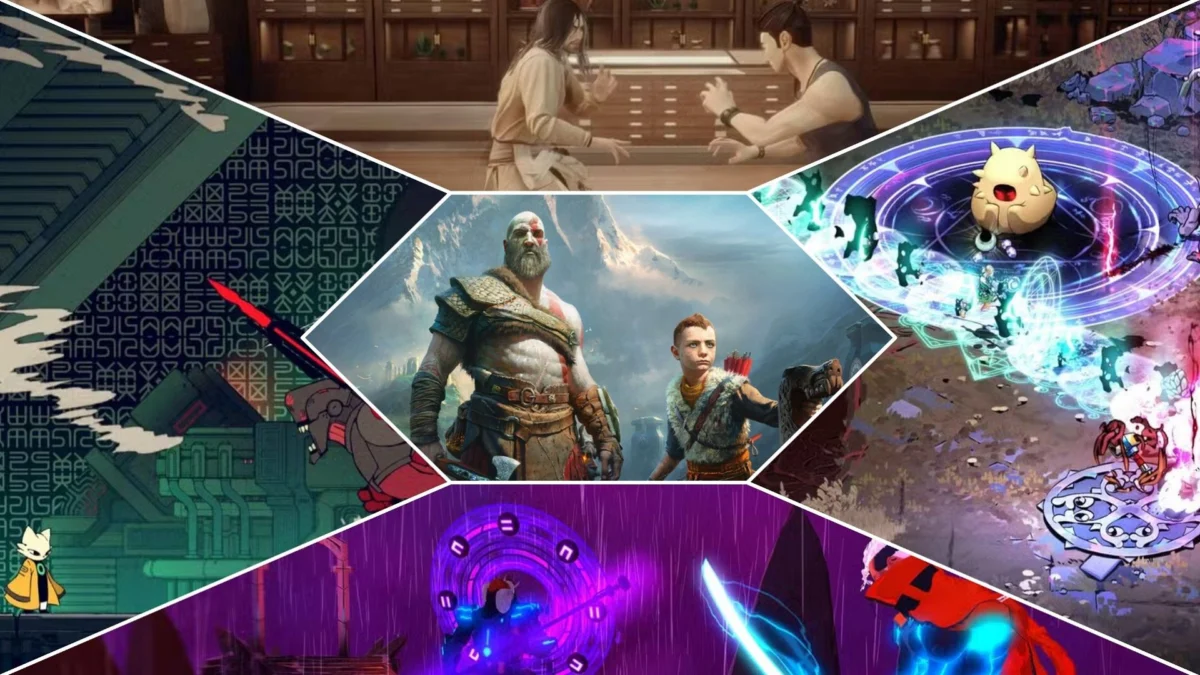
God of War (2018) and its sequel, Ragnarök, represent a pinnacle of modern cinematic gaming. By shifting the perspective to an over-the-shoulder view and grounding the combat in the heavy, visceral weight of the Leviathan Axe, Santa Monica Studio created an experience that feels as powerful as it looks. Yet, for many veteran action gamers, this shift toward "cinematic weight" came at a cost: a reduction in mechanical complexity, combo variety, and the blistering pace that defined the franchise’s earlier Greek era.
As the industry matures, a thriving ecosystem of independent developers has stepped into the void, crafting titles that prioritize mechanical depth, player agency, and precision over scripted spectacle. While God of War remains a titan of industry production values, these ten indie action games offer combat systems that, through innovation and design, arguably surpass Kratos’ recent adventures in pure, unadulterated gameplay satisfaction.

1. Enter the Gungeon: The Gold Standard of Variety
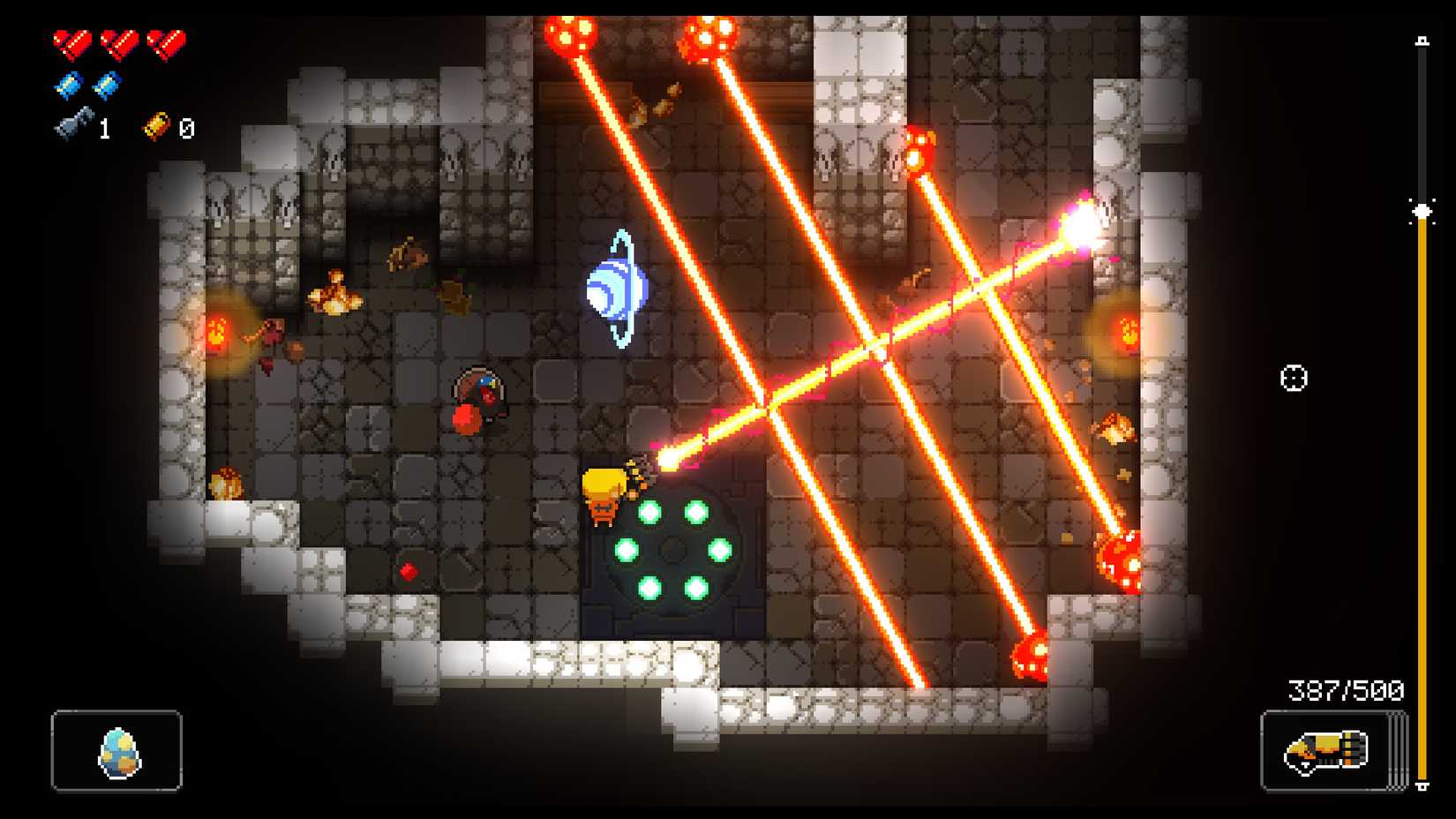
The primary criticism often leveled at Kratos’ Norse journey is the limited variety in his arsenal. While the Leviathan Axe and Blades of Chaos are iconic, they pale in comparison to the sheer creative scope of Enter the Gungeon. Developed by Dodge Roll, this roguelike does not just offer weapons; it offers an exhaustive catalog of absurdity.
From standard handguns to shotguns that fire smaller shotguns, and from sentient frogs to the "A-Key-47," Enter the Gungeon treats every run as a unique mechanical puzzle. In God of War, combat can occasionally devolve into repetitive button-mashing or reliance on specific "meta" attacks. In the Gungeon, however, the player is forced to master every tool provided, rewarding adaptability in a way that turns the act of shooting into a constant, evolving conversation between player and game.

2. Hyper Light Drifter: The Zen of Combat Loops
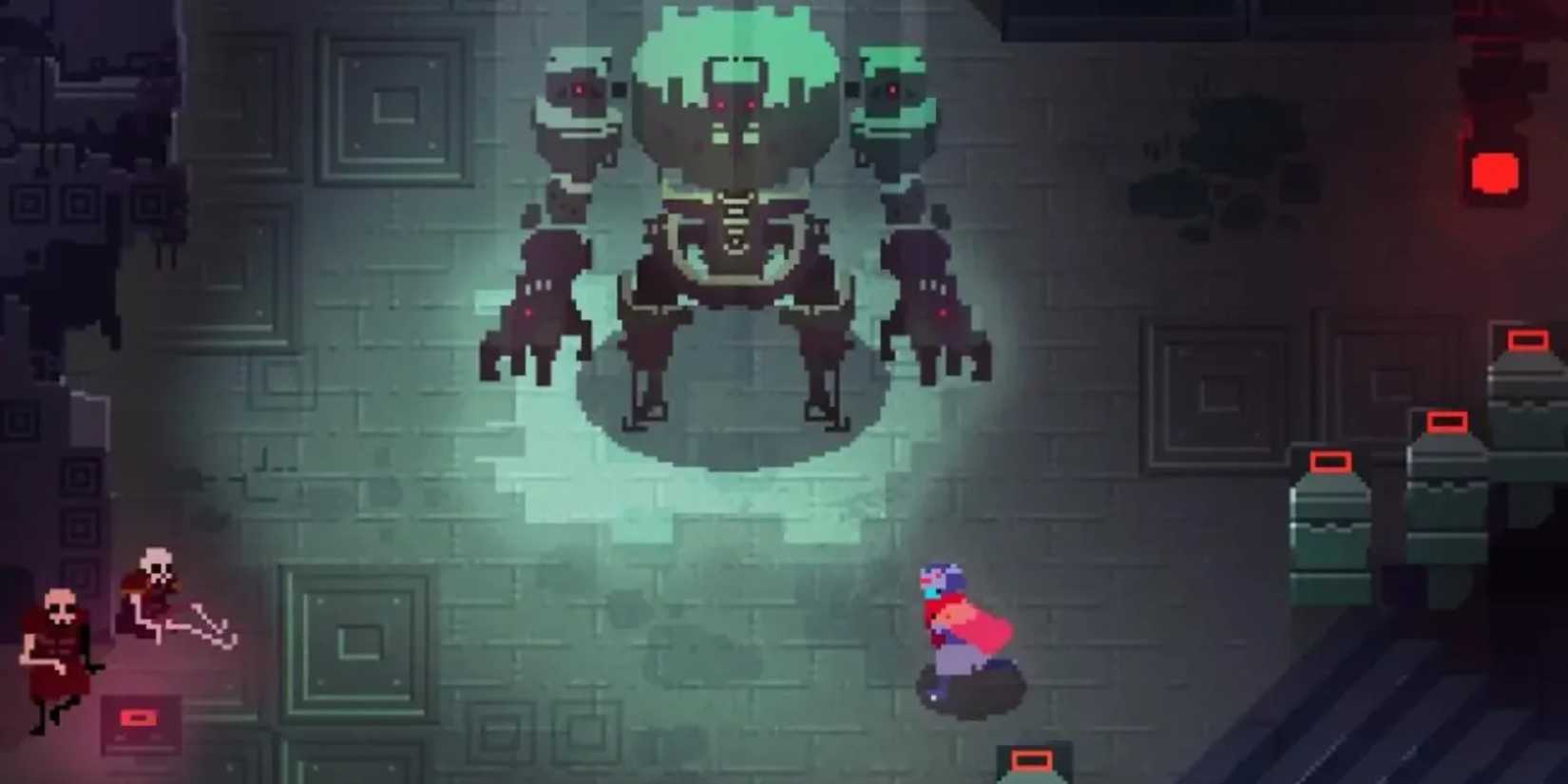
If God of War is a blockbuster film, Hyper Light Drifter is a perfectly composed poem. Heart Machine’s masterpiece features a combat loop that is deceptively simple but devastatingly deep. The core mechanic—needing to land melee strikes to replenish ammunition for your dash-capable pistol—creates a rhythmic flow state that is absent in the more stop-and-start nature of AAA action games.
The precision required to manage cooldowns while navigating screen-filling projectile patterns creates a trance-like state. It is a game that demands absolute focus, stripping away the visual clutter of high-budget cinematic finishers to focus entirely on the purity of movement and reaction.

3. Neon White: Speed as a Mechanical Language
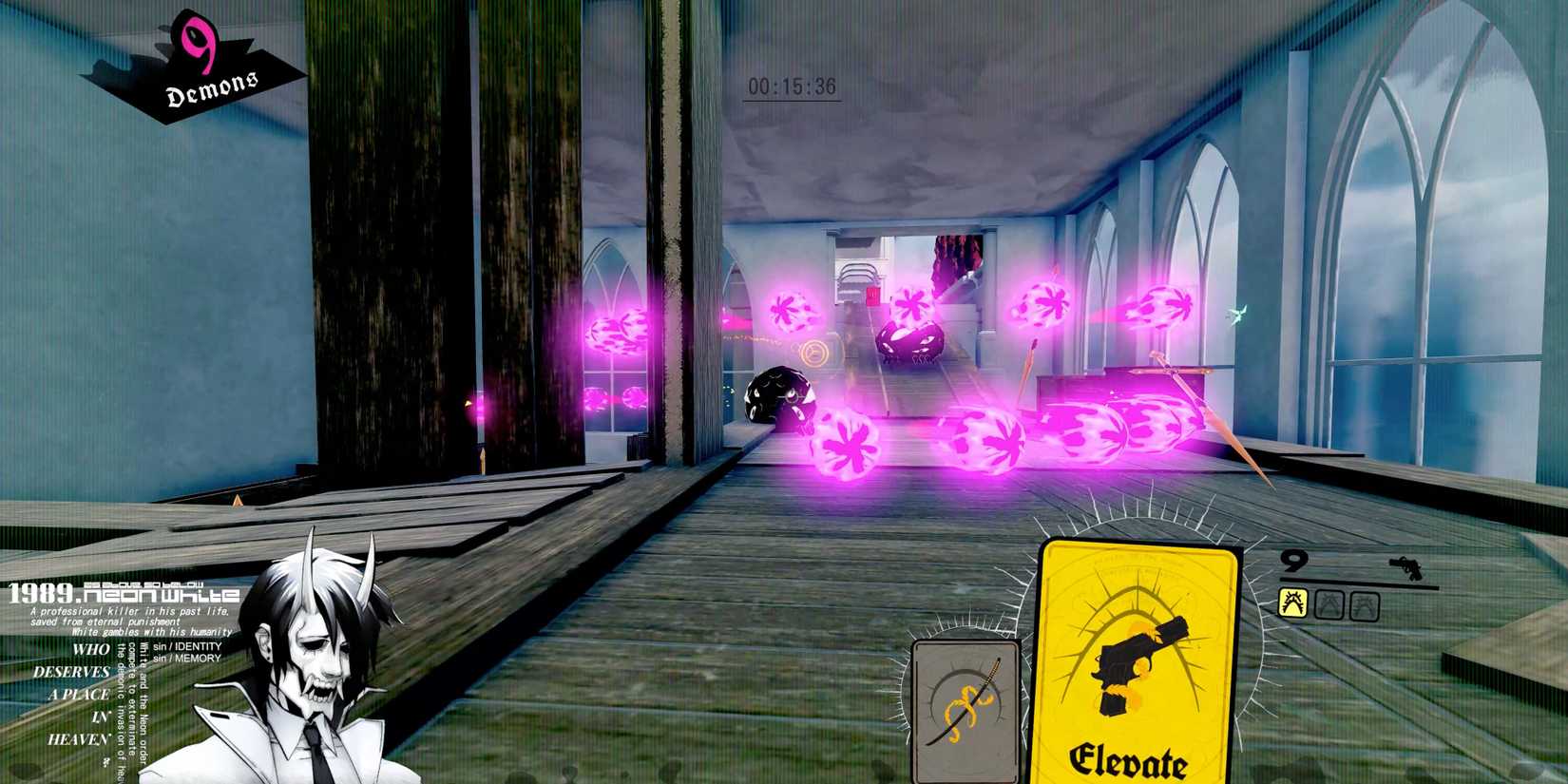
While God of War often forces the player into slow, deliberate pacing due to its camera perspective, Neon White thrives on the antithesis: pure, unbridled velocity. By framing its combat through the lens of movement and card-based resource management, Neon White makes every encounter a high-stakes puzzle.
The game forces players to make split-second decisions on whether to use a weapon for its offensive fire or discard it to trigger a mobility-boosting ability. This creates a feedback loop where the best way to "win" is to move faster and more efficiently than the game expects. It is a masterclass in level design, providing the canvas for a player to exhibit true mechanical creativity—a freedom that feels constrained in the more linear, restrictive arenas of modern Kratos.
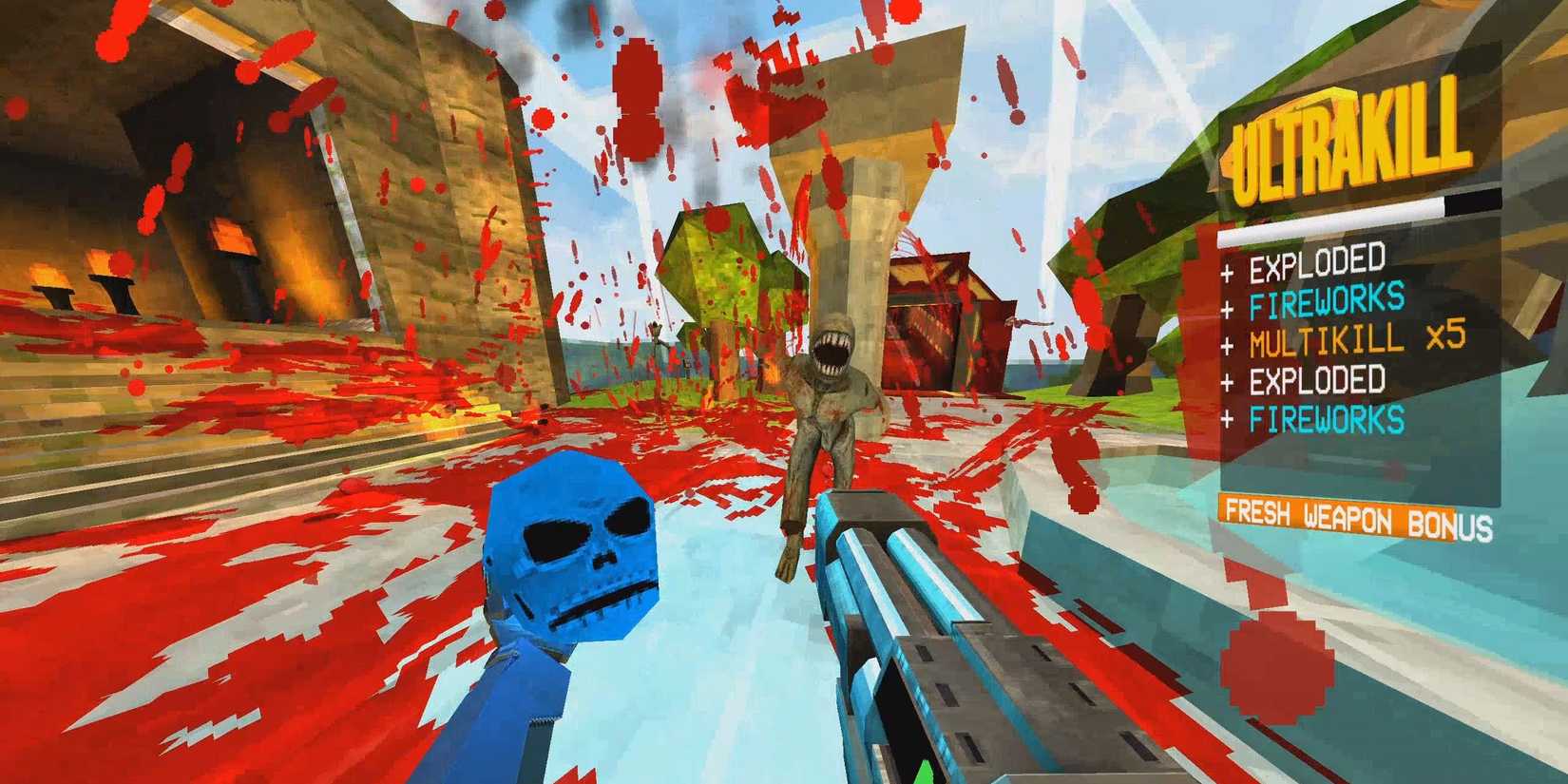
4. ULTRAKILL: The High-Octane FPS Evolution
Hack-and-slash games have always been about the pursuit of style. ULTRAKILL took that ethos and injected it into the FPS genre with terrifying efficiency. Its "Style Meter" is not just a scorecard; it is a direct command to the player to be more creative.
The game forces the player to rotate weapons, parry projectiles, and use melee attacks to sustain health and energy. Where God of War might allow a player to rely on a single, high-damage tactic, ULTRAKILL punishes the stagnant player and rewards the virtuoso. It turns combat into a dance of destruction where the goal is not just to survive, but to express dominance through the most complex execution possible.
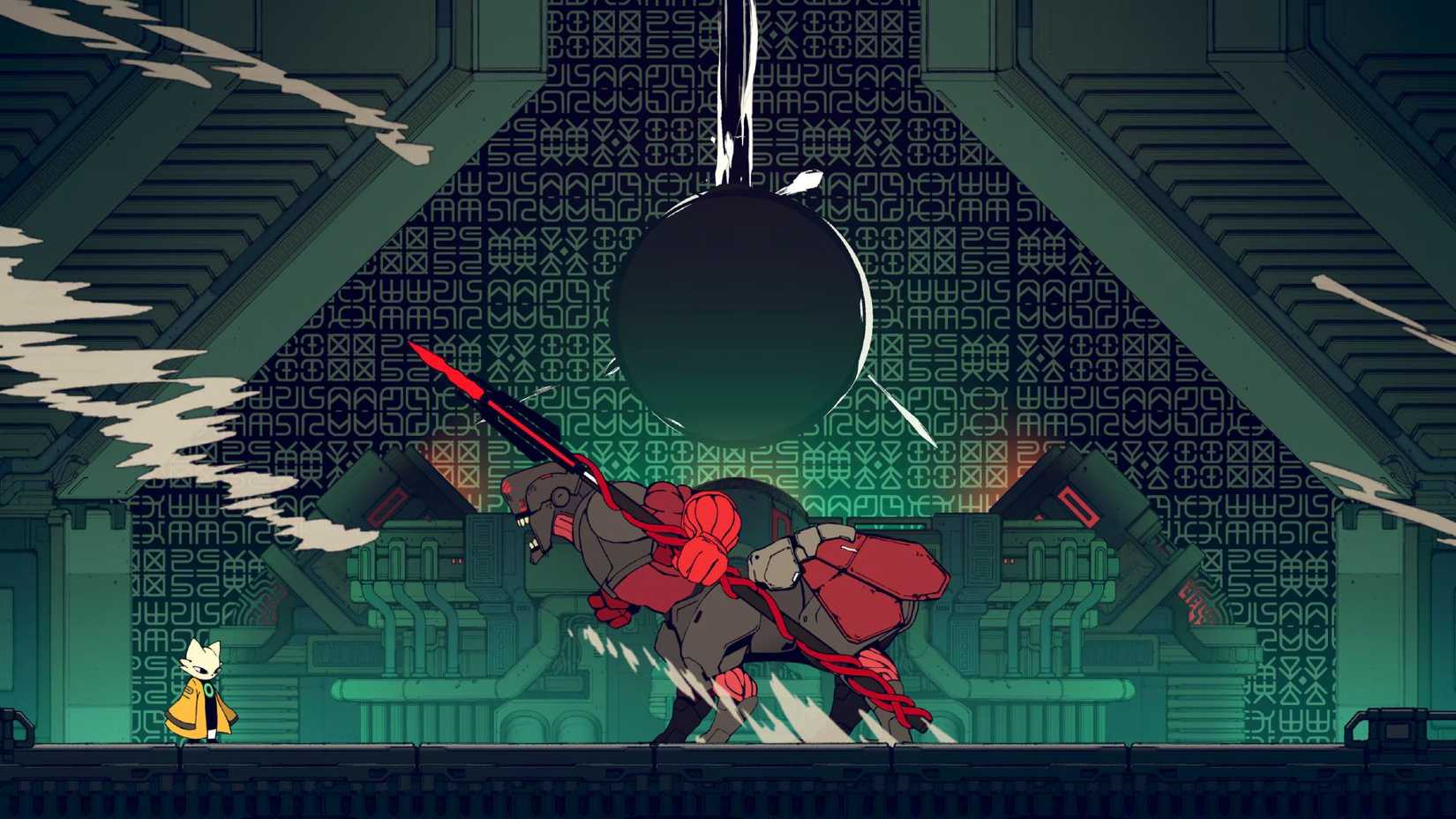
5. Nine Sols: The Mastery of the Duel
One of the most persistent issues in modern action games is the tendency to turn bosses into "damage sponges" or to rely on large-scale cinematic set pieces that play themselves. Nine Sols rejects this trend entirely. Red Candle Games has crafted a combat system that feels like a refined, surgical instrument.
The focus on parrying and precision timing makes every boss encounter a high-stakes duel. There is no room for error, and there is certainly no room for mindless mashing. By forcing the player to learn the intricacies of each boss—their tells, their rhythm, and their weaknesses—Nine Sols elevates the challenge. It proves that a limited, focused toolkit is superior to a wide, shallow one, provided the game knows how to challenge the player to master those specific tools.
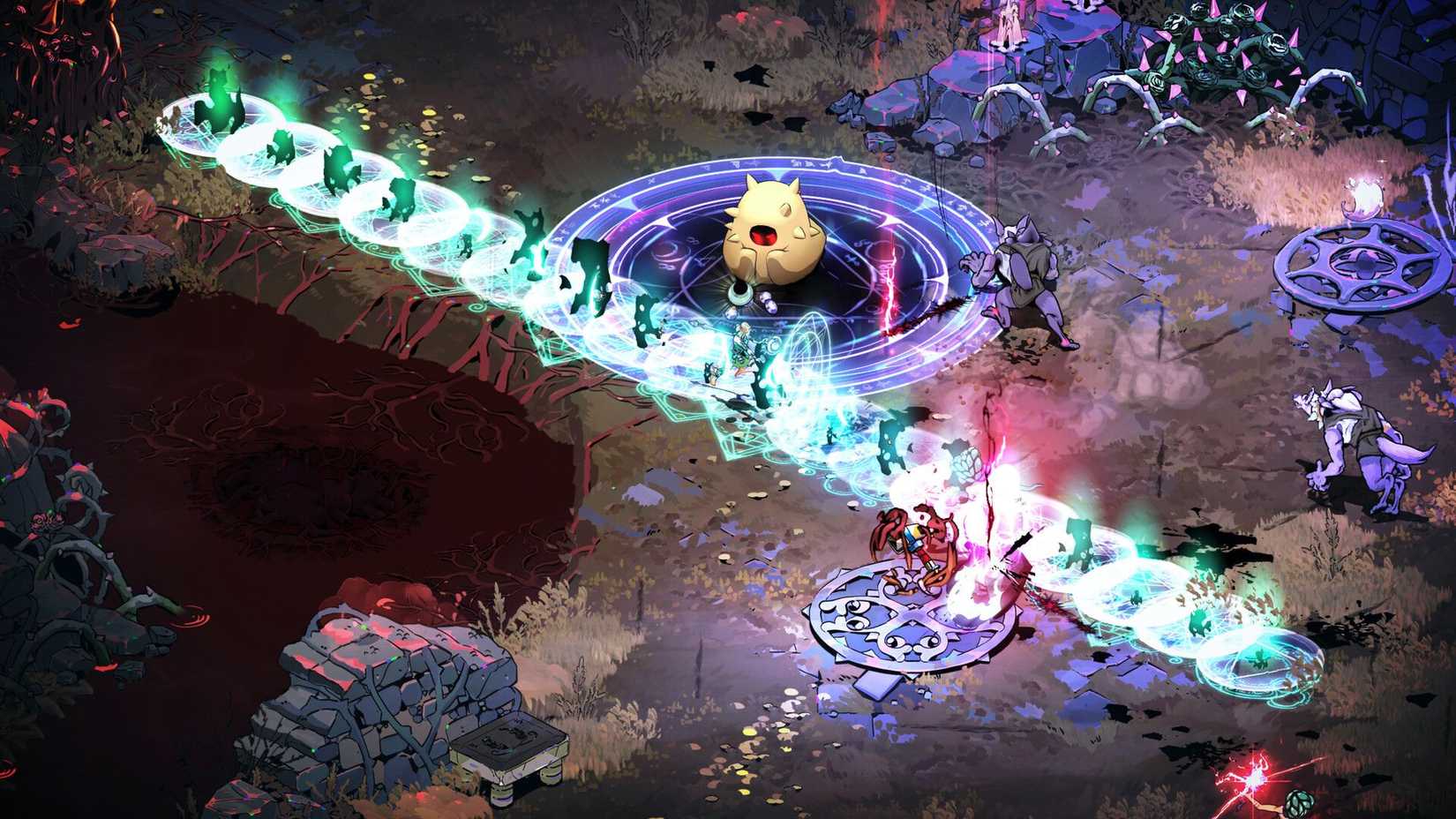
6. Hades 2: The Power Fantasy Perfected
The concept of the "power fantasy" is often misunderstood as simply making the player invincible. Hades 2 shows that true power is found in tension. By placing the player in a relentless roguelite environment, Supergiant Games forces you to use the environment, your boons, and your reflexes in perfect harmony.
The progression of weapons and skill transformations means that no two runs feel the same. Unlike the static upgrade path of Kratos, where you eventually find the "best" build, Hades 2 forces you to make do with what the gods give you, pushing you to extract every drop of potential from your current loadout. It is the gold standard for how to make a player feel like a god without ever removing the threat of defeat.
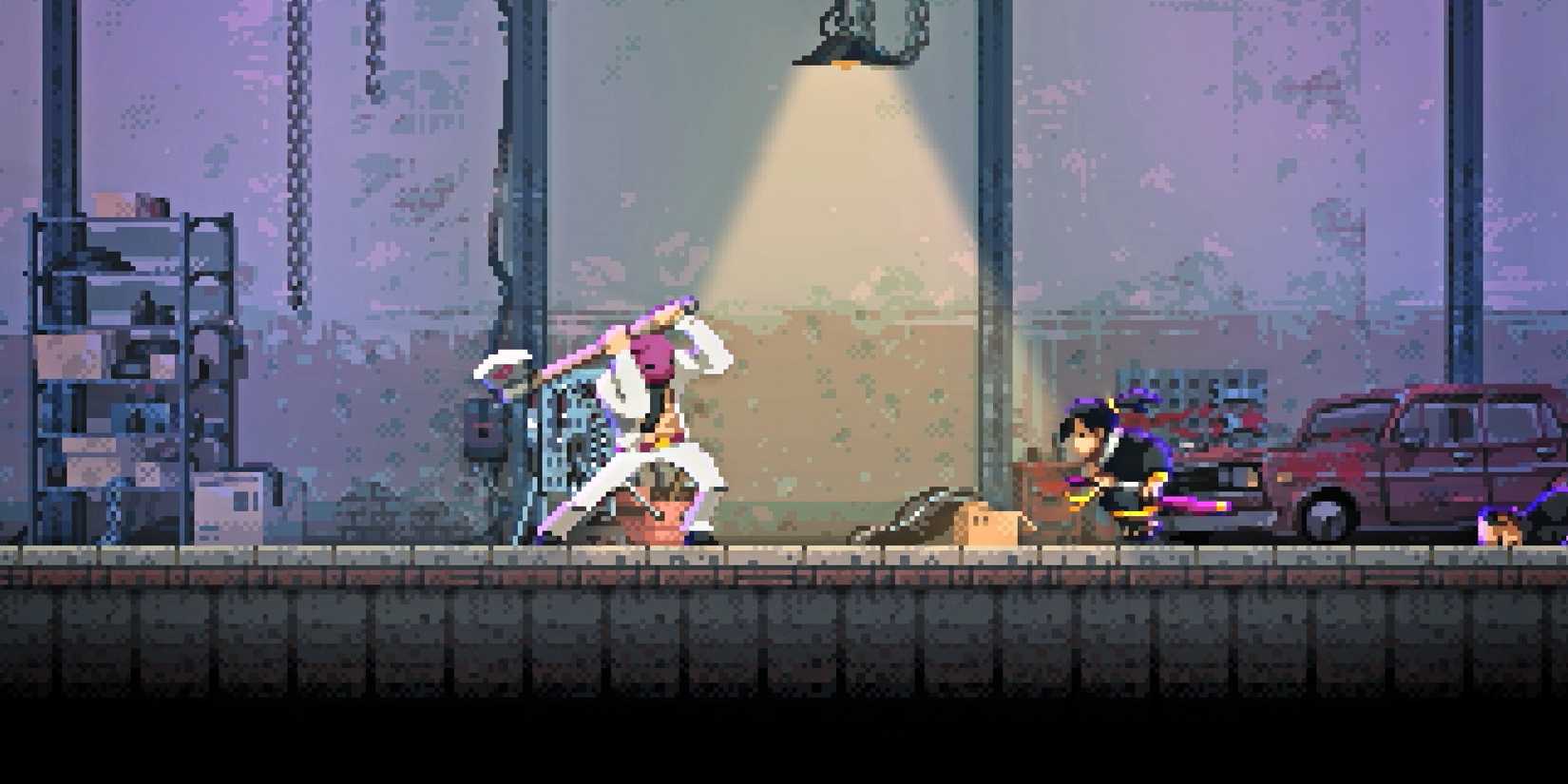
7. Katana ZERO: The Architecture of Failure
Katana ZERO is a study in the "one-hit kill" mechanic, but it approaches difficulty with more grace than almost any other game in its class. In most titles, "Hard Mode" simply means enemies have more health. In Katana ZERO, death is instant for everyone.
This forces the player to analyze the level layout as a tactical puzzle. You must plan your entry, your path, and your escape. The inclusion of the "Chronos" time-manipulation mechanic allows for a satisfying sense of agency, turning the player into a tactical mastermind rather than a brawler. It removes the frustration of "bashing your head against a wall" and replaces it with the thrill of executing a perfect, choreographed sequence of violence.
8. Sifu: Martial Arts as an Art Form
Sifu is arguably the most important melee-focused game of the last decade. It manages to retain a close-up camera and heavy impact—much like God of War—but it builds its combat system on the foundation of real-world martial arts principles.
It demands rhythm, spatial awareness, and a deep understanding of enemy stance management. The "Age" mechanic, where every death makes you older and more experienced, is a brilliant narrative-mechanical fusion. It forces you to learn from your failures. By the time you reach the final boss, you aren’t just playing a character; you have been trained by the game to become a master of its systems, making every victory feel earned through genuine skill rather than character stats.
9. Furi: The Pure Boss Rush
Furi is a game that cuts the fat. There is no exploration, no looting, and no fluff. It is 100% focused on the high-intensity boss fight. Because the game is dedicated entirely to these encounters, the developers were able to tune every single hit, parry, and bullet pattern to perfection.
The combat is a complex blend of swordplay and bullet hell shooting. It requires the player to switch mindsets on the fly, moving from defensive parry-focused melee to offensive dodging-focused shooting. It is a grueling, exhausting, and exhilarating experience that stands as a testament to the idea that sometimes, less is significantly more.
10. Hollow Knight: Silksong: The 2D Apex
Finally, we arrive at Hollow Knight: Silksong. The anticipation for this title was not born out of hype alone; it was born out of the absolute perfection of its predecessor. Silksong expands on the formula with a fluidity and speed that makes the original Hollow Knight feel slow by comparison.
The combat in Silksong is a marvel of 2D design. With its intricate system of Crests, Tools, and Skills, the game offers a level of customization that is essentially infinite. Yet, even without these modifiers, the core movement and attack hitboxes are so precise that the game feels like an extension of the player’s own thoughts. It is a masterclass in polish—a title so refined that it sets a standard which will likely remain unchallenged for years to come.
The Implication for Future Action Design
The success of these titles suggests a shifting tide in the gaming industry. While AAA titles like God of War will always have a place in the market for their narrative ambition and visual fidelity, the "indie revolution" has proven that when it comes to the feel of combat, the player’s agency and mechanical engagement are paramount.
As developers continue to study these titles, we are likely to see a convergence where the cinematic quality of a blockbuster meets the mechanical depth of an indie masterpiece. For now, however, those seeking the pinnacle of action combat need look no further than the smaller, more focused experiences that prioritize the joy of the game over the spectacle of the screen.


 Sagoh
Sagoh
 Asep Darmawan