

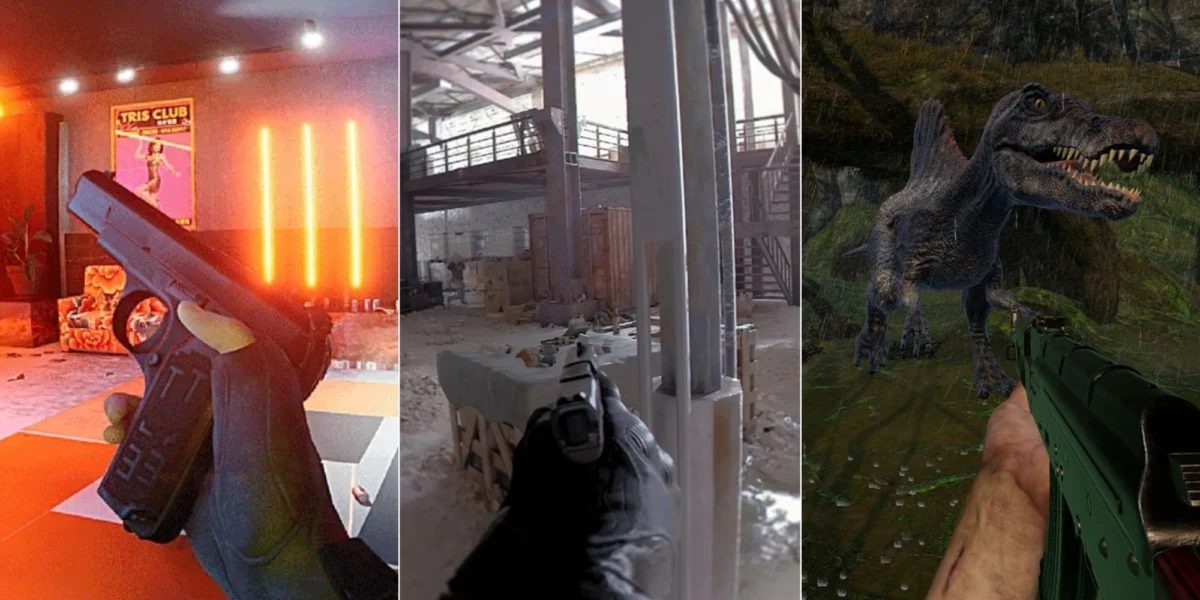
In the ever-evolving landscape of video games, a new trend has emerged, captivating players and developers alike with its raw, unfiltered approach to virtual combat. The "bodycam shooter" subgenre, characterized by its first-person perspective mimicking footage captured by a helmet or chest-mounted camera, is rapidly ascending the ranks of popular gaming philosophies. This trend isn’t merely a stylistic choice; it’s a deliberate design decision that leverages our ingrained association with grainy, distorted, and shaky real-world footage to achieve an unprecedented level of immersion. By embracing visual "imperfections," developers are crafting experiences that feel not just realistic, but viscerally present.
The allure of the bodycam shooter lies in its ability to transform familiar firefights into claustrophobic, heart-pounding encounters. The very physics of a bouncing camera, the limited field of view, and the unsettling authenticity of the visuals force players to confront the simulated world with a heightened sense of vulnerability. This isn’t about power fantasies; it’s about survival, about the desperate fight for life in environments that feel terrifyingly tangible. This article delves into the rise of this captivating subgenre, exploring its core mechanics, its most compelling examples, and the implications for the future of interactive entertainment.
The Genesis of an Immersive Revolution
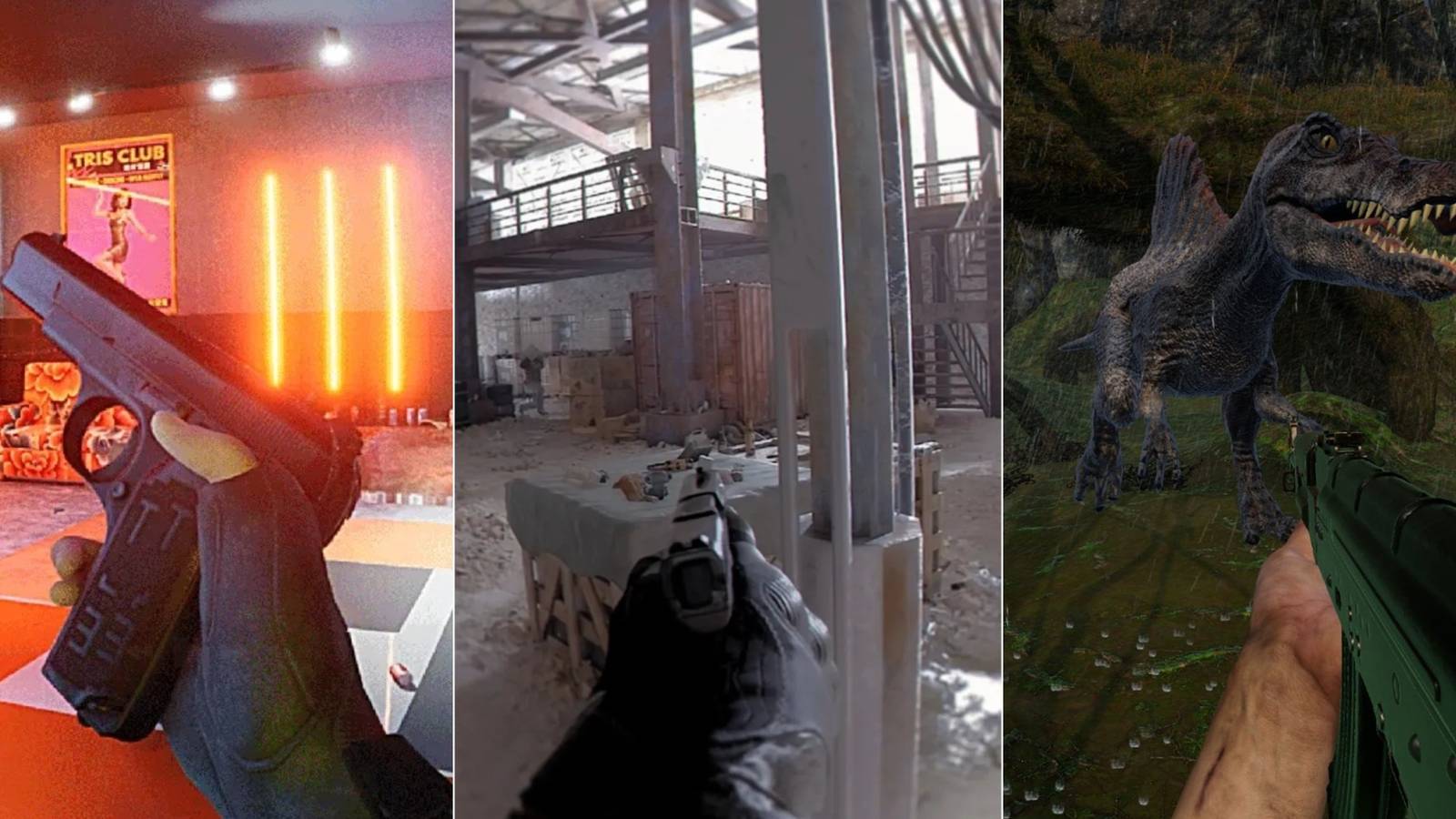
The current fascination with hyperrealistic graphics in gaming has inadvertently paved the way for the bodycam shooter. Players have been conditioned to expect graphical fidelity that pushes the boundaries of what’s visually possible. However, a new breed of developers has recognized that true realism isn’t solely about polygons and textures; it’s about evoking emotion and presence. This realization has led to the ingenious adoption of visual elements typically associated with amateur or raw footage – lens distortion, subtle camera shake, and even digital artifacts – and transforming them into powerful tools for immersion.
Our brains are wired to process such visual cues as authentic. We’ve seen countless hours of bodycam footage from law enforcement, military operations, and viral news clips. This familiarity creates an instant, albeit subconscious, connection to the perceived reality of the in-game experience. Developers are expertly hijacking this psychological response, turning what might otherwise be seen as graphical limitations into a feature that amplifies tension and amplifies the player’s engagement. The result is a distinct departure from the often-sanitized, cinematic presentation of traditional shooters, offering a grittier, more immediate, and undeniably more impactful experience.
A Deep Dive into the Most Realistic Bodycam Shooters
As this subgenre gains momentum, a select group of titles are already pushing the boundaries of what’s possible, offering players a glimpse into the future of immersive gaming. These games, ranging from experimental indie projects to more polished multiplayer experiences, showcase the diverse applications of the bodycam aesthetic.
7. RECORDED: An Experimental Playground of Immersive Combat
Developed by the solo creator KC6067studios, RECORDED stands as a testament to the experimental spirit driving the bodycam shooter trend. This multiplayer FPS prioritizes immersive combat above all else, utilizing the bodycam perspective to build dynamic and engaging levels. Its standout features include unique gun physics that demand precision and a dynamic weather and time-of-day system that ensures no two matches feel the same. Players can experience the intensity of firefights under rain, snow, or the stark clarity of sunshine.
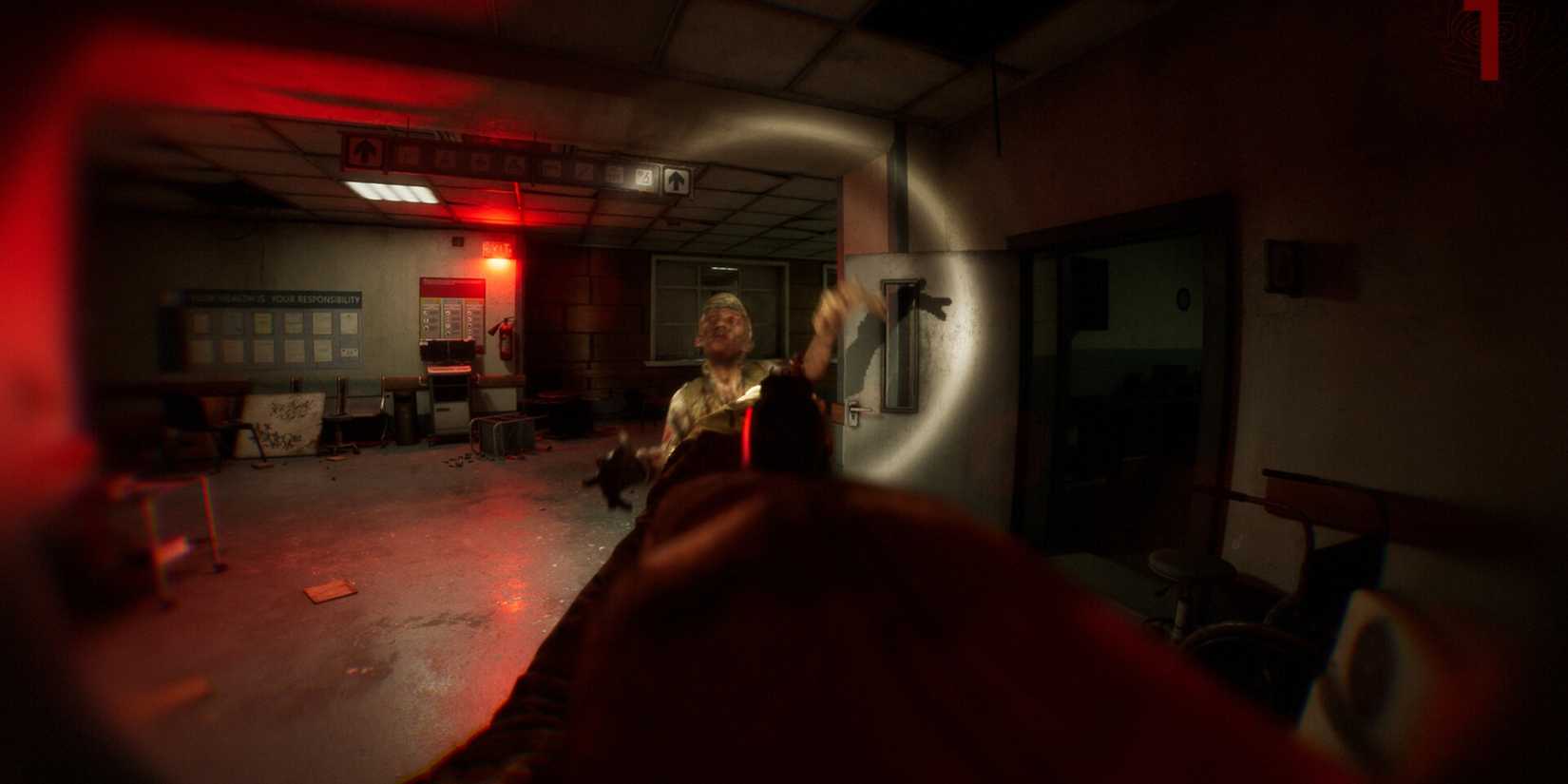
RECORDED offers a variety of game modes, catering to different playstyles, from classic Team Deathmatch and Free-for-All to solo engagements against AI opponents. However, the co-op zombie mode truly shines, blending hyperrealism with one of humanity’s most primal fears. The game successfully marries the pure action focus of old-school shooters with next-generation visuals, making it an excellent entry point for those curious about the subgenre. While its indie status means a smaller player base, the core experience is a compelling demonstration of the bodycam shooter’s potential.
6. Dinosaurs Bodycam: When Photorealism Becomes Your Worst Phobia
GamePoc LTD’s Dinosaurs Bodycam takes the concept of photorealism and injects it with a potent dose of primal terror. The game thrusts players into direct confrontation with Earth’s most formidable predators, but its genius lies in using photorealism not just for visual spectacle, but as a catalyst for psychological horror. The chaotic perspective of the bodycam intensifies the player’s desperation, making every encounter a fight for survival.
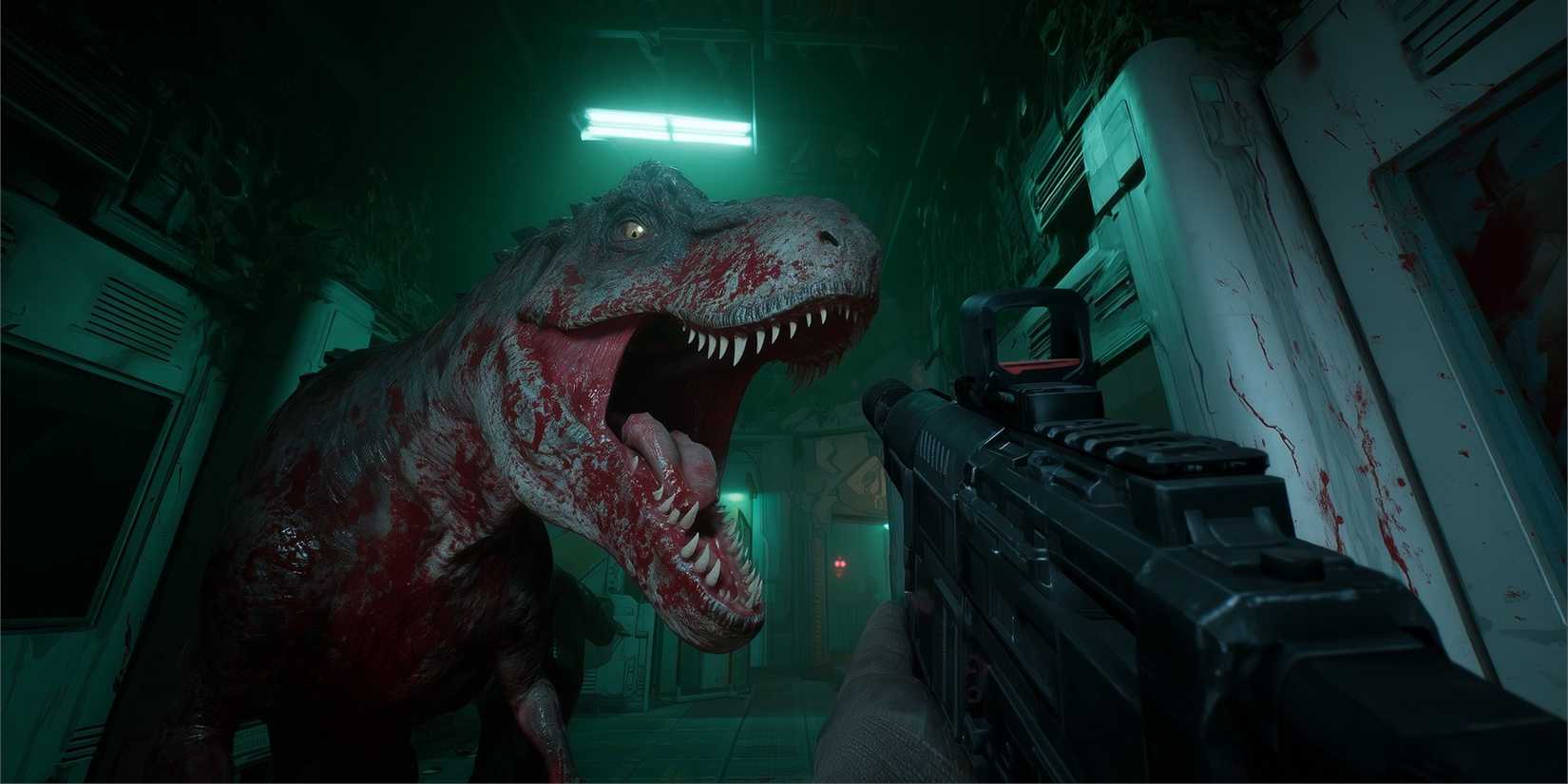
In its campaign, players assume the role of an elite operator investigating a remote research facility that has gone dark. The narrative premise hints at familiar tropes, but Dinosaurs Bodycam subverts expectations by eschewing the invincible action hero fantasy. Instead, the goal is to foster a sense of claustrophobia and vulnerability, making players feel as if they are participants in a terrifying piece of lost footage. The experience is akin to a modern-day The Blair Witch Project, but with velociraptors. Despite some rough edges and a learning curve, the game’s unique concept – merging the bodycam aesthetic with genetically engineered dinosaurs – is undeniably brilliant and memorable within the subgenre.
5. BoneField: Bodycam Horror: An Oppressive Investigation
RedRockGS, another solo developer, presents BoneField: Bodycam Horror, a title that delves deep into the realm of psychological terror. Players step into the shoes of a private investigator tasked with exploring a sinister, abandoned town plagued by rumors of macabre human experiments. The game’s eerie atmosphere and raw desperation evoke the spirit of franchises like Outlast, but the bodycam perspective adds a crucial layer of claustrophobia.
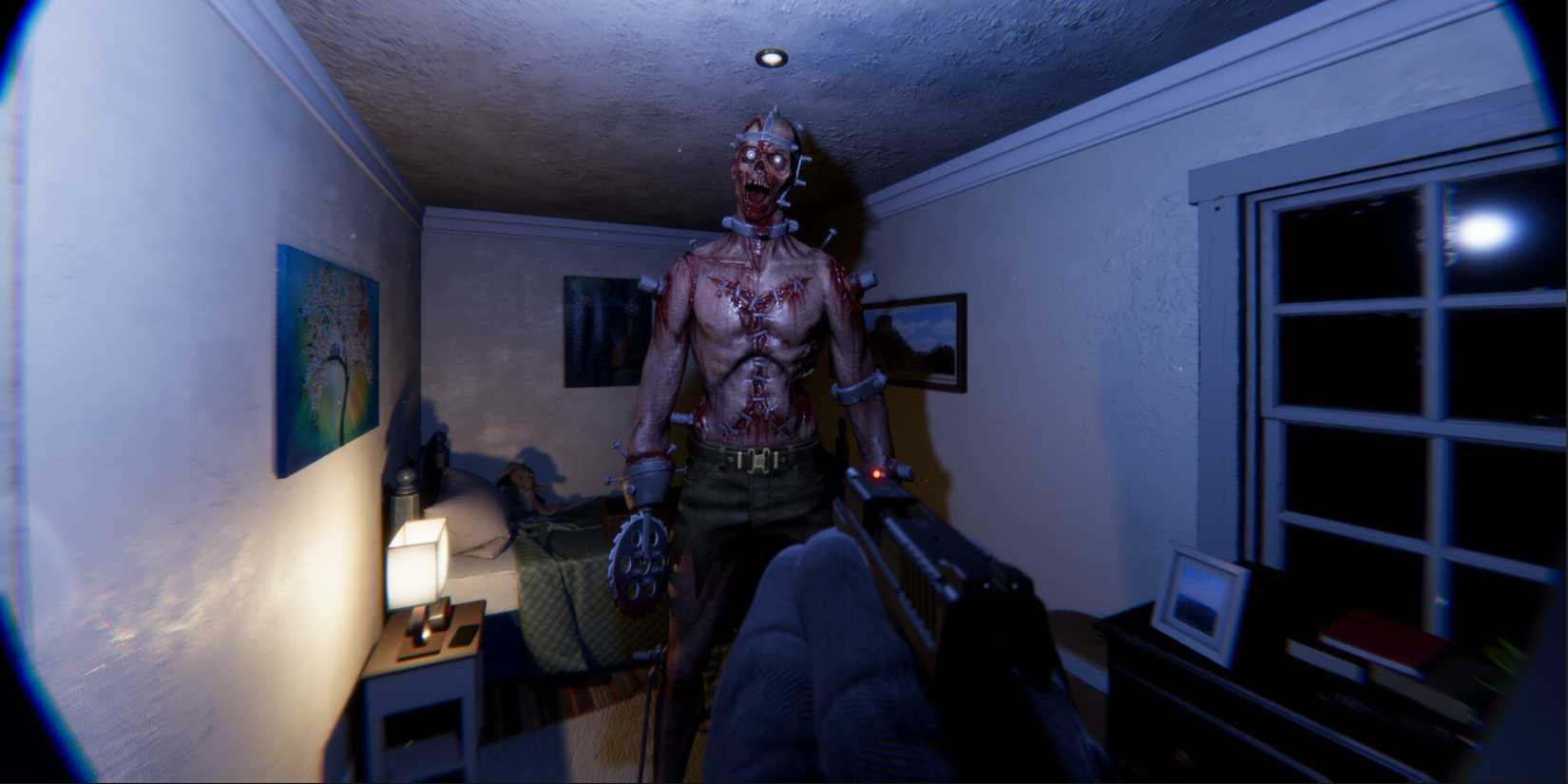
The combination of realistic graphics and an unstable aiming mechanic significantly amplifies the tension, creating an overwhelmingly oppressive environment. While currently in Early Access, BoneField showcases the potential of the bodycam shooter for delivering potent horror experiences. The game’s raw edges and occasional bugs are a testament to its independent development, but the atmospheric depth and the sheer terror it elicits make it a worthwhile experience for horror enthusiasts.
4. Deppart Prototype: Tactical Precision Meets Survival Horror
N4bA’s Deppart Prototype was an early pioneer in applying the bodycam aesthetic to survival horror, predating the viral explosion of Unrecord. While an experimental prototype rather than a fully realized game, its inclusion on this list is a testament to its innovative approach. Deppart Prototype masterfully blends tactical precision with the chilling uncertainty of survival horror.
Unlike traditional shooters where clearing rooms is often straightforward, Deppart emphasizes the value of every single bullet. The realistic flashlight illumination, the unsettling camera instability, and deliberately limited gameplay mechanics combine to short-circuit the player’s perception during high-stress encounters. This prototype’s effectiveness in executing its concept is undeniable, making it a compelling example of the subgenre’s potential. Available for free on Itch.io, it serves as a potent warning of the relentless jump scares that await.
3. Better Than Dead: A Symphony of Vengeance
Better Than Dead distinguishes itself with a strong narrative drive, utilizing the bodycam perspective to amplify its story of a young woman’s dark, vengeful journey to hunt down her kidnappers. This premise allows the game to tackle heavy themes such as human trafficking and abuse with a raw, photorealistic lens. The title eschews the military simulation trope, instead finding a compelling middle ground where the bodycam’s authenticity underscores the protagonist’s emotional weight.
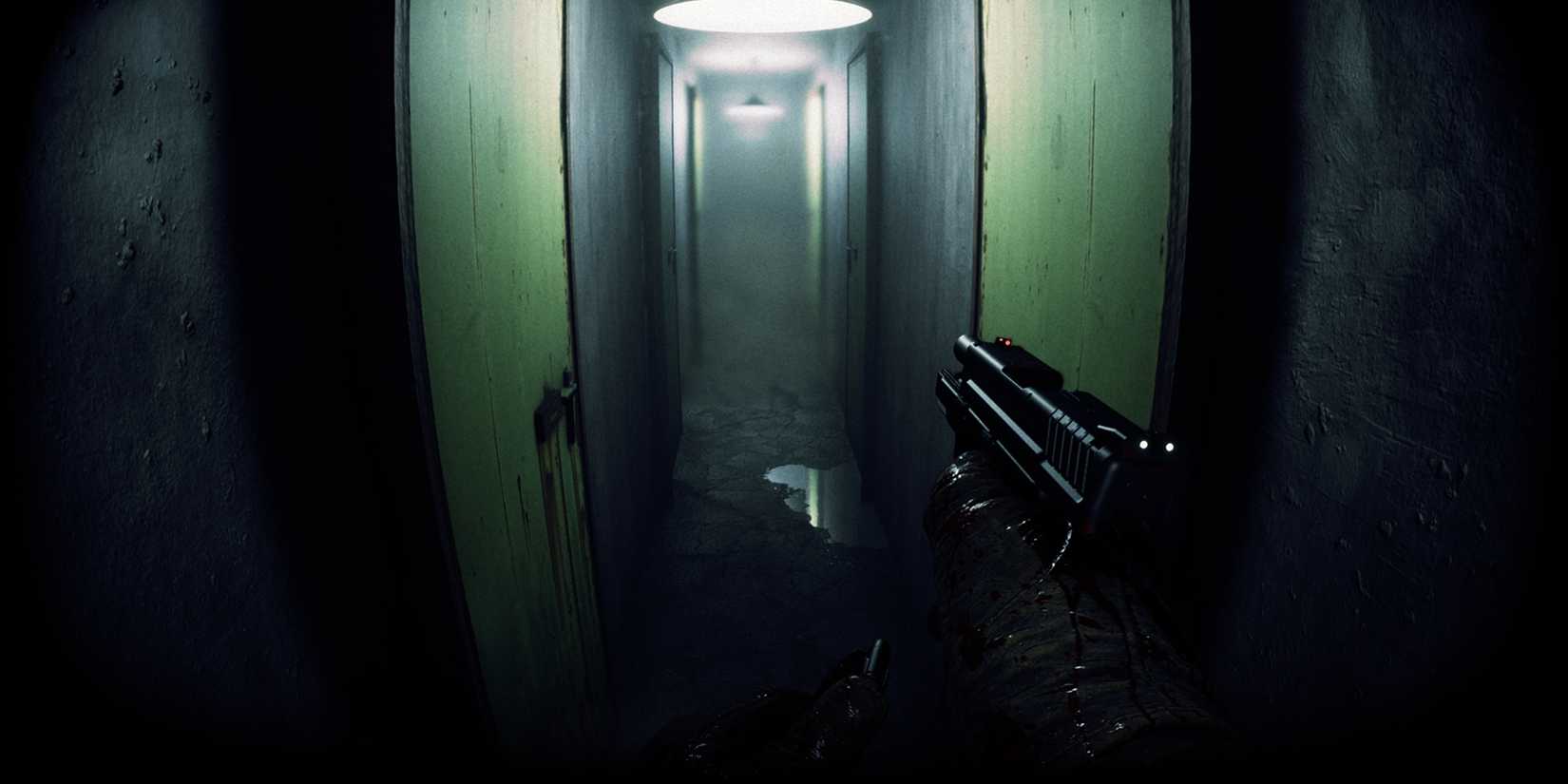
The gameplay intentionally limits the player, reflecting the protagonist’s status as a civilian driven by rage rather than a trained operative. The in-universe justification for the bodycam – the protagonist actively recording her crusade – provides a brilliant and organic narrative reason for the chosen perspective, adding a unique layer to the experience. Still in Early Access, Better Than Dead already delivers a gripping and emotionally resonant experience that showcases the power of the bodycam shooter in storytelling.
2. Ready or Not: The Pinnacle of Tactical Procedure
Void Interactive’s Ready or Not stands as a benchmark for uncompromising realism in the tactical shooter genre. While not initially designed as a native bodycam game, its adoption of the perspective through community mods has cemented its status as a definitive title within the subgenre. The game’s deep mechanical complexity aligns perfectly with the visual claustrophobia of a bodycam, enhancing the overall immersion.

Players assume the role of an elite SWAT commander navigating hyperrealistic crisis situations where every decision carries immense weight. Ready or Not excels in its flawless simulation of real-world tactical procedures, going beyond mere graphical fidelity to achieve realism through complex rules of engagement, realistic ballistics, and an intelligent enemy AI that adapts, hides, and panics realistically. This meticulous attention to detail makes it a perfect canvas for the bodycam aesthetic, creating an unparalleled sense of presence and consequence.
1. Bodycam: The Visual Revolution of Virtual Warfare
Reissad Studio’s Bodycam is the undisputed poster child for the bodycam shooter subgenre and a dazzling showcase for next-generation graphics. Developed by a remarkably small team, Bodycam strips away the complexities of traditional tactical shooters to deliver a pure, visceral multiplayer experience that often blurs the line between reality and virtuality. Its "uncanny valley" realism was the driving force behind its viral success, even before its official release.
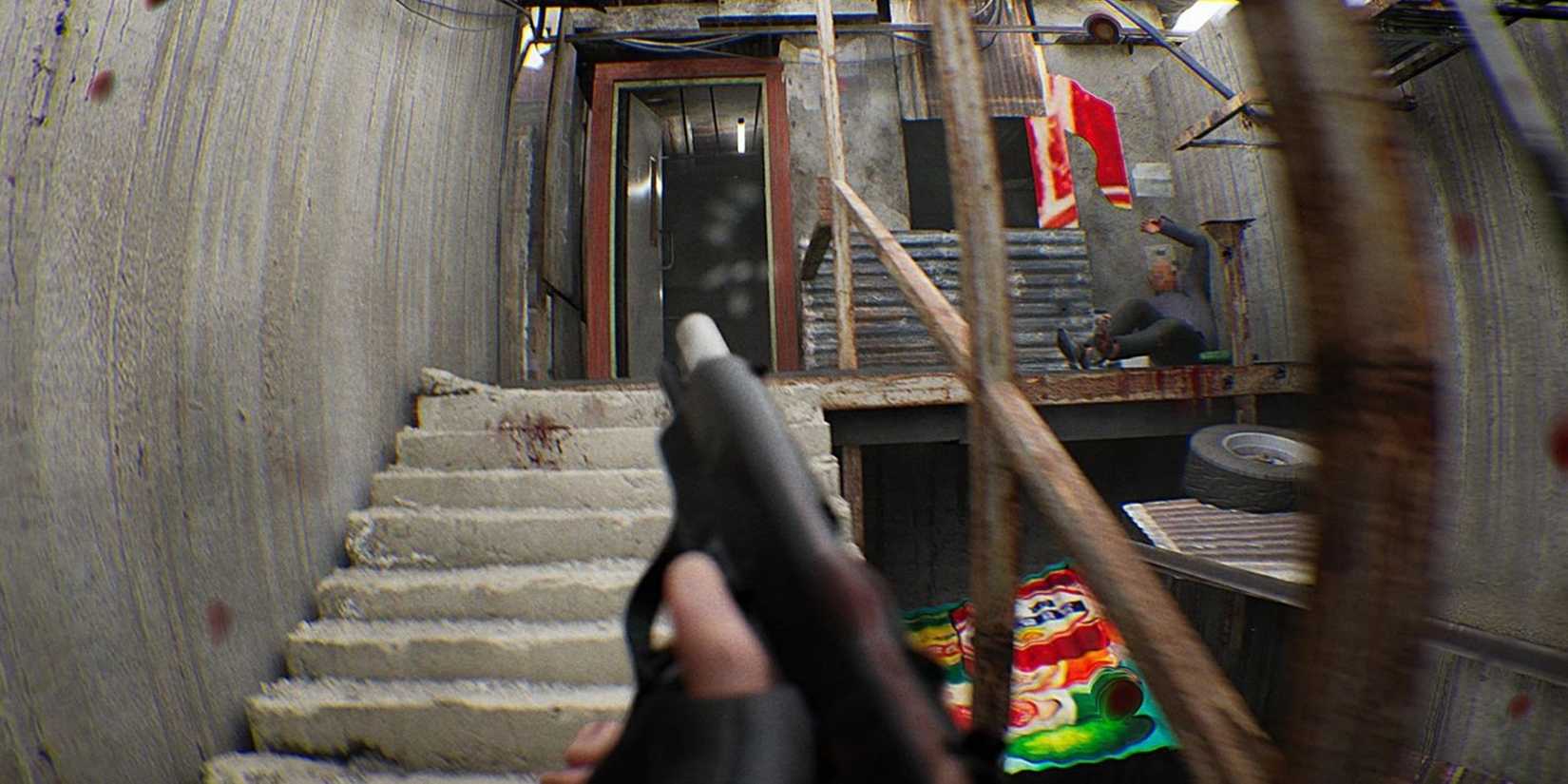
The game focuses on intense, competitive firefights, leveraging Unreal Engine 5’s advanced ray-traced lighting and aggressive post-processing effects – including heavy film grain and fisheye lens distortion – to create an unparalleled illusion of reality. This psychological trickery is its ultimate highlight, making players feel as if they are witnessing actual live-streamed footage. Bodycam represents a significant leap forward in visual fidelity and immersion, setting a new standard for what the bodycam shooter subgenre can achieve.
The Broader Implications for Gaming
The rise of the bodycam shooter signifies a broader shift in the gaming industry’s approach to realism and immersion. Developers are increasingly recognizing that true engagement stems not just from graphical prowess, but from the ability to evoke genuine emotional responses in players. By embracing the perceived imperfections of bodycam footage, designers are tapping into a potent psychological wellspring, creating experiences that are more relatable, more intense, and ultimately, more memorable.

This trend also highlights the growing influence of indie developers and community-driven innovation. Many of the most compelling bodycam shooters originated as experimental projects, demonstrating that creative use of existing technology and a keen understanding of player psychology can yield groundbreaking results. As technology continues to advance, we can expect the bodycam shooter subgenre to evolve further, potentially influencing other genres and pushing the boundaries of what we consider to be a "realistic" gaming experience. The unsettling, unfiltered truth of the bodycam perspective has undeniably found its place in the virtual battlefield, and its impact on the future of gaming is only just beginning to unfold.












No comments yet. Be the first to join the conversation!