

It might seem an immutable law of video game design that an adventure game’s world should expand in scope as the player progresses. A journey, by its very definition, implies movement; as players cross borders, unlock new biomes, and push further into the unknown, the literal map grows to encompass more territory. However, the most profound experiences in the genre often distinguish themselves by operating on two distinct levels: literal geographical scale and metaphorical, thematic depth.
While many titles are content to simply provide a larger sandbox, the finest adventure games treat their settings as living, breathing ecosystems. Through a combination of intricate, multi-layered storytelling, dense lore, and characters who serve as anchors for that world’s history, these games ensure that by the time the credits roll, the player possesses an understanding of the setting that goes far beyond mere coordinates. They feel like functional, lived-in places rather than static stages.
10. CrossCode: When Reality Becomes a Digital Cage
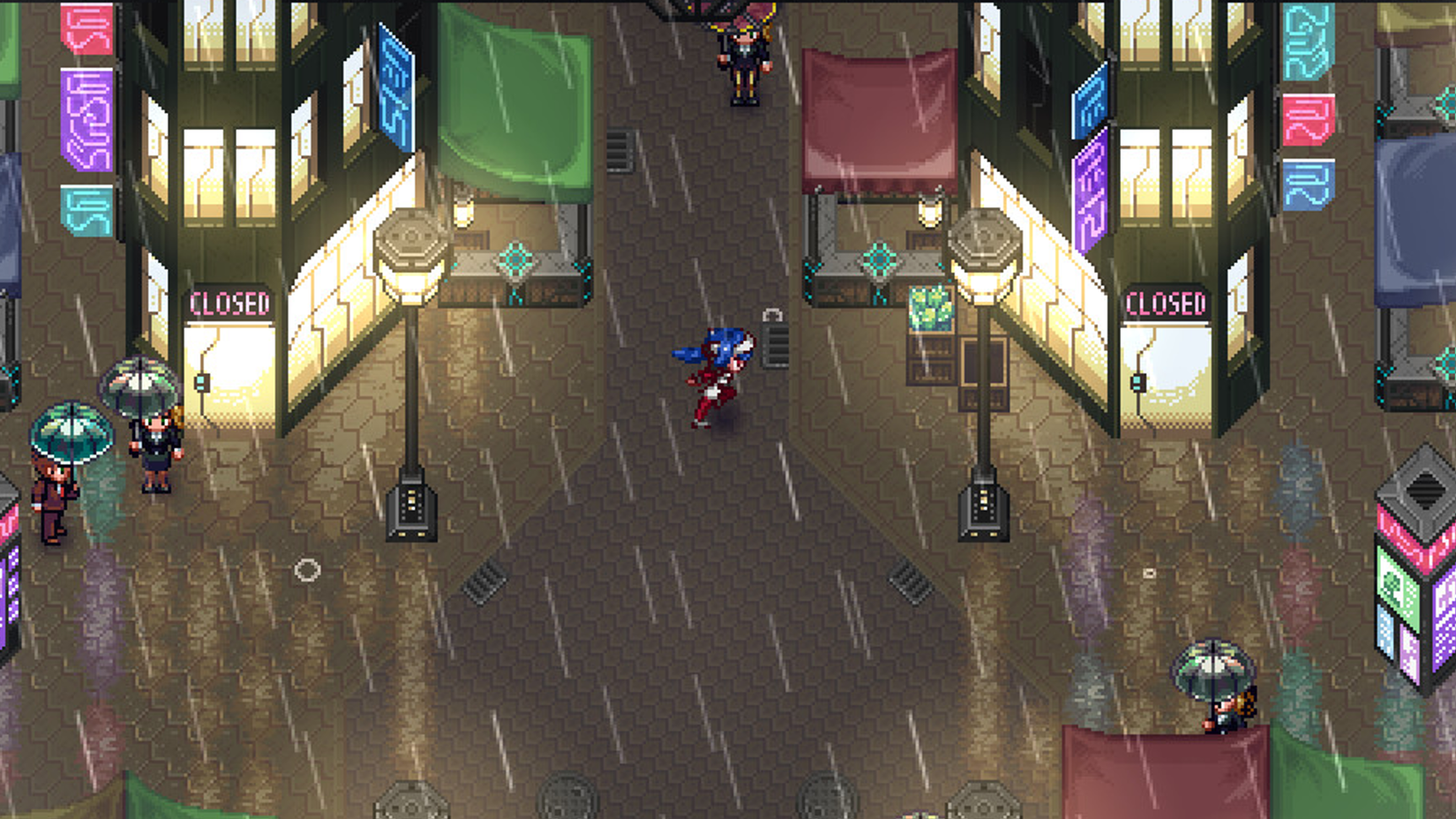
CrossCode offers a fascinating subversion of the "isekai" trope. Set within the fictional MMO CrossWorlds—a virtual utopia situated on the moon Shadoon—the game initially presents as a standard RPG experience where players control remote-operated avatars. For the protagonist, Lea, who is unable to log out, this digital space is her entire existence.
As the narrative unfolds, the scope of the world shifts dramatically. The revelation that Lea is an artificial intelligence created to harvest user data adds a layer of existential horror. Ironically, the more we learn about her situation, the more the "world" shrinks. We move from the illusion of an infinite virtual playground to the stark, claustrophobic reality of a contained server. The game succeeds because it makes us care about a world that is, fundamentally, a prison, forcing us to reconcile the physical scale of the map with the narrow, tragic reality of the protagonist’s life.

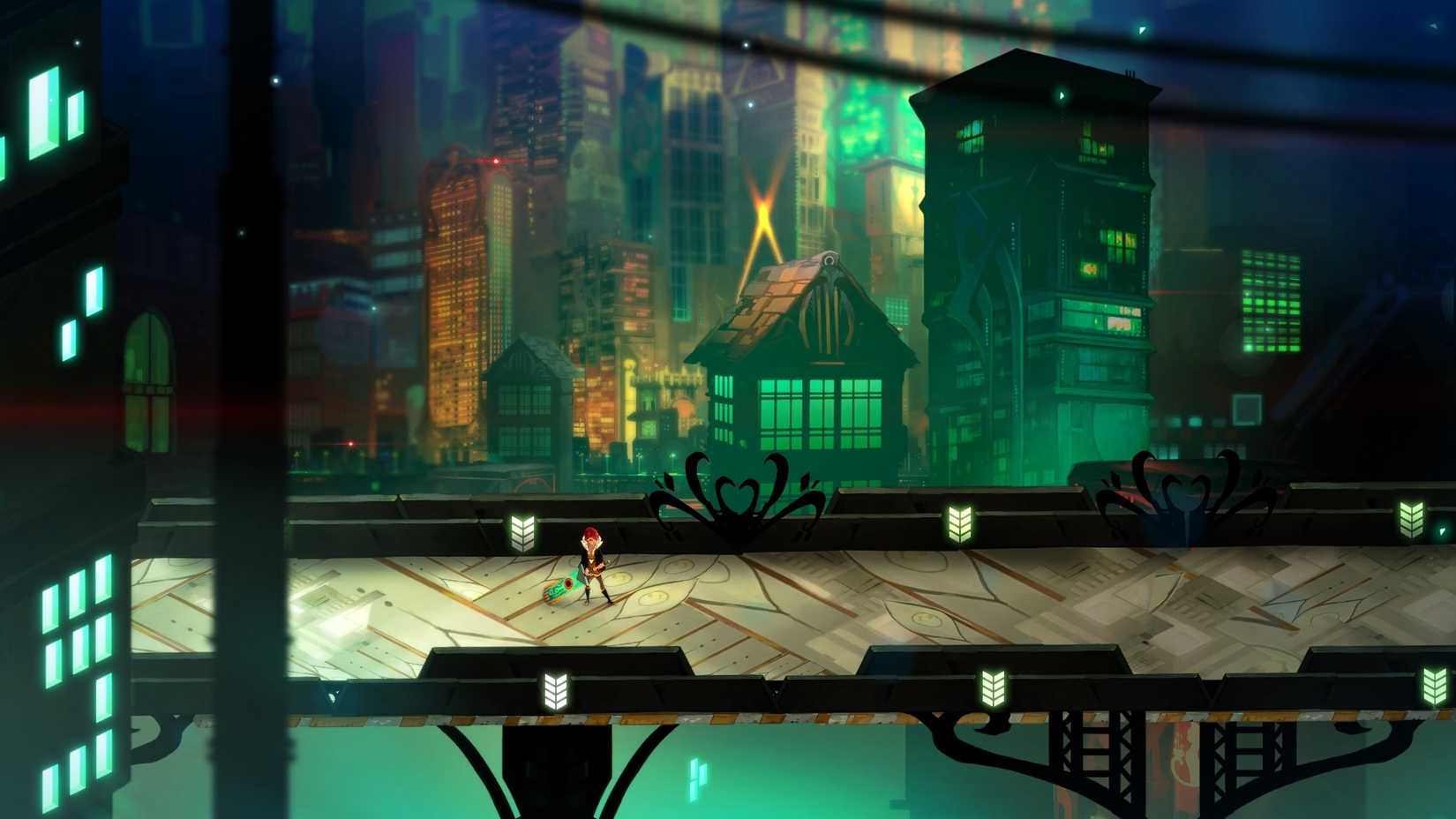
9. Transistor: The Architecture of Democracy
Transistor introduces players to Cloudbank, a city defined by its radical, all-encompassing democracy. In this urban utopia, the populace can vote to alter any aspect of their environment, from the weather patterns to the very color of the sky.
The brilliance of Transistor lies in how it drip-feeds this world-building. We begin in media res, standing over the body of a lover, and must piece together the city’s history through trace data and the silent, poignant journey of the protagonist, Red. As we fight off the Process—a mysterious force consuming the city—the game reveals the rot beneath the utopian veneer. By absorbing the memories of Cloudbank’s citizens, players gain a granular understanding of how a city built on the whims of the many can be a lonely, oppressive place for the few. The scope expands not through landmass, but through the accumulation of thousands of individual stories that form the city’s collective soul.
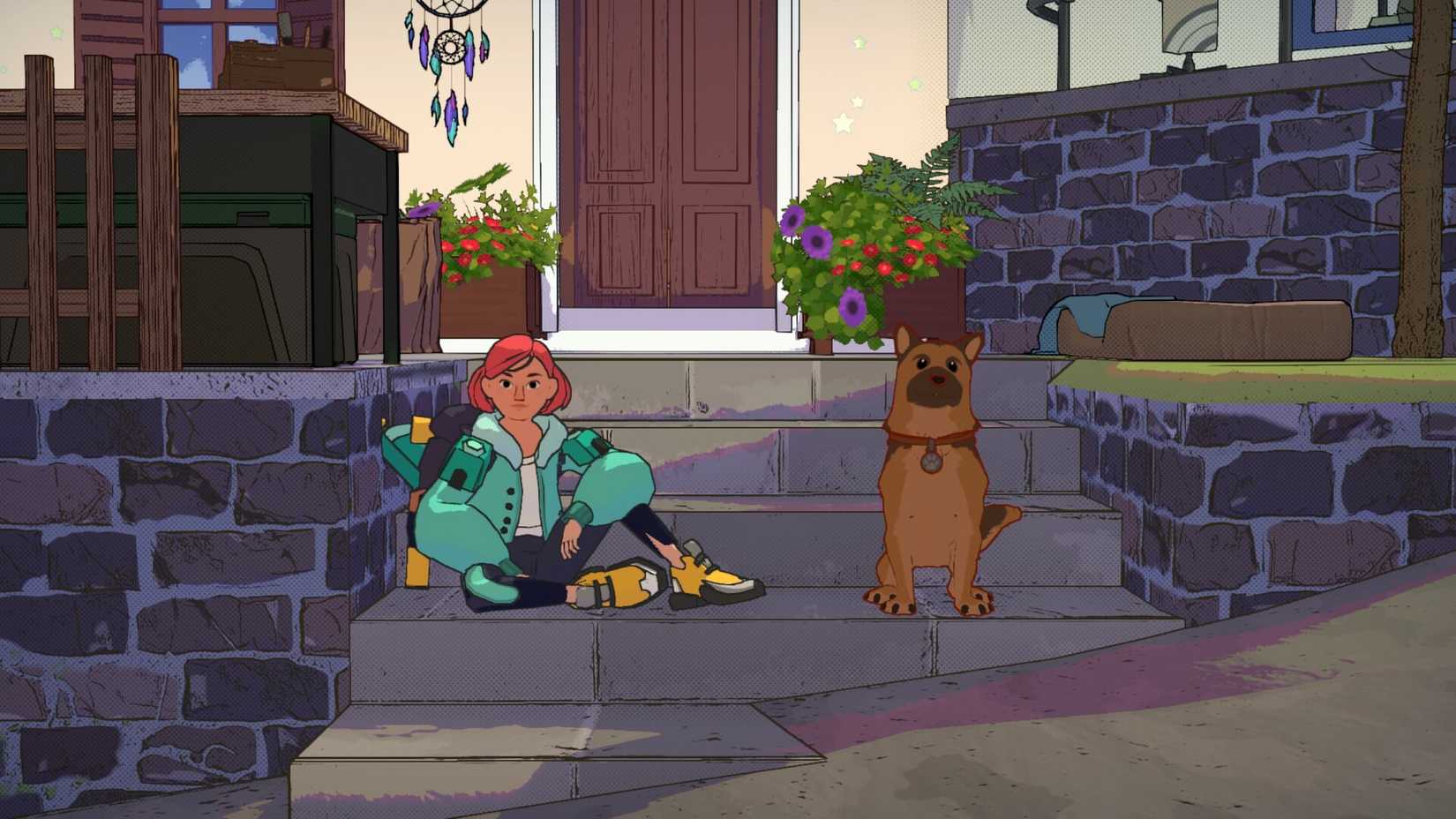
8. Dungeons of Hinterberg: The Cost of Tourism
Dungeons of Hinterberg presents a unique premise: a vacation destination in the Austrian Alps that has become a global phenomenon due to the sudden emergence of magical, monster-filled dungeons. For the protagonist, Luisa, the journey begins as a way to escape the crushing weight of a corporate job.
However, the game quickly pivots from a lighthearted dungeon-crawler to a nuanced critique of late-stage tourism. As Luisa explores the region, she uncovers the tension between the town’s mayor, who is aggressively exploiting the dungeon economy for profit, and the locals, who face the very real threat of gentrification and cultural erasure. The world feels massive not because of its geography, but because of its socioeconomic complexity. It forces the player to consider the human cost of the "adventurer lifestyle," turning a standard action-RPG into a thoughtful exploration of how an economy shapes a landscape.
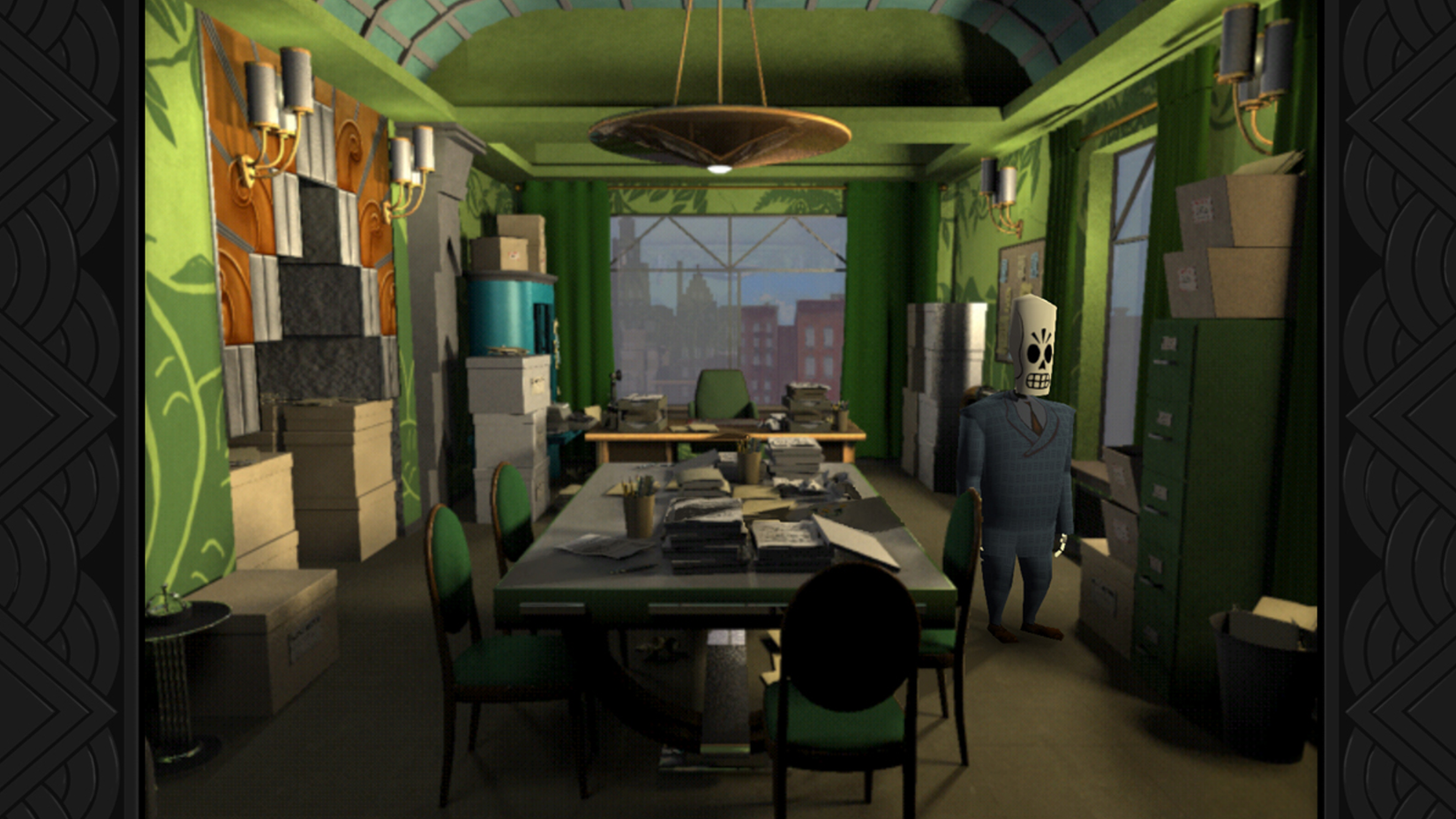
7. Grim Fandango: The Bureaucracy of Death
Drawing inspiration from the Aztec belief that souls must undertake a grueling four-year journey through the Land of the Dead, Grim Fandango is a masterclass in world-building. In this noir-drenched afterlife, death is not the end; it is merely the start of a tedious, bureaucratic slog.
The world expands as we follow Manny Calavera, a reaper who discovers that his company is cheating the system. The scope of the afterlife is vast, grimy, and filled with people who have simply given up on reaching eternal rest. By presenting the afterlife as a landscape of crime, corruption, and social stratification, Grim Fandango transforms an abstract, spiritual concept into a tangible, relatable world. It feels like a city where everyone is down on their luck, and the weight of their collective disillusionment makes the setting feel infinitely larger than any single room or puzzle.
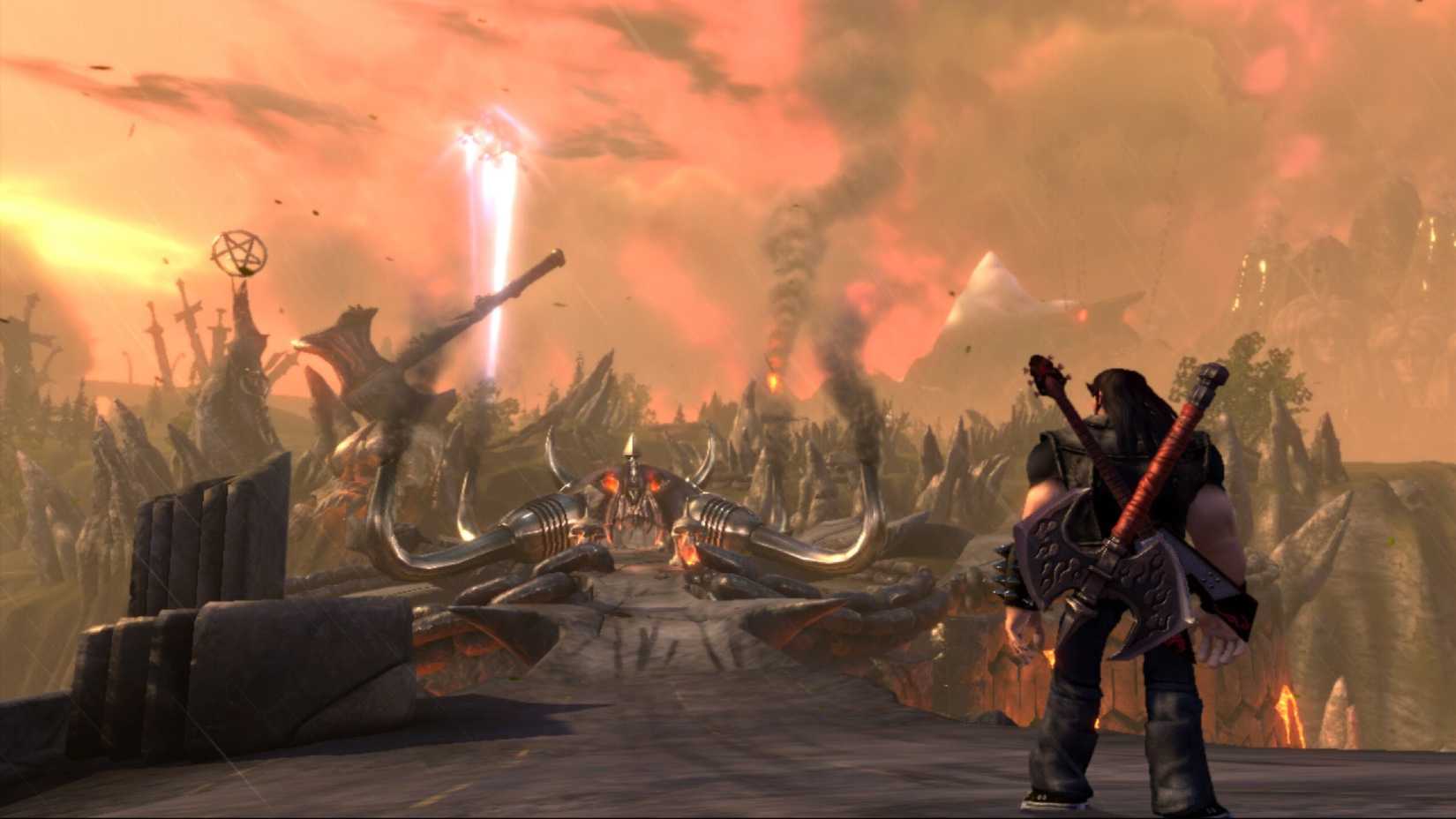
6. Brütal Legend: A Primordial Metal Odyssey
Tim Schafer’s Brütal Legend is a love letter to heavy metal, where the landscape itself is forged from the most iconic album covers in history. While the player initially assumes they have been transported to a fantasy realm, the narrative peels back the layers to reveal that the game is actually set in the distant, primordial past.
The revelation that the world is a cradle for the titans—and that humanity was a botched attempt by demons to recreate them—elevates the setting from a parody to a high-fantasy epic. The sense of scale here is derived from the "Legend" statues and the lore of the beast Ormagoden. By grounding its absurd aesthetic in a deep, surprisingly dark creation myth, Brütal Legend creates a world that feels mythic in scale, where the power of music is literally a force of nature.
5. Control: The Infinite Interior
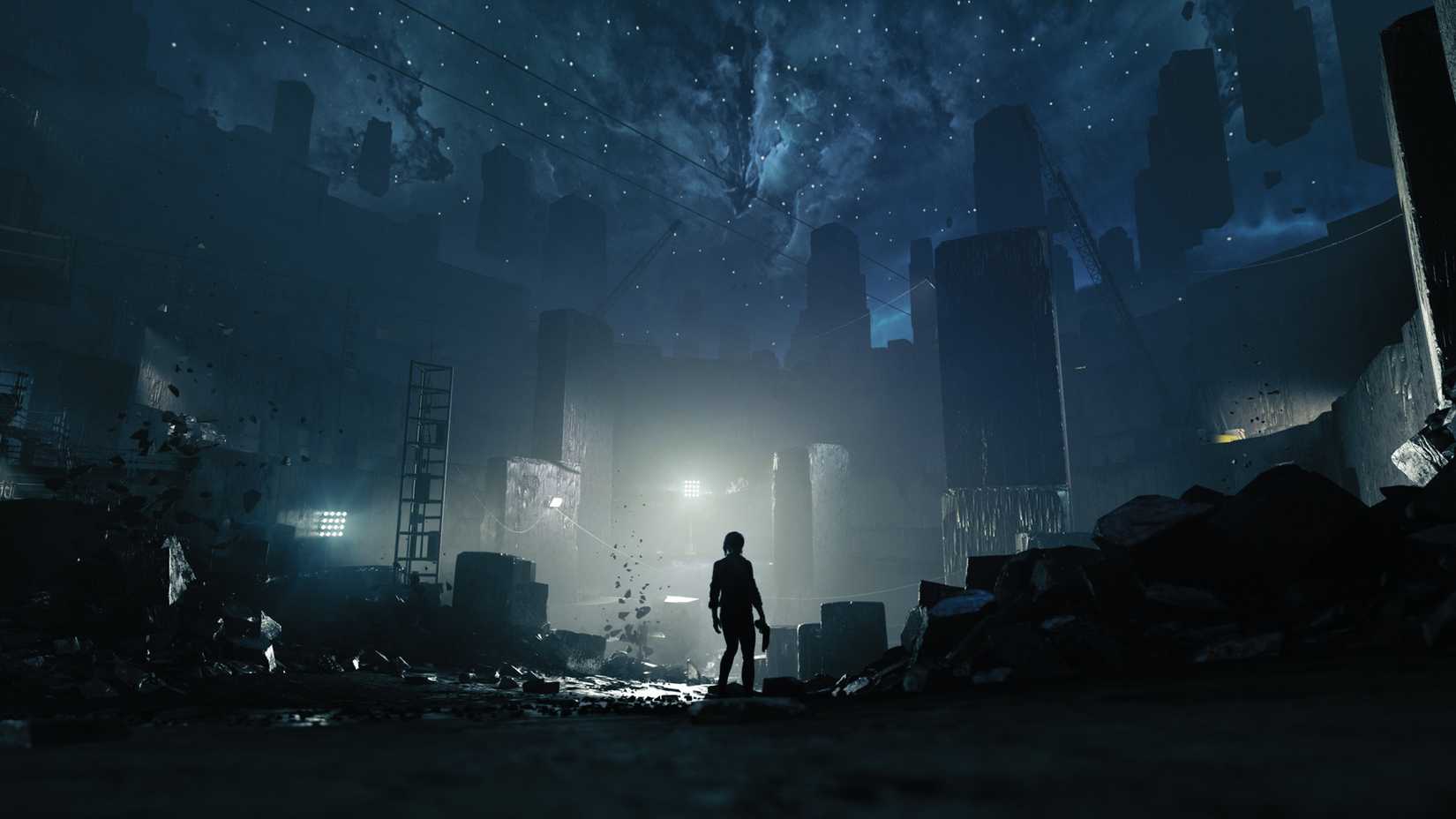
Control is the ultimate manifestation of "the unknown is terrifying." Set within the Oldest House—a shifting, supernatural government facility—the game treats the mundane world of office bureaucracy as a gateway to cosmic horror.
As Jesse Faden, players explore the facility, but the real expansion occurs through the sheer density of documentation. The Federal Bureau of Control (FBC) has been cataloging anomalies for decades, and as players read the files, they realize the Oldest House is just the tip of an iceberg that extends into other dimensions and realities. The game excels at making the player feel small within a space that is physically vast and conceptually infinite. The scope of the world is not just the rooms you traverse, but the vast, unknowable history of the universe that the FBC is barely managing to contain.
4. NieR Replicant: The Illusion of History
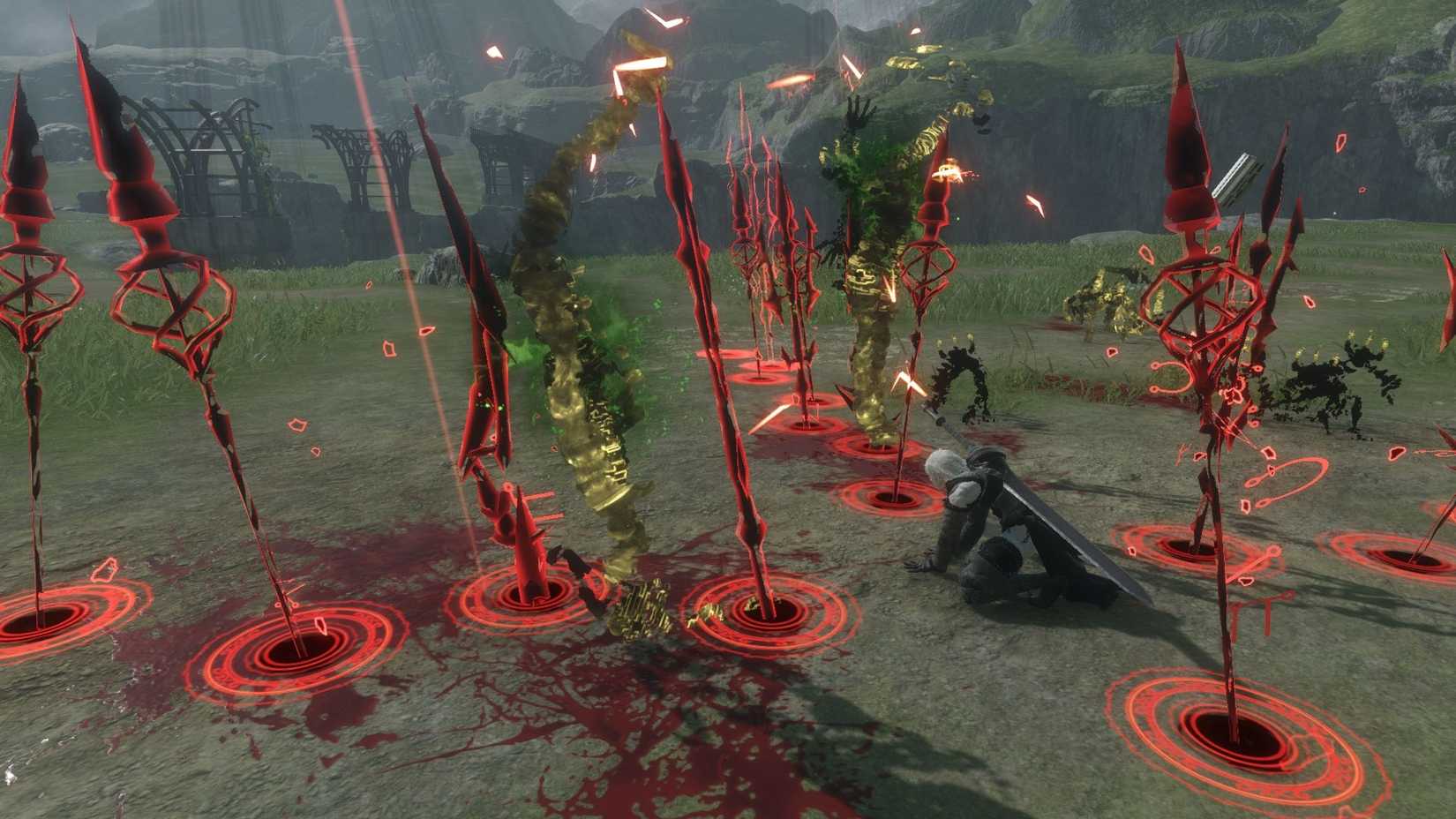
NieR Replicant begins with a simple, post-apocalyptic vignette, followed by a sudden jump to a serene fantasy village. The brilliance of the game lies in how it challenges the player’s perception of that village over multiple playthroughs.
Initially, it appears to be a standard fantasy setting, but as the game progresses, the player begins to notice the "bones" of an abandoned modern world: rusted, fractured skyscrapers and forgotten technology buried under the landscape. The revelation that the "humans" are actually artificial homunculi and that the "Shades" are the remnants of true humanity completely reframes the entire map. The world is a graveyard, and every location takes on a haunting significance once the truth of the apocalypse is uncovered.
3. Lies of P: The Rot Beneath the Clockwork
In Lies of P, the city of Krat is a masterpiece of environmental storytelling. What begins as a simple struggle for survival in an abandoned train station evolves into a deep dive into the machinations of the Alchemists and the mystery of the Petrification Disease.
The world of Krat feels incredibly dense because every enemy, every document, and every architectural detail contributes to the overarching conspiracy. The Puppet Frenzy, which initially seems like the primary conflict, is revealed to be a mere distraction orchestrated by Geppetto. By exploring the city, the player isn’t just navigating a map; they are unearthing the history of a civilization that destroyed itself through arrogance and unethical science.
2. God of War (2018): The Weight of Mythology
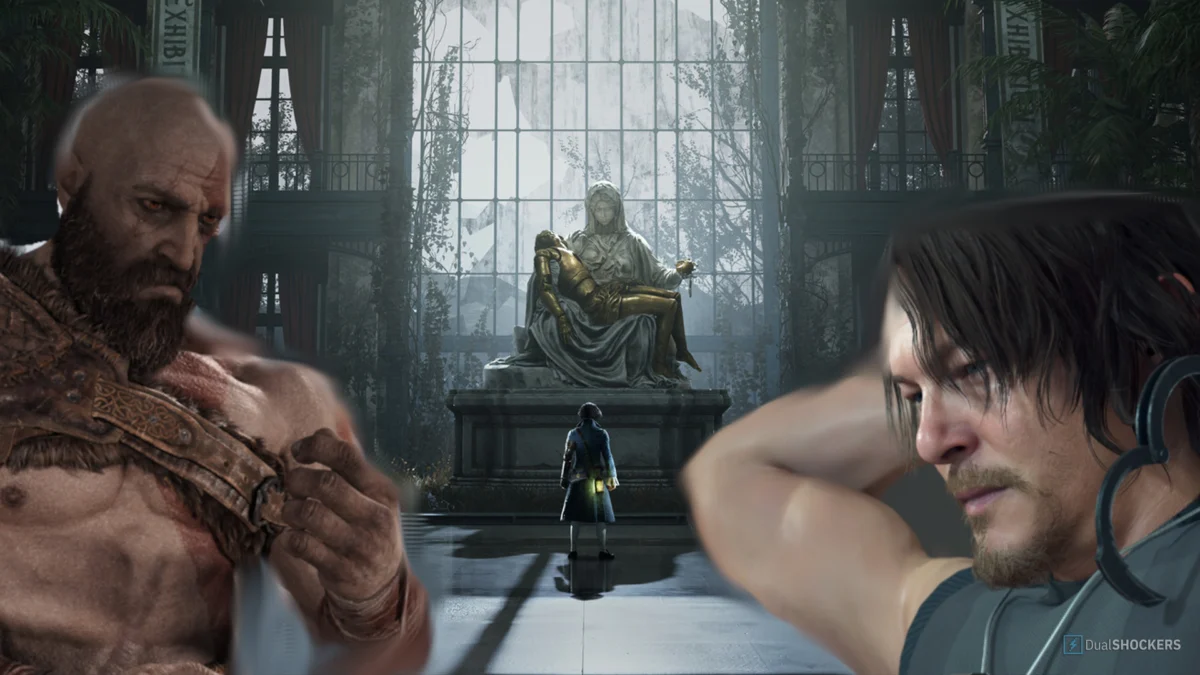
God of War (2018) is a masterclass in soft reboots. By moving Kratos from the Greek pantheon to the Norse realms, the game creates a sense of scale that feels both intimate and grand.
The world expands through Kratos’s relationship with his son, Atreus. As they travel to scatter Faye’s ashes, the player is introduced to the nine realms, each with its own history, politics, and divine inhabitants. The scope feels vast not because of how much space there is to walk, but because of how much history is packed into every encounter. Every conversation between father and son serves to deepen the player’s understanding of this new world, making it feel like a place with a past that existed long before we arrived and will continue long after we leave.
1. Death Stranding: The Information Age in Decline
Death Stranding is perhaps the most poignant exploration of connectivity in modern gaming. Set in a post-apocalyptic United States where the "Death Stranding" has isolated communities and shattered the flow of information, the game makes the player feel the weight of a dying world.
At the beginning, the world feels lonely, fractured, and empty. But as the player connects communities to the Chiral Network, they are literally rebuilding the world’s capacity to share information. The game’s genius lies in making the act of delivery a profound narrative event. We learn about the world not through exposition, but through the recovery of physical data and the stories of the people we reconnect. It is a slow, meditative expansion of the world that makes the final realization—that the world is once again a place where humanity can share its burdens—all the more impactful.
Conclusion: The Narrative Horizon
Whether it is the digital confines of CrossCode, the bureaucratic nightmares of Grim Fandango, or the desolate beauty of Death Stranding, the games that truly resonate are those that recognize world-building as a form of intellectual expansion. They remind us that the most significant journeys are not measured in miles, but in the depth of our understanding of the places we inhabit. In these titles, the map is never the territory; the territory is the sum of everything we learn, every character we meet, and every secret we uncover along the way.











No comments yet. Be the first to join the conversation!