Published June 29, 2026, 6:34 PM EDT
The critically acclaimed and globally beloved Persona role-playing game franchise by Atlus is set to make its highly anticipated leap to live-action television, with streaming giant Netflix reportedly developing a series adaptation. This ambitious project, which promises to bring the supernatural high school drama and psychological depth of the games to a broader audience, is being spearheaded by a formidable creative team, including the producers behind Netflix’s own genre-defining hit, Stranger Things.
Main Facts: A New Reality for Persona
Netflix is actively developing a live-action television series based on Atlus’s iconic Persona RPG franchise. The news, initially reported by Variety, signifies a major investment by the streamer in one of gaming’s most esteemed and unique intellectual properties. This adaptation aims to translate the games’ compelling blend of everyday high school life with thrilling supernatural adventures and deep psychological themes into a serialized format.
The production will involve a powerful triumvirate of companies and individuals known for their work in high-quality genre entertainment. Story Kitchen, a production company with a proven track record in successful video game adaptations, notably the Sonic the Hedgehog film franchise for Sega, is attached to the project. They are joined by 21 Laps, the production company founded by Shawn Levy, a prominent figure in Hollywood known for directing blockbusters like Deadpool & Wolverine and Free Guy, and for his executive producer role on Netflix’s immensely popular Stranger Things.
Christopher Monfette has been tapped to serve as the showrunner and executive producer, in addition to writing the adaptation. Monfette’s extensive experience in crafting intricate narratives for genre television includes roles as a writer and producer on critically acclaimed series such as Star Trek: Picard, Syfy’s 12 Monkeys, and Fox’s 9-1-1. He is also involved as a writer and producer on Marvel Television’s forthcoming VisionQuest for Disney Plus, further solidifying his credentials in handling complex, serialized storytelling within established universes.
While the project is still in development and not yet considered a "done deal" in the final production sense, its current trajectory underscores Netflix’s continued, strategic investment in adapting popular video game franchises. The involvement of such high-profile producers and a seasoned showrunner suggests a serious commitment to bringing the distinctive world of Persona to life. The Persona games, renowned for their stylish aesthetics, memorable characters, and exploration of Jungian psychology, offer fertile ground for a television series that could captivate both long-time fans and newcomers alike.
Chronology: Persona’s Evolution and Netflix’s Adaptation Journey
The journey of Persona from a niche RPG to a global phenomenon, and Netflix’s parallel path in video game adaptations, provides crucial context for this new announcement.
The Genesis and Growth of the Persona Franchise
The Persona series originated in 1996 with Revelations: Persona for the original PlayStation. It began as a spin-off of Atlus’s darker, more mature Shin Megami Tensei series, but quickly carved out its own identity. While retaining the demon-summoning and apocalyptic undertones of its parent series, Persona introduced a unique focus on high school students, social simulation, and Jungian psychology, where characters summon manifestations of their inner selves, known as Personas.
Over the decades, the franchise has seen significant evolution across its mainline entries and numerous spin-offs:
- 1996: Persona (originally Revelations: Persona) sets the foundation.
- 1999-2000: Persona 2: Innocent Sin and Persona 2: Eternal Punishment expand the narrative and character development.
- 2006 (JP), 2007 (NA): Persona 3 revolutionizes the series with its distinct blend of social simulation and dungeon crawling, introducing the iconic calendar system and "social links." This entry is often credited with propelling Persona into wider recognition.
- 2008 (JP), 2009 (NA): Persona 4 refines the formula, offering a vibrant rural setting and a compelling murder mystery, further cementing the series’ popularity. Its enhanced version, Persona 4 Golden, is widely celebrated.
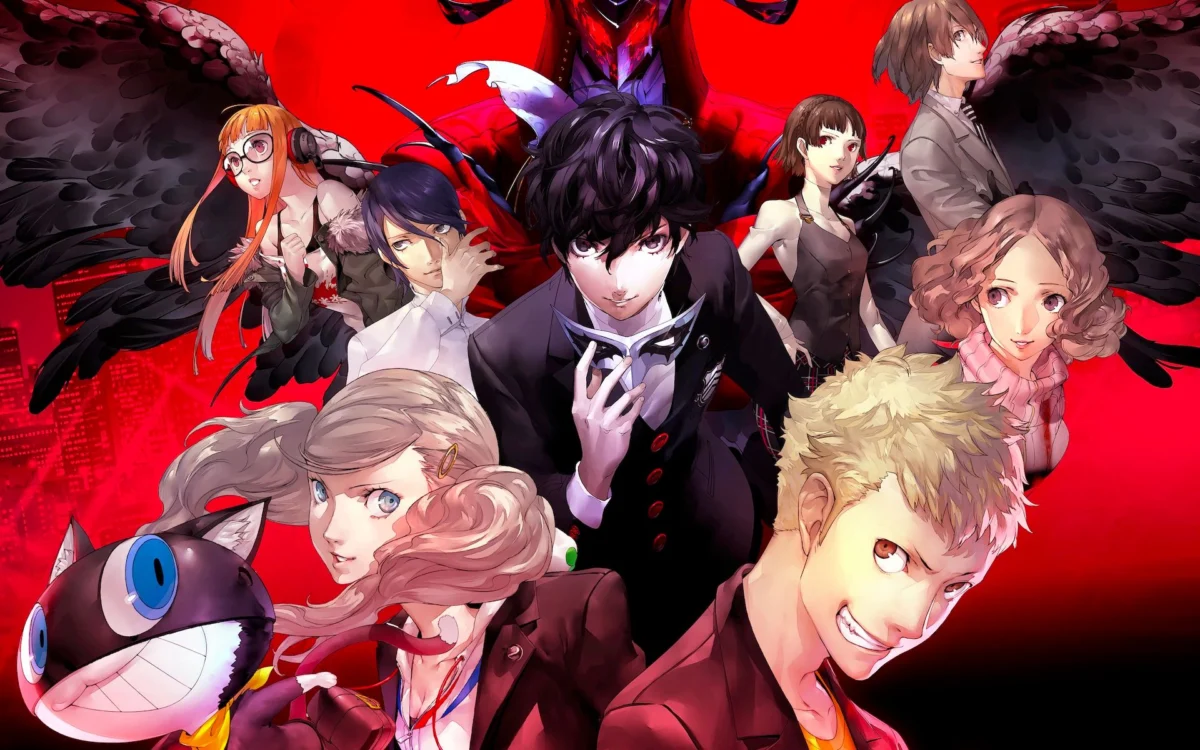
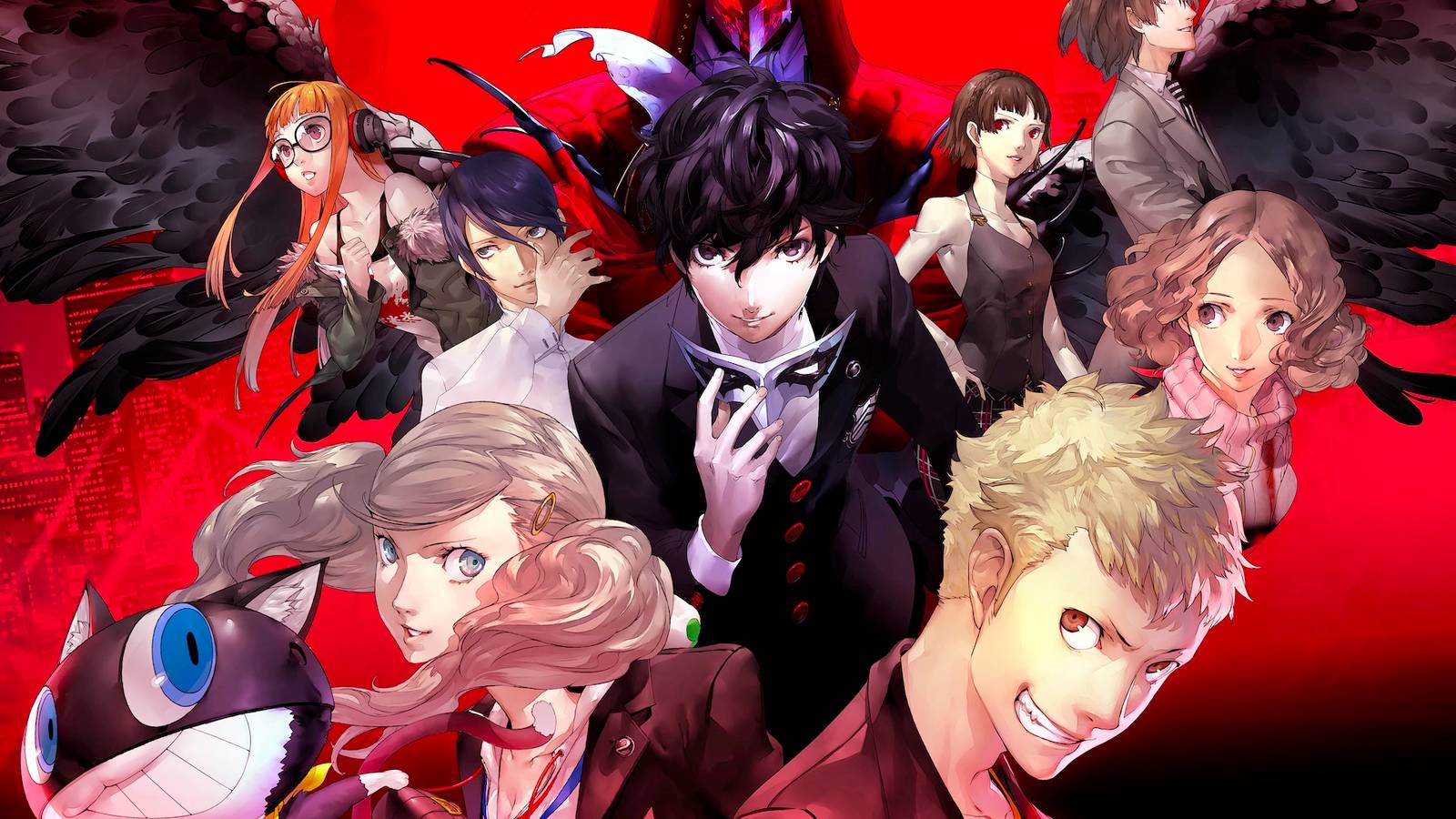
- 2016 (JP), 2017 (NA): Persona 5 (and its expanded version, Persona 5 Royal) achieves unprecedented global success, bringing the franchise to mainstream prominence with its striking visual style, engaging narrative about "Phantom Thieves of Hearts," and refined gameplay mechanics. It became a cultural touchstone, recognized for its art direction, music, and character development.
- Early June 2026: Atlus officially announced Persona 6, though details regarding its release date and specific platforms remain under wraps, fueling immense anticipation within the gaming community.
- February 18, 2027: The franchise is set to revisit its past with the launch of Persona 4: Revival, a highly anticipated remaster of the 2008 classic, slated for PlayStation 5, Windows PC, and Xbox Series X. This release underscores the enduring appeal and commercial viability of earlier titles in the series.
This rich history, marked by consistent innovation and growing popularity, makes Persona a prime candidate for multimedia expansion.
Netflix’s Expanding Universe of Game Adaptations
Netflix’s strategy to adapt popular video game intellectual properties has been both aggressive and varied. The streamer has seen considerable success in the animated sphere, transforming beloved game narratives into compelling series:
- Arcane (League of Legends): A critical and commercial darling, Arcane redefined what animated video game adaptations could achieve, earning widespread acclaim for its storytelling, animation quality, and character development.
- Castlevania: Another triumph, the animated Castlevania series successfully captured the gothic horror and action of the Konami games, building a dedicated following over multiple seasons.
- Cyberpunk 2077: Edgerunners: This anime adaptation breathed new life into the Cyberpunk 2077 universe, earning praise for its emotional depth and stylistic flair.
- Devil May Cry and Tomb Raider: These animated projects further illustrate Netflix’s commitment to diverse gaming IPs, catering to different fan bases.
However, Netflix’s track record with live-action video game adaptations has been more mixed. While the ambition is clear, the execution has faced challenges:
- Resident Evil: The live-action Resident Evil series was met with a largely negative critical and audience reception, leading to its cancellation after just one season. This project serves as a cautionary tale regarding the difficulties of translating game lore and tone into a live-action format that satisfies both existing fans and new viewers.
- BioShock Movie: A live-action BioShock film is currently in development at Netflix, highlighting their continued pursuit of high-profile game properties despite past setbacks.
The decision to pursue a live-action Persona series, especially with the caliber of talent involved, signals Netflix’s determination to crack the live-action video game adaptation code. It reflects a learning curve and an evolving strategy, likely informed by both the successes of Arcane and the lessons from Resident Evil.
Supporting Data: The Case for Persona’s Adaptation Potential
The Persona franchise is not merely a collection of successful video games; it’s a cultural phenomenon ripe for adaptation, backed by its immense popularity, thematic depth, and a proven track record of multimedia ventures.
The Unparalleled Success of the Persona Franchise
The commercial and critical success of the Persona series, particularly Persona 5, provides a strong foundation for a live-action adaptation.
- Commercial Juggernaut: Persona 5 alone has sold over 7.2 million units worldwide as of early 2024, making it Atlus’s best-selling game. The franchise as a whole has sold over 17 million copies globally. These figures demonstrate a massive, engaged audience ready to consume Persona content across different mediums.
- Critical Acclaim: The mainline Persona games consistently receive high praise from critics for their innovative gameplay, mature storytelling, memorable characters, and iconic soundtracks. Persona 5 garnered numerous Game of the Year awards and nominations, cementing its status as a modern classic.
- Cultural Impact: Beyond sales and awards, Persona has cultivated a dedicated and passionate global fanbase. Its distinctive art style, philosophical themes, and stylish presentation have influenced popular culture, resonating deeply with players who connect with its exploration of identity, rebellion, and social pressures. The games’ soundtracks are celebrated, and their character designs are instantly recognizable.
Why Persona is "Perfect TV Fodder"
The core conceit of the Persona games inherently lends itself to episodic television:
- Supernatural High School Drama: The series typically centers on a group of Japanese high school students who lead dual lives. By day, they navigate the complexities of adolescence – friendships, academics, part-time jobs, and personal growth. By night, they delve into a metaphysical realm, battling manifestations of human cognition and societal corruption. This "normal life/secret life" duality is a classic narrative trope that provides constant dramatic tension and character development opportunities.
- Jungian Psychology and Thematic Depth: Persona delves into sophisticated psychological concepts, exploring archetypes, shadows, and the collective unconscious. Each character struggles with their inner demons, which often manifest as powerful Personas. This provides rich material for character arcs, emotional resonance, and thought-provoking narratives that can appeal to a mature audience.
- Social Simulation (Social Links/Confidants): A hallmark of the modern Persona games is the "Social Link" or "Confidant" system, where players build relationships with various non-player characters. These interactions deepen the narrative, provide character backstories, and often tie into the main plot. A TV series could adapt this by dedicating episodes or subplots to the development of these crucial interpersonal relationships, making the world feel lived-in and the characters more relatable.
- Visual Style and Music: The games are renowned for their vibrant, anime-inspired aesthetics and critically acclaimed jazz-fusion soundtracks. While translating this directly to live-action is a challenge, the distinct visual language and musical motifs can inspire the show’s direction, creating a unique and stylish viewing experience.
The Expertise Behind the Adaptation
The involvement of Story Kitchen, 21 Laps, and Christopher Monfette provides a strong foundation for the series’ potential success.
Story Kitchen’s Video Game Adaptation Acumen: Story Kitchen has demonstrated an understanding of how to translate video game mechanics and narratives into successful cinematic experiences with the Sonic the Hedgehog film franchise. These films managed to capture the spirit of the games while appealing to a broad family audience, a crucial balance that will be needed for Persona. Their experience suggests an ability to respect source material while making necessary adjustments for a new medium.
21 Laps and Shawn Levy’s Genre Prowess: Shawn Levy’s 21 Laps Entertainment is synonymous with high-quality, character-driven genre content.
- Stranger Things: Levy’s role as an executive producer on Stranger Things is particularly relevant. Stranger Things masterfully blends supernatural mystery, coming-of-age drama, and compelling character development, often focusing on a group of young protagonists navigating extraordinary circumstances. This mirrors the core appeal of Persona almost perfectly. Levy’s company understands how to build a loyal fanbase, manage a complex ensemble cast, and deliver high-stakes emotional narratives.
- Other Works: Levy’s directorial work on films like Free Guy (a video game-inspired action-comedy) and his involvement with the upcoming Deadpool & Wolverine further showcase his versatility and ability to handle projects that blend action, humor, and heart – elements all present in Persona.
Christopher Monfette’s Sci-Fi/Fantasy Storytelling Background: As the attached showrunner and writer, Christopher Monfette brings significant experience in crafting intricate, serialized narratives within complex universes.
- Star Trek: Picard & 12 Monkeys: His work on these shows demonstrates an ability to navigate established science fiction lore, develop multi-season arcs, and explore character depth within high-concept settings. 12 Monkeys, in particular, was praised for its clever time-travel narrative and emotional core.
- 9-1-1: His experience on 9-1-1 suggests an ability to balance episodic drama with overarching plotlines and manage a large cast.
- VisionQuest (Marvel Television): His involvement with an upcoming Marvel series further cements his standing in the genre space, indicating a familiarity with adapting beloved IPs for a discerning audience.
Monfette’s background suggests he possesses the narrative skills necessary to tackle Persona‘s blend of grounded reality and fantastical elements, its ensemble cast, and its deep thematic underpinnings.
Official Responses: Anticipation and Awaiting Confirmation
As of the initial report, the primary source of this groundbreaking news remains Variety. This means that specific, detailed official statements from Netflix, Atlus, Story Kitchen, or 21 Laps are largely pending or limited to the information provided in the Variety exclusive.

Typically, when such a high-profile project is in early development, official parties maintain a degree of silence until key milestones are reached, such as securing full funding, finalizing cast members, or beginning principal photography. This allows them to manage expectations and control the narrative around the project.
What We Can Infer and Anticipate:
- Netflix’s Stance: While no direct quote has been released by Netflix beyond the Variety report, their continued investment in video game adaptations speaks volumes. Their actions demonstrate a clear strategy to diversify their content library with established IPs that come with built-in fanbases. The involvement of Stranger Things producers strongly implies confidence in the project’s potential to become a tentpole series.
- Atlus’s Perspective: For Atlus, the creators of Persona, a live-action series on a global platform like Netflix represents an unparalleled opportunity for international brand expansion. While they would likely maintain creative oversight to ensure fidelity to the source material, the potential for new fans to discover the games and for existing fans to engage with the franchise in a new way would be immense. Any future statement from Atlus would likely emphasize their excitement for this new chapter and their commitment to preserving the essence of Persona.
- Production Companies’ Outlook: Story Kitchen and 21 Laps would undoubtedly highlight their enthusiasm for the project and their belief in Persona‘s narrative potential. Their statements would likely focus on the creative vision, the strength of the source material, and their commitment to delivering a high-quality adaptation. Christopher Monfette, as showrunner, would likely express his passion for the series and his approach to translating its unique elements for television.
Fan Reaction: The announcement has already generated significant buzz across social media platforms and gaming forums. The Persona fanbase is famously passionate and discerning. Early reactions are a mix of intense excitement for the prospect of a live-action adaptation and cautious optimism, coupled with understandable anxieties about how faithfully the series will capture the games’ distinct tone, intricate plotlines, and beloved characters. Many are eager for details on which Persona game the series will adapt (or if it will be an original story within the universe) and how iconic elements like Personas, the Velvet Room, and the social simulation aspects will be visualized. Official responses, when they come, will be critical in shaping public perception and building confidence among the dedicated community.
Implications: The Future of Persona and Video Game Adaptations
The development of a live-action Persona TV series carries significant implications for Netflix, Atlus, the broader gaming industry, and the landscape of multimedia entertainment.
For Netflix: A High-Stakes Gamble with High Potential Reward
For Netflix, this project represents a continuation of its aggressive strategy to dominate the video game adaptation space.
- Strengthening Live-Action Portfolio: If successful, Persona could finally provide Netflix with a critically acclaimed and popular live-action video game series, filling a gap where past attempts like Resident Evil have faltered. This would significantly bolster its content library and appeal to a vast, underserved audience.
- Attracting a Global Audience: The Persona franchise has a dedicated global fanbase, particularly strong in Japan, North America, and Europe. A successful series could attract millions of new subscribers and deepen engagement with existing ones, potentially becoming a flagship series akin to The Witcher or Arcane.
- Brand Synergy: A successful Persona series would create powerful brand synergy, driving interest back to the games (including the upcoming Persona 6 and Persona 4: Revival) and other merchandise, establishing Netflix as a key player in the Persona ecosystem.
- Financial Investment and Risk: Adapting a visually complex and narratively rich RPG like Persona will require substantial financial investment in production values, special effects, and talent. The risk is high, given the mixed track record of live-action game adaptations, but the potential reward of a multi-season hit is immense.
For Atlus and Sega: Expanding a Beloved Universe
For Atlus, the game developer, and its parent company Sega, this Netflix series offers an unprecedented opportunity.
- Increased Global Visibility: A live-action series on Netflix would expose the Persona franchise to millions of viewers worldwide who may not be traditional gamers. This could lead to a significant surge in interest for the video games, boosting sales of current and future titles.
- New Revenue Streams: Licensing agreements for a major Netflix series would provide substantial financial benefits to Atlus and Sega, further solidifying Persona as a multimedia powerhouse.
- Reinforcing IP Value: The series would cement Persona‘s status as a premier entertainment IP, capable of transcending its gaming origins and competing with other major franchises in film and television. This could pave the way for adaptations of other Atlus titles or even other Sega properties.
For the Gaming Industry: Further Legitimacy for Adaptations
The success of a Persona live-action series would further legitimize video games as a rich source of material for prestige television.
- Raising the Bar: Following the critical acclaim of Arcane, a successful live-action Persona would set a new benchmark for quality and ambition in game adaptations, encouraging other studios to invest more heavily and carefully in translating beloved IPs.
- Shifting Perceptions: It would help to dispel the long-held notion that video game adaptations are inherently cursed or destined to fail, fostering greater confidence among creators, investors, and audiences.
Creative Challenges and Opportunities
While the potential is vast, adapting Persona to live-action presents unique creative challenges that Monfette and his team will need to navigate carefully.
- Tone and Style: The games blend lighthearted high school antics with dark, psychological horror and philosophical introspection. Maintaining this delicate balance in live-action without veering into camp or overly grim territory will be crucial. The games’ distinctive visual flair and music are also integral to their appeal.
- Visualizing Personas and the "Other World": The summoning of Personas and battles in metaphysical realms (like Palaces or the Metaverse) are visually spectacular in the games. Translating these supernatural elements and elaborate boss fights to live-action with convincing special effects, while retaining their symbolic meaning, will be a significant undertaking.
- Social Links/Confidants: The social simulation aspect is central to Persona‘s narrative and character development. The series will need to find an engaging way to integrate these interpersonal relationships into the main plot, allowing characters to grow and their Personas to strengthen, without feeling like a mere checklist of interactions.
- Pacing and Story Arc: The games are incredibly long, often spanning 80-100 hours of gameplay. A TV series will need to carefully select and condense narratives, deciding whether to adapt a single game (like Persona 5), combine elements from multiple entries, or create an entirely new story within the Persona universe. The episodic nature of television offers an advantage here, allowing for character development and plot progression over multiple seasons.
- Japanese Cultural Context: The Persona games are deeply rooted in Japanese culture, exploring themes relevant to its society and educational system. The adaptation will need to decide how to present this cultural specificity to a global audience, ensuring authenticity while remaining accessible.
- Casting: Finding the right actors to embody the beloved, iconic characters like Joker, Morgana, Ann, Ryuji, and others will be critical. The chemistry among the ensemble cast will be paramount to the series’ success.
Future Outlook
The development of a Persona live-action series marks an exciting new chapter for the franchise and for Netflix’s video game adaptation ambitions. With the creative minds behind Stranger Things and a seasoned showrunner at the helm, the project has the potential to become a genre-defining series, proving that video game adaptations can indeed thrive in live-action. As details emerge and the project progresses, the global fanbase will be watching intently, eager to see how the Phantom Thieves, or whichever cast of Persona-users takes center stage, will steal the hearts of a new generation of viewers. The stakes are high, but for a franchise built on challenging fate and forging new realities, the prospect of a live-action Persona series feels like destiny.