

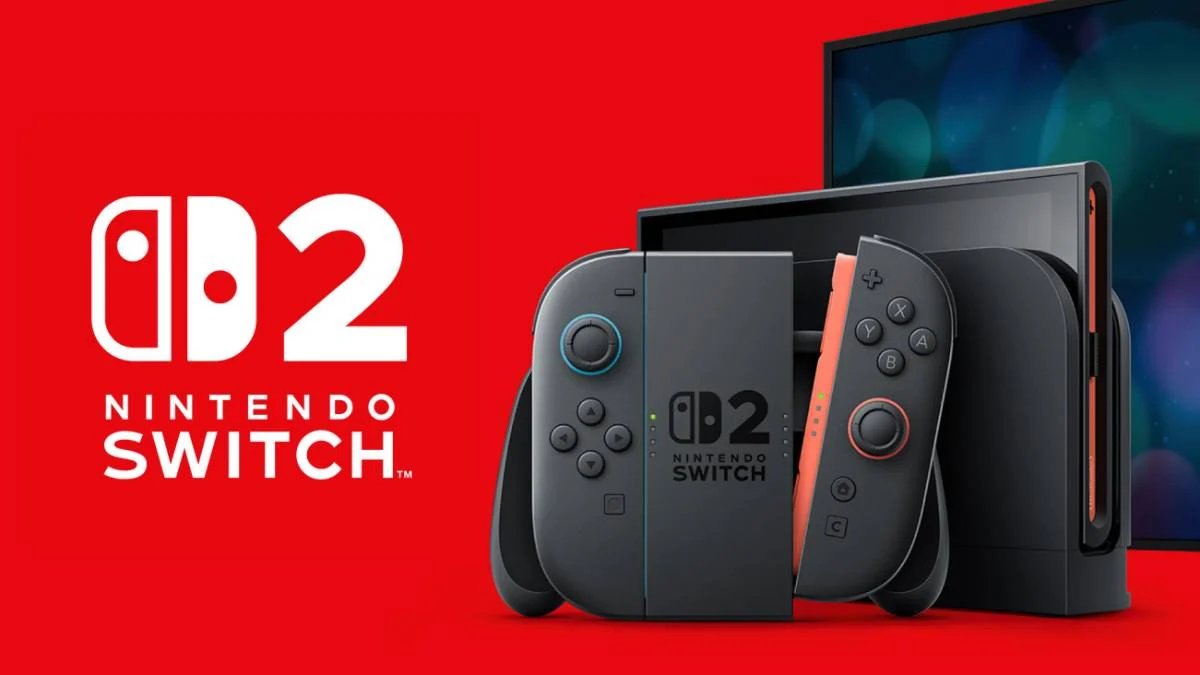
In a move that marks a significant shift in the gaming landscape for 2026, Nintendo has officially confirmed a sweeping restructuring of its pricing strategy. Citing a volatile convergence of global economic pressures—ranging from component shortages to international trade instability—the Kyoto-based giant will increase the MSRP (Manufacturer’s Suggested Retail Price) for its flagship Switch and upcoming Switch 2 hardware, alongside its historic line of playing cards and Hanafuda products.
This development arrives at a critical juncture for the gaming industry, mirroring recent similar adjustments made by Sony for its PlayStation hardware. As consumers grapple with the rising cost of living, Nintendo’s decision reflects the harsh realities of a global supply chain increasingly strained by geopolitical tensions and technological resource competition.
The Core Facts: What You Need to Know
Nintendo’s official announcement, released on May 8, 2026, outlines a tiered approach to these price increases, categorized by region and product line. The primary drivers for these adjustments include persistent memory (RAM) supply constraints—largely attributed to the massive demand for AI-driven hardware—as well as inflationary shipping costs and the impact of broad-reaching global tariffs.
Hardware Adjustments
- North America (US & Canada): Consumers will see a $50 increase in the retail price for both the Nintendo Switch and the Switch 2. These changes are scheduled to take effect on September 1, 2026.
- Europe: A localized adjustment of €30 will be applied to the current and next-generation consoles, also effective September 1, 2026.
- Japan: The domestic market faces the most immediate impact, with a ¥10,000 price hike across console hardware starting May 25, 2026.
Traditional Goods and Services
- Card Games: In Japan, Nintendo is raising the prices for its foundational product lines, including Hanafuda, Kabufuda, and standard playing cards featuring iconic properties like Super Mario, The Legend of Zelda, and Splatoon. This change will also occur on May 25, 2026.
- Nintendo Switch Online (NSO): Currently limited to the Japanese market, the cost for NSO subscriptions will rise significantly starting July 1, 2026. For example, a 12-month individual membership will move from ¥2,400 to ¥3,000, while the Family plan will jump from ¥4,500 to ¥5,800.
Chronology of the Shift
To understand the scope of these changes, one must look at the timeline Nintendo has established for the rollout of these new prices. The company has opted for a phased implementation to provide retailers and consumers with a brief window of stability.
- May 8, 2026: Official announcement issued via Nintendo’s corporate relations portal.
- May 25, 2026: Effective date for price hikes in Japan. This includes both hardware and the company’s traditional playing card catalog.
- July 1, 2026: Effective date for the increased costs of Nintendo Switch Online (NSO) subscription tiers in Japan.
- September 1, 2026: Global implementation for North American and European hardware markets. Until this date, prices at major retailers—such as Amazon, Best Buy, and others—will remain at current levels, potentially creating a short-term surge in "last-chance" buying.
Supporting Data: The Economic Drivers
Nintendo’s decision is not occurring in a vacuum. The company’s corporate statement highlighted several external variables that have forced their hand in protecting margins.
The AI-Memory Crunch
The global tech sector is currently in the grip of a "memory crisis." As major technology firms race to build out massive data centers for generative AI, the demand for high-bandwidth memory and advanced RAM chips has surged. This has created a scarcity of components that directly overlap with the specifications required for modern gaming consoles, forcing Nintendo to compete with trillion-dollar entities for supply.
Geopolitical Instability and Trade Policy
The report specifically cites two major factors that have disrupted the "business as usual" model for the company:
- Global Tariff Shifts: Following the implementation of new trade policies under the current administration, the cost of importing finished electronics into North America has risen.
- US-Iran Conflict and Shipping: Ongoing geopolitical tensions in the Middle East have caused a ripple effect in global logistics. With major shipping lanes experiencing increased risk and insurance premiums, the cost of moving goods from manufacturing hubs in Asia to global storefronts has climbed to levels not seen in years.
The "Sony Effect"
Industry analysts have noted that Nintendo is following in the footsteps of Sony. Earlier in the year, Sony raised the prices of the PlayStation 5 and the PlayStation Portal, citing similar inflationary pressures. Nintendo’s decision confirms a trend where "premium" gaming hardware is no longer shielded from the broader macroeconomic realities facing other consumer electronics.
Official Responses and Corporate Strategy
Nintendo has been careful to frame these increases as a necessity for "maintaining sustainable operations" while continuing to invest in high-quality gaming experiences.
In its statement, Nintendo emphasized that the decision to raise prices on its traditional card games—a business segment that predates their entry into video games by over a century—was strictly due to "increased material prices." The paper, ink, and specialized production processes required for high-quality Hanafuda decks have seen significant cost escalations. By bundling these increases with the console hardware adjustments, Nintendo is attempting to streamline its corporate response to global inflation across all divisions.
Regarding the Nintendo Switch Online price hike in Japan, the company suggests that the added value provided by the Expansion Pack and the consistent growth of the retro library necessitates a price floor that better reflects the current maintenance costs of cloud infrastructure.
Implications for the Consumer and the Industry
The announcement has sent ripples through the gaming community, raising several concerns regarding the future of the Switch 2 and the accessibility of gaming as a hobby.
Impact on the "Switch 2" Launch
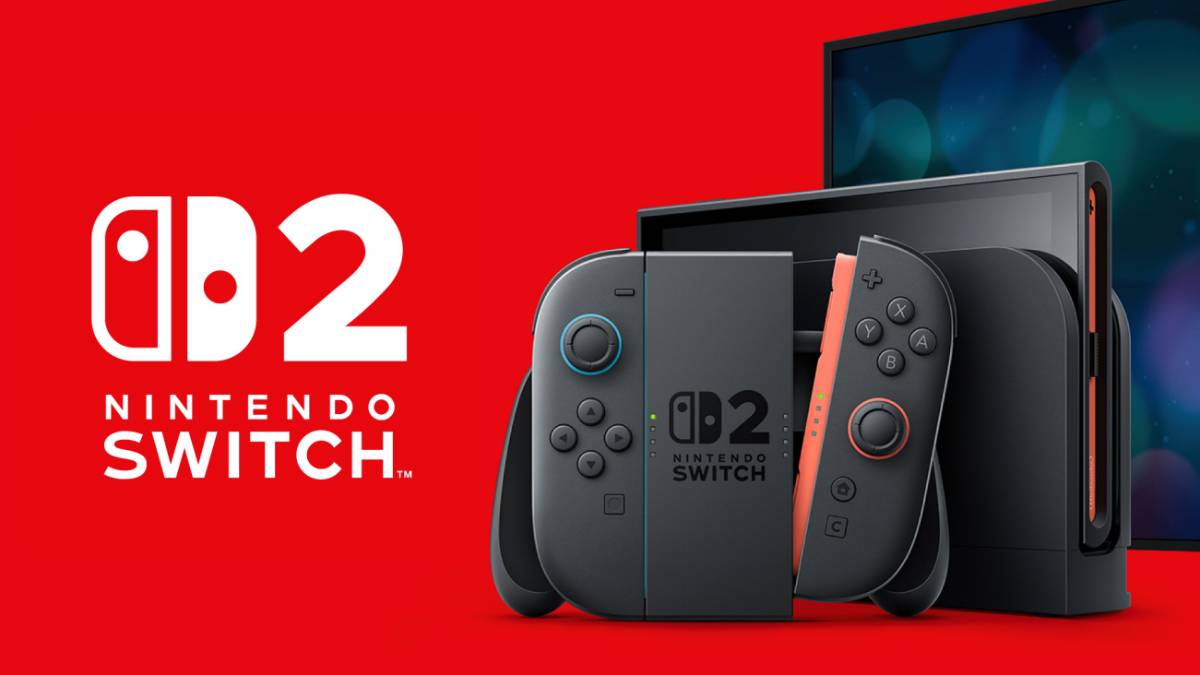
The Switch 2 was already one of the most anticipated pieces of hardware in recent memory. With a $50 price increase attached to it, some analysts fear that it could dampen the initial momentum of the launch. However, given Nintendo’s brand loyalty, many believe that the core user base will absorb the cost, provided the hardware delivers the expected performance leap.
The Retail "Gold Rush"
Because the North American price hikes are not effective until September, the summer of 2026 is expected to be a period of high volume for retail electronics. Consumers looking to purchase a Nintendo Switch or lock in a potential pre-order for the Switch 2 may rush to make their purchases before the September deadline. This will likely lead to localized inventory shortages throughout the summer months.
The Future of Subscription Services
While the NSO price hike is currently limited to Japan, history suggests that these changes often set a precedent for global rollout. If the Japanese market responds with relative stability, it is highly probable that Nintendo will announce similar adjustments for the US, Canada, and European NSO tiers in late 2026 or early 2027.
Long-Term Hardware Strategy
Nintendo’s willingness to raise the price of a console that is already deep into its product life cycle (the original Switch) indicates a shift in corporate philosophy. Historically, Nintendo has been reluctant to raise prices on existing hardware, often opting to introduce "lite" or "budget" versions instead. This current shift underscores how significantly the global economic landscape has changed.
Conclusion
As September 1, 2026, approaches, the gaming world watches closely to see how these adjustments will impact sales velocity and consumer sentiment. For Nintendo, the goal is clear: navigate the storm of supply chain shortages, tariff fluctuations, and geopolitical volatility without sacrificing the quality that defines the brand. Whether these measures will be enough to shield the company from further economic turbulence remains to be seen, but one thing is certain—the era of stable, long-term pricing for gaming consoles is facing its most significant test in decades.
For consumers, the advice is simple: if you have been holding out for a new console, the next few months represent a vital window of opportunity before the "new normal" of 2026 pricing takes full effect.












No comments yet. Be the first to join the conversation!