

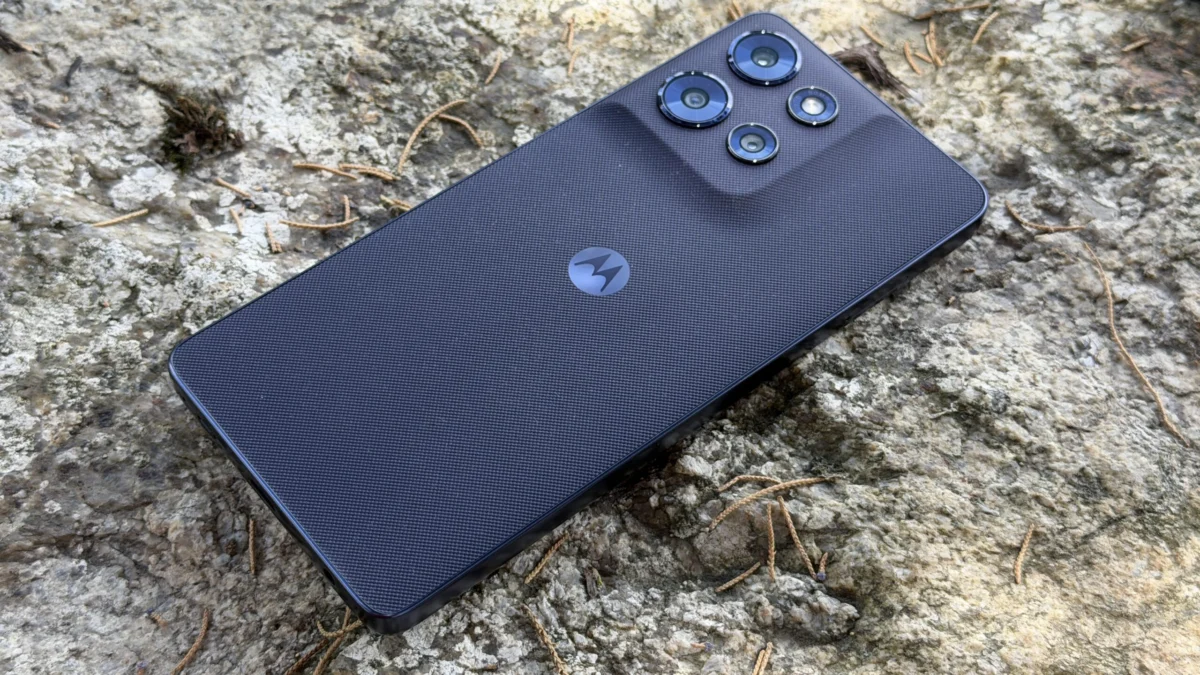
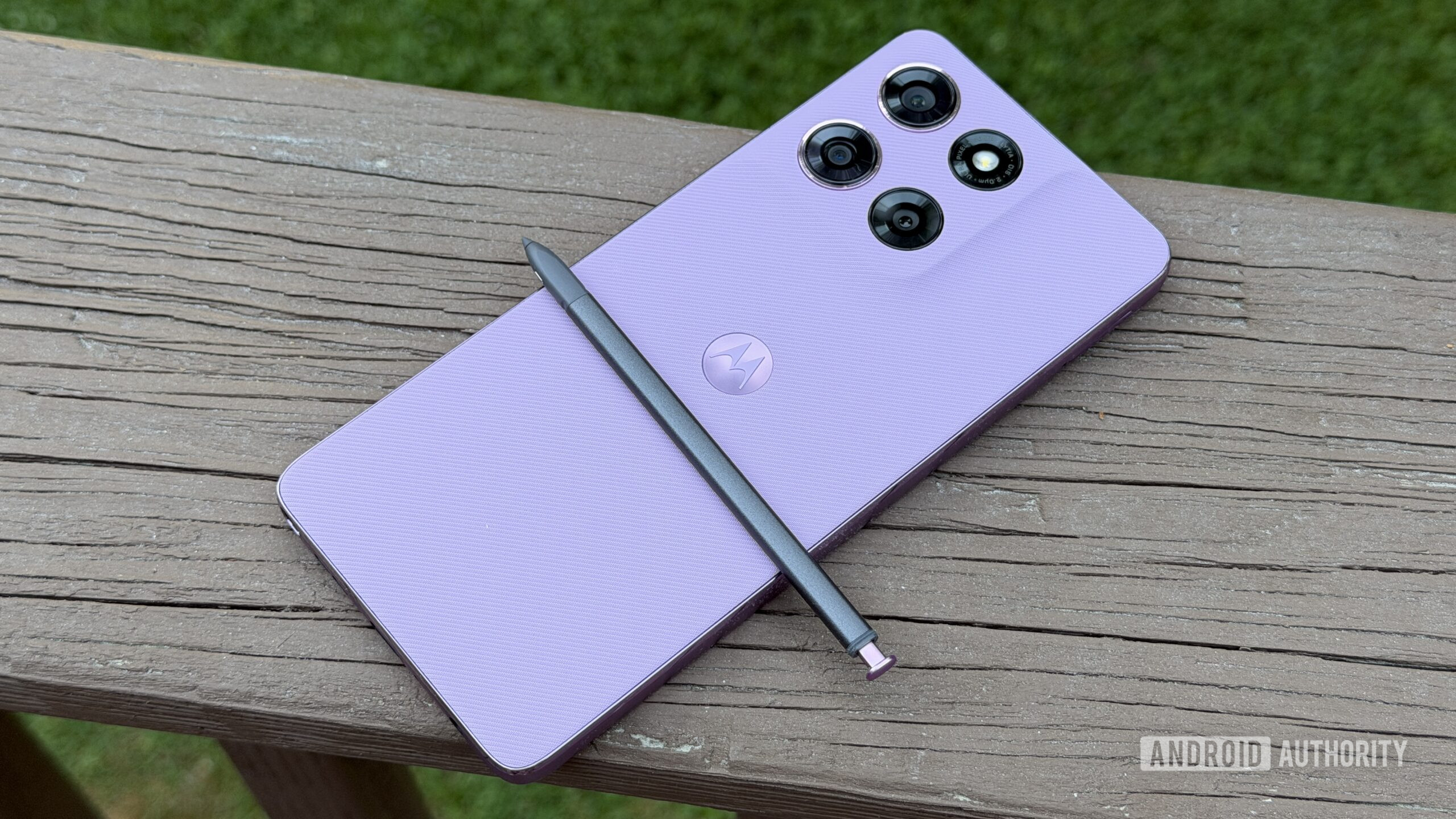
The smartphone market has shifted dramatically over the past few years. Once the undisputed champion of the budget-to-midrange segment, Motorola’s "Moto G" series is currently facing an existential identity crisis. With the arrival of the Moto G Power (2026), the manufacturer finds itself competing not just against rivals, but against the rapidly evolving standards of its own previous successes. While the device retains the hallmarks that once made the G Power a household name—durability, expandable storage, and a reliable, no-nonsense build—the $400 price tag raises significant questions about its value proposition in a market now saturated with high-performance, long-supported alternatives.
The State of Play: Main Facts and Specifications
The Moto G Power (2026) arrives with a specific set of hardware goals: to provide a balanced, utilitarian experience for the average consumer. However, a deep dive into the spec sheet reveals a potential disconnect between price and performance.
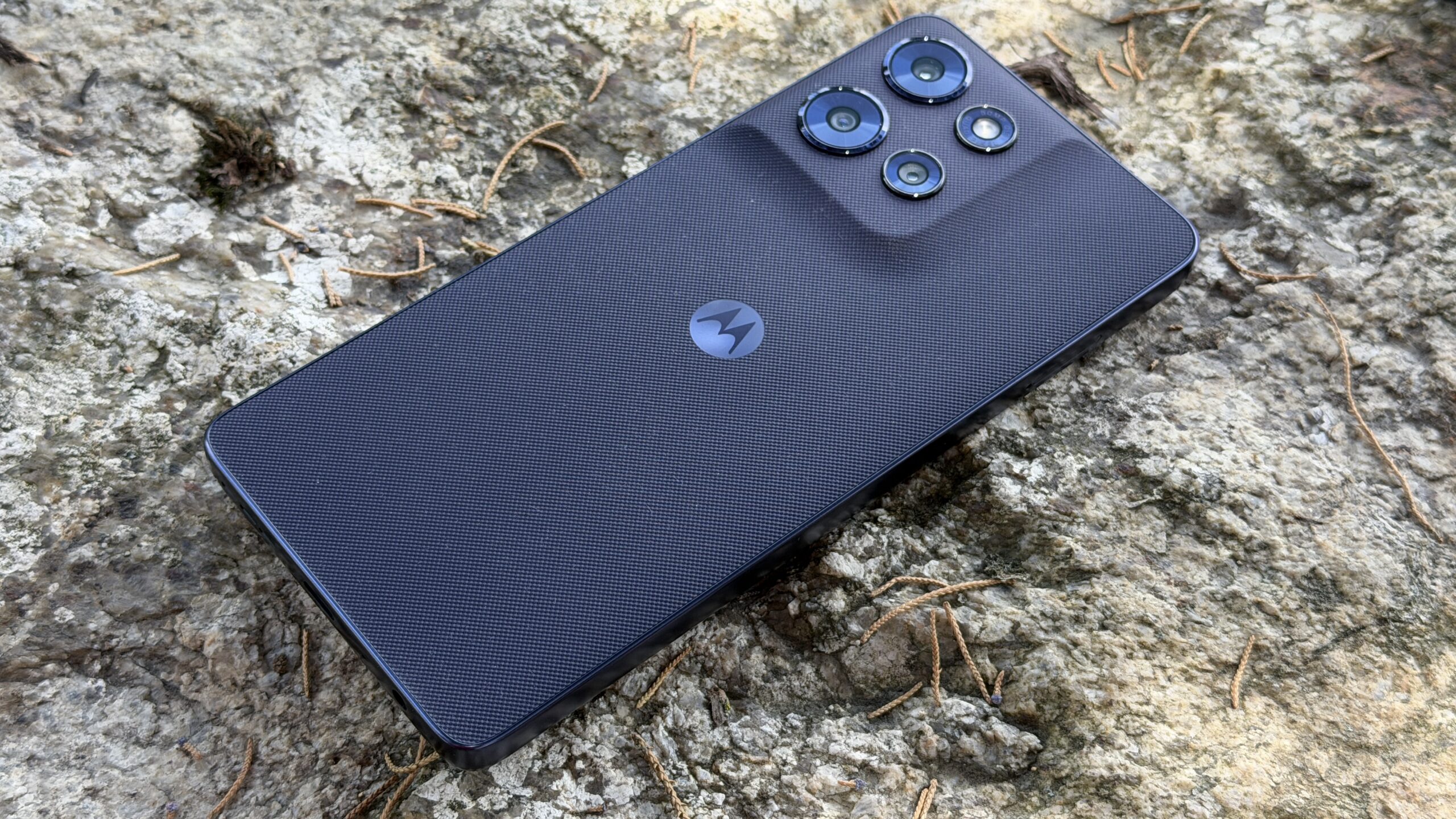
At its core, the device is powered by the MediaTek Dimensity 6300 chipset, paired with 8GB of RAM. While these specifications are adequate for basic tasks—social media browsing, messaging, and light productivity—they struggle to justify the $400 barrier to entry. When compared to the rapid advancement of silicon in competing devices, the Dimensity 6300 feels like a relic of a lower price bracket. The inclusion of a microSD card slot is a welcome nod to the power users who value local storage, but it is an increasingly rare feature that, while appreciated, cannot carry the weight of the device’s entire value proposition.
A Chronological Perspective: The Resurgence and the Plateau
To understand the current positioning of the Moto G Power (2026), one must look at the trajectory of Motorola’s resurgence. Following the success of the premium Razr lineup, Motorola leveraged its brand equity to revitalize the G series, successfully capturing the "under $500" market for several consecutive cycles.
- 2023-2024: Motorola enjoyed a "golden era" of mid-range dominance, where the G series offered near-flagship screen quality and decent battery life at unbeatable prices.
- Early 2025: Competitors like Google and Samsung began aggressive pricing strategies for their "a-series" and "A-series" phones, normalizing features like OLED displays and extended software support at the $400–$500 price point.
- Mid-2026: The launch of the Moto G Power (2026) marks a pivot point. The device maintains the familiar aesthetic and build quality that users love, but it arrives in an ecosystem where consumers have been trained to expect more for their money, particularly in the realms of long-term software support and display technology.
Supporting Data: The Competitive Landscape
The primary challenge for the Moto G Power (2026) is the sheer density of viable alternatives. When a consumer spends $400, they are no longer merely buying a phone; they are buying into an ecosystem.
1. Google Pixel 10a
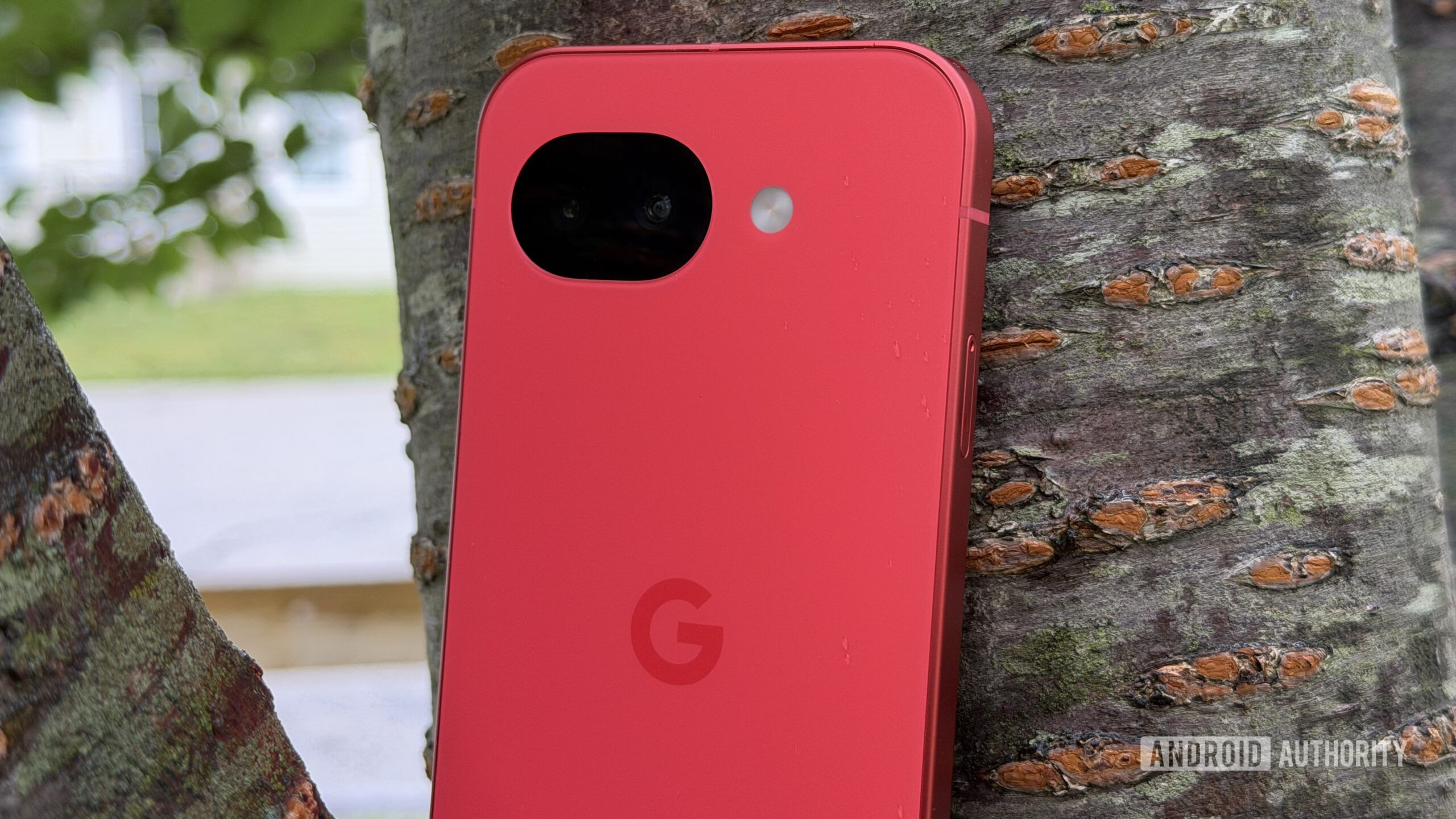
The Pixel 10a is the primary disruptor. Often retailing near $400 during promotional windows, it offers the Tensor G4 chipset—a silicon solution that outclasses the Dimensity 6300 in virtually every benchmark. Furthermore, Google’s commitment to seven years of software support makes the Moto G Power’s one-year upgrade promise look insufficient. For the modern consumer, longevity is a key factor, and in this regard, the Pixel 10a is objectively superior.
2. Samsung Galaxy A27
Samsung’s mid-range strategy focuses on screen technology and enterprise-grade support. The Galaxy A27, with its Super AMOLED display, provides a visual fidelity that the Moto G Power’s standard LCD simply cannot match. With a six-year update policy, Samsung ensures that the device remains relevant long after the Moto G Power has reached its end-of-life cycle.
3. Moto G Stylus (2026)
Interestingly, one of the strongest competitors to the Moto G Power is its sibling. By opting for the G Stylus, users get a more robust feature set—including an active stylus, a 120Hz OLED display, and 68W fast charging—for a price that frequently dips into the G Power’s territory through retail bundles.

4. The "Flagship Refresh" Strategy
Perhaps the most compelling argument against buying a brand-new mid-range phone is the secondary market for former flagships. A pre-owned Google Pixel 8 Pro or a refurbished Samsung Galaxy S25+ can be acquired for $350–$550. These devices offer superior camera systems, premium build materials, and performance ceilings that a budget-focused MediaTek chip cannot touch.
Official Responses and Industry Sentiment
While Motorola has not released a formal statement regarding the specific pricing strategy of the 2026 G Power, industry analysts suggest that the company is relying heavily on carrier partnerships and aggressive, short-term promotional sales.
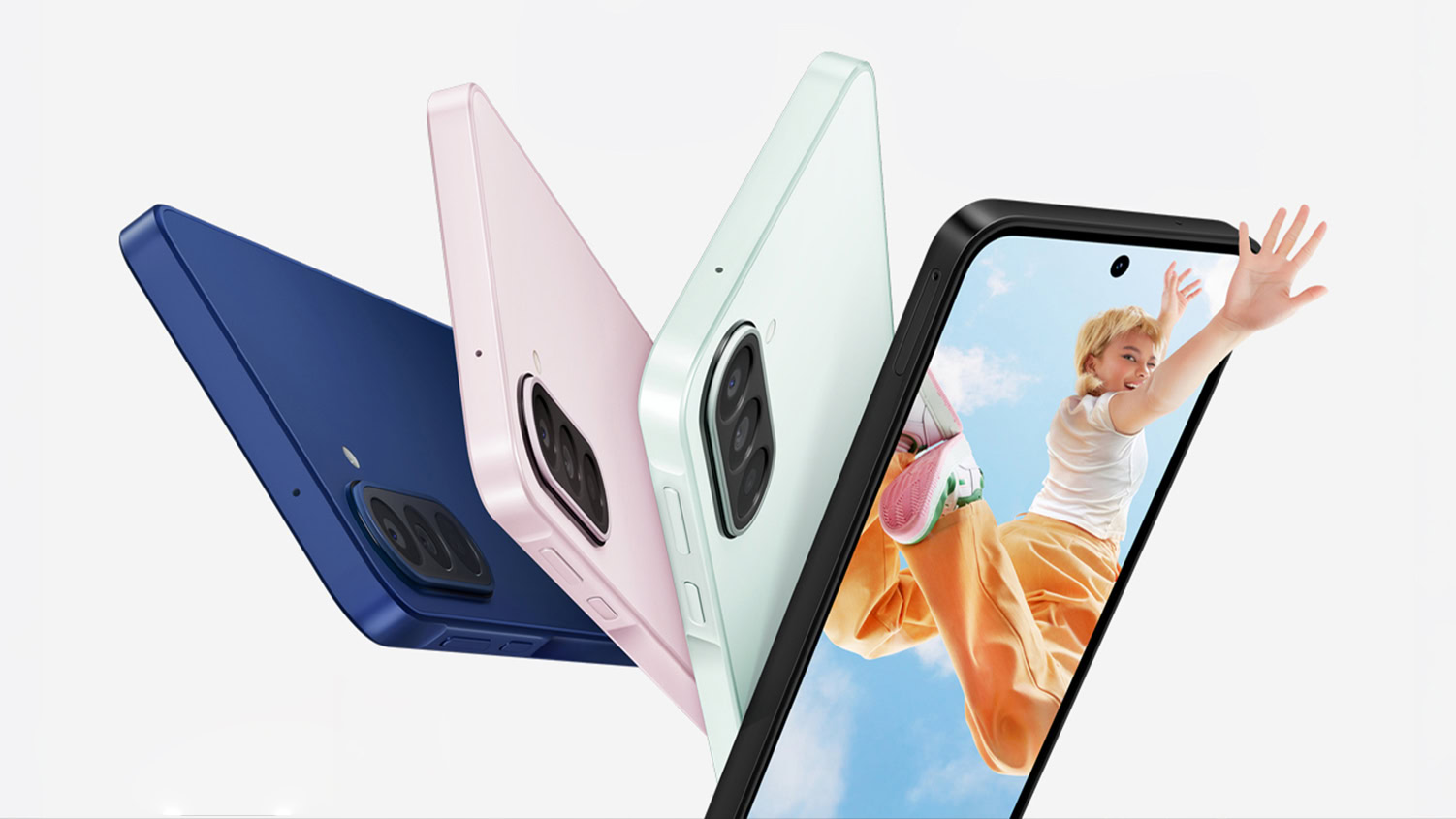
Market sentiment indicates that while the "Power" brand remains synonymous with longevity and reliability, the consumer base is becoming increasingly tech-literate. Reviews across the board suggest that unless a buyer is deeply invested in the Motorola UI or requires specific physical features like a 3.5mm headphone jack, the value proposition is increasingly difficult to defend at the MSRP of $400.
The Implications: Where Does Motorola Go From Here?
The existence of the Moto G Power (2026) serves as a litmus test for the mid-range smartphone industry. It highlights a widening gap between "value" and "cheap."
Implication 1: The Death of the "Basic" Mid-Ranger.
Consumers are increasingly rejecting phones that offer "just enough" performance. As AI integration (like Gemini on the Pixel or Galaxy AI) becomes standard, the hardware requirements for even basic daily tasks are rising. A phone without the headroom for future software demands is, effectively, a disposable product.
Implication 2: Software Support as a Tiered Feature.
Motorola’s decision to limit the G Power (2026) to one year of Android upgrades is a strategic misstep in an era where five to seven years of support is becoming the industry standard. By failing to match this, Motorola risks alienating the very demographic that made the G series a success: budget-conscious users who need their phones to last for years.
Implication 3: Hardware Differentiation is Key.
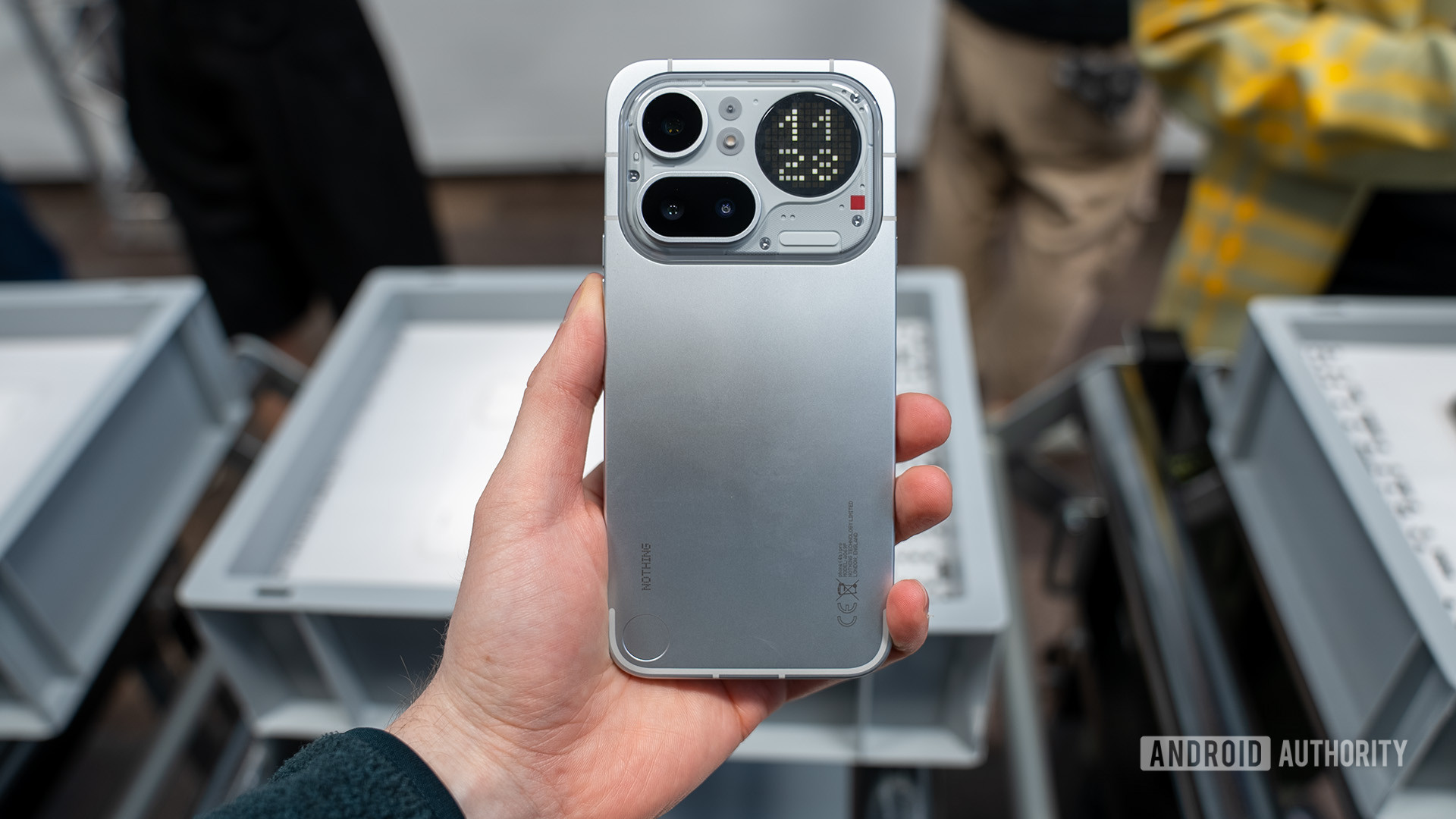
Motorola needs to decide if the G Power is a "productivity" device or a "budget" device. If it is the former, the inclusion of better haptics, improved screen technology, and more capable processors is mandatory. If it is the latter, the price must reflect that. Currently, the device sits in an uncomfortable middle ground—too expensive to be a "throwaway" phone, but too under-specced to compete as a "smart" investment.
Conclusion: Is It Worth the Purchase?
The Moto G Power (2026) is, by most metrics, a functional and reliable smartphone. Its build quality remains high, and the inclusion of expandable storage and a headphone jack will satisfy a specific subset of traditional users. However, when viewed through the lens of the current market, it is difficult to recommend it at full price.

If you are a consumer looking for the best bang for your buck, the Google Pixel 10a remains the gold standard for software and AI integration, while the Samsung Galaxy A27 wins on display and long-term support. If you are a fan of the Motorola ecosystem, the Moto G Stylus (2026) offers a more feature-rich experience that justifies the minor price gap.
In the final analysis, the Moto G Power (2026) is a reminder that in the hyper-competitive world of 2026 mobile tech, "good enough" is no longer good enough. For Motorola to reclaim the mid-range throne, it must stop resting on the laurels of its brand history and start matching the aggressive innovation and support cycles of its primary competitors. Until then, the G Power remains a secondary option in a market filled with primary-grade choices.











