

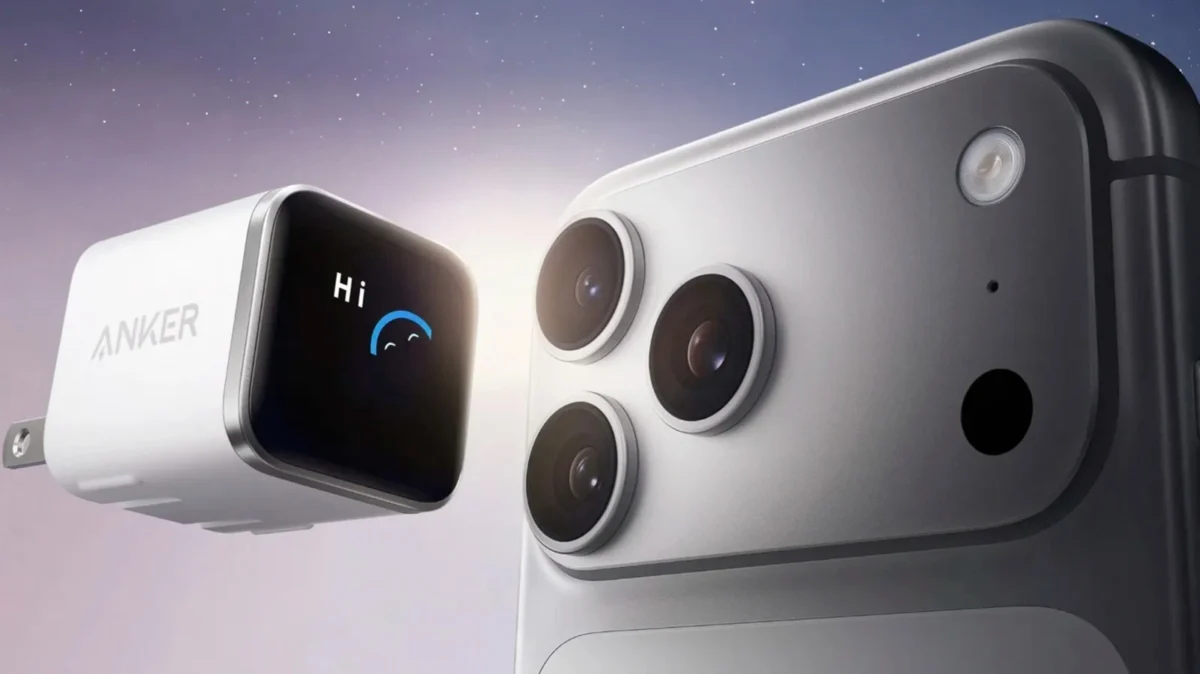
In the crowded landscape of consumer electronics accessories, Anker has long stood as a titan of reliability. Since its founding in 2011, the company has evolved from a niche manufacturer of laptop batteries into a global powerhouse, defining the standard for third-party power delivery. However, the latest evolution in their product lineup suggests a shift in focus: Anker is no longer just concerned with moving electrons from the wall to your device—they are interested in the experience of the charge.
With the introduction of its new range of "smart display" wall chargers, Anker is pulling back the curtain on the opaque process of power delivery. By integrating real-time visual feedback and a touch of digital whimsy, the company is transforming a mundane household utility into an interactive, diagnostic, and surprisingly charming piece of technology.
The Main Facts: Transparency Meets Utility
For the average consumer, charging a smartphone or laptop has historically been a "black box" experience. You plug in the cable, wait for the battery icon to turn green, and hope for the best. Anker’s new smart display chargers dismantle this ambiguity by providing a clear, readable interface directly on the plug.
At its core, the display provides a comprehensive dashboard for your device’s power intake. Users can view:
- Real-time Wattage: A granular look at exactly how much power is being delivered to the connected device at any given moment.
- Charging Status and Mode: Visual indicators showing whether the device is in a high-speed "Turbo" mode or a battery-preservation state.
- Thermal Monitoring: Real-time temperature readouts that allow users to identify if their device is struggling to dissipate heat.
- Battery Progress: For supported devices, the charger provides a live percentage update, eliminating the need to wake your phone screen to check if it’s finished charging.
This design philosophy is rooted in the reality that modern fast charging is a dynamic, complex process. Factors like ambient temperature, cable quality, and the device’s internal battery chemistry all influence charging speed. By exposing these metrics, Anker is empowering users to perform their own troubleshooting. If a phone is charging slowly, the display can instantly reveal if the cause is a thermal throttling issue or a faulty cable, turning what used to be a frustrating guessing game into a simple observation.
A Chronology of Charging Innovation
To understand the significance of this new display, one must look at the trajectory of Anker’s product evolution over the last decade.
2011–2015: The Reliability Era
Anker entered the market with a focus on solving the "bad battery" problem. Their early success was built on high-capacity portable batteries that were more reliable and affordable than OEM equivalents. During this period, the innovation was primarily internal—focusing on cells and safety circuitry.
2016–2020: The Rise of GaN (Gallium Nitride)
Anker was among the first companies to aggressively pivot to Gallium Nitride (GaN) technology. This semiconductor material allowed for significantly smaller chargers that could output higher power levels without melting. This era solidified Anker’s reputation for shrinking the "power brick" to a pocketable size.
2021–2025: The Intelligence Era
As power delivery protocols (such as USB-C Power Delivery) became more complex, chargers needed to become smarter. Anker introduced PowerIQ and ActiveShield technologies during this window. These systems allowed chargers to negotiate power requirements intelligently, preventing damage to devices while maximizing speed.
2026–Present: The Human-Centric Era
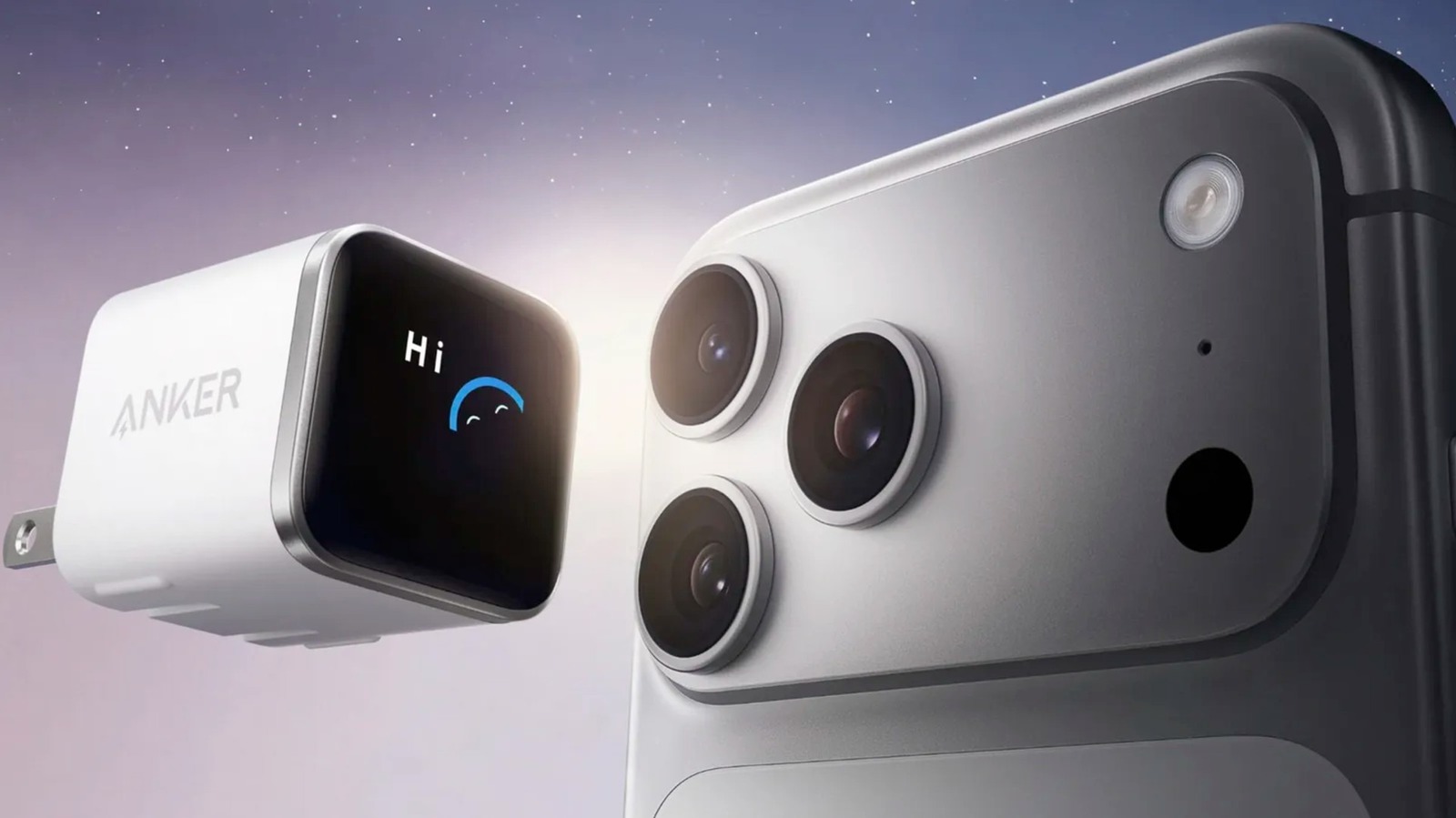
The current generation of smart display chargers represents the latest milestone. By moving the data from the phone’s OS to the physical charger itself, Anker is addressing the "user-interface gap." The integration of the "digital blob"—a cute, interactive character that reacts to touch—marks a transition where hardware is no longer just functional; it is conversational.
Supporting Data: The Science Behind the Screen
The utility of these chargers is not merely cosmetic. Behind the interface lie sophisticated engineering processes designed to extend the lifespan of modern lithium-ion batteries.
ActiveShield and Thermal Management
The latest iteration of Anker’s ActiveShield technology is a marvel of efficiency. The system performs approximately 3 million temperature checks per day. By monitoring heat at the source, the charger can throttle current in real-time to prevent the chemical degradation caused by excessive heat.
Care Mode and Battery Longevity
One of the standout features of the 45W Nano Charger in this lineup is "Care Mode." Battery health is the primary concern for users who keep their devices for multiple years. Care Mode acts as a sophisticated power-governor. By optimizing the charging curve—specifically for overnight use—it reduces the thermal load significantly. Internal testing has shown that this mode can lower operating temperatures by up to nine degrees Fahrenheit compared to standard high-wattage chargers, effectively slowing down the "wear and tear" that occurs when a battery is kept at a high state of charge at high temperatures.
Official Perspectives and Design Philosophy
In discussions regarding the design, Anker representatives have emphasized that the "digital blob" is not just a gimmick; it is an accessibility feature. By using emotive expressions—such as swirly eyes when the charger is tapped or a sleepy expression when it is in a low-power trickle state—the device provides an immediate, intuitive understanding of the charging status without the user needing to decode technical jargon or specific wattage numbers.
"We wanted to bridge the gap between technical data and human intuition," says the lead design team. "A user shouldn’t need an engineering degree to know if their cable is working or if their phone is overheating. The display turns complex telemetry into a glanceable, friendly interaction."
Implications: The Future of Peripheral Hardware
The move toward smart displays on chargers has several profound implications for the consumer electronics market.
1. The Death of the "Dumb" Charger
As consumers become more aware of battery health, the demand for "dumb" chargers—those that provide no feedback—will likely wane. We are entering a period where hardware transparency is becoming a competitive advantage. Manufacturers that hide their charging telemetry may soon find themselves at a disadvantage against brands that offer the peace of mind that a display provides.
2. Standardizing Diagnostic Information
Anker’s initiative could serve as a catalyst for a new industry standard. If consumers grow accustomed to seeing wattage and temperature on their plug, they will begin to demand it from other manufacturers. This could lead to a more standardized, open approach to charging diagnostics, where the charger acts as a bridge between the wall outlet and the device’s internal battery management system (BMS).
3. Sustainability and Longevity
Perhaps the most important implication is the impact on device longevity. By providing users with the tools to identify overheating cables or inefficient charging modes, Anker is inadvertently helping to extend the lifecycle of the phones and laptops connected to them. In an era where electronic waste is a mounting global crisis, a charger that protects your device’s battery is, in effect, an environmental tool.
4. Human-Computer Interaction (HCI) in Hardware
Finally, the "cute digital blob" represents a bold experiment in HCI. By anthropomorphizing a peripheral, Anker is exploring the emotional bond between the user and their tools. It turns a chore—plugging in a device—into a moment of micro-engagement. While it may seem trivial to some, this kind of design language is essential for brands looking to differentiate themselves in a market where technical specs are increasingly commoditized.
Conclusion
Anker’s latest smart display chargers are more than just a novelty. They are the synthesis of a decade of engineering progress, high-speed power delivery, and thoughtful, user-centric design. By making the invisible visible, and by adding a layer of personality to the daily grind of keeping our devices powered, Anker has successfully elevated the humble wall charger from a disposable accessory to an essential piece of interactive technology.
Whether you are a data-driven enthusiast who wants to monitor every watt of power, or simply someone who appreciates a smiling digital face while you charge your phone at night, these devices offer a glimpse into a future where our technology is more transparent, more protective, and—if we are lucky—a little bit more fun.











