

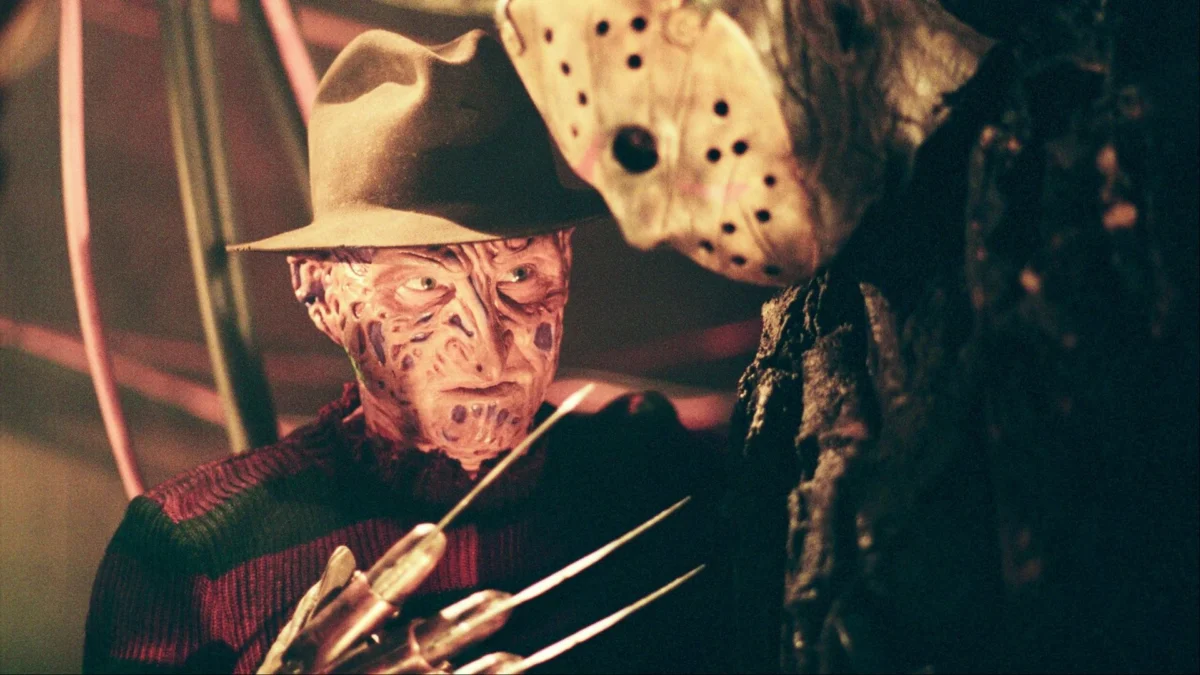
In the landscape of modern cinema, the term "elevated horror" has become a polarizing buzzword. Often used by critics and cinephiles to categorize high-brow, atmospheric, and socially conscious genre entries, the label carries a subtle, unintended sting. It implies that for a horror film to be "good," it must transcend its own DNA. This elitist framing suggests that the visceral, blood-soaked, and unabashedly fun aspects of the genre are somehow inferior.
If we applied this logic elsewhere—branding a high-octane blockbuster as "elevated action" or a cerebral thriller as "elevated sci-fi"—the absurdity would be immediately apparent. Yet, horror remains the only genre consistently forced to justify its existence through the lens of critical validation. The reality is that the heart of horror does not beat in the halls of the Academy Awards, but in the darkened theaters and living rooms of a fanbase that finds beauty, catharsis, and immense entertainment in the very films that critics often leave for dead.
The Cultural Divide: Critics vs. Cult Canon
There is a unique, almost defiant love affair between horror fans and the "critically panned." While mainstream critics often prioritize pacing, narrative cohesion, and thematic depth, the horror audience frequently prizes creativity, franchise expansion, and the sheer joy of the spectacle.
Many of the most beloved entries in horror history were initially dismissed, only to be reclaimed by a generation of viewers who saw past the lukewarm Rotten Tomatoes scores. Whether it is a misunderstood sequel, a victim of poor marketing, or a stylistic outlier that dared to break the rules, the "bad" horror movie is a foundational pillar of the genre’s enduring success.
Chronological Re-evaluation: From 1982 to the Present
To understand why these films endure, we must look at the specific entries that have defied their initial critical reception to achieve cult status.
Halloween III: Season of the Witch (1982)
When Halloween III hit theaters, it was met with confusion and hostility. Audiences expecting the return of Michael Myers were instead met with a bizarre, high-concept tale of Celtic witchcraft and killer Halloween masks. By attempting to turn Halloween into an annual anthology series, the filmmakers alienated the core base. Today, however, it is viewed as a bold, creative experiment. Without the shackles of the Myers lore, it stands as a unique, atmospheric piece of 80s folk-horror that remains far more imaginative than many of its franchise counterparts.
I Know What You Did Last Summer (1997)
Following the seismic cultural shift caused by Scream, the slasher subgenre was hungry for the next big hit. I Know What You Did Last Summer was a lightning-fast response that capitalized on the "beautiful teen" aesthetic of the late 90s. While critics panned it for its derivative nature, the film became an undeniable cultural touchstone. Its longevity is proven not just by its continued popularity, but by its expansion into a 2021 television series and a 2025 franchise reboot. It is, quite simply, quintessential teen slasher fun.
Bride of Chucky (1998)
The Child’s Play franchise has rarely been a darling of the critical establishment. However, Bride of Chucky represents a pivot point where the series embraced the absurdity of its premise. By introducing Tiffany Valentine, played with camp perfection by Jennifer Tilly, the film leaned into the comedy inherent in a homicidal doll. It is a blast of pure energy that transformed the franchise from a standard slasher into a meta-commentary on horror icons.
The Texas Chainsaw Massacre (2003)
Remaking a Tobe Hooper classic is a fool’s errand, and the 2003 version of The Texas Chainsaw Massacre was treated as such by critics. Yet, director Marcus Nispel succeeded in crafting something entirely different: a gritty, unrelenting, and visually oppressive film that prioritized a suffocating atmosphere over the raw, guerrilla-style terror of the original. With a standout performance from R. Lee Ermey and a brutal, unflinching pace, it stands as a strong, albeit different, iteration of the Leatherface mythos.
Freddy vs. Jason (2003)
The cinematic equivalent of a heavyweight prize fight, Freddy vs. Jason was tasked with merging two disparate horror universes. Critics groaned at the plot, but the audience received exactly what was promised. It is a masterpiece of fan service—cheesy, violent, and surprisingly self-aware. It delivered the long-awaited collision of icons without losing the campy spirit that defined both franchises.
Saw II (2005)
The Saw franchise became a victim of its own success, with annual sequels leading to diminishing critical returns. However, Saw II is arguably the pinnacle of the series. It refined the "traps" formula, expanded the role of Tobin Bell’s Jigsaw, and offered a claustrophobic psychological game that felt tight and intentional. It remains the most rewatchable entry, avoiding the convoluted mythology that would plague later sequels.
House of Wax (2005)
A quintessential "millennial horror" relic, House of Wax is a time capsule of 2005 pop culture. Featuring a cast that included Paris Hilton, Jared Padalecki, and Elisha Cuthbert, it was an easy target for critics. Yet, the film possesses a genuinely unsettling premise and a series of inventive, gruesome death sequences that showcase director Jaume Collet-Serra’s technical skill. It is a "bad" movie that succeeds entirely on its own terms.
Final Destination 3 (2006)
While the Final Destination series is remarkably consistent, the third entry remains a fan favorite. Despite a 44% rating on Rotten Tomatoes, it features perhaps the most iconic opening sequence in the franchise—the roller coaster crash—and a standout performance by Mary Elizabeth Winstead. The ingenuity of the "Rube Goldberg" death sequences remains the high watermark for the series.
Jennifer’s Body (2009)
Perhaps the greatest example of critical reappraisal in horror history, Jennifer’s Body was marketed as a teen comedy focused on Megan Fox’s appeal, rather than the sharp, feminist satire it actually was. The disconnect between marketing and content led to an initial box-office stumble. Years later, it has been rightfully reclaimed as a cult classic, celebrated for its razor-sharp dialogue, strong performances, and dark, subversive themes.
The Purge (2013)
The Purge franchise has grown into a massive intellectual property, but the original film remains its most terrifying entry. By confining the action to a single home and focusing on the intimate, desperate struggle of a family during the first hours of the "purge," the film taps into a raw, home-invasion anxiety that the grander, more political sequels largely bypassed.
Supporting Data: The Disconnect
Why does this disconnect exist? Statistical analysis of long-running horror franchises shows a clear trend: audience scores on aggregators like Rotten Tomatoes or IMDb frequently trend 20 to 30 points higher than professional critic scores. This "fan-critic gap" is unique to horror because the genre is inherently subjective. A critic might fault a film for poor dialogue, while a fan views that same dialogue as an essential ingredient in a "so-bad-it’s-good" experience.
Furthermore, marketing plays a significant role. When a film like Jennifer’s Body is marketed to the wrong demographic, the initial reception is colored by disappointment. It takes years for the film to find its actual audience—the people who appreciate the film for what it is, not what the trailer promised.
Official Responses and Implications
Directors and producers have long acknowledged this divide. Many genre filmmakers, such as the creators of the Saw and Final Destination franchises, have publicly stated that their primary goal is to satisfy the "core audience"—the horror die-hards who show up every Friday to see new kills and inventive set pieces.
The implication of this divide is simple: the horror genre thrives because it is a community-driven space. It does not require a critic’s stamp of approval to become a legend. When we talk about "elevated horror," we are discussing a narrow slice of the genre that fits into the current critical zeitgeist. But the true spirit of the genre lives in the films that were "not supposed" to work—the ones that are messy, loud, violent, and deeply, undeniably loved.
Ultimately, the lesson for the horror audience is clear: trust your own taste. If a film brings you joy, provides a thrill, or leaves an impression, its critical standing is irrelevant. In the world of horror, the "bad" movies are often the ones we remember the longest.









No comments yet. Be the first to join the conversation!