Dwi Wanna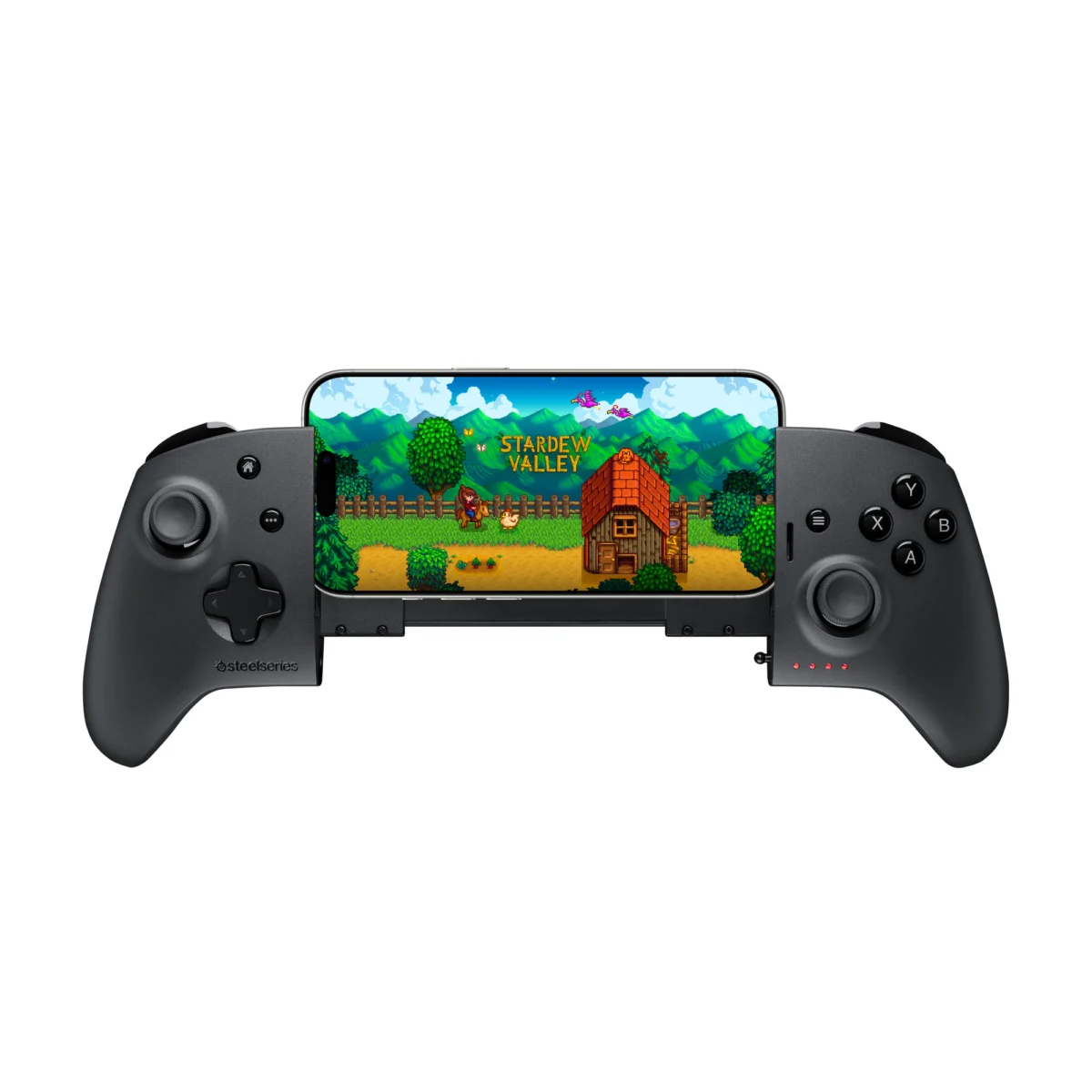
With the recent opening of preorders for the iPhone 18 Pro, Apple has made one thing abundantly clear: the company is no longer content to let its hardware exist as a secondary gaming device. During the high-profile launch presentation, executives spent a significant portion of their stage time emphasizing the handset’s prowess as a gaming powerhouse.
The star of this performance is the new A20 Pro chip, which features a significantly beefed-up 7-core GPU. Apple claims this silicon architecture delivers a 40% performance jump over its predecessor. To ensure that this raw power doesn’t hit a thermal ceiling, the company has also redesigned the internal cooling architecture, introducing an enlarged vapor chamber that purportedly sustains that 40% performance gain under heavy, prolonged loads.
However, hardware power is only half the battle. Just days after the reveal, a burgeoning rumor mill—fueled by software discoveries and industry leaks—suggests that Apple is preparing its most significant move into gaming hardware since the ill-fated "Pippin" console of the mid-1990s. The company is reportedly developing two proprietary gaming controllers. But as the industry looks on, the question remains: does Apple have a genuine path to success in a market saturated with established titans, or is this a rare misstep for the Cupertino giant?
The Evidence: Code in the Machine
The narrative of Apple’s re-entry into the gaming peripheral space began with the sharp eyes of a MacRumors reader. While dissecting the latest macOS 26.7 release code, the user uncovered specific references to two mysterious devices identified by the model numbers T6502 and T1057.
Crucially, these devices identify themselves to Apple’s native Game Controller software framework specifically as "Made For iPhone" (MFi) gamepads. The discovery was quickly corroborated by industry veteran and Bloomberg reporter Mark Gurman, who confirmed that these controllers have been in internal development for over a year.
According to the leaked specs, these devices are designed with the standard ergonomics favored by modern gamers, featuring a robust D-pad, dual-hall effect thumbsticks, tactile shoulder buttons, and analogue triggers. The lineup appears to be split into two tiers: a baseline, wired-only controller designed for simplicity and low latency, and a "Pro" version that adds Bluetooth connectivity, haptic feedback, and a suite of motion-sensing tech, including an accelerometer and a gyroscope.
A Chronology of Apple’s Gaming Ambitions
Apple’s relationship with gaming has been a slow, decades-long evolution. In 1996, the Apple Pippin was an ambitious, multimedia-focused attempt to merge computer and console, but it was crushed by the PlayStation and Nintendo 64. Following that failure, Apple retreated into the role of a software platform provider, allowing the App Store to become the world’s largest gaming ecosystem by volume.
- 2008–2010: The birth of the App Store transforms the iPhone into a casual gaming juggernaut.
- 2019: The launch of Apple Arcade signals a shift toward premium, curated mobile gaming, removing the "freemium" friction that plagued early mobile titles.
- 2023–2025: Apple begins pushing hardware-level features like hardware-accelerated ray tracing on the A-series chips, signaling a pivot toward AAA console-quality ports.
- 2026: The launch of the iPhone 18 Pro, accompanied by rumors of proprietary controllers, marks the potential start of a hardware-centric ecosystem push.
Market Saturation and the "Beats" Strategy
Perhaps the most intriguing detail to emerge from the rumors is that these controllers will likely be released under the Beats by Dre brand rather than the Apple logo. This decision is highly strategic and highlights a fundamental tension within Apple’s corporate culture: the desire for market penetration versus the fear of brand dilution.
Historically, Apple has been hesitant to associate itself with "gamer" aesthetics. The Apple brand is synonymous with minimalism, luxury, and universal appeal. Gaming, by contrast, is often associated with aggressive branding, RGB lighting, and niche peripherals. By using Beats, Apple gains several distinct advantages:
- Brand Alignment: Beats is already established in the youth and lifestyle markets. It carries a "cool" factor that is less rigid than the Apple corporate image.
- Pricing Flexibility: Apple hardware is almost always priced at a premium. By leveraging Beats, the company can potentially position these controllers at a more competitive, mid-range price point without being beholden to the "Apple Tax" expectations.
- Platform Agnosticism: Beats has a history of playing nicely with both iOS and Android. If these controllers are marketed as universal mobile accessories, they stand a better chance of being adopted by the broader smartphone market, rather than being restricted to the "walled garden" of the iPhone.
Implications for the Gaming Ecosystem
If Apple is indeed launching these controllers, the implications reach far beyond a simple plastic gamepad. This is a play to bolster the entire Apple gaming ecosystem.
Currently, developers often hesitate to bring high-end titles to the iPhone because the touch-screen interface is suboptimal for complex control schemes. By providing an official, high-quality controller, Apple effectively lowers the barrier to entry for AAA developers. It provides a standardized control interface that allows them to port titles from the Steam Deck or consoles to the iPhone 18 Pro with minimal friction.
Furthermore, these controllers could serve as the "missing link" for Apple TV gaming. For years, the Apple TV has been a capable, underutilized gaming machine. A dedicated, high-quality controller could finally position the Apple TV as a legitimate competitor to the Nintendo Switch or even entry-level consoles, creating a seamless cross-device experience where a user starts a game on their TV and picks it up on their iPhone during a commute.
The "Innovation" Question
Despite the excitement, there is a lingering skepticism in the tech industry. As noted in the analysis of Apple’s recent product cycles—from the Apple Watch to the Vision Pro—the company rarely enters a mature market unless it believes it can offer a radical innovation or a "perfected" user experience.
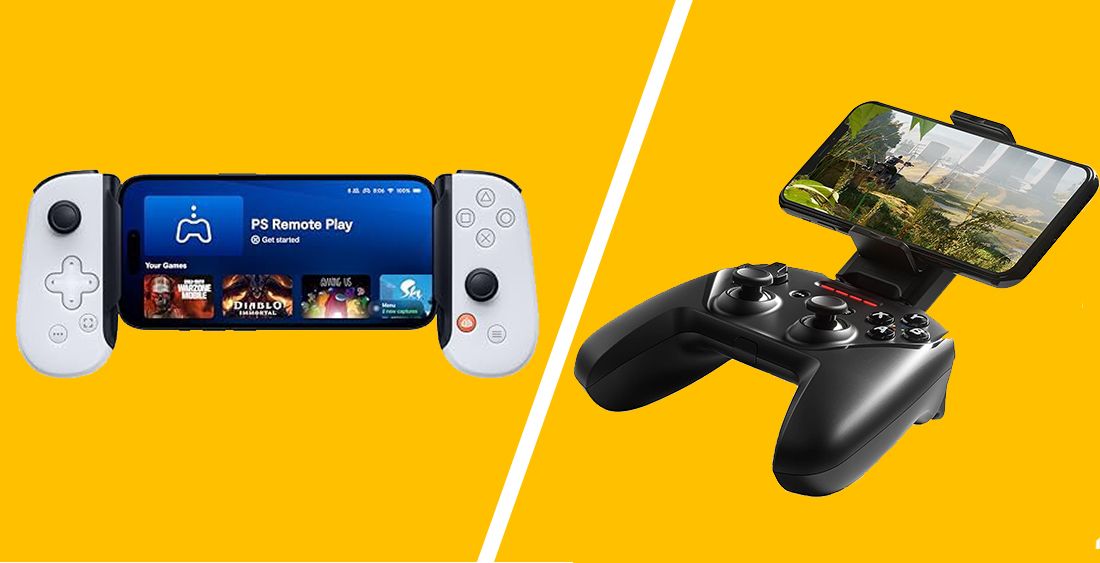
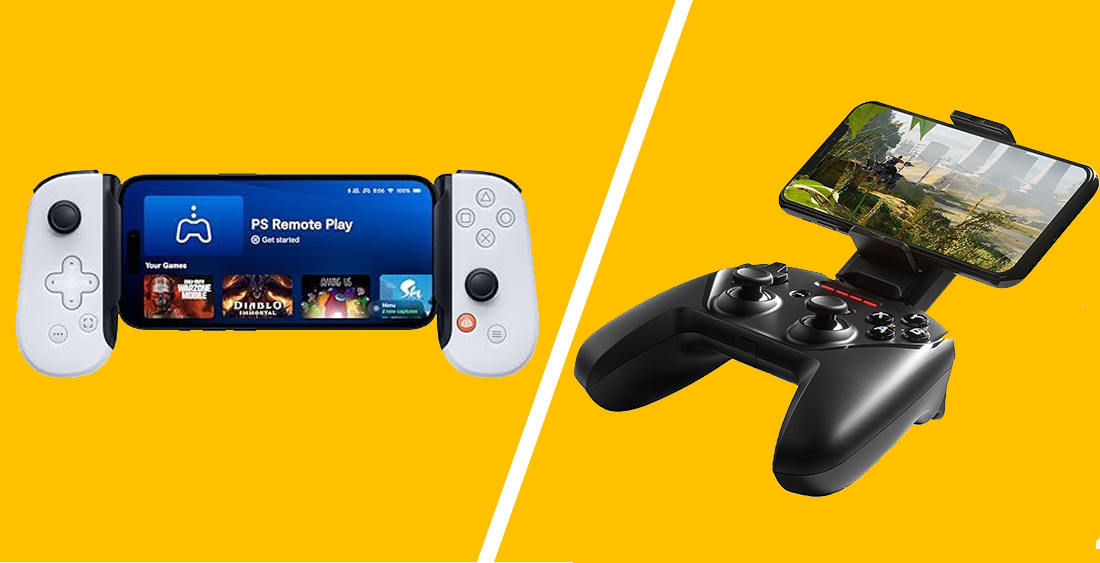
If these controllers are merely standard gamepads with a Beats logo, they are entering a market already dominated by giants. Brands like Backbone and Razer have already perfected the "clamping" controller design for smartphones. Sony’s DualSense and the Xbox Wireless Controller are already compatible with iOS and are arguably the gold standard for ergonomics.
If Apple cannot bring a "killer feature"—perhaps deep system-level integration that offers zero-latency pairing, haptic synchronization, or a unique "Apple-only" gaming mode—then the product might struggle to justify its existence.
Conclusion: The Path Forward
Apple’s pivot toward gaming is no longer a rumor; it is a calculated business strategy evidenced by its silicon roadmaps and hardware investments. The A20 Pro chip is a clear signal that the iPhone 18 Pro is intended to be a serious gaming device.
However, the hardware is only as good as the input method. While a Beats-branded controller would be a safe, low-risk way to test the waters, it might not be enough to turn the tide. For Apple to truly disrupt the gaming industry, it must do more than just release a controller. It must curate an experience—an ecosystem of games, cloud services, and hardware—that makes the iPhone feel like a home for gamers, not just a phone that happens to play games.
As we wait for an official announcement, the industry is left to wonder: is this the start of a new era for mobile gaming, or is Apple simply adding another accessory to a drawer full of third-party alternatives? Only time—and perhaps a keynote event in the coming months—will tell.

 Azzam Bilal Chamdy
 Pevita Pearce