

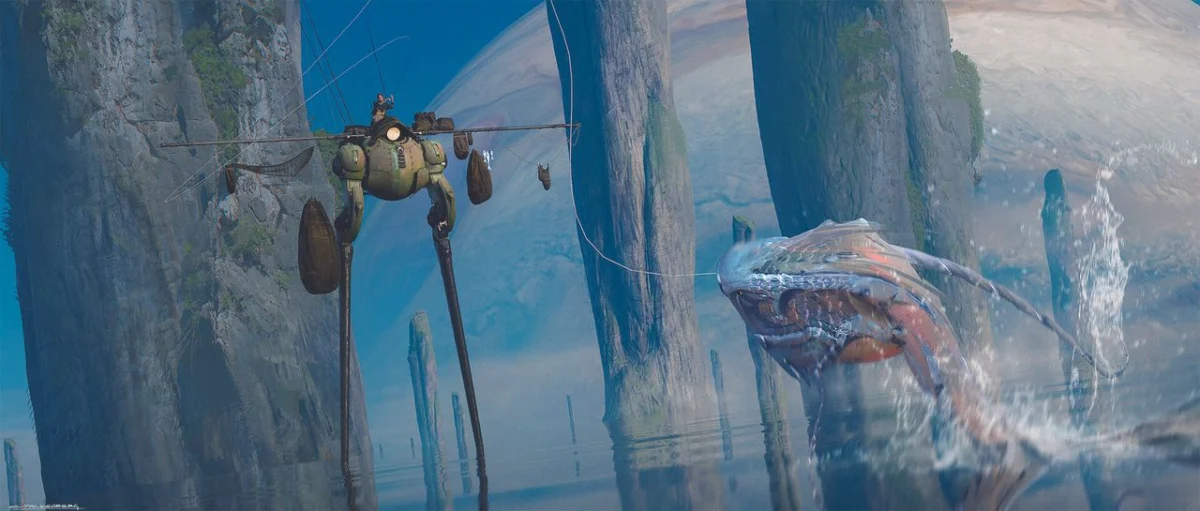
In the high-stakes world of AAA game development and blockbuster cinema, the visual foundation of a project is often laid long before the first line of code is written or the first frame is filmed. At the center of this creative process is the concept designer—a role that demands equal parts technical mastery, narrative intuition, and boundless imagination.
Chris Falkenberg, a standout figure in the digital art landscape and a current talent at Sony Interactive’s Bluepoint Games, has spent his career defining the visual language of these expansive digital universes. Through his work on major entertainment properties and his contributions as an instructor at the renowned Brainstorm School, Falkenberg has become a vital voice for the next generation of digital artists. In this exclusive interview, we delve into the evolution of his craft, the challenges of a volatile industry, and the philosophy that keeps his work grounded in the face of rapid technological disruption.
The Genesis of a Career: From Colorado to the Console
Falkenberg’s journey into digital artistry did not begin in a sterile studio, but rather in the rugged, expansive landscapes of Colorado. Growing up with the Rocky Mountains as his backyard, he developed an innate understanding of scale, atmosphere, and the sublime power of the natural world.
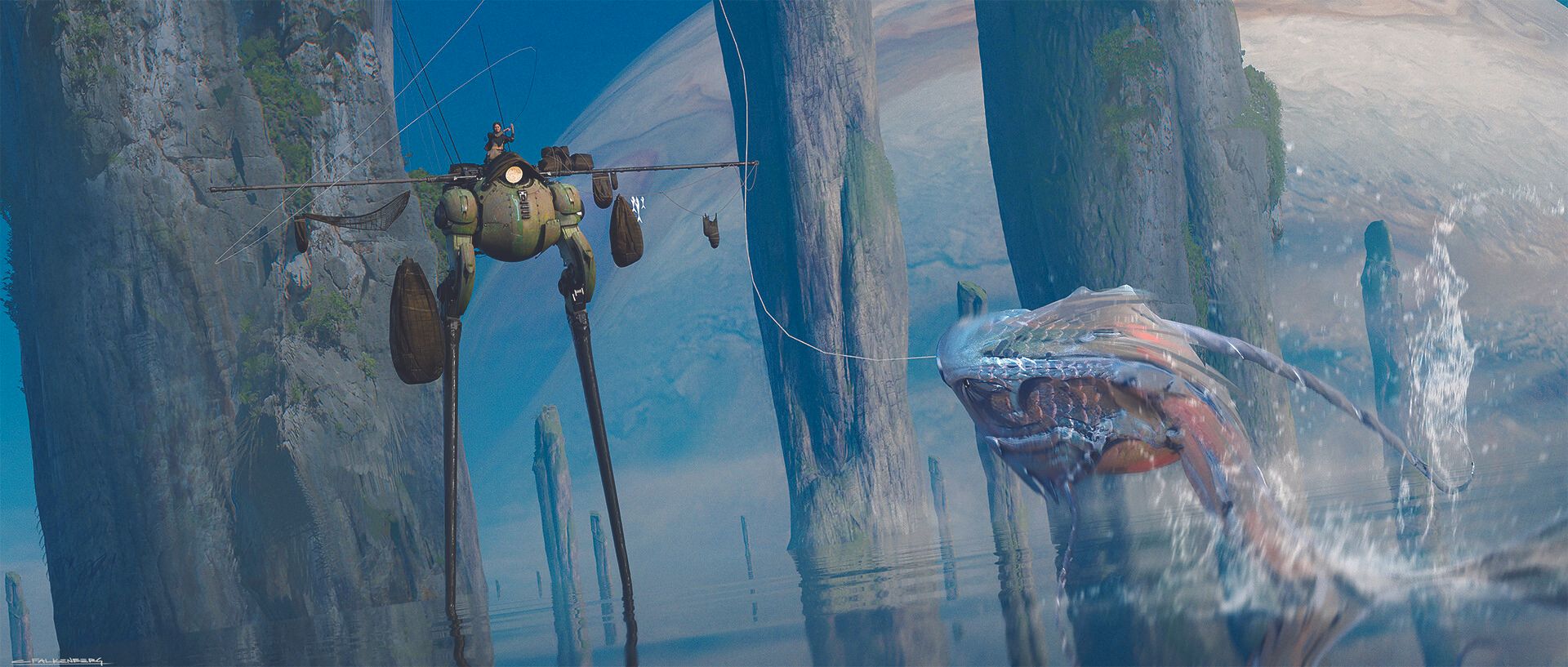
"I was very fortunate to spend a lot of my childhood in nature," Falkenberg reflects. "Having the Rocky Mountains in my backyard was very inspirational and shaped the way I think about scale and environment."
This early exposure to the outdoors provided a foundational aesthetic that he would later translate into the digital medium. However, the path to a career in professional digital art was not immediately obvious. Like many artists of his generation, Falkenberg initially viewed "fine art" as the only viable professional trajectory. It wasn’t until he encountered the work of visionary digital artist Craig Mullins that his perspective shifted.
"Discovering Craig Mullins’ digital paintings was a turning point for me," he admits. "Seeing digital art being used in the entertainment industry was very exciting and more in line with my interests."
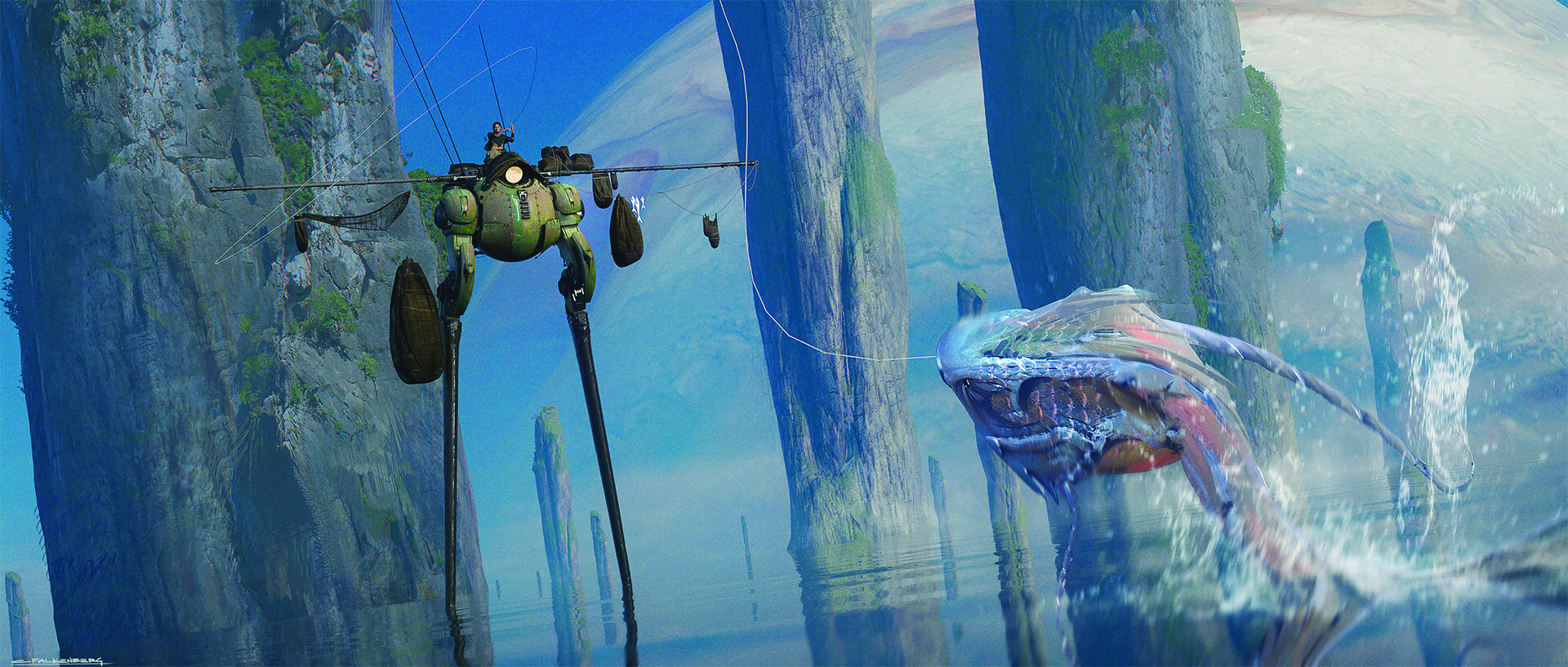
A Chronology of Growth
- Formative Years: Development of spatial awareness and environmental design through outdoor observation in Colorado.
- The Pivot: Realizing the commercial viability of digital art via the work of pioneers like Craig Mullins.
- The Entry Point: Securing a first paid commission for an isometric mobile game—a project that served as a critical confidence boost.
- The Professional Evolution: Transitioning from freelance work to high-profile roles in AAA games and live-action films.
- The Current Chapter: Deepening his impact as a senior designer at Bluepoint Games and an educator at Brainstorm School.
Beyond the Canvas: The Role of Lived Experience
One of the most persistent myths about digital artists is that their work is a product of purely technical software proficiency. Falkenberg argues that the most compelling work is instead a direct result of "living life."
"Your experiences end up in your work, whether it’s intended or not," Falkenberg explains. "The places you’ve been, the people you’ve met, the things that have moved or unsettled you—you don’t always see it happening in the moment, but you look back at old work and it’s very noticeable."
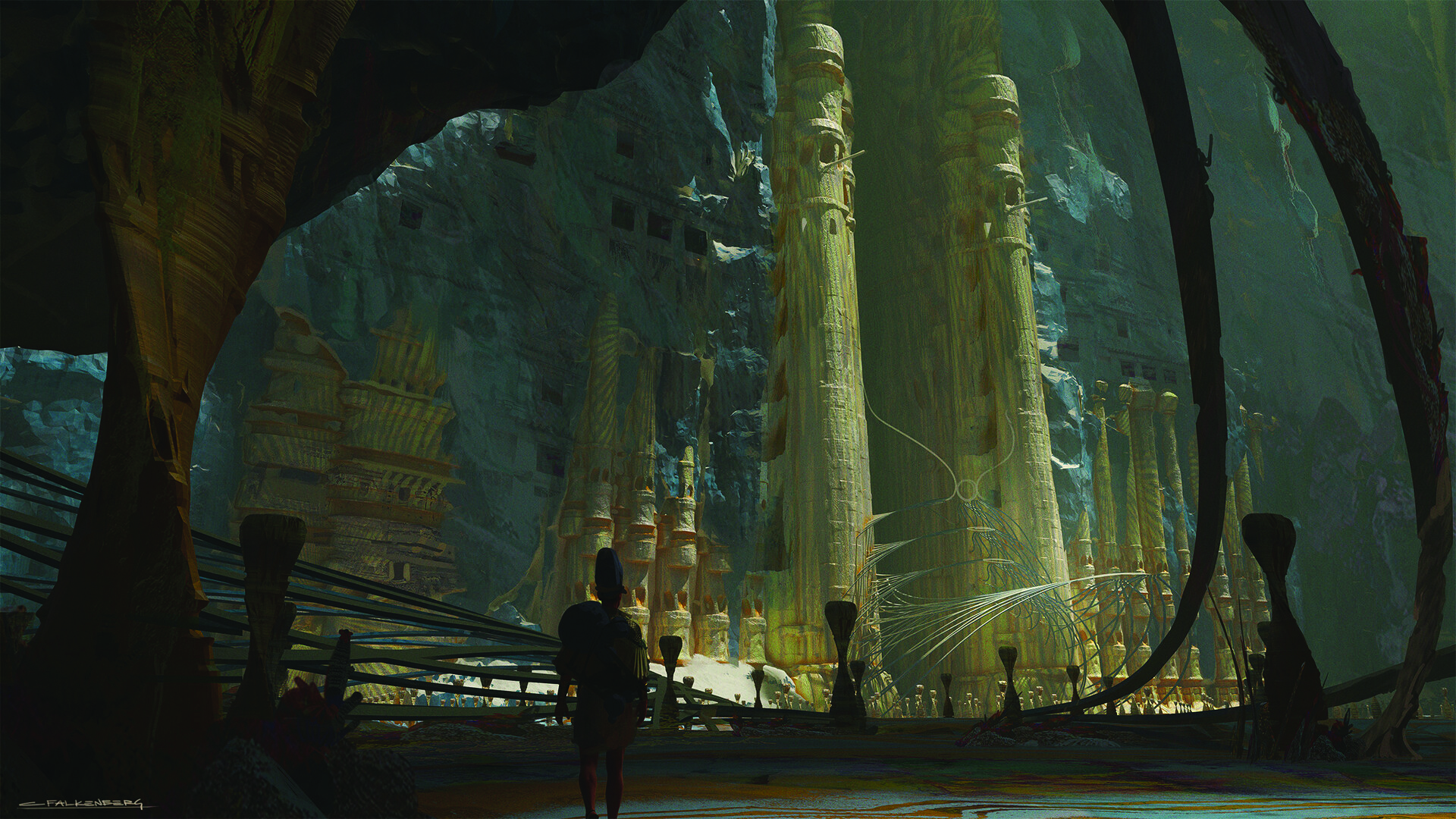
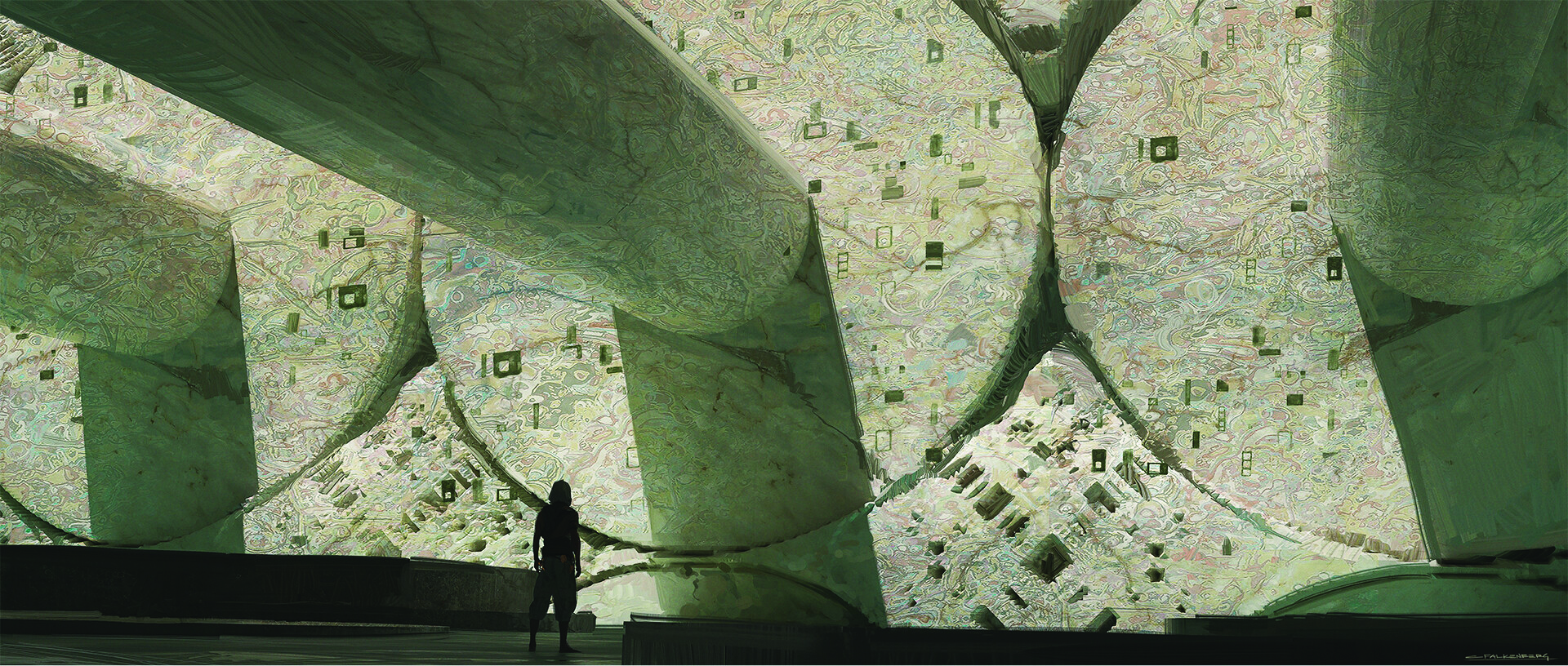
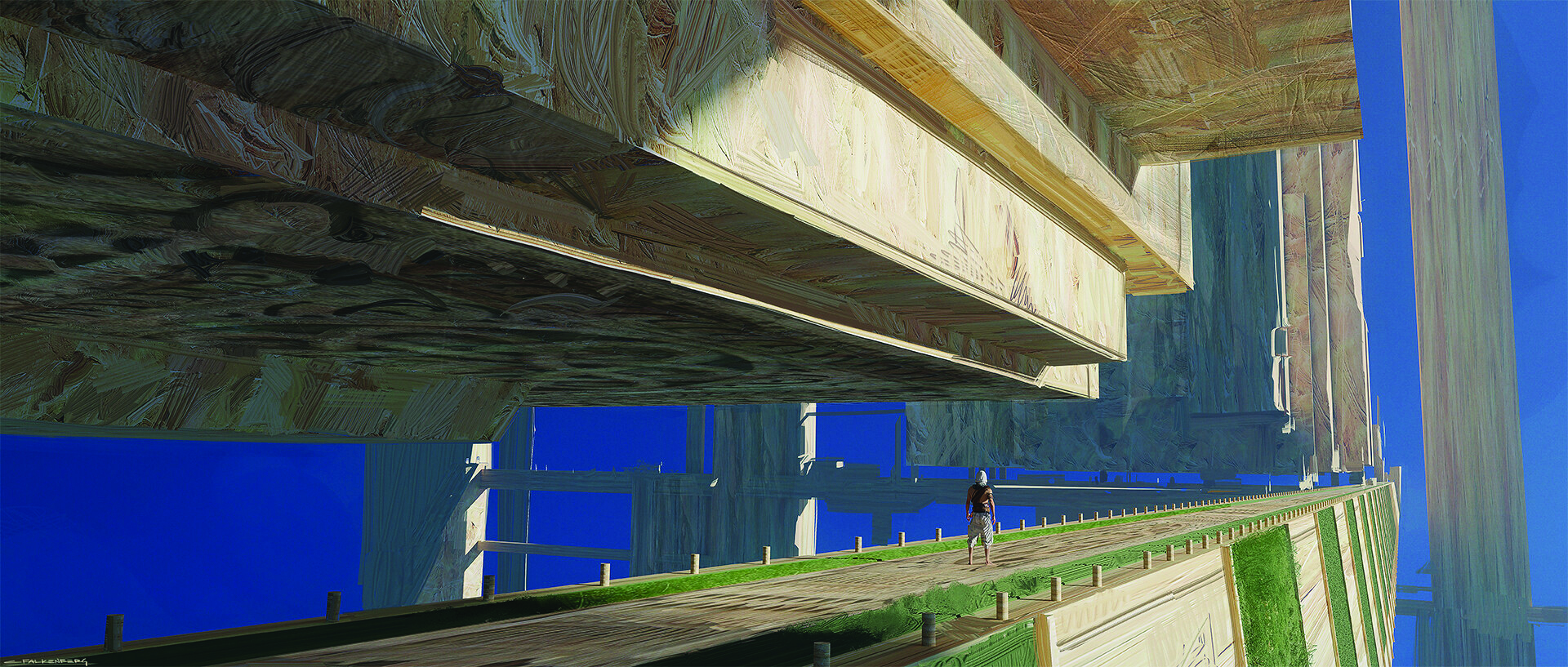
This philosophy is clearly visible in his personal projects, such as the Wanderer series. These pieces, which chart a sage’s journey through desolate, abandoned lands, reflect a sense of melancholy and historical depth that transcends mere aesthetic composition. His latest efforts, including the Mouse Knight series, demonstrate a move toward more stylized, playful storytelling, showing that his artistic range is constantly expanding as his personal experiences diversify.
The Reality of the Industry: Navigating Volatility
For those aspiring to enter the field, Falkenberg offers a sobering reality check. While he describes his career as "hard to beat," he is quick to highlight the inherent volatility of the creative entertainment sector.
"The one thing I underestimated was the inconsistency," he says. "Before I started, I assumed there would be a point where the work just stabilized, became predictable. It doesn’t really work that way."
Even for those employed "in-house" at major studios like Bluepoint Games, the nature of the industry is cyclical. Projects ramp up, finish, and disappear, often leaving the artist to navigate the gaps between productions. Falkenberg emphasizes that success requires a mindset geared toward building personal stability—what he calls "learning to ride the waves."
Tips for the Aspiring Professional
- Prioritize Well-being: When starting out, there is a temptation to spend every waking second at the desk. Falkenberg advises against this, noting that experiences outside of art are what ultimately fuel creativity.
- Adaptability is Key: The industry is young and prone to major disruptions every few years. Whether through new software, AI-driven pipelines, or shifts in platform demand, the artist must remain flexible.
- Build Your Own World: While commercial work is the bread and butter of the industry, Falkenberg stresses that personal projects are essential for artistic fulfillment. Developing original intellectual property (IP) is the ultimate long-term career goal.
Technological Disruption and the Future
As an instructor at the Brainstorm School, Falkenberg is at the front lines of seeing how the next generation approaches the medium. He views the constant evolution of digital tools not as a threat, but as a necessary catalyst for growth.
"Digital art, and concept art specifically, is a relatively young industry and it seems to have a major disruption every few years," he notes. "New tools, new pipelines, and new platforms force you to constantly adapt. I think whether changes are ‘good’ is pretty subjective, but it definitely keeps things interesting!"
His approach to this disruption is to focus on foundational skills. While software tools change—from the early days of basic digital painting to modern 3D-integrated workflows—the principles of light, shadow, form, and composition remain constant. By teaching these fundamentals, he helps students prepare for a future where the tools of today might be obsolete tomorrow, but the ability to translate a vision into a visual narrative will remain in high demand.
Implications for the Creative Landscape
Falkenberg’s career trajectory offers several implications for the future of digital art:
- The Blur of Disciplines: As seen in his work spanning both film and gaming, the lines between different media are increasingly porous. A concept designer today must be capable of working in various formats, often simultaneously.
- The Rise of the "Artist-Educator": The industry is increasingly relying on established professionals to mentor the next generation, as academic institutions struggle to keep pace with the rapid technological shifts in studio pipelines.
- The Value of Autonomy: As the industry remains volatile, more artists are turning to personal IPs to ensure long-term stability and creative satisfaction. This shift empowers individual creators to become owners of their own narratives rather than just contractors on larger projects.
Conclusion
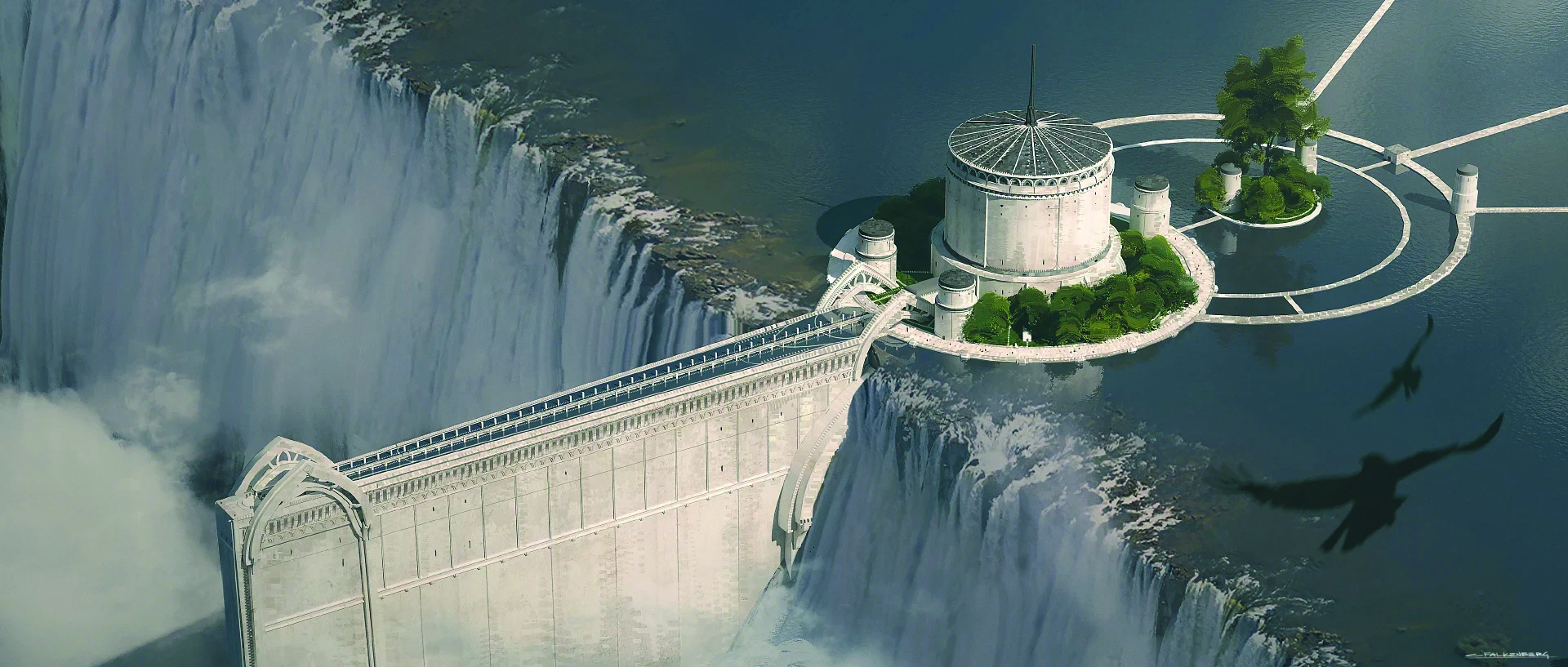
Chris Falkenberg’s work is a testament to the fact that technical skill is only one part of the equation. Whether he is crafting the vast, desolate landscapes of the Wanderer series or managing complex visual assets for a AAA studio, his success is built on a foundation of curiosity, life experience, and a willingness to adapt.
As he looks to the future, his focus remains on personal projects and the continued development of his original worlds. For those looking to follow in his footsteps, his advice remains clear: get away from the desk, live a full life, and let those experiences breathe life into your art. In a field defined by constant change, the most valuable tool an artist possesses is not the software on their screen, but the unique perspective they bring to the world they are helping to build.
For more insights into his creative process, readers are encouraged to explore his full portfolio on his official website, where his ongoing dedication to world-building and narrative design continues to set a high bar for the industry.









No comments yet. Be the first to join the conversation!