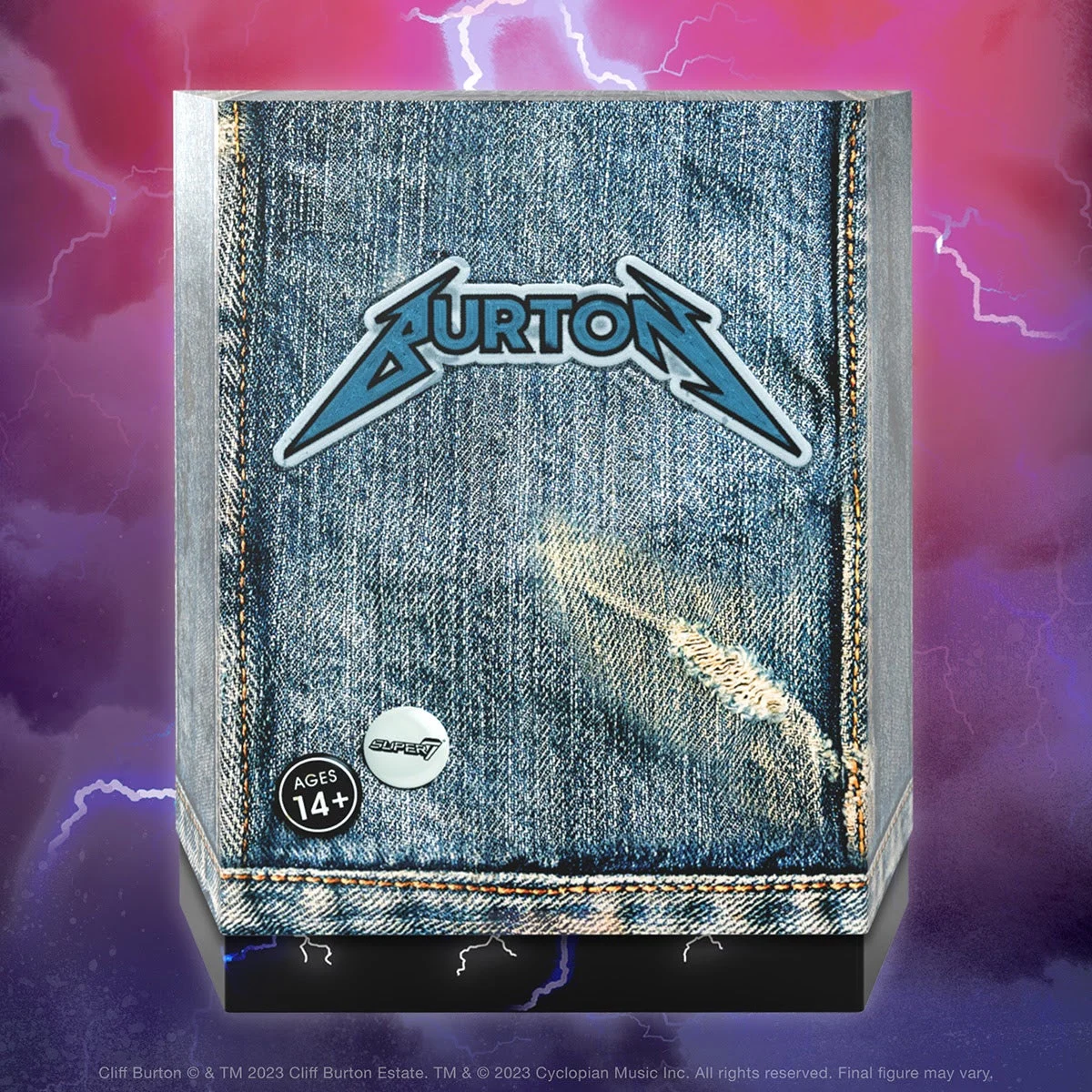
In a move that signals the further integration of on-demand logistics into the retail gaming sector, Uber Technologies, Inc. (NYSE: UBER) and GameStop (NYSE: GME) have officially announced a nationwide partnership. This collaboration integrates one of the world’s most recognizable gaming retailers into the Uber Eats marketplace, allowing customers to order video games, consoles, controllers, and collectibles for immediate or scheduled delivery.
This development marks a significant shift in how gamers interact with their favorite hardware and software providers. By leveraging the vast delivery infrastructure of Uber, GameStop is effectively dismantling the traditional barriers of physical retail, moving from a "destination-based" model to a "convenience-first" model.
The Evolution of the Retail Landscape
The retail industry has undergone a seismic shift over the last decade, accelerated significantly by the COVID-19 pandemic. Consumers have grown accustomed to the "on-demand" economy, where the expectation for immediate gratification—previously limited to restaurant delivery—now extends to groceries, pharmaceuticals, and household essentials.
GameStop, having navigated a volatile period of transformation, has been aggressively seeking ways to modernize its omnichannel strategy. By joining the Uber Eats marketplace, which already hosts thousands of storefronts ranging from boutique beauty shops to major grocery chains, GameStop is positioning itself to capture the "impulse" gamer market. Whether a customer experiences a controller failure during a competitive match or realizes they need a last-minute gift for a birthday, the partnership ensures that physical gaming goods can arrive at their doorstep with the same speed as a hot meal.
Chronology of a Digital Pivot
The timeline of this partnership reflects the broader strategic goals of both companies.
- Pre-2020: Uber Eats functions primarily as a restaurant delivery service, while GameStop maintains a traditional brick-and-mortar footprint.
- 2021–2023: Uber Eats begins its aggressive diversification strategy, acquiring companies like Postmates and Drizly to expand beyond food. It launches "Uber Direct" and "Retail on Uber Eats," onboarding partners like Walgreens, CVS, and various grocery chains.
- Early 2024: Market analysis indicates that consumers are increasingly seeking "non-food" items through delivery apps. Retail categories become the fastest-growing segment for Uber Eats.
- Q3 2024: Negotiations between Uber and GameStop conclude. Both parties recognize the synergies between a customer base that values speed and the high-turnover nature of gaming accessories.
- October 2024: The official rollout of the partnership is announced, enabling nationwide delivery of gaming hardware, software, and pop-culture collectibles.
Supporting Data: Why Gaming and Delivery Collide
The decision to marry gaming retail with food delivery is backed by shifting consumer demographics. According to industry data, the average gamer is no longer a child but a tech-savvy adult with disposable income and a high demand for efficiency.

Data from the retail sector suggests that the "last-mile" delivery market is expected to grow at a compound annual growth rate (CAGR) of over 15% through 2030. For Uber, the addition of GameStop provides a high-margin opportunity to increase "basket size." A customer who might have ordered a late-night snack can now be cross-sold a new game title or a replacement headset, significantly increasing the total value of the delivery trip.
For GameStop, the benefit is equally clear: access to Uber’s millions of active monthly users. By digitizing their inventory on the Uber Eats app, GameStop gains visibility among consumers who may not have visited a physical store in years, effectively re-engaging a dormant customer base.
Official Responses and Strategic Vision
The leadership teams at both organizations have framed this partnership as a response to evolving consumer expectations.
Hashim Amin, Head of Grocery and Retail for Uber in North America, emphasized the utility of the service: "Whether they’re replacing a controller before game night, picking up the latest game release on launch day, or grabbing a last-minute gift, consumers increasingly expect gaming essentials and collectibles to be available on-demand. Adding GameStop to Uber Eats strengthens our growing gaming and electronics selection, giving customers access to another trusted retailer they can shop with the speed and convenience they know from Uber."
From the perspective of industry analysts, this partnership represents a "defensive and offensive" maneuver. It defends GameStop’s market share against digital-first competitors like Amazon, while offensively positioning Uber Eats as the "everything store" of the mobile app ecosystem.
Implications for the Gaming Industry
The implications of this partnership are far-reaching for the future of physical media and hardware distribution.

1. The Survival of Physical Media
While the gaming industry has been trending toward digital downloads, there remains a massive market for physical collectors’ editions, hardware, and accessories. This partnership validates the continued relevance of physical goods in an increasingly digital world by removing the friction of the "shopping trip."
2. The "On-Demand" Standard
If successful, this partnership could set a new standard for specialty retail. Other niche electronics or hobby retailers may soon feel the pressure to adopt similar on-demand delivery models to remain competitive. The "Amazon effect" has officially permeated the specialty gaming sector, forcing all players to optimize their logistics.
3. Impact on Local Retailers
For individual GameStop store managers, this means a shift in operations. Stores must now manage a dual workflow: serving walk-in customers and managing digital inventory for third-party couriers. This operational change will require tighter inventory management systems to ensure that items listed on the app are physically available on the shelf, minimizing order cancellations.
Conclusion: A New Era of Retail
The partnership between GameStop and Uber Eats is more than just a logistical update; it is a cultural signal. It acknowledges that the modern consumer views a video game controller as just as essential as a gallon of milk or a takeout dinner. As the lines between digital platforms and physical stores continue to blur, companies like GameStop and Uber are betting that the future of retail is not just about what you sell, but how fast and conveniently you can get it into the hands of the user.
As this rollout continues, industry observers will be watching closely to see if other electronics giants follow suit. One thing is certain: for the gamer who finds themselves in a pinch on a Saturday night, the solution is now just a few taps away.
About the Authors and Perspectives
This report was curated with insights from industry experts, including perspectives from long-time toy and gaming retail analysts. As the landscape of hobby retail continues to expand through technological integration, the focus remains on how these platforms serve the passionate communities of collectors, gamers, and hobbyists worldwide.